

 Предпросмотр
 Поделиться
 Поделиться
 Детали произведения

 Скачать
 Похожие работы
 Рентгенография
 Слайд-шоу
 Статистика
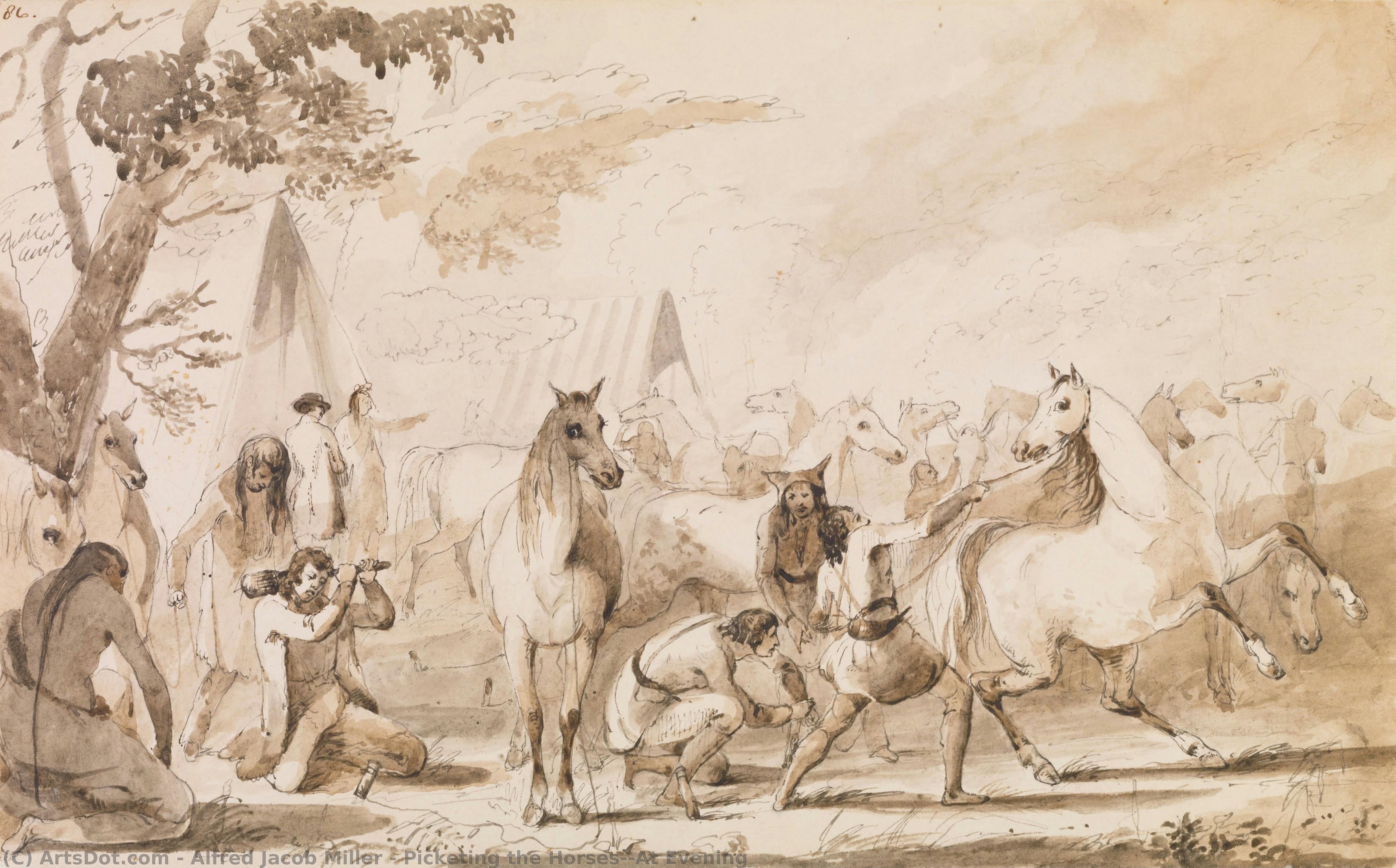
Picketing the Horses--At Evening
 Realism
 1837
1837 30.0 x 19.0 cm
 Amon Carter Museum of American Art
 Читать далее
Масляная репродукция ручной работы
Картина маслом на холсте в выбранном вами размере и раме, написанная на заказ нашими художниками. ( Перейти к печати Перейти к цифровым изображениям)




P118B $10

P118H $10

P118W $10

P438Z $10

P508JH $12

P508YH $12

P805H $10

P805Z $10

P919BZ $10

P919G $10

P919XJ $10

P959ZH $10

P968JZ $12

W106C $8

W218G $10

W218JH $8

W218Y $10

W307PJ $10

W316G $10

W316PJ $8

W316Y $10

W398PJ $8

W4111J $10

W500HY $15

W500JH $15

W692G $12

W849H $8

W940BG $15

W953PJ $8




Выберите один из наших стандартных размеров, соответствующих оригинальным пропорциям произведения искусства.

Вы можете указать собственные размеры, чтобы картина идеально вписалась в выбранную раму или пространство. Если выбранный вами размер не соответствует пропорциям оригинала, мы либо обрежем полотно, либо расширим его за счет дополнительных элементов, написанных вручную. Цифровой макет будет отправлен вам на утверждение перед началом производства.
Обратите внимание, что предварительный просмотр на экране не отражает фактическую обрезку или расширение. Только макет точно покажет окончательную композицию.
Хотя доступны индивидуальные размеры, мы рекомендуем выбирать вариант из предопределенного списка, чтобы сохранить исходные пропорции.
После оформления заказа команда ArtsDot.com свяжется с клиентом по электронной почте для уточнения деталей и предоставит предварительный макет
Доставка по всему миру () за 3–4 недели вместо стандартных 5 недель. (10 Сентябрь). Без компромиссов в качестве.

Бесплатная экспресс-доставка по всему миру

Высококачественный льняной холст

Полное страхование доставки

Гарантия возмещения таможенных пошлин

Гарантия точного соответствия цветов

100-дневная политика возврата (только при обнаружении дефектов)

Гарантия возврата 100% средств

Предложение оптовых скидок
 Вариант со стеклом доступен только для размеров менее 110 см

Picketing the Horses--At Evening
Техника репродукции
Размер репродукции
-


Итоговая стоимость
$ 388
A Glimpse into Frontier Life: Alfred Jacob Miller’s “Picketing the Horses—At Evening”
- Subject and Narrative: This captivating pen and ink drawing with watercolor washes by Alfred Jacob Miller transports us to the American West of 1837. The scene depicts a moment of respite – horsemen *picketing* their horses for the evening, likely after a day of travel or training. The composition is bustling with activity; figures are engaged in tending to livestock and preparing camp, creating a vivid snapshot of frontier life. It’s not merely an image of animals resting, but a portrayal of the symbiotic relationship between man and horse, essential to survival and exploration during this period.
- Style and Technique: Miller masterfully blends meticulous draftsmanship with atmospheric watercolor washes. The artwork showcases his skill in detailed line work – each horse, rider, and tree is rendered with precision. This classical drawing technique, reminiscent of earlier masters, provides a strong structural foundation. However, it’s the delicate application of watercolor that breathes life into the scene, creating depth, volume, and a sense of diffused light suggesting either an overcast day or the fading glow of sunset. The overall effect is one of realism tempered by romanticism – a hallmark of Miller's style.
Historical Context & The Artist’s Vision
- Miller and the American West: Alfred Jacob Miller (1810-1874) is celebrated for his depictions of the fur trade era and Native American life. Though born in Baltimore, he traveled extensively, documenting the landscapes and people of the Western United States. This work predates his more famous paintings of mountain men and tribes, but it demonstrates the foundational skills and observational abilities that would define his career. “Picketing the Horses—At Evening” offers a glimpse into the world *before* significant westward expansion and conflict, presenting a scene of relative tranquility.
- A Moment in Time: Created in 1837, this artwork reflects an era of exploration and increasing interaction between settlers and indigenous populations. While not explicitly focused on Native American figures, the work embodies the spirit of adventure and the challenges of life on the frontier that characterized this period. The scene’s focus on equestrian skill also hints at the importance of horses in both practical transportation and military preparedness.
Symbolism & Emotional Resonance
- Subtle Symbolism: Beyond its literal depiction, “Picketing the Horses—At Evening” evokes themes of resilience, adaptability, and the enduring bond between humans and animals. The act of *picketing* – securing horses for rest – symbolizes a temporary pause in a journey, a moment of vulnerability before continuing onward. The careful attention to detail in portraying both the horses and their handlers suggests respect for these essential companions.
- Atmospheric Impact: The artwork’s subdued color palette and diffused lighting create a sense of quiet contemplation. It's not a dramatic or action-packed scene, but rather an intimate portrayal of everyday life on the frontier. This understated quality lends the work a timeless appeal, inviting viewers to immerse themselves in the atmosphere and imagine the sounds and smells of this bygone era.
For Collectors & Interior Design
- A Versatile Piece: Measuring 30 x 19 cm, “Picketing the Horses—At Evening” is a wonderfully sized work suitable for a variety of spaces. Its muted tones and detailed composition make it an excellent addition to both traditional and contemporary interiors.
- Styling Suggestions: Consider pairing this artwork with natural materials like wood and leather to enhance its rustic charm. It would complement a study, library, or living room with equestrian-themed décor. A high-quality reproduction would also be stunning in a hallway or smaller space.
Похожие произведения
Биография художника
A Pioneer of the American West
Alfred Jacob Miller, born in Baltimore in 1810, occupies a unique and vital position in the narrative of American art. He wasn’t merely a painter of landscapes or portraits; he was a visual chronicler of a vanishing world – the fur trade era of the Rocky Mountains and the lives of the Native American tribes who inhabited them. His journey to artistic recognition was unconventional, beginning not with formal academic training but with an innate talent nurtured by early exposure to artists like Thomas Sully. While attending John D. Craig’s Academy in Baltimore, Miller's education lacked a dedicated art curriculum, yet this absence perhaps fostered a distinctive style that would later set him apart. A pivotal period followed when he journeyed to Paris in 1832, immersing himself in the rigorous study of life drawing at the École des Beaux-Arts and absorbing the artistic traditions of Europe. This foundational experience honed his observational skills and provided a technical base upon which he would build his uniquely American vision.The Transformative Expedition
Miller’s career took an extraordinary turn in 1837, when fate – or perhaps artistic destiny – intervened in the form of Sir William Drummond Stewart, a Scottish aristocrat with a passion for the untamed West. Stewart commissioned Miller to accompany him on a hunting expedition into the heart of the Rocky Mountains, tasking him with documenting the landscapes and cultures encountered along the way. This wasn’t simply an assignment; it was an immersion into a world few Americans, let alone artists, had ever witnessed. For months, Miller meticulously sketched scenes of Native American life – the Sioux, Crow, Shoshone, and others – capturing their customs, clothing, rituals, and interactions with trappers and traders. He recorded the rugged beauty of the terrain, the drama of hunts, and the quiet moments of daily existence on the frontier. These weren’t romanticized depictions intended to glorify the West; they were honest observations imbued with a sensitivity that distinguished Miller's work from much of his contemporaries’. Upon returning to New Orleans, he transformed these sketches into a series of paintings that would establish his reputation as a significant figure in American art, offering an invaluable glimpse into a world on the cusp of irreversible change. The rendezvous was a grand affair devised by St. Louis businessman and politician William H. Ashley in 1822 to keep the fur trappers from leaving the mountains to deliver the season’s catch. He advertised for one hundred “Enterprising Young Men” who would agree to remain in the mountains for two or three years. (*St. Louis Enquirer*, 1822 and 1823) Each summer, Ashley sent a caravan of traders from St. Louis to meet the men at a prearranged place with supplies and trade goods to exchange for their pelts. Other companies followed his lead, and by the 1830s the rendezvous was made up of numerous camps involving hundreds of company trappers, free trappers, and sundry Indian tribes. Following several weeks of “High Jinks,” as Miller put it, and then some serious trading, the trappers and Indians would return to the mountains in time for the fall trapping season and the traders to St. Louis. (Russell, 1941, pp. 1 – 2; Clokey, 1980, p. 67; Ross, 1968, text accompanying plate 110; Wishart, 1979, pp. 121 – 124; Washburn, 1967, pp. 50 – 54) Miller’s adventure began shortly after he found quarters on the second floor of L. Chittenden’s dry-goods store at 26 Chartres Street in New Orleans, exchanging a portrait of the landlord for his first month’s rent. Miller displayed several paintings in the ground-floor window, and they apparently attracted the attention of a stylishly-dressed gentleman, whom he took to be a Kentuckian, who came in, browsed around and watched him paint for a few moments, commented favorably on his technique, then exited. A few days later, the man returned, introduced himself as Captain William Drummond Stewart, retired from the British Army, and explained that he was planning to attend the annual rendezvous of fur trappers and traders in the Rocky Mountains that summer and wanted an artist to accompany him to make a visual record of the trip. (Miller, Journal, p. 35) From British Consul John Crawford, who had previously served in Baltimore and might have known Miller there, Stewart assured the young Miller that the captain, a veteran of the peninsular campaign and Wellington’s victory over Napoleon at Waterloo, would be able to fulfill any financial commitments that he made. (Porter and Davenport, 1963, pp. 4, 16 – 19, 129; Strong, 200"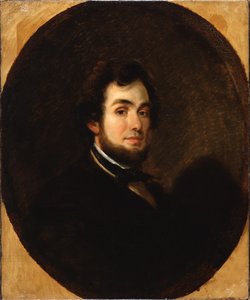
Альфред Якоб Миллер
1810 - 1874 , США
Основные сведения
- Artistic Movement Or Style: Реализм и романтизм
- Artists Who Influenced This Artist:
- Томас Салли
- Горре Вернет
- Date Of Birth: 1 января 1810 г.
- Date Of Death: 1874 г.
- Full Name: Alfred Jacob Miller
- Nationality: Американский
- Notable Artworks:
- Озеро Его Одинокое Сердце Расширяется...
- Сцена лагеря (Сиу)
- Большая миска (Шошон)
- Аркали - Горный овцы
- Шошон индейцы охотятся на оленей
- Индейцы шайдуют на оленей
- Place Of Birth: Балтимор, США
Похожие статьи
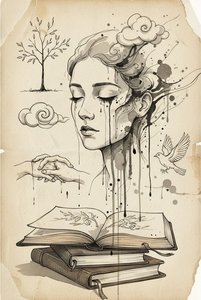
Ephemeral Lines: Exploring Emotional Resonance in Ink Sketching Traditions
Explore the profound art of ink sketching! Discover techniques to express emotion, master line work, and cultivate artistic sensitivity. Learn from historical masters & unlock your creative potential.
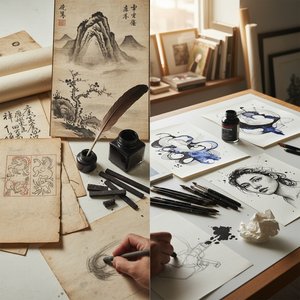
Ephemeral Expressions: Exploring the Nuances of Ink on Paper Through History & Contemporary Art
Explore the captivating world of ink wash painting – from its ancient origins to contemporary masters. Discover techniques, symbolism & conservation insights with ArtsDot.com.
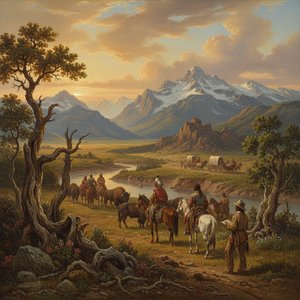
Alfred Jacob Miller: Chronicling the American West Through Artistic Observation & Narrative
Explore the captivating art of Alfred Jacob Miller, chronicler of the American West. Discover his iconic paintings, techniques & lasting legacy – a valuable addition to any serious collection. Learn more at ArtsDot.

Альфред Муннингс: 25 шедевров британского импрессионизма для вашего интерьера | ArtsDot
Погрузитесь в мир Альфреда Муннингса! 25 шедевров британского импрессионизма, запечатлевших красоту лошадей и сельской Англии. Репродукции картин высокого качества для вашего интерьера на ArtsDot.com.
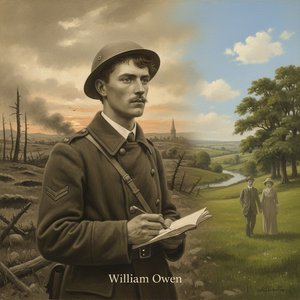
William Owen: A Poetic Vision of War & Landscape in British Modernism
Explore the poignant war poetry of Wilfred Owen, a key figure in British Modernism. Discover his innovative style, themes of loss & camaraderie, and lasting impact on 20th-century literature. Analysis & historical context included.