 Предпросмотр
 Поделиться
 Поделиться
 Детали произведения

 Скачать
 Похожие работы
 Рентгенография
 Слайд-шоу
 Статистика
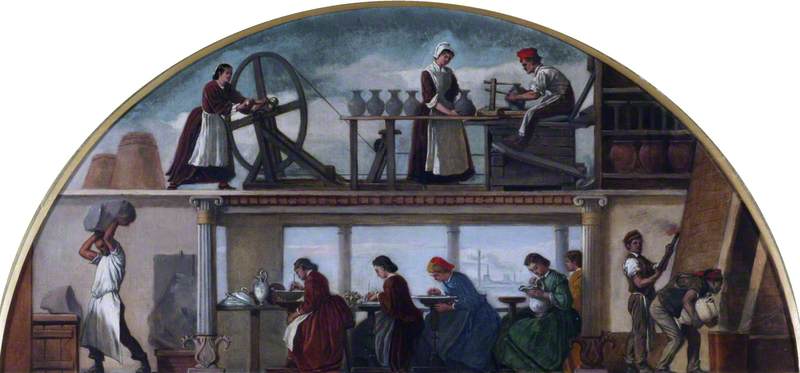
A Pottery Shop
 1870
1870 27.0 x 61.0 cm
 Читать далее
Приобретите цифровое изображение высокого разрешения в улучшенном качестве, которое значительно превосходит онлайн-превью.
Каждый файл тщательно подготавливается нашими специалистами с использованием передовых инструментов и экспертной ручной ретуши. Мы гарантируем исключительную четкость, точную цветопередачу и детальную проработку каждого изображения.
Финальный файл доставляется по электронной почте в течение 72 часов и оптимизирован для немедленного использования в профессиональной среде, при верстке и печати. Это тот же уровень качества, которому доверяют ведущие дизайнерские студии, издательства и галереи.
Цифровое изображение
Скачайте файл высокого разрешения для личного использования, печати и творческих проектов. ( Перейти к печати Купить картину ручной работы)
Включено в каждый заказ цифровых изображений
Гарантия экспертной цифровой доставки
Выбирая ArtsDot.com, вы получаете не просто изображение — вы приобретаете профессионально обработанное цифровое произведение искусства, созданное с безупречной точностью и под защитой гарантии качества. Вот всё, что автоматически входит в ваш заказ:

Мгновенная доставка по e-mail
Ваш цифровой файл в высоком разрешении будет отправлен вам по электронной почте в течение 72 часов после оформления заказа — и сразу станет доступен для использования.

Цифровой файл с ИИ-улучшением
Ваше произведение искусства проходит профессиональную оптимизацию с использованием передовых инструментов ИИ и ручной обработки, что гарантирует максимальную детализацию, четкость и точность цветопередачи.

Бессрочная бесплатная повторная доставка
Случайно удалили или потеряли файл? Не беспокойтесь — мы отправим его вам повторно в любое время и совершенно бесплатно.

Без импортных пошлин — навсегда
Наслаждайтесь вашим произведением искусства мгновенно без таможенных пошлин, сборов или затрат на доставку — цифровые загрузки всегда не облагаются налогом.

Гарантия точности цветопередачи
Мы гарантируем, что ваше цифровое изображение максимально точно передает оригинальные цвета благодаря использованию профессиональных инструментов и систем управления цветом.

Гарантия удовлетворенности 100 дней
Если вы не будете удовлетворены своим цифровым изображением, мы внесем правки или вернем 100% стоимости в течение 100 дней — без лишних вопросов.

100% Гарантия возврата средств
Не удовлетворены покупкой? Получите полный возврат средств в течение 100 дней после получения цифрового файла — без лишних вопросов.

Скидки на оптовые заказы
Купите 3 изображения, сэкономьте 10% — Купите 5, сэкономьте 15% — Купите 10+, сэкономьте 20%. Отличное решение для творческих проектов, галерей и агентств.
Похожие произведения






Биография художника
A Life Etched in Urban Shadows: The World of Alfred Morgan
Alfred Morgan, a name perhaps less celebrated than many of his contemporaries, nevertheless occupies a fascinating and poignant niche within the landscape of early 20th-century British art. Born into an era of rapid social change and burgeoning artistic experimentation, Morgan’s work offers a compelling glimpse into the lives of ordinary people navigating the complexities of modern life. While biographical details remain somewhat elusive – a characteristic that adds to the mystique surrounding his oeuvre – it is understood he spent much of his life documenting the streets and interiors of London and its surrounding areas. He wasn't a product of formal art academies, instead developing his distinctive style through direct observation and an empathetic connection with his subjects. This self-taught approach allowed him a freedom from convention that permeates every brushstroke, resulting in paintings that feel both intimately personal and universally resonant. His work often depicts scenes of quiet desperation, fleeting moments of beauty amidst the grime, and a profound sense of loneliness within the bustling city.The Influence of Realism and Victorian Sentiment
Morgan’s artistic lineage is complex, drawing from several key movements. The influence of Realism is undeniable; his commitment to portraying life as it *is*, without idealization or romantic embellishment, echoes the work of artists like Gustave Courbet and Honoré Daumier. However, Morgan wasn’t simply a replicator of reality. A strong undercurrent of Victorian sentimentality runs through his paintings, particularly in his depictions of women and children. This is not to say his work is saccharine or overly dramatic; rather, it suggests a deep compassion for the vulnerable and marginalized. He captures a sense of dignity even in poverty, imbuing his subjects with an inner life that transcends their circumstances. The pre-Raphaelite brotherhood’s focus on narrative detail also seems to have left its mark, evident in Morgan's meticulous rendering of interiors and everyday objects. His paintings are not merely portraits of people; they are meticulously constructed stories about lives lived within specific social contexts.Development of a Unique Artistic Voice
Morgan’s early work shows a tentative exploration of technique, with a focus on landscapes and still life. However, it was his move to London that proved pivotal in shaping his artistic vision. The city became both his muse and his subject matter. He began to concentrate on scenes of urban life – bustling markets, crowded streets, dimly lit pubs, and the interiors of modest homes. His palette evolved over time, moving from brighter, more conventional colors to a muted, atmospheric range dominated by grays, browns, and ochres. This shift in color reflects his growing preoccupation with themes of isolation and melancholy. He developed a distinctive brushstroke – loose and expressive yet capable of remarkable detail – that perfectly captures the texture of urban life. His compositions are often unconventional, employing unusual perspectives and cropping techniques to create a sense of immediacy and intimacy.Recurring Themes and Symbolic Language
Several recurring themes emerge in Morgan’s work, most notably his fascination with pigeons. These birds appear frequently in his paintings, often as silent observers of human drama. While their symbolism is open to interpretation, they are generally seen as representing loneliness, resilience, and the enduring spirit of the city. Another prominent motif is the pottery shop, which appears in several of his most iconic works. These shops seem to represent a microcosm of society – a place where people from all walks of life come together, albeit briefly. The objects within these shops – teacups, vases, figurines – often serve as symbolic representations of domesticity, memory, and loss. His portraits, too, are imbued with symbolism; the clothing, posture, and facial expressions of his subjects reveal subtle clues about their lives and inner states. He also painted a striking portrait of J P Morgan, which is unusual given his focus on ordinary people, suggesting perhaps a commission or an attempt to gain patronage from a wealthy benefactor.Historical Significance and Lasting Legacy
Alfred Morgan’s work offers a valuable counterpoint to the more celebratory depictions of early 20th-century life often found in mainstream art. He wasn't interested in glorifying progress or portraying the upper classes; instead, he focused on the lives of those who were often overlooked – the working poor, the marginalized, and the lonely. His paintings provide a powerful social commentary, exposing the inequalities and hardships of modern life. While his work was not widely recognized during his lifetime, it has gained increasing attention in recent years as scholars and collectors have begun to appreciate its unique qualities. He is now considered an important figure in British Realism, and his paintings are increasingly sought after by museums and private collectors alike. His legacy lies in his ability to capture the quiet dignity of ordinary people and to reveal the hidden beauty within the shadows of urban life.- Key Movements: Realism, Victorian Sentimentality, Pre-Raphaelitism
- Recurring Themes: Urban Life, Loneliness, Pigeons, Pottery Shops, Social Commentary
- Notable Works: Portrait of J.P. Morgan, Scenes of London Markets, Interiors of Modest Homes
- Artistic Style: Muted Palette, Loose Brushstroke, Atmospheric Rendering, Unconventional Composition