

 Предпросмотр
 Поделиться
 Поделиться
 Детали произведения

 Скачать
 Похожие работы
 Рентгенография
 Слайд-шоу
 Статистика
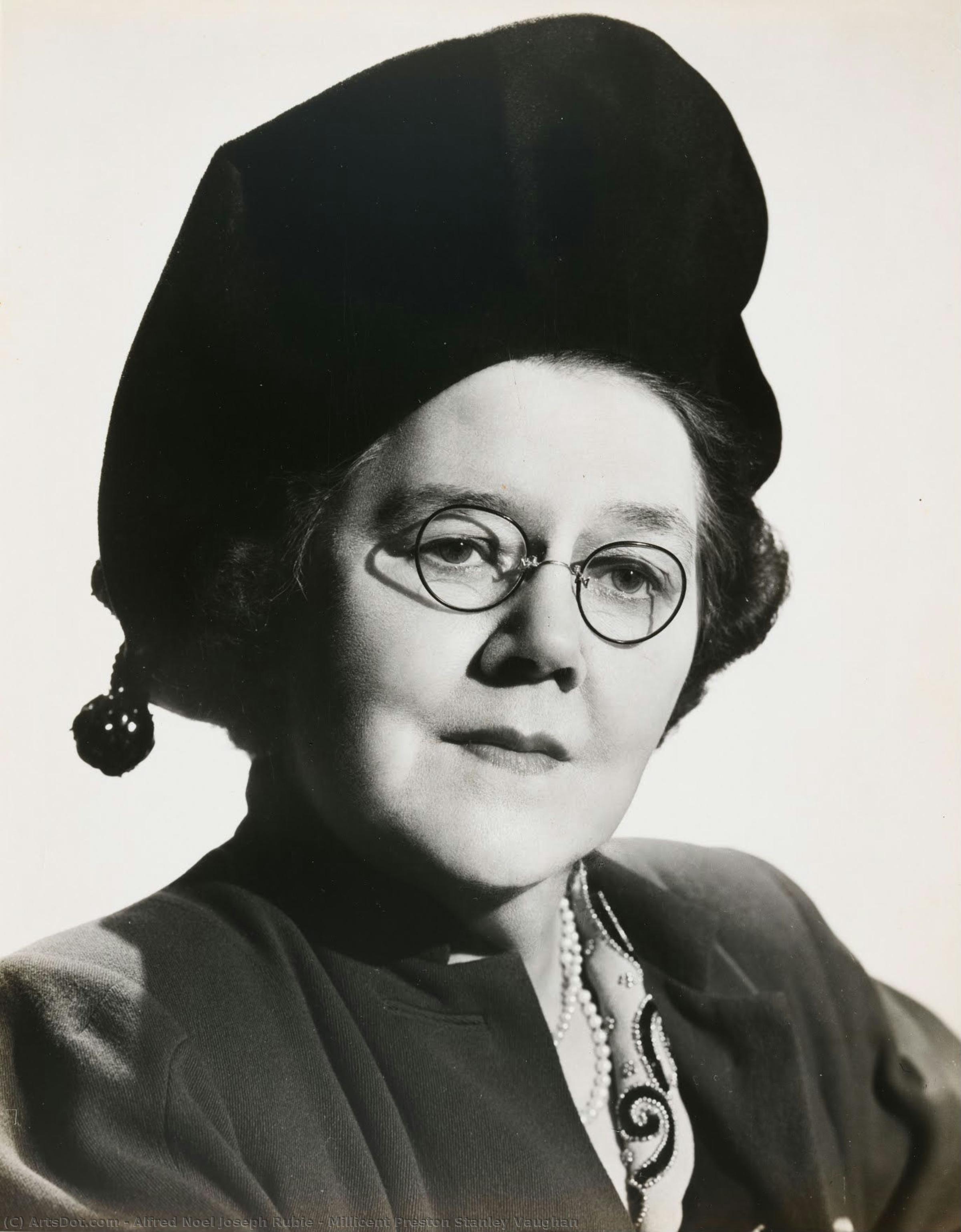
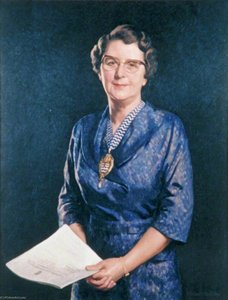
Millicent Preston Stanley Vaughan
 1945
1945 24.0 x 19.0 cm
 National Portrait Gallery
 Читать далее
Приобретите цифровое изображение высокого разрешения в улучшенном качестве, которое значительно превосходит онлайн-превью.
Каждый файл тщательно подготавливается нашими специалистами с использованием передовых инструментов и экспертной ручной ретуши. Мы гарантируем исключительную четкость, точную цветопередачу и детальную проработку каждого изображения.
Финальный файл доставляется по электронной почте в течение 72 часов и оптимизирован для немедленного использования в профессиональной среде, при верстке и печати. Это тот же уровень качества, которому доверяют ведущие дизайнерские студии, издательства и галереи.
Цифровое изображение
Скачайте файл высокого разрешения для личного использования, печати и творческих проектов. ( Перейти к печати Купить картину ручной работы)
Включено в каждый заказ цифровых изображений
Гарантия экспертной цифровой доставки
Выбирая ArtsDot.com, вы получаете не просто изображение — вы приобретаете профессионально обработанное цифровое произведение искусства, созданное с безупречной точностью и под защитой гарантии качества. Вот всё, что автоматически входит в ваш заказ:

Мгновенная доставка по e-mail
Ваш цифровой файл в высоком разрешении будет отправлен вам по электронной почте в течение 72 часов после оформления заказа — и сразу станет доступен для использования.

Цифровой файл с ИИ-улучшением
Ваше произведение искусства проходит профессиональную оптимизацию с использованием передовых инструментов ИИ и ручной обработки, что гарантирует максимальную детализацию, четкость и точность цветопередачи.

Бессрочная бесплатная повторная доставка
Случайно удалили или потеряли файл? Не беспокойтесь — мы отправим его вам повторно в любое время и совершенно бесплатно.

Без импортных пошлин — навсегда
Наслаждайтесь вашим произведением искусства мгновенно без таможенных пошлин, сборов или затрат на доставку — цифровые загрузки всегда не облагаются налогом.

Гарантия точности цветопередачи
Мы гарантируем, что ваше цифровое изображение максимально точно передает оригинальные цвета благодаря использованию профессиональных инструментов и систем управления цветом.

Гарантия удовлетворенности 100 дней
Если вы не будете удовлетворены своим цифровым изображением, мы внесем правки или вернем 100% стоимости в течение 100 дней — без лишних вопросов.

100% Гарантия возврата средств
Не удовлетворены покупкой? Получите полный возврат средств в течение 100 дней после получения цифрового файла — без лишних вопросов.

Скидки на оптовые заказы
Купите 3 изображения, сэкономьте 10% — Купите 5, сэкономьте 15% — Купите 10+, сэкономьте 20%. Отличное решение для творческих проектов, галерей и агентств.
Похожие произведения






Биография художника
Henri de Toulouse-Lautrec: A Life Painted in Shadow and Light
Henri de Toulouse-Lautrec (1864–1901) remains one of the most captivating figures in late 19th-century art, a man inextricably linked to his own legend. More than just an artist, he was an aristocratic, alcoholic dwarf who navigated the vibrant and often seedy underbelly of Parisian nightlife with a keen eye and a uniquely expressive style. His life—marked by physical hardship, social ostracism, and a relentless pursuit of artistic recognition—became as much a part of his art as the subjects he depicted. Born into privilege in Albi, France, Lautrec’s early years were shaped by illness and a profound sense of difference, experiences that would profoundly influence his later work.
Lautrec's childhood was defined by physical challenges stemming from a genetic condition—a consequence of consanguineous marriage between his parents. This resulted in stunted growth and a permanently sloping posture, creating a visible disparity between his upper body and lower limbs. While his family’s wealth afforded him an education at the prestigious National Academy of Design in Paris, this privileged background also served as a constant reminder of his outsider status. He sought refuge in art, finding solace and a means of expression amidst the social barriers he faced. His early artistic training focused on academic techniques, but Lautrec quickly rejected these constraints, seeking a more personal and expressive approach.
The late 1880s witnessed a dramatic shift in Lautrec’s artistic trajectory. Influenced by Impressionism and Post-Impressionism, particularly the work of Vincent van Gogh, he began experimenting with looser brushwork, brighter colors, and a more subjective portrayal of reality. He frequented Montmartre, the bohemian heart of Paris, immersing himself in its vibrant nightlife—cabarets, dance halls, and gambling dens. This environment became his primary subject matter, providing him with a wealth of compelling characters and scenes. Lautrec’s art wasn't merely documentation; it was an intimate exploration of human experience, capturing the energy, desperation, and fleeting beauty of Parisian life.
The World of Montmartre: Portraits of a Bohemian Scene
Lautrec’s most celebrated works depict the inhabitants of Montmartre—a diverse cast of characters including dancers, prostitutes, musicians, artists, and patrons. He didn't shy away from portraying the marginalized and the dispossessed, offering a sympathetic gaze to those often overlooked by mainstream society. His portraits are not idealized representations; they are raw, honest depictions of individuals grappling with their own lives and circumstances. The Moulin Rouge, for example, became a recurring subject, providing him with endless opportunities to capture the frenetic energy of its performances and the allure of its dancers.
Lautrec’s technique evolved throughout his career. Initially influenced by academic painting, he gradually developed a distinctive style characterized by loose brushstrokes, flattened perspectives, and an emphasis on color and movement. He employed *peinture à l'essence*, or oil thinned with turpentine, which allowed for rapid application of paint and created a shimmering, almost ethereal effect. This technique contributed to the sense of immediacy and spontaneity that permeates his work. His use of color was particularly striking—bold reds, vibrant blues, and deep purples were often employed to heighten the emotional impact of his scenes.
His most famous posters are prime examples of this style. He designed advertisements for the Moulin Rouge, the cabaret run by Valentin Lebrun, and other establishments in Montmartre. These posters weren’t simply promotional materials; they were works of art in their own right, capturing the spirit of the era with a blend of elegance and sensuality. They are considered to be among the most important examples of graphic design from the late 19th century.
A Complex Legacy: Alcoholism, Illness, and Artistic Struggle
Despite his artistic success, Lautrec’s life was plagued by personal struggles. He battled chronic alcoholism and suffered from severe health problems exacerbated by his physical condition. His aristocratic background and dwarfism led to social isolation and a deep-seated sense of inadequacy. These challenges profoundly impacted his mental and emotional state, contributing to his self-destructive tendencies.
His relationship with Vincent van Gogh was particularly poignant. Lautrec admired Van Gogh’s artistic vision but also recognized the tragic nature of his life. The two artists shared a brief period of correspondence, during which they discussed art and life. However, their paths diverged, and Lautrec ultimately succumbed to his own demons.
Lautrec died in 1901 at the young age of thirty-six, leaving behind a remarkable body of work that continues to captivate audiences today. His legacy is complex—a testament to both his artistic genius and his personal struggles. He remains an enduring symbol of Parisian bohemianism, a master of capturing the essence of a vibrant era.
The Influence of Toulouse-Lautrec
Toulouse-Lautrec’s influence on subsequent generations of artists is undeniable. His innovative use of color, loose brushwork, and focus on everyday subjects paved the way for Expressionism and other modern art movements. Artists such as Henri Matisse, Pablo Picasso, and Max Beckmann were all deeply influenced by his work.
Beyond the realm of fine art, Lautrec’s posters have had a lasting impact on graphic design. His bold compositions, dynamic layouts, and evocative imagery continue to inspire designers today. The enduring appeal of his work lies in its ability to capture the spirit of a bygone era—a time of change, excitement, and social upheaval.
His legacy is not just one of artistic innovation but also of human empathy. Lautrec’s willingness to depict marginalized individuals with honesty and compassion has made him a beloved figure in art history, reminding us of the importance of seeing beyond appearances and recognizing the humanity in all people.
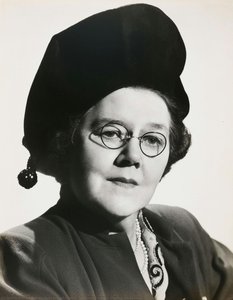
alfred noel joseph rubie
1901 - 1975 , Australia
Основные сведения
- Artistic Movement Or Style: Post-Impressionism
- Artists Or Movements Influenced By This Artist:
- Post-Impressionism
- Art Nouveau
- Artists Who Influenced This Artist:
- Edgar Degas
- Vincent van Gogh
- Date Of Birth: December 29, 1864
- Date Of Death: October 27, 1901
- Full Name: Henri de Toulouse-Lautrec
- Nationality: French
- Notable Artworks:
- Moulin Rouge poster
- At the Moulin Rouge
- Jane Avril
- Place Of Birth: Montpellier, France