

 Предпросмотр
 Поделиться
 Поделиться
 Детали произведения

 Скачать
 Похожие работы
 Рентгенография
 Слайд-шоу
 Статистика
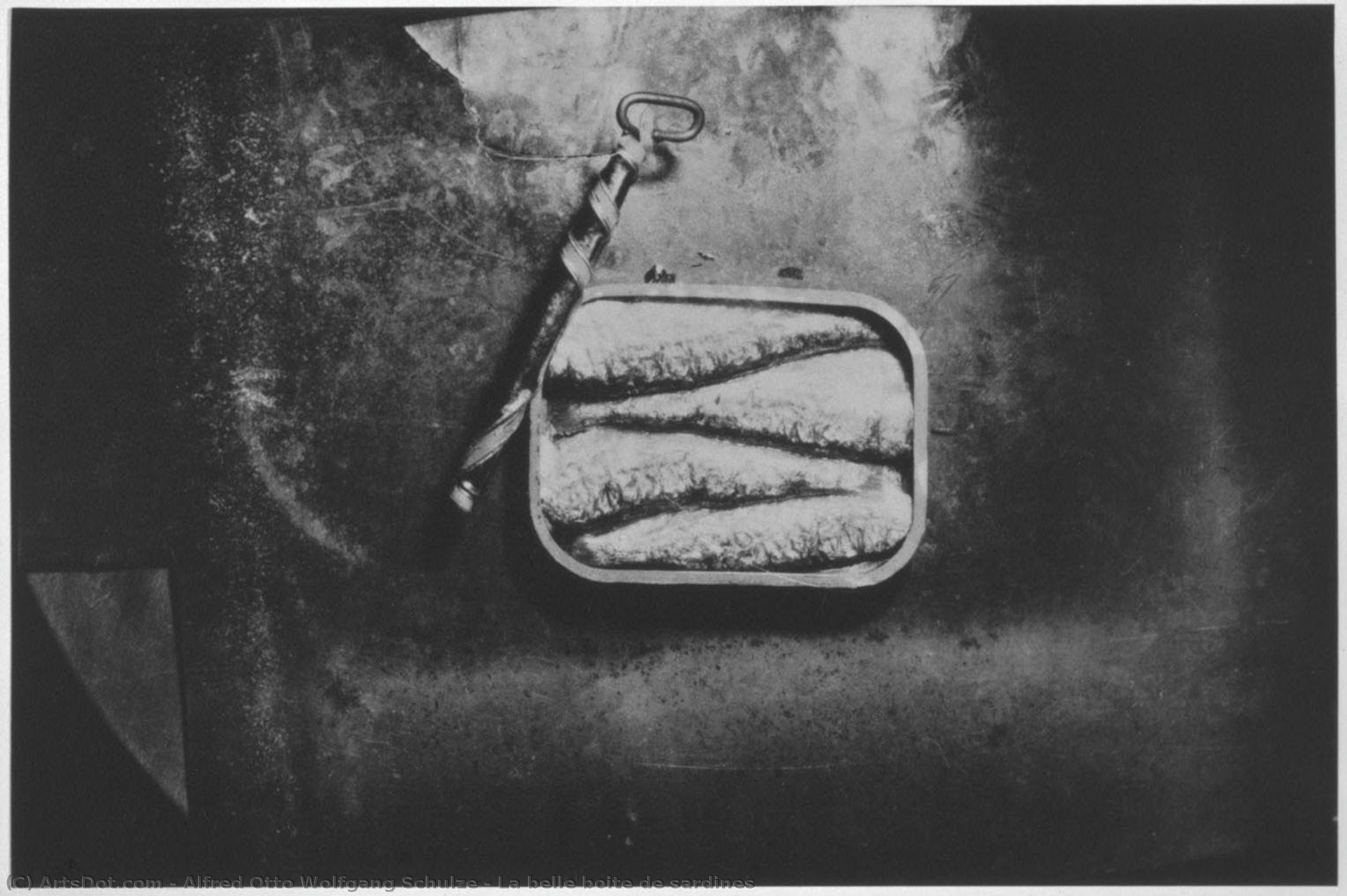
La belle boite de sardines

 Читать далее
Жикле / Арт-принт
Печать (жикле) или холст музейного качества с быстрыми сроками изготовления и широким выбором вариантов отделки. ( Купить картину ручной работы Перейти к цифровым изображениям)




































Выберите один из наших стандартных размеров, соответствующих оригинальным пропорциям произведения искусства.

Вы можете указать свои собственные размеры, чтобы репродукция идеально подошла под конкретную раму или пространство. Если выбранный вами размер не будет соответствовать пропорциям оригинала, мы либо обрежем произведение, либо дополним изображение зеркальным отражением краев или однотонной заливкой. Перед началом производства вам будет отправлен цифровой макет для утверждения.
Пожалуйста, обратите внимание, что предварительный просмотр на экране не отображает фактическую обрезку или расширение изображения. Только макет точно покажет финальную композицию.
Несмотря на возможность заказа индивидуальных размеров, мы рекомендуем выбирать размер из предопределенного списка, чтобы сохранить оригинальные пропорции.
Доставка по всему миру () за 2 недели вместо стандартных 4/5 недель. (12 Сентябрь)

Бесплатная экспресс-доставка по всему миру

Высококачественный льняной холст

Полное страхование доставки

Гарантия возмещения таможенных пошлин

Гарантия точного соответствия цветов

100-дневная политика возврата (только при обнаружении дефектов)

Гарантия возврата 100% средств

Предложение оптовых скидок
 Вариант со стеклом доступен только для размеров менее 110 см

La belle boite de sardines
Жикле / Арт-принт
Размер репродукции
-


Итоговая стоимость
$ 62
Похожие произведения





Биография художника
A Life Shrouded in Mystery: The World of Wols
Alfred Otto Wolfgang Schulze, known to the world as Wols, remains a captivating enigma within 20th-century art history. Born in Berlin in 1913 into an affluent family with strong artistic connections – his father was a civil servant and patron who befriended artists like Otto Dix – Wols’s path wasn't one of conventional training but rather a restless exploration fueled by personal trauma, philosophical inquiry, and a unique visual sensibility. His early life in Dresden fostered a love for painting, particularly the works of Klee, Dix, and Grosz, yet it was photography that initially captured his attention, becoming a crucial tool for observing and interpreting the world around him. The family’s move to Paris in 1932, encouraged by László Moholy-Nagy, proved pivotal, immersing the young artist in the heart of the avant-garde scene. However, the looming shadow of Nazism would irrevocably alter his trajectory.From Photography to Abstraction: A Journey Through Form
Wols’s artistic development was anything but linear. He initially established himself as a portrait photographer in Paris during the 1930s, gaining recognition for his striking and often unconventional images. These photographs weren't merely representations; they were psychological studies, capturing the essence of his subjects with an almost unsettling intimacy. The outbreak of World War II forced Wols into internment camps, a harrowing experience that profoundly impacted his artistic expression. It was during this period of confinement that he began to draw and paint prolifically in watercolor, creating surrealist works reflecting the anxieties and isolation of his situation. Following the war, René Drouin championed Wols’s burgeoning painting career, organizing an exhibition in 1947 that brought him wider attention. This marked a turning point, as Wols fully embraced abstraction, developing a distinctive style characterized by layered textures, spontaneous gestures, and a profound sense of emotional depth. He referred to his work as 'Zirkus Wols', hinting at the chaotic energy and unpredictable nature of his creative process.The ‘Tache’ and Beyond: Defining an Aesthetic
Wols is widely considered a pioneer of lyrical abstraction and one of the most influential figures in the Tachisme movement, though he resisted easy categorization. His signature technique involved applying paint to canvas with remarkable freedom – often using brushes, palette knives, or even his bare hands – creating what became known as ‘taches’ (stains). These weren't random splatters but carefully considered gestures imbued with emotional weight and symbolic meaning. He would then manipulate the surface, scraping away layers of paint to reveal underlying colors and textures, resulting in richly complex compositions that evoke a sense of both chaos and control. His work shares affinities with Abstract Expressionism, yet it possesses a uniquely European sensibility, rooted in existentialist philosophy and a deep engagement with the human condition. Beyond painting, Wols continued to explore photography and graphic art, creating etchings that demonstrate his mastery of line and form.A Lasting Legacy: Influence and Historical Significance
Despite achieving limited recognition during his lifetime – he struggled with poverty and alcoholism, dying prematurely in 1951 at the age of 38 – Wols’s influence on post-war art has been immense. His work paved the way for Art Informel and other abstract movements that prioritized spontaneity, gesture, and emotional expression. He was a key figure represented in the first three documenta exhibitions (1955, 1959, and 1964) and at the Venice Biennale in 1958, solidifying his place within the canon of modern art. Wols’s writings, collected in *Aphorismes de Wols*, offer valuable insights into his artistic philosophy, emphasizing the importance of seeing beyond appearances and embracing the ambiguity of existence. Today, his paintings, photographs, and etchings are held in major museum collections worldwide, continuing to inspire artists and captivate audiences with their raw emotional power and enduring mystery. His unique approach to abstraction—a blend of spontaneity, control, and philosophical depth—continues to resonate deeply within contemporary artistic practice.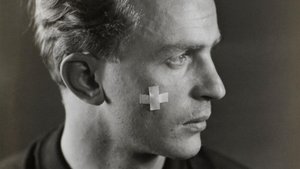
alfred otto wolfgang schulze
1913 - 1951 , Germany
Основные сведения
- Artistic Movement Or Style:
- Lyrical Abstraction
- Tachisme
- Artists Or Movements Influenced By This Artist: ['Art Informel']
- Artists Who Influenced This Artist:
- Otto Dix
- Paul Klee
- Date Of Birth: May 27, 1913
- Date Of Death: September 1, 1951
- Full Name: Alfred Otto Wolfgang Schulze
- Nationality: German
- Notable Artworks:
- Untitled, Number 14
- Regard halluciné
- Untitled
- Place Of Birth: Berlin, Germany