

 Поделиться
 Поделиться
 Детали произведения

 Скачать
 Похожие работы
 Слайд-шоу
 Статистика
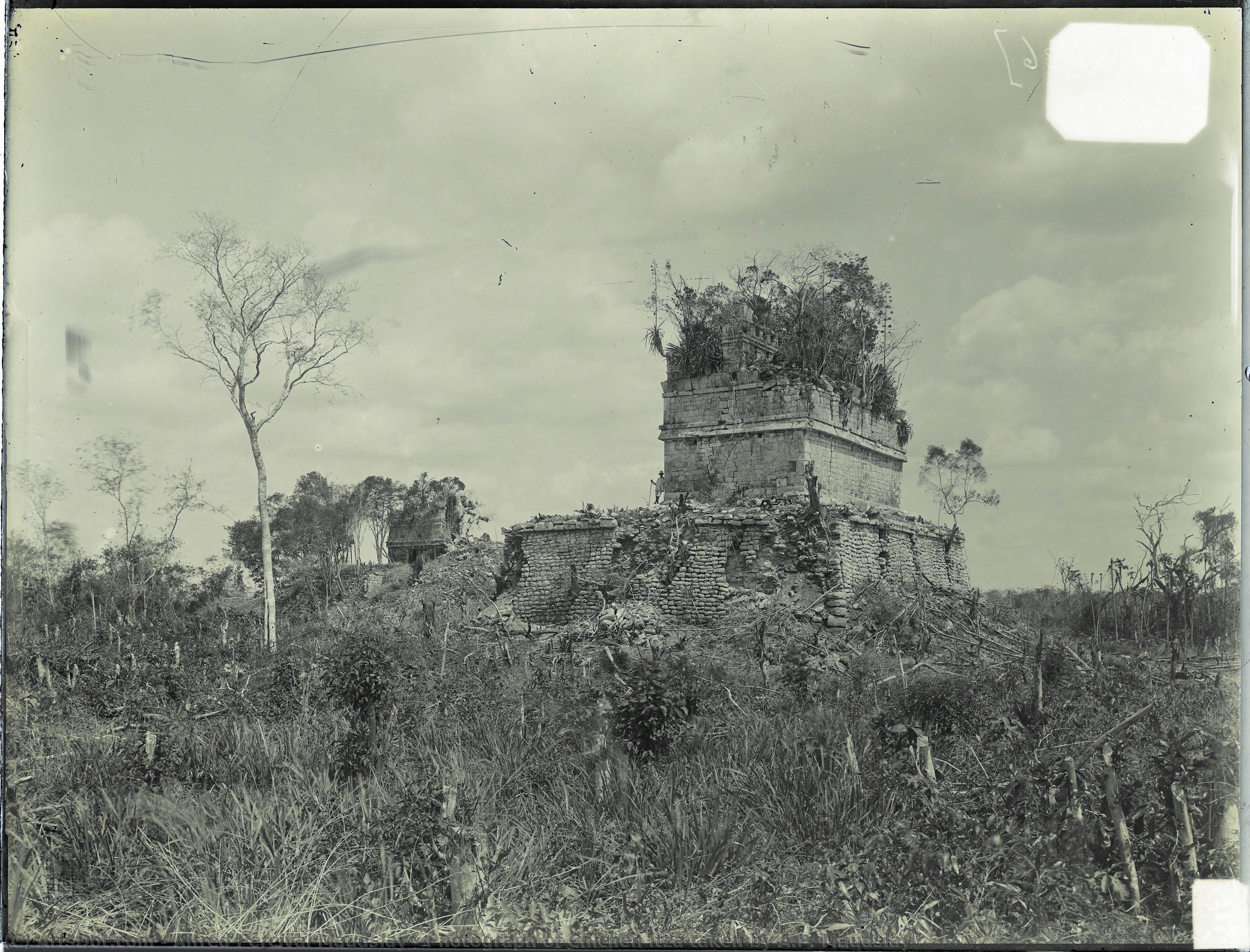
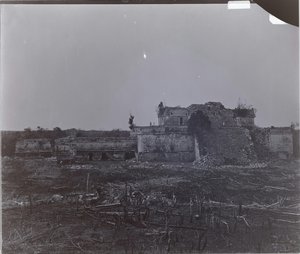
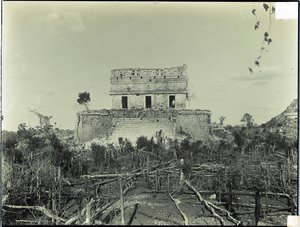
Photograph of Chichén Itzá taken by A.P. Maudslay
 Giclée Print
- Digital
- Documentary Photography
 1894
1894 16.0 x 21.0 cm
 Британский музей
 Читать далее
Масляная репродукция ручной работы
Картина маслом на холсте в выбранном вами размере и раме, написанная на заказ нашими художниками. ( Перейти к печати Перейти к цифровым изображениям)
































Выберите один из наших стандартных размеров, соответствующих оригинальным пропорциям произведения искусства.

Вы можете указать собственные размеры, чтобы картина идеально вписалась в выбранную раму или пространство. Если выбранный вами размер не соответствует пропорциям оригинала, мы либо обрежем полотно, либо расширим его за счет дополнительных элементов, написанных вручную. Цифровой макет будет отправлен вам на утверждение перед началом производства.
Обратите внимание, что предварительный просмотр на экране не отражает фактическую обрезку или расширение. Только макет точно покажет окончательную композицию.
Хотя доступны индивидуальные размеры, мы рекомендуем выбирать вариант из предопределенного списка, чтобы сохранить исходные пропорции.
После оформления заказа команда ArtsDot.com свяжется с клиентом по электронной почте для уточнения деталей и предоставит предварительный макет
Доставка по всему миру () за 3–4 недели вместо стандартных 5 недель. (13 Сентябрь). Без компромиссов в качестве.

Бесплатная экспресс-доставка по всему миру

Высококачественный льняной холст

Полное страхование доставки

Гарантия возмещения таможенных пошлин

Гарантия точного соответствия цветов

100-дневная политика возврата (только при обнаружении дефектов)

Гарантия возврата 100% средств

Предложение оптовых скидок
 Вариант со стеклом доступен только для размеров менее 110 см

Photograph of Chichén Itzá taken by A.P. Maudslay
Техника репродукции
Размер репродукции
-


Итоговая стоимость
$ 263
A Window Into Ancient Majesty: Alfred Maudslay’s Chichén Itzá Photograph
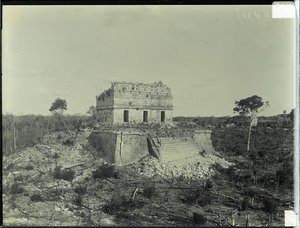
The photograph presented here – “Photograph of Chichén Itzá taken by A.P. Maudslay” – is far more than a simple depiction of an ancient Mayan ruin; it's a meticulously crafted portal into the late 19th century, a testament to the burgeoning field of archaeological exploration, and a poignant reminder of a civilization’s enduring legacy etched in stone. Captured in stark black and white during 1894, this remarkable wet collodion image by British colonial administrator and archaeologist Alfred Percival Maudslay offers an extraordinarily detailed and evocative view of Chichén Itzá – the sprawling Mayan city nestled within the Yucatán Peninsula of Mexico. The photograph immediately draws the eye to a monumental stone structure, likely a temple or fortress, dominating the frame with its weathered walls and subtly crumbling grandeur. It’s a scene imbued with a palpable sense of history, decay, and the thrill of discovery—a feeling that speaks volumes about Maudslay's pioneering work.
Maudslay’s compositional choices are deliberate and profoundly effective. He employs a horizontal format, immediately establishing a sense of awe and scale by emphasizing the breadth of the ruins. The central stone structure is positioned with careful precision, anchoring the composition while simultaneously inviting the viewer to wander through the surrounding vegetation. Foreground elements—uneven ground and sparse foliage—serve as a subtle guide, leading the eye deeper into the scene and creating an illusion of vastness, mirroring the scale of the ancient city itself. The photograph’s monochrome palette – a carefully controlled range of grays – amplifies this effect, lending it an antique and historical feel that transcends mere documentation.
The Pioneer: Alfred Percival Maudslay and His Method
Understanding the context of this image is crucial to appreciating its significance. Alfred Percival Maudslay wasn’t simply a photographer; he was a meticulous scholar, a colonial administrator with a deep fascination for Central American cultures, and a true pioneer in archaeological methodology. His early career involved extensive travel throughout the British Pacific colonies – Fiji, Tonga, Samoa – where he honed his observational skills and developed a keen eye for detail. It was during these years that he began to recognize the importance of documenting ancient sites before they were irrevocably altered by time or development.
Maudslay’s approach to photography was remarkably innovative for its time. He utilized wet collodion, a complex photographic process requiring immediate exposure and careful processing – a technique that demanded immense skill and patience. This method produced images with a unique tonal range and texture, lending them an almost tactile quality. Furthermore, he didn't simply record the ruins; he actively engaged with them, employing techniques like plaster casting to preserve intricate carvings and hieroglyphs, ensuring their survival for future generations. His collaboration with Lorenzo Giuntini, an Italian expert in archaeological restoration, further enhanced his ability to document and analyze the site’s architectural details.
Symbolism and the Echoes of a Lost Civilization
Beyond its technical brilliance, the photograph is rich in symbolic meaning. The imposing stone structure itself represents the enduring power and sophistication of the Mayan civilization – a culture that flourished for centuries before mysteriously declining. The weathered walls, hinting at time’s relentless passage, evoke a sense of melancholy and loss, reminding us of the impermanence of human endeavors. Yet, amidst this decay, there's also an undeniable beauty—a testament to the artistry and ingenuity of the Mayan people.
The inclusion of the surrounding vegetation – a mix of dense jungle foliage – adds another layer of interpretation. It symbolizes the inextricable link between humanity and nature, highlighting how the ancient city was seamlessly integrated into its natural environment. The photograph subtly suggests that Chichén Itzá wasn’t merely built; it grew out of the landscape, becoming an integral part of the Mayan worldview.
A Legacy in Monochrome: Reproduction and Artistic Value
Reproduced today as a high-quality giclee print, “Photograph of Chichén Itzá taken by A.P. Maudslay” retains its captivating power. The subtle tonal variations, achieved through the wet collodion process, are faithfully reproduced, capturing the nuances of light and shadow that define the image’s atmosphere. This artwork serves as a valuable window into a bygone era, offering a glimpse into the life and work of a remarkable explorer and archaeologist. It's not just a beautiful image; it’s a historical artifact—a tangible connection to one of the world’s most enigmatic civilizations.
Whether adorning a study, a gallery wall, or an interior space, this photograph evokes a sense of timelessness and wonder, inviting contemplation on the rise and fall of empires and the enduring legacy of human creativity.
Похожие произведения
Биография художника
Ранние годы и образование
Альфред Персиваль Модсли, британский колониальный администратор и выдающийся археолог, родился 18 марта 1850 года в Лондоне в состоятельной семье. Его путь к науке начался в стенах Тринити-холла в Кембридже, где он изучал естественные науки и в 1872 году получил степень бакалавра.Карьера и путешествия
Первоначальные планы Модсли, связанные с медицинской карьерой, были отложены, когда он отправился в масштабное путешествие вместе со своим братом, пересекая Центральную Америку, Мексику и некоторые регионы Соединенных Штатов. Именно это странствие пробудило в нем неугасающий интерес к археологии, который впоследствии определил его историческое наследие. Вернувшись домой, Модсли вновь отложил учебу в медицинской школе, чтобы совершить поездку в Исландию в 1873 году. Позже хронический бронхит вынудил его искать более теплый климат, что привело к череде должностей на Ямайке, Тринидаде и, в конечном итоге, в южной части Тихого океана.Археологический вклад
Время, проведенное Модслом в британских тихоокеанских колониях, заложило прочный фундамент для его будущих археологических изысканий. Он увлекся сбором этнографического материала, что со временем внесло неоценимый вклад в формирование Университетского музея археологии и этнологии в Кембридже. Его друг, орнитолог Осберт Салвин, вдохновил Модсли на исследование руин майя в Киригуа и Копане.Значимые достижения
- Модсли стал первым исследователем, подробно описавшим памятник Яшчилан.
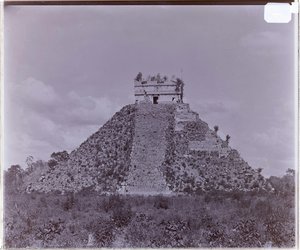
- В 1880-х годах он провел исследования в Чичен-Ице, создав обширный цикл уникальных фотографий.
- Опубликовал первое подробное описание Чичен-Ицы в своем фундаментальном труде «Biologia Centrali-Americana».
- Выполнил полный перевод с аннотациями «Истории» Берналя Диаса дель Кастильо, которая по сей день остается эталонным английским изданием.
Художественное наследие
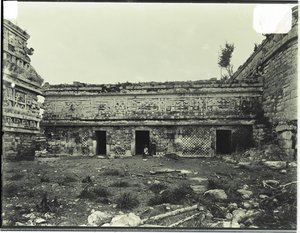
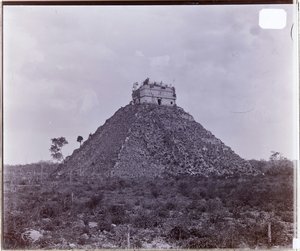
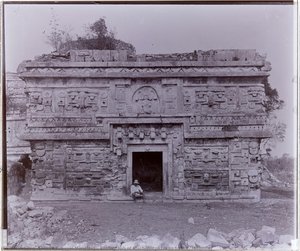
Фотографии и труды Модсли были бережно сохранены временем, предлагая нам уникальную возможность заглянуть в мир археологии XIX века. Его работы можно найти в различных музеях мира, включая Британский музей (Лондон, Великобритания), где хранится несколько его бесценных фотографий.- фотография Чичен-Ицы, сделанная А. П. Модсли (16 x 21 см, Британский музей, фотография)
- фотография Чичен-Ицы, сделанная А. П. Модсли (25 x 30 см, Британский музей, фотография)
- фотография Копана, сделанная А. П. Модсли (31 x 25 см, Британский музей, фотография)
Заключение
Наследие Альфреда Персиваля Модсли — это истинное свидетельство силы человеческого любопытства и духа открытий. Пройдя путь от колониального администратора до великого археолога, Модсли оставил после себя работу, которая продолжает вдохновлять и просвещать исследователей по всему миру.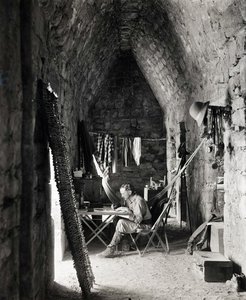
Альфред Персиваль Модсли
1850 - 1931 , Великобритания
Основные сведения
- Artistic Movement Or Style: Археология/Фотография
- Date Of Birth: 1850
- Date Of Death: 1931
- Full Name: Альфред Персиваль Модсли
- Nationality: Британский
- Notable Artworks: ['Фотография Чичен-Ицы']
- Place Of Birth: Лондон, Великобритания
Похожие статьи

Альфред Муннингс: 25 шедевров британского импрессионизма для вашего интерьера | ArtsDot
Погрузитесь в мир Альфреда Муннингса! 25 шедевров британского импрессионизма, запечатлевших красоту лошадей и сельской Англии. Репродукции картин высокого качества для вашего интерьера на ArtsDot.com.
Alfred Henry Maurer: Reassessing the Pioneer of American Modernist Abstraction
Explore the groundbreaking work of Alfred Henry Maurer, a pivotal figure in American Modernism. Discover his Fauvist & Cubist paintings and understand his lasting influence on abstract art. Expert analysis for collectors.
Alfred Wallis: Rediscovering the Naïve Visionary of Cornish Life
Discover the captivating world of Alfred Wallis, the self-taught Cornish painter championed by modernists. Explore his unique naive style, maritime scenes & lasting legacy with ArtsDot.
Hubert Robert: Picturing Ruins, Preserving Memory – A Study of Romantic Antiquarianism & Artistic Innovation
Explore the captivating world of Hubert Robert, master of Romantic landscape painting & 'capriccio' ruins. Discover his historical context, artistic innovations, and collecting insights with ArtsDot.
Alfred Stevens: Capturing Parisian Elegance & Fin-de-Siècle Intimacy
Discover the captivating world of Alfred Stevens, master of Parisian elegance & intimate portraiture. Explore his techniques, influences, and legacy – a prized collection for discerning art enthusiasts.