

 Предпросмотр
 Поделиться
 Поделиться
 Детали произведения

 Скачать
 Похожие работы
 Рентгенография
 Слайд-шоу
 Статистика
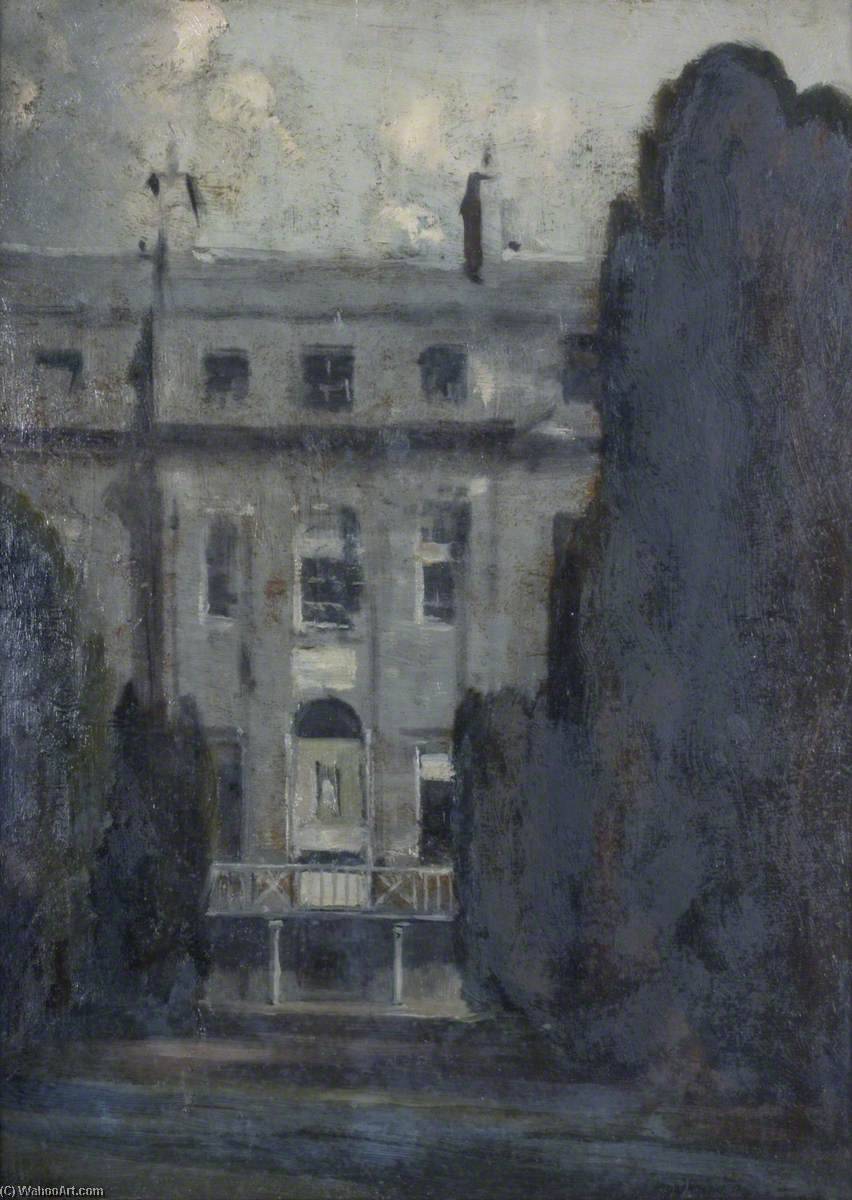
Near Waterford
 1894
1894 34.0 x 25.0 cm
 Читать далее
Жикле / Арт-принт
Печать (жикле) или холст музейного качества с быстрыми сроками изготовления и широким выбором вариантов отделки. ( Купить картину ручной работы Перейти к цифровым изображениям)




































Выберите один из наших стандартных размеров, соответствующих оригинальным пропорциям произведения искусства.

Вы можете указать свои собственные размеры, чтобы репродукция идеально подошла под конкретную раму или пространство. Если выбранный вами размер не будет соответствовать пропорциям оригинала, мы либо обрежем произведение, либо дополним изображение зеркальным отражением краев или однотонной заливкой. Перед началом производства вам будет отправлен цифровой макет для утверждения.
Пожалуйста, обратите внимание, что предварительный просмотр на экране не отображает фактическую обрезку или расширение изображения. Только макет точно покажет финальную композицию.
Несмотря на возможность заказа индивидуальных размеров, мы рекомендуем выбирать размер из предопределенного списка, чтобы сохранить оригинальные пропорции.
Доставка по всему миру () за 2 недели вместо стандартных 4/5 недель. (12 Сентябрь)

Бесплатная экспресс-доставка по всему миру

Высококачественный льняной холст

Полное страхование доставки

Гарантия возмещения таможенных пошлин

Гарантия точного соответствия цветов

100-дневная политика возврата (только при обнаружении дефектов)

Гарантия возврата 100% средств

Предложение оптовых скидок
 Вариант со стеклом доступен только для размеров менее 110 см

Near Waterford
Жикле / Арт-принт
Размер репродукции
-


Итоговая стоимость
$ 62
Похожие произведения








Биография художника
A Visionary of Light and Urbanity: The Life of Alfred Robert Hayward
Born in 1875 amidst the burgeoning frontier spirit of Vancouver, British Columbia, Alfred Robert Hayward was a child of both a rugged landscape and a lineage steeped in artistic tradition. His early years were shaped by the industrious atmosphere of his father’s successful lumber business, led by the Scottish immigrant William Hayward. This environment, rich with the textures of nature and the drive of exploration, provided the fertile soil from which Hayward’s exceptional talent for drawing and painting grew. Though he began his journey through self-study and local mentorship, his true artistic awakening occurred far from the Canadian wilderness, as he sought to master the formal rigors of the European tradition.
In 1897, Hayward’s trajectory shifted toward the heart of the art world when he arrived at the Royal Academy School in London. Under the tutelage of masters such as William Ord Kendall and Frank Wilfrid Bacon, he was immersed in the principles of academic realism. This period was transformative, instilling in him a profound respect for meticulous detail, accurate tonal values, and the ability to render subjects with painstaking precision. Hayward did not merely seek to replicate reality; he aimed to capture its soul, using subtle nuances of color and light to evoke deep-seated emotions within his viewers.
The Intersection of Photography and Paint
As Hayward matured as an artist, his work began to reflect a fascinating tension between traditional observation and modern innovation. A defining chapter of his career unfolded in 1908 when he joined the prestigious Slade School of Fine Art. Alongside a cohort of notable contemporaries—including Arthur James Mason and Henry Herbert Armitage—he became part of the experimental collective known as Station Photography. This group sought to revolutionize British art by integrating the sharp, observational eye of photographic techniques with the expressive potential of oil painting.
This period of experimentation allowed Hayward to develop a unique stylistic language. He mastered the ability to blend the clinical accuracy of a photograph with the atmospheric depth of classical painting. His canvases from this era often feature:
- Masterful Chiaroscuro: The dramatic interplay of light and shadow used to sculpt figures and create depth.
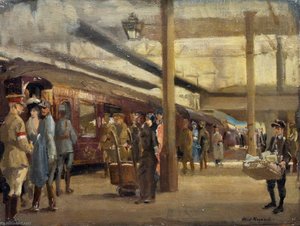
- Urban Realism: A keen eye for the bustling energy of London life, captured in works like The Staff Train at Charing Cross Station.
- Textural Richness: Layered brushstrokes that lend a tactile quality to military uniforms and architectural elements.
A Legacy of Portraiture and Atmosphere
Beyond the rhythmic movement of city life, Hayward’s legacy is anchored by his commanding portraiture. He possessed a rare ability to capture the dignity and psychological weight of his subjects, particularly military figures of high standing. His portraits, such as those of Lieutenant General Sir William T. Furse and General Sir William Riddell Birdwood, serve as timeless windows into the era, rendered with a level of detail that honors both the individual and the historical moment. These works are characterized by an expressive brushwork that breathes life into the stern faces of command.
Even in his more serene compositions, such as In a sunlit garden or his evocative depictions of Venice, Hayward’s commitment to capturing the essence of human experience remains evident. His work bridges the gap between the disciplined realism of the late 19th century and the burgeoning modernism of the early 20th century. Today, through collections in institutions like the Tate and notable auction houses like Christie's, Alfred Robert Hayward is remembered not just as a Canadian expatriate, but as a master of light who found beauty in the structured complexity of the modern world.
alfred robert hayward
1875 - 1971
Основные сведения
- Artistic Movement Or Style: Station Photography
- Artists Who Influenced This Artist:
- George Frederic Watts
- William Ord Kendall
- Date Of Birth: 1875
- Date Of Death: 1971
- Full Name: Alfred Robert Hayward
- Nationality: Canadian
- Notable Artworks:
- Lieutenant General Sir William T. Furse
- Arthur James Mason
- General Sir William Riddell Birdwood
- Place Of Birth: Vancouver, British Columbia