 Предпросмотр
 Поделиться
 Поделиться
 Детали произведения

 Скачать
 Похожие работы
 Рентгенография
 Слайд-шоу
 Статистика
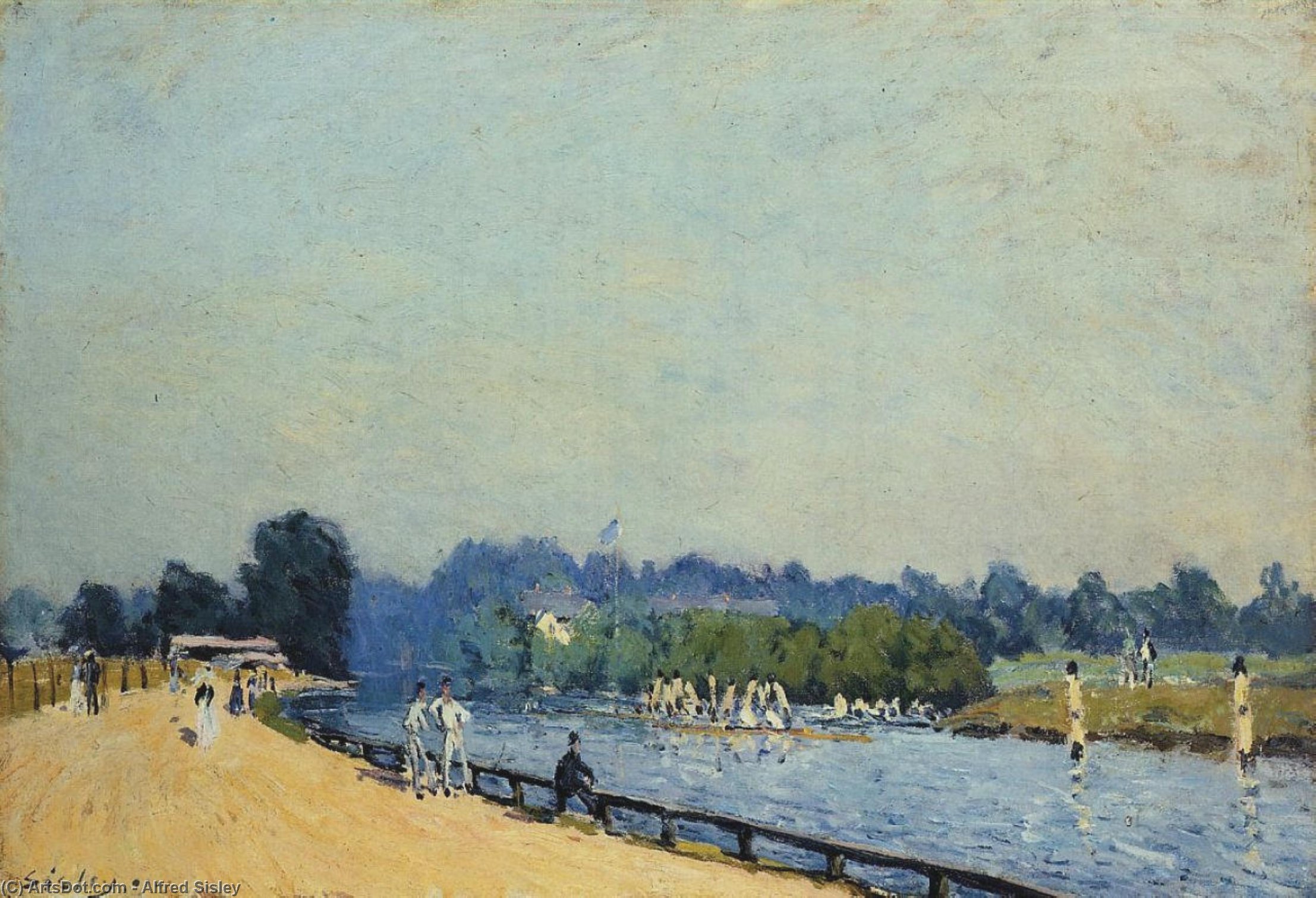
Road from Hampton Court
 Oil On Canvas
- WallArt
- Impressionism
 1874
1874- 19th Century
 38.0 x 55.0 cm
 Читать далее
Масляная репродукция ручной работы
Картина маслом на холсте в выбранном вами размере и раме, написанная на заказ нашими художниками. ( Перейти к печати Перейти к цифровым изображениям)




P118B $10

P118H $10

P118W $10

P438Z $10

P508JH $12

P508YH $12

P805H $10

P805Z $10

P919BZ $10

P919G $10

P919XJ $10

P959ZH $10

P968JZ $12

W106C $8

W218G $10

W218JH $8

W218Y $10

W307PJ $10

W316G $10

W316PJ $8

W316Y $10

W398PJ $8

W4111J $10

W500HY $15

W500JH $15

W692G $12

W849H $8

W940BG $15

W953PJ $8




Выберите один из наших стандартных размеров, соответствующих оригинальным пропорциям произведения искусства.

Вы можете указать собственные размеры, чтобы картина идеально вписалась в выбранную раму или пространство. Если выбранный вами размер не соответствует пропорциям оригинала, мы либо обрежем полотно, либо расширим его за счет дополнительных элементов, написанных вручную. Цифровой макет будет отправлен вам на утверждение перед началом производства.
Обратите внимание, что предварительный просмотр на экране не отражает фактическую обрезку или расширение. Только макет точно покажет окончательную композицию.
Хотя доступны индивидуальные размеры, мы рекомендуем выбирать вариант из предопределенного списка, чтобы сохранить исходные пропорции.
После оформления заказа команда ArtsDot.com свяжется с клиентом по электронной почте для уточнения деталей и предоставит предварительный макет
Доставка по всему миру () за 3–4 недели вместо стандартных 5 недель. (11 Сентябрь). Без компромиссов в качестве.

Бесплатная экспресс-доставка по всему миру

Высококачественный льняной холст

Полное страхование доставки

Гарантия возмещения таможенных пошлин

Гарантия точного соответствия цветов

100-дневная политика возврата (только при обнаружении дефектов)

Гарантия возврата 100% средств

Предложение оптовых скидок
 Вариант со стеклом доступен только для размеров менее 110 см

Road from Hampton Court
Техника репродукции
Размер репродукции
-


Итоговая стоимость
$ 263
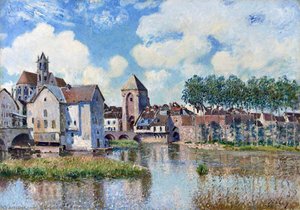
A Moment Frozen in Light: The Essence of Sisley’s Vision
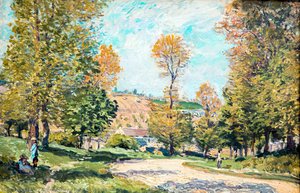
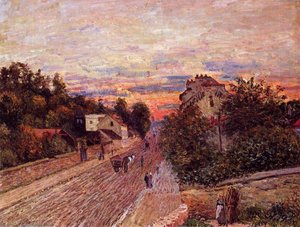
In the delicate dance of light and shadow that defines the Impressionist era, few works capture the quiet joy of a summer afternoon as tenderly as Alfred Sisley’s The Road from Hampton Court. Painted in 1874, this exquisite oil on canvas serves as a window into a world where time seems to slow down, inviting the viewer to step onto a sun-drenched path beside a tranquil waterway. The scene is far more than a mere landscape; it is a masterful orchestration of atmosphere, where the gentle movement of boats upon the water and the presence of horses and figures create a rhythmic pulse of life. Sisley, a master of the serene, utilizes his unique perspective to transform an everyday moment of leisure into a timeless poetic expression.
The composition draws the eye through a carefully balanced arrangement of elements that evoke a profound sense of peace. As one gazes upon the canvas, the presence of people gathered near the water’s edge suggests a shared experience of beauty, a collective pause in the rush of modern life. The inclusion of boats drifting lazily and horses grazing or moving along the road adds layers of narrative depth, hinting at the pastoral rhythms that characterized the outskirts of London during this period. For the collector or interior designer, this painting offers an unparalleled sense of tranquility, making it a sophisticated centerpiece for any space seeking to evoke calm and elegance.
Technique and the Impressionist Spirit
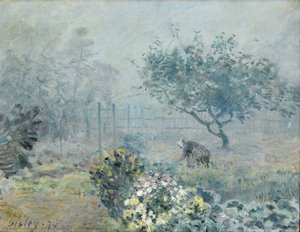
To understand the brilliance of The Road from Hampton Court, one must look closely at Sisley’s brushwork and his revolutionary approach to color. Eschewing the rigid lines of traditional academic painting, Sisley employs the quintessential Impressionist technique: short, broken strokes of pigment that allow colors to blend optically in the eye of the beholder. This method is particularly effective in capturing the shimmering quality of light reflecting off the water and the dappled sunlight filtering through the atmosphere. The palette is a harmonious blend of soft blues, verdant greens, and warm, sun-kissed tones, all working in concert to replicate the fleeting sensation of a bright, clear day.
The artist’s ability to convey texture—the weight of the water, the softness of the sky, and the earthy reality of the road—is nothing short of extraordinary. Unlike his contemporaries who might focus on dramatic tension, Sisley finds his strength in subtlety. There is a rhythmic fluidity to his application of paint that mirrors the movement of the river itself. This technical mastery ensures that the painting does not merely represent a scene but recreates the very feeling of being present within it, breathing the fresh air of the riverside and feeling the warmth of the sun upon one's skin.
A Legacy of Serenity for the Modern Collector
Historically, this work stands as a testament to the transformative power of the Impressionist movement. Emerging from a period of great social change in France and England, artists like Sisley sought to find beauty in the ephemeral. The Road from Hampton Court embodies this search, offering a sanctuary of stillness amidst the complexities of the modern world. It is a piece that resonates deeply with those who appreciate the nuances of nature and the quiet dignity of the landscape.
For those looking to adorn a home or gallery with a high-quality reproduction, this painting provides an opportunity to possess a fragment of art history. A hand-painted reproduction of this caliber allows the delicate textures and luminous colors of Sisley’s original vision to be experienced in a contemporary setting. Whether placed in a sunlit study or a grand living room, the painting acts as an emotional anchor, bringing a sense of historical depth, artistic sophistication, and an enduring, peaceful light to any interior design scheme.
Похожие произведения
Биография художника
A Life Immersed in Light and Landscape
Alfred Sisley, a name often whispered alongside those of Monet, Renoir, and Pissarro, occupies a unique and profoundly beautiful space within the Impressionist movement. Born in Paris on October 30, 1839, to British parents—William Sisley, a silk merchant, and Felicia Sell, a music enthusiast—he carried a dual heritage that subtly informed his artistic vision. Though he would spend nearly his entire life in France, Sisley retained British citizenship, a fact that brought him personal disappointment later in life when applying for French naturalization was refused. His early years were comfortably bourgeois, affording him the opportunity to pursue studies initially intended for a commercial career in London at the age of eighteen. However, the allure of art proved too strong, and he returned to Paris in 1861, embarking on formal training under Swiss artist Marc-Charles-Gabriel Gleyre at the École des Beaux-Arts. It was here, amidst the burgeoning artistic ferment of the era, that Sisley forged crucial friendships with Monet, Renoir, and Bazille—relationships that would profoundly shape his artistic trajectory. These companions shared a rebellious spirit, rejecting the rigid conventions of academic painting in favor of capturing the fleeting effects of light and atmosphere directly from nature.The Quiet Master of Impressionism
Sisley’s dedication to *plein air* painting—working outdoors, directly observing the natural world—was unwavering. Unlike some of his contemporaries who experimented with diverse genres, Sisley remained steadfastly committed to landscape throughout his career. This focused devotion allowed him to refine a distinctive style characterized by tranquility, delicate color palettes, and a subtle rendering of light. His canvases are often awash in pale shades of green, pink, purple, dusty blue, and cream, creating an atmosphere of serene contemplation. While the early works remain largely lost to time, his mature paintings reveal a meticulous observation of nature combined with a poetic sensibility. He wasn’t interested in grand narratives or dramatic gestures; instead, he found beauty in the everyday—in the gentle flow of rivers, the dappled light filtering through trees, and the quiet charm of rural life. His early struggles for recognition were compounded by his father's financial difficulties following the Franco-Prussian War in 1870, forcing Sisley to rely solely on the sale of his art for sustenance—a precarious existence that shadowed much of his career. He was a true Impressionist, but one who often labored in relative obscurity during his lifetime.Rivers, Canals, and the Essence of Place
Recurring themes permeate Sisley’s oeuvre, most notably his fascination with water. River landscapes became a signature subject, exemplified by his series of paintings created during a trip to England in 1874 along the Thames near Molesey. These works, capturing the tranquil beauty of the river and its surroundings, are considered among his finest achievements—a “perfect moment of Impressionism,” as art historian Kenneth Clark described them. He also developed a deep connection with Moret-sur-Loing, where he lived for many years, immortalizing its canals, bridges, and surrounding countryside in numerous canvases. Paintings like "Watermill near Moret," "Barges on the Loing Canal, Spring", and “Fields around the Forest” showcase his ability to imbue ordinary scenes with a sense of poetic grace. He didn’t merely depict these places; he captured their *essence*, conveying not just what they looked like but how they felt—the gentle breeze, the warmth of the sun, the quiet murmur of the water. This sensitivity to atmosphere and mood is perhaps Sisley's most enduring legacy.Influences and a Lasting Legacy
Sisley’s artistic influences were multifaceted. Gleyre’s academic training provided a foundation in technique, while the camaraderie with Monet, Renoir, and Bazille fostered a shared commitment to Impressionist principles. He absorbed their emphasis on capturing fleeting moments of light and atmosphere but developed his own unique voice—one characterized by restraint and subtlety. Though he often labored in relative obscurity during his lifetime, Sisley’s work is now celebrated for its beauty, sensitivity, and unwavering dedication to portraying nature. His influence can be seen in the works of later landscape painters who sought to capture the ephemeral qualities of light and atmosphere with similar nuance. He was a true pioneer, bridging the gap between the traditional Barbizon School, which valued realistic depictions of the French countryside, and the revolutionary Impressionist movement. His paintings offer a glimpse into a rapidly changing world—a world on the cusp of modernity—and remind us of the enduring power of art to capture the beauty and tranquility that can be found even in the most humble of landscapes. He stands as a testament to the power of quiet observation, demonstrating that true artistic mastery lies not in grand gestures but in the ability to reveal the extraordinary beauty hidden within the ordinary world.Historical Significance
Sisley’s historical significance extends beyond his technical skill and aesthetic sensibility. His unwavering commitment to *plein air* painting, even in the face of financial hardship and critical indifference, paved the way for future generations of artists who sought to break free from academic conventions and embrace a more direct engagement with nature. His paintings offer a glimpse into a rapidly changing world—a world on the cusp of modernity—and remind us of the enduring power of art to capture the beauty and tranquility that can be found even in the most humble of landscapes. He was, and remains, a master of light, atmosphere, and the quiet poetry of the natural world.- Major Themes: Landscapes, riverscapes, canals, rural life, atmospheric effects.
- Key Characteristics: Delicate color palettes, subtle rendering of light, tranquil mood, *plein air* painting.
- Influences: Marc-Charles-Gabriel Gleyre, Claude Monet, Pierre-Auguste Renoir, Frédéric Bazille, Barbizon school painters.
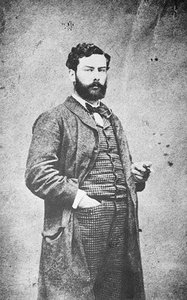
Сислей
1839 - 1899 , Франция
Основные сведения
- Artistic Movement Or Style: Импрессионизм
- Artists Or Movements Influenced By This Artist: ['Барбизонская школа']
- Artists Who Influenced This Artist:
- Глейр
- Моне
- Ренуар
- Date Of Birth: 1839-10-30
- Date Of Death: 1899-01-29
- Full Name: Alfred Sisley
- Nationality: Британско-французский
- Notable Artworks:
- Водяная мельница
- Каналы Лоа
- Поле у леса
- Place Of Birth: Париж, Франция
Похожие статьи

Альфред Муннингс: 25 шедевров британского импрессионизма для вашего интерьера | ArtsDot
Погрузитесь в мир Альфреда Муннингса! 25 шедевров британского импрессионизма, запечатлевших красоту лошадей и сельской Англии. Репродукции картин высокого качества для вашего интерьера на ArtsDot.com.

Топ-10 шедевров импрессионизма: пейзажи, изменившие искусство | ArtsDot
Погрузитесь в мир импрессионизма! Откройте 10 шедевров Моне, Ренуара и других великих художников. Узнайте историю создания культовых пейзажей и вдохновитесь для декора вашего дома. Репродукции картин высокого качества на ArtsDot.com.

Романтический пейзаж: 10 шедевров, изменивших искусство | ArtsDot.com
Погрузитесь в мир романтического пейзажа! 10 шедевров Фридриха, Тёрнера и других гениев. Узнайте историю создания культовых картин и вдохновитесь для декора интерьера. Репродукции высокого качества на ArtsDot.com.

Топ-10 шедевров импрессионизма: пейзажи, изменившие искусство | ArtsDot
Погрузитесь в мир импрессионизма! Откройте топ-10 шедевров Моне, Ренуара и других великих художников. Узнайте историю создания культовых пейзажей и вдохновитесь для декора интерьера. Репродукции картин высокого качества на ArtsDot.com
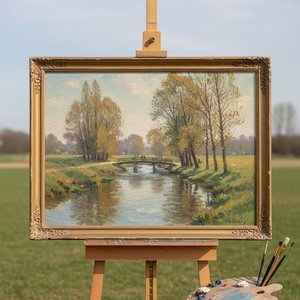
Alfred Sisley: Capturing the Ephemeral Essence of Impressionist Landscape
Explore the life & art of Alfred Sisley, a master of Impressionist landscape painting. Discover his dedication to 'en plein air' techniques and serene depictions of nature. Learn about his legacy & find high-quality reproductions at ArtsDot.