

 Предпросмотр
 Поделиться
 Поделиться
 Детали произведения

 Скачать
 Похожие работы
 Рентгенография
 Слайд-шоу
 Статистика
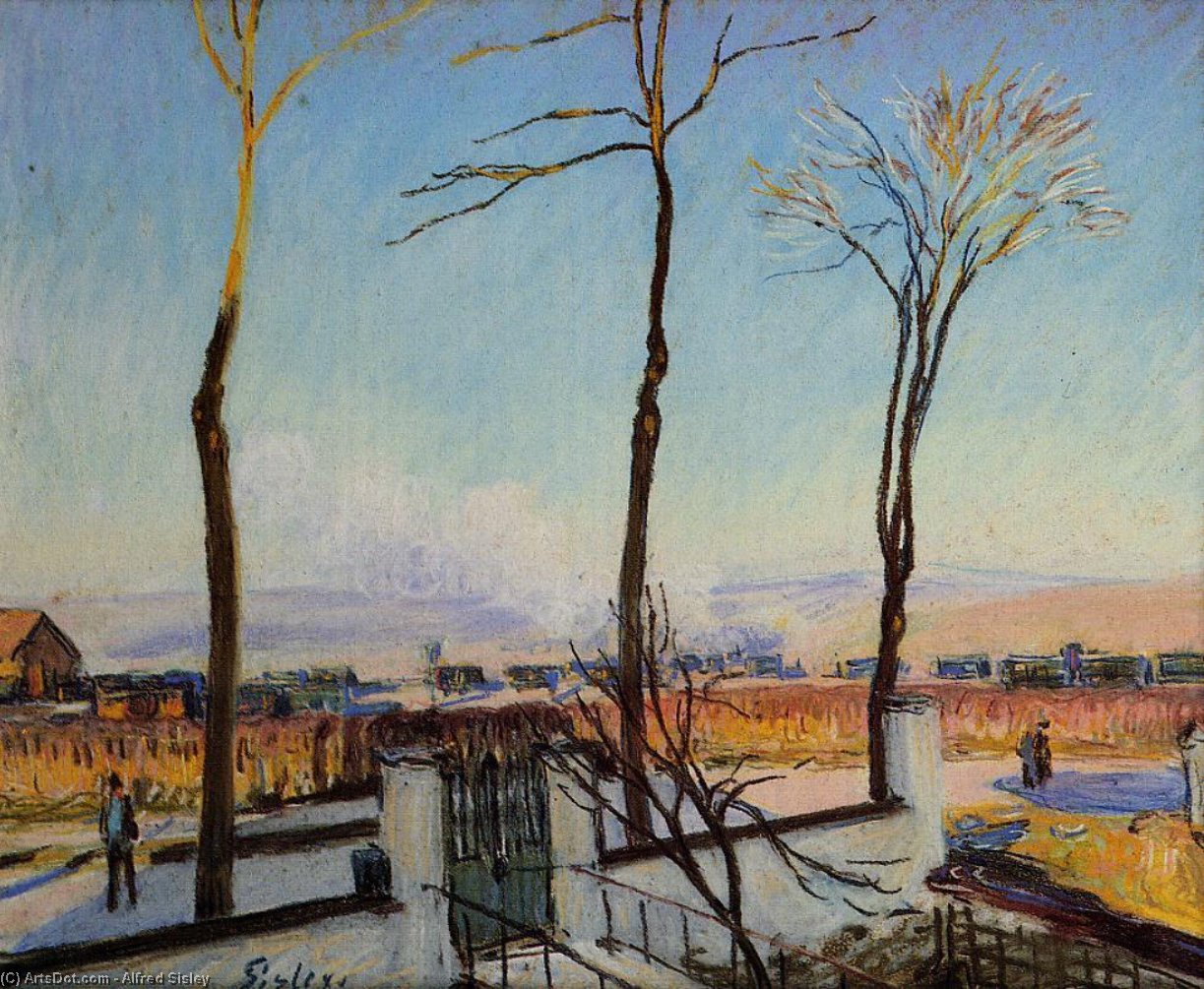
Snow Effect at Moret
 Pastel
- Impressionism
 1894
1894- 19th Century
 46.0 x 55.0 cm
 Читать далее
Приобретите цифровое изображение высокого разрешения в улучшенном качестве, которое значительно превосходит онлайн-превью.
Каждый файл тщательно подготавливается нашими специалистами с использованием передовых инструментов и экспертной ручной ретуши. Мы гарантируем исключительную четкость, точную цветопередачу и детальную проработку каждого изображения.
Финальный файл доставляется по электронной почте в течение 72 часов и оптимизирован для немедленного использования в профессиональной среде, при верстке и печати. Это тот же уровень качества, которому доверяют ведущие дизайнерские студии, издательства и галереи.
Цифровое изображение
Скачайте файл высокого разрешения для личного использования, печати и творческих проектов. ( Перейти к печати Купить картину ручной работы)
Включено в каждый заказ цифровых изображений
Гарантия экспертной цифровой доставки
Выбирая ArtsDot.com, вы получаете не просто изображение — вы приобретаете профессионально обработанное цифровое произведение искусства, созданное с безупречной точностью и под защитой гарантии качества. Вот всё, что автоматически входит в ваш заказ:

Мгновенная доставка по e-mail
Ваш цифровой файл в высоком разрешении будет отправлен вам по электронной почте в течение 72 часов после оформления заказа — и сразу станет доступен для использования.

Цифровой файл с ИИ-улучшением
Ваше произведение искусства проходит профессиональную оптимизацию с использованием передовых инструментов ИИ и ручной обработки, что гарантирует максимальную детализацию, четкость и точность цветопередачи.

Бессрочная бесплатная повторная доставка
Случайно удалили или потеряли файл? Не беспокойтесь — мы отправим его вам повторно в любое время и совершенно бесплатно.

Без импортных пошлин — навсегда
Наслаждайтесь вашим произведением искусства мгновенно без таможенных пошлин, сборов или затрат на доставку — цифровые загрузки всегда не облагаются налогом.

Гарантия точности цветопередачи
Мы гарантируем, что ваше цифровое изображение максимально точно передает оригинальные цвета благодаря использованию профессиональных инструментов и систем управления цветом.

Гарантия удовлетворенности 100 дней
Если вы не будете удовлетворены своим цифровым изображением, мы внесем правки или вернем 100% стоимости в течение 100 дней — без лишних вопросов.

100% Гарантия возврата средств
Не удовлетворены покупкой? Получите полный возврат средств в течение 100 дней после получения цифрового файла — без лишних вопросов.

Скидки на оптовые заказы
Купите 3 изображения, сэкономьте 10% — Купите 5, сэкономьте 15% — Купите 10+, сэкономьте 20%. Отличное решение для творческих проектов, галерей и агентств.
A Winter Serenade in Pastel: The Ethereal World of Alfred Sisley
In the quietude of a winter afternoon, Alfred Sisley captures a moment that feels less like a frozen snapshot and more like a whispered memory. His 1894 masterpiece, Snow Effect at Moret, serves as a profound testament to the Impressionist obsession with the ephemeral. Through a delicate application of pastel tones, Sisley invites us into a landscape where the boundaries between earth and sky blur under a soft, crystalline shroud. The scene is one of profound stillness; the snow-covered ground acts as a pristine canvas, reflecting the subtle nuances of light that define the artist's entire oeuvre. As we gaze upon this work, we are not merely looking at a landscape, but experiencing the very breath of a winter morning in the French countryside.
The technical brilliance of Snow Effect at Moret lies in Sisley’s ability to manipulate texture and light to evoke temperature and atmosphere. Eschewing the heavy, dramatic shadows of traditional landscapes, he employs soft, feathery brushstrokes that mimic the weightless quality of falling snow. The color palette is masterfully muted, utilizing pale blues, creamy whites, and gentle greys to create a sense of depth and dimension without ever breaking the tranquil mood. This technique allows the light to appear as if it is radiating from within the painting itself, capturing that fleeting, magical moment when the sun touches a frost-covered field. For the discerning collector or interior designer, this piece offers a sophisticated balance of luminosity and calm, making it an ideal centerpiece for spaces designed for contemplation and peace.
The Impressionist Soul: Context and Connection
To understand the emotional resonance of this work, one must consider Sisley’s place within the pantheon of the Impressionist movement. While contemporaries like Monet often chased the dramatic transformations of light, Sisley found his genius in the subtle, the serene, and the understated. His life, caught between his British heritage and his French passion, mirrored the delicate duality found in his landscapes—a blend of structured composition and atmospheric fluidity. In Snow Effect at Moret, we see the influence of the Barbizon School’s devotion to nature, refined through the revolutionary lens of Impressionism. The inclusion of small, distant figures wandering through the snowy expanse adds a layer of human narrative, suggesting that even in the coldest seasons, life continues its quiet, rhythmic dance.
For those looking to bring the timeless elegance of 19th-century France into a modern interior, this reproduction offers more than just aesthetic beauty; it offers an emotional sanctuary. The painting’s ability to evoke a sense of "quiet contemplation" makes it a versatile choice for luxury residential projects or curated gallery walls. It stands as a bridge between the historical grandeur of the Musée d'Orsay and the contemporary desire for art that fosters tranquility. Owning a piece of Sisley’s vision is an invitation to slow down, to breathe in the crisp winter air, and to find beauty in the softest, most fleeting moments of our existence.
Похожие произведения
Биография художника
A Life Immersed in Light and Landscape
Alfred Sisley, a name often whispered alongside those of Monet, Renoir, and Pissarro, occupies a unique and profoundly beautiful space within the Impressionist movement. Born in Paris on October 30, 1839, to British parents—William Sisley, a silk merchant, and Felicia Sell, a music enthusiast—he carried a dual heritage that subtly informed his artistic vision. Though he would spend nearly his entire life in France, Sisley retained British citizenship, a fact that brought him personal disappointment later in life when applying for French naturalization was refused. His early years were comfortably bourgeois, affording him the opportunity to pursue studies initially intended for a commercial career in London at the age of eighteen. However, the allure of art proved too strong, and he returned to Paris in 1861, embarking on formal training under Swiss artist Marc-Charles-Gabriel Gleyre at the École des Beaux-Arts. It was here, amidst the burgeoning artistic ferment of the era, that Sisley forged crucial friendships with Monet, Renoir, and Bazille—relationships that would profoundly shape his artistic trajectory. These companions shared a rebellious spirit, rejecting the rigid conventions of academic painting in favor of capturing the fleeting effects of light and atmosphere directly from nature.The Quiet Master of Impressionism
Sisley’s dedication to *plein air* painting—working outdoors, directly observing the natural world—was unwavering. Unlike some of his contemporaries who experimented with diverse genres, Sisley remained steadfastly committed to landscape throughout his career. This focused devotion allowed him to refine a distinctive style characterized by tranquility, delicate color palettes, and a subtle rendering of light. His canvases are often awash in pale shades of green, pink, purple, dusty blue, and cream, creating an atmosphere of serene contemplation. While the early works remain largely lost to time, his mature paintings reveal a meticulous observation of nature combined with a poetic sensibility. He wasn’t interested in grand narratives or dramatic gestures; instead, he found beauty in the everyday—in the gentle flow of rivers, the dappled light filtering through trees, and the quiet charm of rural life. His early struggles for recognition were compounded by his father's financial difficulties following the Franco-Prussian War in 1870, forcing Sisley to rely solely on the sale of his art for sustenance—a precarious existence that shadowed much of his career. He was a true Impressionist, but one who often labored in relative obscurity during his lifetime.Rivers, Canals, and the Essence of Place
Recurring themes permeate Sisley’s oeuvre, most notably his fascination with water. River landscapes became a signature subject, exemplified by his series of paintings created during a trip to England in 1874 along the Thames near Molesey. These works, capturing the tranquil beauty of the river and its surroundings, are considered among his finest achievements—a “perfect moment of Impressionism,” as art historian Kenneth Clark described them. He also developed a deep connection with Moret-sur-Loing, where he lived for many years, immortalizing its canals, bridges, and surrounding countryside in numerous canvases. Paintings like "Watermill near Moret," "Barges on the Loing Canal, Spring", and “Fields around the Forest” showcase his ability to imbue ordinary scenes with a sense of poetic grace. He didn’t merely depict these places; he captured their *essence*, conveying not just what they looked like but how they felt—the gentle breeze, the warmth of the sun, the quiet murmur of the water. This sensitivity to atmosphere and mood is perhaps Sisley's most enduring legacy.Influences and a Lasting Legacy
Sisley’s artistic influences were multifaceted. Gleyre’s academic training provided a foundation in technique, while the camaraderie with Monet, Renoir, and Bazille fostered a shared commitment to Impressionist principles. He absorbed their emphasis on capturing fleeting moments of light and atmosphere but developed his own unique voice—one characterized by restraint and subtlety. Though he often labored in relative obscurity during his lifetime, Sisley’s work is now celebrated for its beauty, sensitivity, and unwavering dedication to portraying nature. His influence can be seen in the works of later landscape painters who sought to capture the ephemeral qualities of light and atmosphere with similar nuance. He was a true pioneer, bridging the gap between the traditional Barbizon School, which valued realistic depictions of the French countryside, and the revolutionary Impressionist movement. His paintings offer a glimpse into a rapidly changing world—a world on the cusp of modernity—and remind us of the enduring power of art to capture the beauty and tranquility that can be found even in the most humble of landscapes. He stands as a testament to the power of quiet observation, demonstrating that true artistic mastery lies not in grand gestures but in the ability to reveal the extraordinary beauty hidden within the ordinary world.Historical Significance
Sisley’s historical significance extends beyond his technical skill and aesthetic sensibility. His unwavering commitment to *plein air* painting, even in the face of financial hardship and critical indifference, paved the way for future generations of artists who sought to break free from academic conventions and embrace a more direct engagement with nature. His paintings offer a glimpse into a rapidly changing world—a world on the cusp of modernity—and remind us of the enduring power of art to capture the beauty and tranquility that can be found even in the most humble of landscapes. He was, and remains, a master of light, atmosphere, and the quiet poetry of the natural world.- Major Themes: Landscapes, riverscapes, canals, rural life, atmospheric effects.
- Key Characteristics: Delicate color palettes, subtle rendering of light, tranquil mood, *plein air* painting.
- Influences: Marc-Charles-Gabriel Gleyre, Claude Monet, Pierre-Auguste Renoir, Frédéric Bazille, Barbizon school painters.
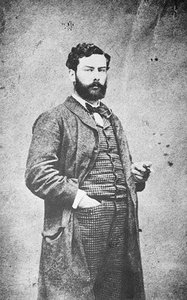
Сислей
1839 - 1899 , Франция
Основные сведения
- Artistic Movement Or Style: Импрессионизм
- Artists Or Movements Influenced By This Artist: ['Барбизонская школа']
- Artists Who Influenced This Artist:
- Глейр
- Моне
- Ренуар
- Date Of Birth: 1839-10-30
- Date Of Death: 1899-01-29
- Full Name: Alfred Sisley
- Nationality: Британско-французский
- Notable Artworks:
- Водяная мельница
- Каналы Лоа
- Поле у леса
- Place Of Birth: Париж, Франция