

 Предпросмотр
 Поделиться
 Поделиться
 Детали произведения

 Скачать
 Похожие работы
 Рентгенография
 Слайд-шоу
 Статистика
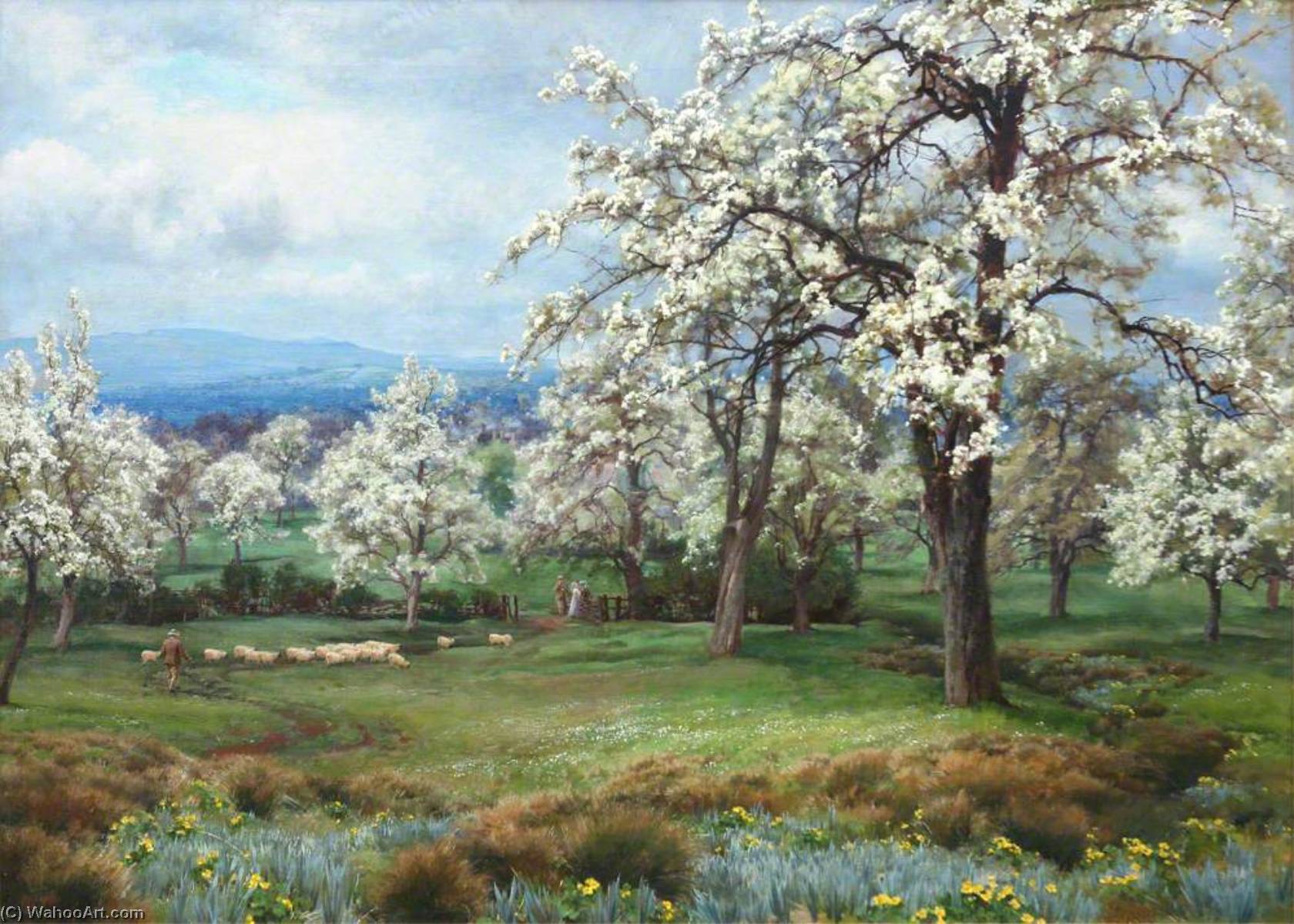
The Pear Orchard
 1903
1903 79.0 x 111.0 cm
 Читать далее
Приобретите цифровое изображение высокого разрешения в улучшенном качестве, которое значительно превосходит онлайн-превью.
Каждый файл тщательно подготавливается нашими специалистами с использованием передовых инструментов и экспертной ручной ретуши. Мы гарантируем исключительную четкость, точную цветопередачу и детальную проработку каждого изображения.
Финальный файл доставляется по электронной почте в течение 72 часов и оптимизирован для немедленного использования в профессиональной среде, при верстке и печати. Это тот же уровень качества, которому доверяют ведущие дизайнерские студии, издательства и галереи.
Цифровое изображение
Скачайте файл высокого разрешения для личного использования, печати и творческих проектов. ( Перейти к печати Купить картину ручной работы)
Включено в каждый заказ цифровых изображений
Гарантия экспертной цифровой доставки
Выбирая ArtsDot.com, вы получаете не просто изображение — вы приобретаете профессионально обработанное цифровое произведение искусства, созданное с безупречной точностью и под защитой гарантии качества. Вот всё, что автоматически входит в ваш заказ:

Мгновенная доставка по e-mail
Ваш цифровой файл в высоком разрешении будет отправлен вам по электронной почте в течение 72 часов после оформления заказа — и сразу станет доступен для использования.

Цифровой файл с ИИ-улучшением
Ваше произведение искусства проходит профессиональную оптимизацию с использованием передовых инструментов ИИ и ручной обработки, что гарантирует максимальную детализацию, четкость и точность цветопередачи.

Бессрочная бесплатная повторная доставка
Случайно удалили или потеряли файл? Не беспокойтесь — мы отправим его вам повторно в любое время и совершенно бесплатно.

Без импортных пошлин — навсегда
Наслаждайтесь вашим произведением искусства мгновенно без таможенных пошлин, сборов или затрат на доставку — цифровые загрузки всегда не облагаются налогом.

Гарантия точности цветопередачи
Мы гарантируем, что ваше цифровое изображение максимально точно передает оригинальные цвета благодаря использованию профессиональных инструментов и систем управления цветом.

Гарантия удовлетворенности 100 дней
Если вы не будете удовлетворены своим цифровым изображением, мы внесем правки или вернем 100% стоимости в течение 100 дней — без лишних вопросов.

100% Гарантия возврата средств
Не удовлетворены покупкой? Получите полный возврат средств в течение 100 дней после получения цифрового файла — без лишних вопросов.

Скидки на оптовые заказы
Купите 3 изображения, сэкономьте 10% — Купите 5, сэкономьте 15% — Купите 10+, сэкономьте 20%. Отличное решение для творческих проектов, галерей и агентств.
Composition and Style
The composition of The Pear Orchard showcases Alfred William Parsons' mastery over his medium. The use of soft colors and delicate brushstrokes creates a dreamy atmosphere, drawing the viewer into the peaceful world of the painting. The artist's attention to detail is evident in the intricate depiction of the trees, flowers, and sheep grazing in the field. Symbolism plays a significant role in The Pear Orchard, as the painting represents the beauty of nature and the simplicity of rural life. The artwork is a testament to Alfred William Parsons' ability to capture the essence of the natural world, inviting viewers to step into the serene atmosphere of the pear orchard.- The painting is characterized by its use of soft colors and delicate brushstrokes.
- The composition showcases Alfred William Parsons' attention to detail and mastery over his medium.
- The Pear Orchard represents the beauty of nature and the simplicity of rural life, making it a significant work in the realm of Symbolism.
For those interested in learning more about Alfred William Parsons and his works, the Musée Réattu in Arles, France, is a great resource. This museum features an impressive collection of artworks, including pieces by renowned artists like Edvard Munch, who created the captivating painting Family. Visit The Museum Musée Réattu (Arles, France) page on ArtsDot to discover more.
Похожие произведения









Биография художника
The Verdant Vision of Alfred William Parsons
In the golden age of Victorian landscape painting, few artists captured the quiet majesty of the English countryside with as much botanical precision and poetic grace as Alfred William Parsons. Born on December 2nd, 1847, in the picturesque village of Beckington, Somerset, Parsons was destined to become a bridge between the worlds of fine art and horticultural science. He descended from a lineage deeply rooted in the earth; his father, Joshua Parsons, was a noted alpinist and a close correspondent to the legendary garden designer William Robinson. This early immersion in the rhythms of nature provided the foundational palette for a career that would eventually define the aesthetic of the English pastoral ideal.
Though his professional journey began far from the easel—serving as a clerk at the Post Office starting in 1867—the call of creative expression proved too potent to ignore. Driven by a desire for a more dynamic existence, Parsons abandoned the sedentary life of bureaucracy to pursue formal training at the prestigious Kensington School of Art. It was here that his technical prowess began to coalesce, blending the meticulous observation required for botanical illustration with the atmospheric sensitivity of landscape painting. His emergence into the London art scene was marked by regular exhibitions at the Royal Academy and the Grosvenor Gallery, establishing him as a vital voice in a community that sought to find divinity in the natural world.
A Symbiosis of Art and Nature
The true brilliance of Parsons lay in his ability to treat the landscape not merely as a backdrop, but as a living, breathing protagonist. His work often functioned as a seamless dialogue between the wildness of nature and the curated beauty of the garden. This dual identity as both an illustrator and a garden designer allowed him to approach his canvases with a unique scientific eye. He was particularly renowned for his fine botanical illustrations, which brought him into close collaboration with William Robinson. Through these works, Parsons helped popularize a style of gardening that favored naturalistic, flowing arrangements over the rigid, formal structures of previous eras.
His artistic technique was characterized by an exquisite use of light and texture. Whether working in oils or watercolours, Parsons possessed a remarkable ability to render the soft, diffused light of an English afternoon, capturing the way it filtered through heavy foliage or shimmered upon a serene river. His paintings often feature:
- Idyllic English landscapes that evoke a sense of timeless tranquility and nostalgic peace.
- Meticulous botanical detail that honors the specific flora of the British Isles.
- Atmospheric depth achieved through subtle, muted color palettes and masterful brushwork.
- Architectural harmony where stately manor houses are depicted as organic extensions of their verdant surroundings.
Legacy and Artistic Triumph
As his career progressed, Parsons’s influence extended far beyond the borders of England. His expertise in garden design saw him shaping significant landscapes in Scotland and even across the Atlantic in the United States. This period of his life reflected a growing belief among his contemporaries that an artist possessed the unique vision necessary to design gardens that were true works of art. His accolades were numerous and reflected his standing in the upper echelons of the British art world, including winning the prestigious Chantrey Bequest in 1887 and serving as the President of the Society of Painters in Watercolours in 1905.
Beyond his formal titles, Parsons was a man of profound curiosity and literary talent. His publication, Notes From Japan (1896), demonstrated a breadth of interest that mirrored his artistic versatility. Even as the world moved toward the more fragmented styles of the early 20th century, Parsons remained a steadfast guardian of the romantic and the real. When he passed away on January 16th, 1920, he left behind a legacy of harmony—a body of work that continues to remind us of a time when art and nature were viewed as an inseparable, sacred whole.
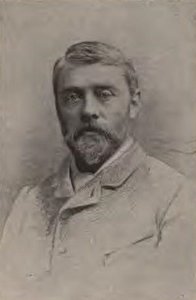
Alfred William Parsons
1847 - 1920
Основные сведения
- Artistic Movement Or Style: Victorian Landscape Painting
- Artists Or Movements Influenced By This Artist: ['Romanticism']
- Artists Who Influenced This Artist: ['William Robinson']
- Date Of Birth: 2 December 1847
- Date Of Death: 16 January 1920
- Full Name: Alfred William Parsons
- Nationality: English
- Notable Artworks:
- American Apples
- The Pear Orchard
- The Manor Park
- Place Of Birth: Bекington, Somerset