


 Предпросмотр
 Поделиться
 Поделиться
 Детали произведения

 Скачать
 Похожие работы
 Рентгенография
 Слайд-шоу
 Статистика
View of Mt Egmont, Taranaki, New Zealand, taken from New Plymouth, with Maoris driving off settle


 Читать далее
Масляная репродукция ручной работы
Картина маслом на холсте в выбранном вами размере и раме, написанная на заказ нашими художниками. ( Перейти к печати Перейти к цифровым изображениям)




P118B $10

P118H $10

P118W $10

P438Z $10

P508JH $12

P508YH $12

P805H $10

P805Z $10

P919BZ $10

P919G $10

P919XJ $10

P959ZH $10

P968JZ $12

W106C $8

W218G $10

W218JH $8

W218Y $10

W307PJ $10

W316G $10

W316PJ $8

W316Y $10

W398PJ $8

W4111J $10

W500HY $15

W500JH $15

W692G $12

W849H $8

W940BG $15

W953PJ $8
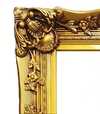
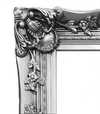
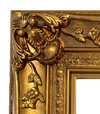
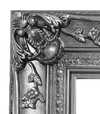
Выберите один из наших стандартных размеров, соответствующих оригинальным пропорциям произведения искусства.

Вы можете указать собственные размеры, чтобы картина идеально вписалась в выбранную раму или пространство. Если выбранный вами размер не соответствует пропорциям оригинала, мы либо обрежем полотно, либо расширим его за счет дополнительных элементов, написанных вручную. Цифровой макет будет отправлен вам на утверждение перед началом производства.
Обратите внимание, что предварительный просмотр на экране не отражает фактическую обрезку или расширение. Только макет точно покажет окончательную композицию.
Хотя доступны индивидуальные размеры, мы рекомендуем выбирать вариант из предопределенного списка, чтобы сохранить исходные пропорции.
После оформления заказа команда ArtsDot.com свяжется с клиентом по электронной почте для уточнения деталей и предоставит предварительный макет
Доставка по всему миру () за 3–4 недели вместо стандартных 5 недель. (15 Сентябрь). Без компромиссов в качестве.

Бесплатная экспресс-доставка по всему миру

Высококачественный льняной холст

Полное страхование доставки

Гарантия возмещения таможенных пошлин

Гарантия точного соответствия цветов

100-дневная политика возврата (только при обнаружении дефектов)

Гарантия возврата 100% средств

Предложение оптовых скидок
 Вариант со стеклом доступен только для размеров менее 110 см

View of Mt Egmont, Taranaki, New Zealand, taken from New Plymouth, with Maoris driving off settle
Техника репродукции
Размер репродукции
-


Итоговая стоимость
$ 263
A Dramatic Encounter in the Taranaki Landscape
In the sweeping expanse of Alfred William Strutt’s 1861 masterpiece, View of Mt Egmont, Taranaki, New Zealand, the viewer is not merely an observer but a witness to a pivotal moment of colonial friction. The painting presents a breathtakingly complex narrative, where the serene majesty of the New Zealand landscape serves as a stage for intense human drama. At the heart of the composition lies a profound tension between two worlds: the indigenous Māori people and the encroaching European settlers. Strutt masterfully utilizes the natural topography to guide our eyes through a zigzagging path of action, leading us from the shadowed undergrowth of a gully into the sunlit middle ground where cattle and horses are being driven away in an act of resistance.
The technical brilliance of this work lies in its ability to balance historical documentation with the emotional weight of a history painting. Strutt, trained in the rigorous traditions of French art, employs a sophisticated use of light and shadow to create depth and atmosphere. The distant, snow-capped silhouette of Mt Egmont looms over the scene like an eternal sentinel, providing a sense of scale and permanence that contrasts sharply with the fleeting, violent movements of the figures below. Through delicate brushwork, the artist captures the textures of the lush nīkau palms, the glint of pounamu (greenstone) ornaments, and the rising plumes of smoke from distant gunfire, creating a sensory experience that feels both immediate and hauntingly historical.
Symbolism and the Weight of History
Beyond its visual splendor, the painting is rich with symbolic layers that speak to the struggle for sovereignty and land. The Māori figures are depicted with meticulous attention to detail, wearing a poignant blend of traditional adornments—such as huia feathers and mako tooth pendants—alongside European-style clothing. This fusion of elements symbolizes the complex cultural intersections occurring during this era. By positioning the viewer alongside the Māori in the foreground, Strutt invites an empathetic connection to their guerrilla tactics, forcing a confrontation with the psychological reality of colonial encroachment. The movement of the livestock and the direction of the weaponry create a kinetic energy that pulls the viewer into the very center of the conflict.
For the discerning collector or interior designer, this artwork offers more than just a beautiful landscape; it provides a profound conversation piece. A high-quality reproduction of this painting brings a sense of epic scale and historical gravity to any space. The interplay between the tranquil mountain backdrop and the turbulent foreground makes it an ideal centerpiece for a room designed to inspire reflection and awe. Whether placed in a library, a formal study, or a contemporary gallery setting, Strutt’s work serves as a window into a transformative period of history, capturing the raw, unyielding spirit of a landscape caught in the throes of change.
Похожие произведения

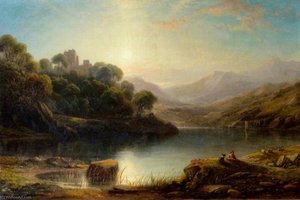
Биография художника
The Intersection of Precision and Poetic Vision
Alfred William Strutt (1856–1924) remains a captivating figure in the tapestry of British art, representing a unique moment where the meticulous rigor of scientific observation met the sweeping emotionality of the Victorian era. Born in New Zealand to the visionary William Thomas Strutt—a man whose innovations in iron framing would forever alter the landscape of architecture—Alfred was raised in an environment where craftsmanship and structural integrity were paramount. This early exposure to the principles of engineering and fine detail instilled in him a profound respect for the physical world, a quality that would later define his artistic signature. His upbringing allowed him to bridge the gap between the burgeoning scientific inquiries of the late 19th century and the established traditions of Romanticism.
His formative years, spent navigating the intellectual corridors of Chelmsford and Cambridge, provided the academic foundation necessary for his multifaceted career. Under the guidance of his father and through his association with the rigorous atmosphere of Trinity College, Strutt developed a worldview that saw no conflict between the analytical eye and the creative spirit. His early training in engraving and drawing, influenced by the historical documentation styles of Joseph Strutt, taught him the importance of precision. This technical mastery allowed him to move seamlessly between genres, from the delicate, intimate textures of portraiture to the expansive, atmospheric grandeur of landscape painting.
A Mastery of Light, Texture, and Narrative
Strutt’s body of work is characterized by an extraordinary ability to capture both the tangible weight of the material world and the ephemeral nature of light. In his more intimate works, such as Young woman holding a book, he demonstrates a profound sensitivity to the Victorian soul. Through the careful rendering of heavy silk, ornate fabrics, and the soft luminosity of skin, he invites the viewer into a private moment of contemplation. Here, the subject is not merely a figure in a frame but a vessel for themes of literacy, interiority, and the quiet dignity of intellectual life. The book itself serves as a powerful symbol, acting as a bridge between the external social reality and the boundless reaches of the human imagination.
When his gaze turned toward the natural world or historical epic, Strutt’s technique expanded to embrace the dramatic influences of masters like Turner and Constable. His landscapes often possess a rhythmic vitality, where the interplay of light and shadow creates a sense of living breath within the canvas. Whether depicting the serene biblical narratives of Jerusalem Pilgrims or the rugged, untamed beauty found in scenes like Up to His Knees, his brushwork remains remarkably controlled yet emotionally resonant. He possessed a rare talent for utilizing warm tones and detailed compositions to evoke a sense of nostalgia and reverence, making his historical scenes feel less like distant memories and more like present, breathing realities.
Legacy of an Observational Pioneer
The significance of Alfred William Strutt lies in his refusal to separate the observer from the creator. While many of his contemporaries were moving toward purely abstract or impressionistic expressions, Strutt maintained a commitment to the "modern observation" of reality—a belief that true art must be rooted in an accurate understanding of form and structure. This commitment was perhaps most visible in his fascination with the structural revolutions of his time; just as his father utilized iron to redefine safety and aesthetics in architecture, Alfred used the structural elements of composition to reinforce the emotional impact of his subjects.
His contributions to the art world are marked by several enduring achievements:
- Technical Versatility: The seamless transition between the minute details of portraiture and the large-scale drama of historical and landscape painting.
- Symbolic Depth: The integration of contemporary Victorian values, such as the importance of literature and education, into fine art compositions.
- Historical Synthesis: A unique ability to blend the Romantic tradition with a burgeoning scientific interest in the natural world's mechanics.
Today, Strutt’s work serves as a vital historical record, capturing the aesthetic transitions of a century in flux. His paintings remain much more than mere depictions; they are windows into an era that sought to find harmony between the progress of industry and the enduring beauty of the natural and human spirit.
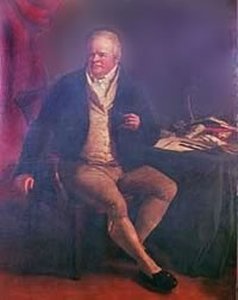
Основные сведения
- Artistic Movement Or Style: Victorian Painting
- Artists Or Movements Influenced By This Artist: ['Royal Academy']
- Artists Who Influenced This Artist: ['William Wynne Ryland']
- Date Of Birth: July 3, 1825
- Date Of Death: January 3, 1915
- Full Name: Alfred William Strutt
- Nationality: British
- Notable Artworks:
- The Old Cottage
- Horses
- Place Of Birth: Teignmouth, Devonshire
Похожие статьи

Романтический пейзаж: 10 шедевров, изменивших искусство | ArtsDot.com
Погрузитесь в мир романтического пейзажа! 10 шедевров Фридриха, Тёрнера и других гениев. Узнайте историю создания культовых картин и вдохновитесь для декора интерьера. Репродукции высокого качества на ArtsDot.com.
Evoking Nature's Sublime: A Comprehensive Exploration of 19th-Century Landscape Painting
Explore the captivating world of 19th-century landscape painting! Discover renowned artists like Friedrich & Monet, key movements, and find the perfect artwork to bring nature's serenity into your home. Expert insights at ArtsDot.

Evocations of Place: A Historical Journey Through Landscape Art
Explore the rich history of landscape art with ArtsDot. Discover renowned artists, movements like Impressionism & Romanticism, and expert guidance for collecting timeless pieces. Find your perfect serene escape today!
Evocations of Place: A Historical Journey Through Landscape Art
Explore the rich history of landscape art with ArtsDot. Discover renowned artists, movements like Impressionism & tonalism, and expert guidance for collecting timeless pieces. Find your perfect serene escape today!

Джон Констебль: 25 шедевров английского пейзажа для вашего интерьера
Погрузитесь в мир английского пейзажа с Джоном Констеблом! 25 шедевров романтизма, история создания картин и вдохновение для вашего интерьера. Репродукции высокого качества на ArtsDot.com – искусство для ценителей.