

 Предпросмотр
 Поделиться
 Поделиться
 Детали произведения

 Скачать
 Похожие работы
 Рентгенография
 Слайд-шоу
 Статистика
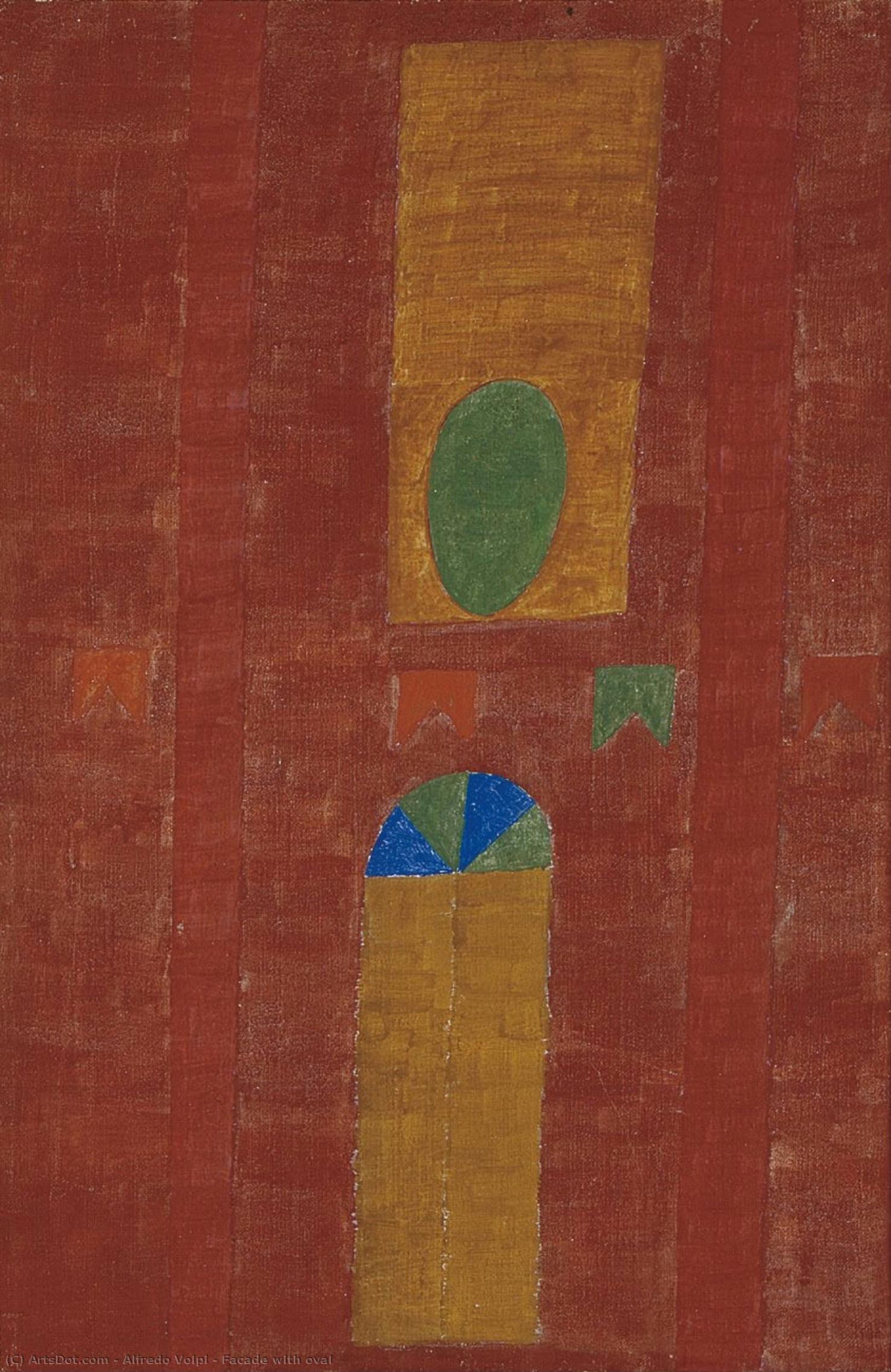
Facade with oval


 Читать далее
Приобретите цифровое изображение высокого разрешения в улучшенном качестве, которое значительно превосходит онлайн-превью.
Каждый файл тщательно подготавливается нашими специалистами с использованием передовых инструментов и экспертной ручной ретуши. Мы гарантируем исключительную четкость, точную цветопередачу и детальную проработку каждого изображения.
Финальный файл доставляется по электронной почте в течение 72 часов и оптимизирован для немедленного использования в профессиональной среде, при верстке и печати. Это тот же уровень качества, которому доверяют ведущие дизайнерские студии, издательства и галереи.
Цифровое изображение
Скачайте файл высокого разрешения для личного использования, печати и творческих проектов. ( Перейти к печати Купить картину ручной работы)
Включено в каждый заказ цифровых изображений
Гарантия экспертной цифровой доставки
Выбирая ArtsDot.com, вы получаете не просто изображение — вы приобретаете профессионально обработанное цифровое произведение искусства, созданное с безупречной точностью и под защитой гарантии качества. Вот всё, что автоматически входит в ваш заказ:

Мгновенная доставка по e-mail
Ваш цифровой файл в высоком разрешении будет отправлен вам по электронной почте в течение 72 часов после оформления заказа — и сразу станет доступен для использования.

Цифровой файл с ИИ-улучшением
Ваше произведение искусства проходит профессиональную оптимизацию с использованием передовых инструментов ИИ и ручной обработки, что гарантирует максимальную детализацию, четкость и точность цветопередачи.

Бессрочная бесплатная повторная доставка
Случайно удалили или потеряли файл? Не беспокойтесь — мы отправим его вам повторно в любое время и совершенно бесплатно.

Без импортных пошлин — навсегда
Наслаждайтесь вашим произведением искусства мгновенно без таможенных пошлин, сборов или затрат на доставку — цифровые загрузки всегда не облагаются налогом.

Гарантия точности цветопередачи
Мы гарантируем, что ваше цифровое изображение максимально точно передает оригинальные цвета благодаря использованию профессиональных инструментов и систем управления цветом.

Гарантия удовлетворенности 100 дней
Если вы не будете удовлетворены своим цифровым изображением, мы внесем правки или вернем 100% стоимости в течение 100 дней — без лишних вопросов.

100% Гарантия возврата средств
Не удовлетворены покупкой? Получите полный возврат средств в течение 100 дней после получения цифрового файла — без лишних вопросов.

Скидки на оптовые заказы
Купите 3 изображения, сэкономьте 10% — Купите 5, сэкономьте 15% — Купите 10+, сэкономьте 20%. Отличное решение для творческих проектов, галерей и агентств.
The Geometry of Spirit: Exploring Volpi's Abstract Vision
To stand before an early abstract work by Alfredo Volpi is to encounter not merely paint on canvas, but a carefully orchestrated dialogue between color, form, and the very spirit of modern Brazilian life. This piece, with its striking composition featuring a vibrant red ground punctuated by geometric shapes—a central yellow square cradling a serene blue circle, balanced by an emerald green accent—beckons the viewer into a meditative space. Volpi, who began his journey absorbing the emotional resonance of Impressionism and Expressionism, ultimately found his truest voice in the clarity and power of abstraction. This work exemplifies that pivotal moment where personal vision superseded mere imitation.
Technique and Compositional Harmony
The technique employed here speaks to Volpi's mastery of color field painting, even within a seemingly simple geometric framework. The application appears deliberate, building planes of saturated hue against the dominant, passionate red background. Notice how the yellow square acts as an anchor point; it is not just a shape, but a container for focus. Within this structure, the blue circle offers a moment of profound calm—a visual breath amidst the surrounding energy. The placement of the green circle on the left side introduces a complementary counterpoint, suggesting natural growth or perhaps a stabilizing element in the composition's overall rhythm. It is a study in balance; the tension between the bold red and the cool tones creates an immediate, palpable vibration that draws the eye across the surface.
Symbolism and Emotional Resonance
For those drawn to the deeper currents of art, Volpi’s geometry often transcends mere decoration. These abstract elements can be interpreted as universal symbols—the circle representing eternity or wholeness; the square suggesting stability or human endeavor. The intense red background might evoke passion, vitality, or even the rich earth tones of Brazil itself. When viewed together, these disparate yet harmonious forms suggest a structured contemplation on existence. It is an artwork that does not shout its meaning but rather invites quiet introspection, allowing the viewer to project their own emotional landscape onto its clean, powerful planes.
Integrating Art into Modern Living
For the collector or designer seeking a piece that anchors a contemporary space with historical depth, this reproduction offers unparalleled versatility. Its bold yet controlled palette ensures it functions beautifully whether placed in a minimalist gallery setting or within an opulent interior design scheme. It serves as a focal point that speaks volumes about sophisticated taste and an appreciation for modernist pioneers. Owning a work echoing Volpi’s spirit is to bring home a piece of Brazilian artistic history—a vibrant testament to the power of pure, unadulterated form.
CLASSIFICATION: AbstractПохожие произведения
Биография художника
Alfredo Volpi: Pioneer of Brazilian Geometric Abstraction
Alfredo Volpi (1896 – 1988) stands as a monumental figure in the history of Brazilian Modernism, an artist who defied convention and forged his own distinctive path toward exploring the expressive potential of geometric abstraction. Born Lucca, Italy, he emigrated to São Paulo at a young age, embracing the burgeoning artistic landscape of Brazil and becoming its most celebrated painter. His journey from early naturalist landscapes to groundbreaking abstract compositions reveals a remarkable evolution driven by intellectual curiosity and unwavering dedication to experimentation.Early Influences and Artistic Formation
Volpi’s artistic development began with a fascination for Impressionism and Expressionism, absorbing the stylistic nuances of artists like Edvard Munch and Vincent van Gogh. However, he swiftly moved beyond these influences, recognizing their limitations in conveying his vision. Crucially, Volpi found inspiration in Ernest Fili, a São Paulo landscape painter who championed tonal harmonies and atmospheric perspective—techniques that would subtly shape his formative years. Despite lacking formal training, Volpi possessed an innate talent for observation and a relentless pursuit of artistic mastery, honing his skills through self-teaching and tireless practice. He initially experimented with oil paint, producing evocative depictions of Brazilian landscapes imbued with emotional depth, yet he soon transitioned to tempera—a medium that allowed him to achieve unparalleled textural richness and luminosity. This deliberate choice reflected Volpi’s desire to transcend mere representation, prioritizing the exploration of feeling and sensation through color and surface texture.The Geometric Revolution: Style and Technique
Volpi’s breakthrough arrived in the mid-1930s when he embraced geometric abstraction, marking a decisive departure from representational art. Influenced by Constructivist principles – particularly those championed by Kazimir Malevich – Volpi adopted a rigorously analytical approach, reducing forms to their essential elements: squares, rectangles, and circles arranged in balanced compositions. This stylistic shift wasn’t merely aesthetic; it represented a profound conceptual transformation—a rejection of illusionistic representation in favor of exploring the underlying structure of visual experience. His tempera paintings became synonymous with this style, characterized by thick impasto brushstrokes that created palpable surfaces and emphasized textural contrasts. The resulting artworks possessed an arresting stillness and clarity, conveying a sense of intellectual rigor alongside emotional resonance. He meticulously studied Malevich’s Suprematism, seeking to distill art down to its purest form—a radical departure from the prevailing artistic trends of his time.Iconic Works and Recurring Themes
Volpi’s oeuvre is defined by several recurring motifs—most notably the stylized façades of Brazilian houses, which he depicted in vibrant hues and meticulously crafted geometric arrangements. These “historical façades,” as Volpi termed them, became a hallmark of his artistic style throughout the 1950s, capturing the spirit of São Paulo’s urban environment with remarkable precision and imaginative flair. Equally significant were his "bandeirinhas"—small flags inspired by Brazilian folklore—which showcased Volpi's masterful command of color combinations and compositional balance. These paintings celebrated Brazilian culture while simultaneously elevating abstraction to new heights of expressive power. Notable pieces include “Mogi das Cruzes” (1939), “Seaside” (1940) and the monumental frescoes adorning the Chapel of Our Lady of Fatima (1958). The Chapel frescoes, in particular, stand as a testament to Volpi’s ambition—a bold undertaking that cemented his legacy as one of Brazil's most influential artists.Recognition and Legacy
Volpi’s artistic achievements garnered widespread acclaim, culminating in his victory at the Second São Paulo Art Biennial—a pivotal moment in Brazilian art history. This honor cemented his reputation as a visionary artist and propelled him to international prominence. He was also honored by MASP (Museu de Arte de São Paulo Assis Chateaubriand), one of Latin America’s foremost cultural institutions, solidifying Volpi's place among Brazil’s artistic elite. Alfredo Volpi’s influence extends far beyond his own lifetime, inspiring generations of Brazilian artists and shaping the trajectory of geometric abstraction worldwide. His unwavering commitment to experimentation and his profound understanding of visual language continue to resonate with audiences today.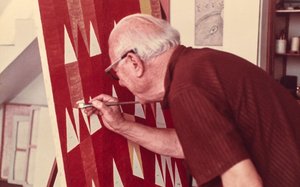
Альфредо Волпи
1896 - 1988 , Италия
Основные сведения
- Artistic Movement Or Style: Геометрическая абстракция
- Artists Or Movements Influenced By This Artist: ['Конструктивизм']
- Artists Who Influenced This Artist: ['Эрнесто де Фиори']
- Date Of Birth: Lucca, Italy (1896)
- Date Of Death: April 28, 1988
- Full Name: Alfredo Volpi
- Nationality: Итальянский
- Notable Artworks:
- Мого дис Крузес
- Море
- Фрески для часовни Девы Марии Фатимы
- Place Of Birth: Lucca