

 Предпросмотр
 Поделиться
 Поделиться
 Детали произведения

 Скачать
 Похожие работы
 Рентгенография
 Слайд-шоу
 Статистика
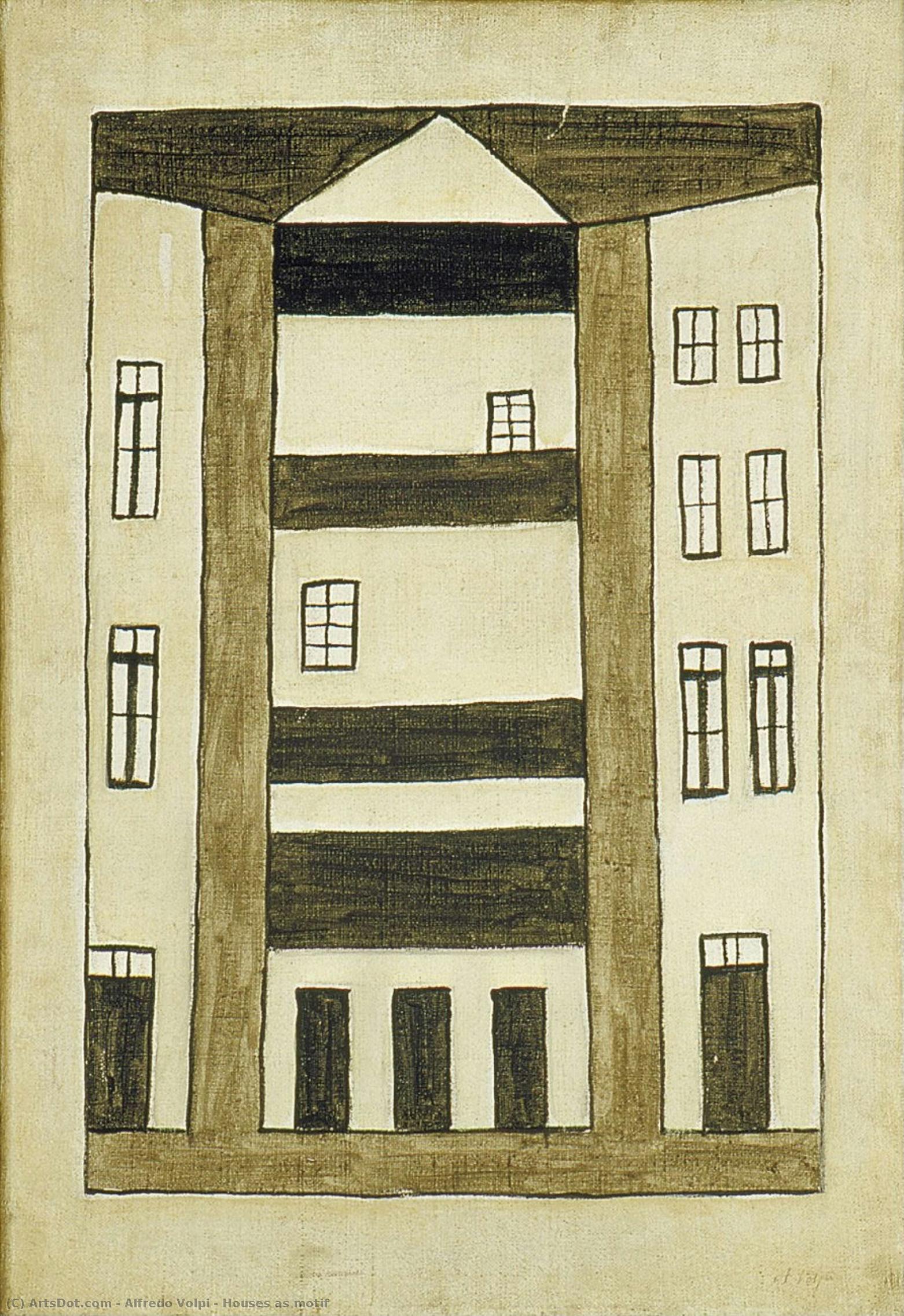
Houses as motif


 Читать далее
Жикле / Арт-принт
Печать (жикле) или холст музейного качества с быстрыми сроками изготовления и широким выбором вариантов отделки. ( Купить картину ручной работы Перейти к цифровым изображениям)




P118B $10

P118H $10

P118W $10

P438Z $10

P508JH $12

P508YH $12

P805H $10

P805Z $10

P919BZ $10

P919G $10

P919XJ $10

P959ZH $10

P968JZ $12

W106C $8

W218G $10

W218JH $8

W218Y $10

W307PJ $10

W316G $10

W316PJ $8

W316Y $10

W398PJ $8

W4111J $10

W500HY $15

W500JH $15

W692G $12

W849H $8

W940BG $15

W953PJ $8




Выберите один из наших стандартных размеров, соответствующих оригинальным пропорциям произведения искусства.

Вы можете указать свои собственные размеры, чтобы репродукция идеально подошла под конкретную раму или пространство. Если выбранный вами размер не будет соответствовать пропорциям оригинала, мы либо обрежем произведение, либо дополним изображение зеркальным отражением краев или однотонной заливкой. Перед началом производства вам будет отправлен цифровой макет для утверждения.
Пожалуйста, обратите внимание, что предварительный просмотр на экране не отображает фактическую обрезку или расширение изображения. Только макет точно покажет финальную композицию.
Несмотря на возможность заказа индивидуальных размеров, мы рекомендуем выбирать размер из предопределенного списка, чтобы сохранить оригинальные пропорции.
Доставка по всему миру () за 2 недели вместо стандартных 4/5 недель. (12 Сентябрь)

Бесплатная экспресс-доставка по всему миру

Высококачественный льняной холст

Полное страхование доставки

Гарантия возмещения таможенных пошлин

Гарантия точного соответствия цветов

100-дневная политика возврата (только при обнаружении дефектов)

Гарантия возврата 100% средств

Предложение оптовых скидок
 Вариант со стеклом доступен только для размеров менее 110 см

Houses as motif
Жикле / Арт-принт
Размер репродукции
-


Итоговая стоимость
$ 62
The Geometry of Dwelling: Exploring Volpi's Urban Canvas
Alfredo Volpi’s Houses as motif, painted in 1955, invites the viewer into a meticulously constructed vision of urban life. This painting is far more than a mere depiction of architecture; it is an exploration of structure, rhythm, and the human experience nested within built environments. The composition presents a grand facade—a multi-storied building punctuated by numerous windows across its four visible floors. These repetitive geometric elements immediately draw the eye, suggesting both the ordered grid of modern city planning and the comforting familiarity of home.
The inclusion of two distinct sets of stairs, one central and another positioned to the right, guides the viewer's gaze through the depth of the scene. To the far left, a smaller ancillary structure anchors the corner, completing an intriguing study in perspective. Volpi masterfully manipulates these architectural forms, transforming what could be a straightforward cityscape into a dynamic visual puzzle that rewards prolonged contemplation.
A Journey Through Modernist Abstraction
To understand this piece is to appreciate the trajectory of 20th-century abstraction. While Volpi’s early influences touched upon Impressionism and Expressionism, his mature style, as seen here, firmly plants him within the realm of geometric abstraction. Having emigrated from Italy to Brazil, he became a pivotal figure in Brazilian Modernism. His work is characterized by an almost devotional commitment to line and plane. The technique employed suggests careful layering and precise application of paint, allowing the underlying structure—the geometry—to assert itself with clarity and unwavering conviction.
For those drawn to art that speaks through form rather than narrative realism, this painting offers a profound entry point. It channels the intellectual rigor of abstract movements while retaining an accessible subject matter: the house. This tension between abstraction and recognizable reality is central to its enduring appeal.
Symbolism of Structure and Community
The motif of the house itself carries immense symbolic weight across cultures, representing shelter, family, and identity. In Volpi’s hands, this symbolism is amplified by the geometric repetition. The windows, in particular, function as countless eyes—windows onto private lives or perhaps simply portals to light. They suggest a collective existence, the interwoven nature of community life within the rigid framework of urban development. The painting seems to ask: what defines 'home' when structure becomes so pronounced? Is it the walls themselves, or the light that passes through them?
The careful balance between the large main block and the smaller corner building hints at relationships—the primary dwelling versus its annex, the public space meeting the private retreat. It is a meditation on scale and belonging.
Bringing Architectural Dreams Home
For collectors and interior designers alike, Houses as motif offers more than just wall decor; it offers an atmosphere. Reproducing this work allows one to infuse a space with the sophisticated energy of mid-century modernism filtered through a distinctly Brazilian lens. The cool, controlled palette inherent in the composition lends itself beautifully to contemporary interiors that favor clean lines and thoughtful curation. Owning this piece is acquiring a dialogue between art history and domestic aspiration—a vibrant echo of structured beauty.
Похожие произведения
Биография художника
Alfredo Volpi: Pioneer of Brazilian Geometric Abstraction
Alfredo Volpi (1896 – 1988) stands as a monumental figure in the history of Brazilian Modernism, an artist who defied convention and forged his own distinctive path toward exploring the expressive potential of geometric abstraction. Born Lucca, Italy, he emigrated to São Paulo at a young age, embracing the burgeoning artistic landscape of Brazil and becoming its most celebrated painter. His journey from early naturalist landscapes to groundbreaking abstract compositions reveals a remarkable evolution driven by intellectual curiosity and unwavering dedication to experimentation.Early Influences and Artistic Formation
Volpi’s artistic development began with a fascination for Impressionism and Expressionism, absorbing the stylistic nuances of artists like Edvard Munch and Vincent van Gogh. However, he swiftly moved beyond these influences, recognizing their limitations in conveying his vision. Crucially, Volpi found inspiration in Ernest Fili, a São Paulo landscape painter who championed tonal harmonies and atmospheric perspective—techniques that would subtly shape his formative years. Despite lacking formal training, Volpi possessed an innate talent for observation and a relentless pursuit of artistic mastery, honing his skills through self-teaching and tireless practice. He initially experimented with oil paint, producing evocative depictions of Brazilian landscapes imbued with emotional depth, yet he soon transitioned to tempera—a medium that allowed him to achieve unparalleled textural richness and luminosity. This deliberate choice reflected Volpi’s desire to transcend mere representation, prioritizing the exploration of feeling and sensation through color and surface texture.The Geometric Revolution: Style and Technique
Volpi’s breakthrough arrived in the mid-1930s when he embraced geometric abstraction, marking a decisive departure from representational art. Influenced by Constructivist principles – particularly those championed by Kazimir Malevich – Volpi adopted a rigorously analytical approach, reducing forms to their essential elements: squares, rectangles, and circles arranged in balanced compositions. This stylistic shift wasn’t merely aesthetic; it represented a profound conceptual transformation—a rejection of illusionistic representation in favor of exploring the underlying structure of visual experience. His tempera paintings became synonymous with this style, characterized by thick impasto brushstrokes that created palpable surfaces and emphasized textural contrasts. The resulting artworks possessed an arresting stillness and clarity, conveying a sense of intellectual rigor alongside emotional resonance. He meticulously studied Malevich’s Suprematism, seeking to distill art down to its purest form—a radical departure from the prevailing artistic trends of his time.Iconic Works and Recurring Themes
Volpi’s oeuvre is defined by several recurring motifs—most notably the stylized façades of Brazilian houses, which he depicted in vibrant hues and meticulously crafted geometric arrangements. These “historical façades,” as Volpi termed them, became a hallmark of his artistic style throughout the 1950s, capturing the spirit of São Paulo’s urban environment with remarkable precision and imaginative flair. Equally significant were his "bandeirinhas"—small flags inspired by Brazilian folklore—which showcased Volpi's masterful command of color combinations and compositional balance. These paintings celebrated Brazilian culture while simultaneously elevating abstraction to new heights of expressive power. Notable pieces include “Mogi das Cruzes” (1939), “Seaside” (1940) and the monumental frescoes adorning the Chapel of Our Lady of Fatima (1958). The Chapel frescoes, in particular, stand as a testament to Volpi’s ambition—a bold undertaking that cemented his legacy as one of Brazil's most influential artists.Recognition and Legacy
Volpi’s artistic achievements garnered widespread acclaim, culminating in his victory at the Second São Paulo Art Biennial—a pivotal moment in Brazilian art history. This honor cemented his reputation as a visionary artist and propelled him to international prominence. He was also honored by MASP (Museu de Arte de São Paulo Assis Chateaubriand), one of Latin America’s foremost cultural institutions, solidifying Volpi's place among Brazil’s artistic elite. Alfredo Volpi’s influence extends far beyond his own lifetime, inspiring generations of Brazilian artists and shaping the trajectory of geometric abstraction worldwide. His unwavering commitment to experimentation and his profound understanding of visual language continue to resonate with audiences today.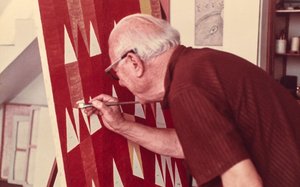
Альфредо Волпи
1896 - 1988 , Италия
Основные сведения
- Artistic Movement Or Style: Геометрическая абстракция
- Artists Or Movements Influenced By This Artist: ['Конструктивизм']
- Artists Who Influenced This Artist: ['Эрнесто де Фиори']
- Date Of Birth: Lucca, Italy (1896)
- Date Of Death: April 28, 1988
- Full Name: Alfredo Volpi
- Nationality: Итальянский
- Notable Artworks:
- Мого дис Крузес
- Море
- Фрески для часовни Девы Марии Фатимы
- Place Of Birth: Lucca
Похожие статьи
Beyond Form & Color: Geometric Abstraction's Enduring Legacy in Art History
Explore the captivating world of geometric abstraction! Discover its origins, key artists like Malevich & Mondrian, and why this movement remains highly valued by art collectors today. Expert insights at ArtsDot.
Beyond Form & Color: Geometric Abstraction's Evolution in 20th/21st Century Art
Explore the evolution of geometric abstraction from Cubism to contemporary art. Discover key artists like Malevich & Mondrian, investment insights, and expert collecting advice at ArtsDot.

Геометрическая абстракция: 10 шедевров, изменивших искусство | ArtsDot.com
Погрузитесь в мир геометрической абстракции! От Кандинского до Малевича – 10 шедевров, изменивших искусство. Узнайте историю создания и значение культовых картин. Репродукции музейного качества на ArtsDot.com. Вдохновение для вашего интерьера!
Фернан Леже: Топ-25 шедевров кубизма для ценителей искусства и декора интерьера
Погрузитесь в мир Фернана Леже! Топ-25 шедевров кубизма, раскрывающих машинную эстетику и новаторский стиль художника. Репродукции картин высокого качества для вашего интерьера. Откройте всю коллекцию на ArtsDot.com

Топ-25 шедевров Василия Кандинского: Абстрактное искусство для вашего интерьера
Погрузитесь в мир абстрактного искусства с Василием Кандинским! 25 шедевров экспрессионизма, баухауса и русского авангарда. Репродукции картин Кандинского для вдохновения и декора вашего интерьера. Откройте всю коллекцию на ArtsDot.com