

 Предпросмотр
 Поделиться
 Поделиться
 Детали произведения

 Скачать
 Похожие работы
 Рентгенография
 Слайд-шоу
 Статистика
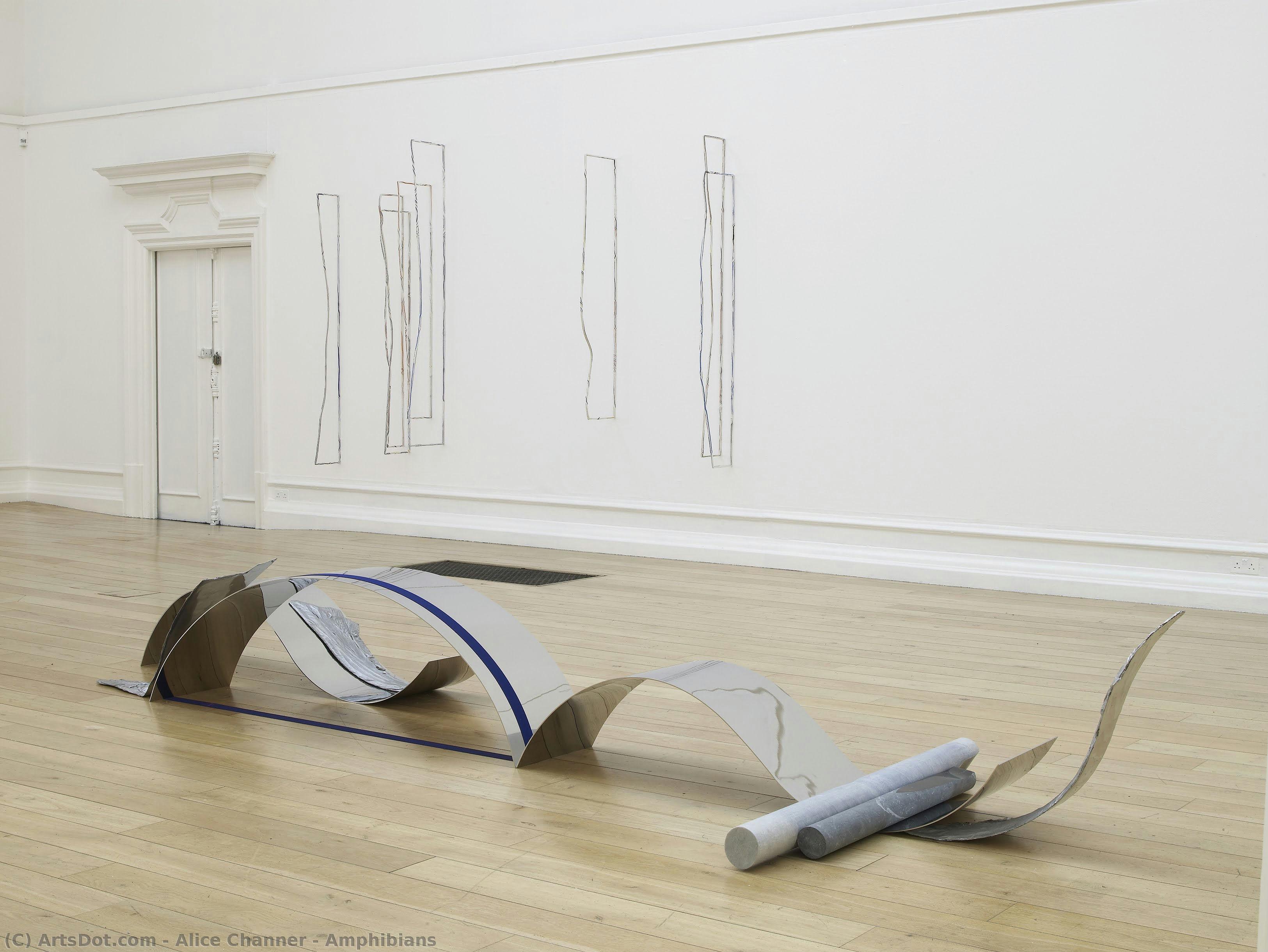
Amphibians
 2012
2012 54.0 x 141.0 cm
 Arts Council Collection
 Читать далее
Приобретите цифровое изображение высокого разрешения в улучшенном качестве, которое значительно превосходит онлайн-превью.
Каждый файл тщательно подготавливается нашими специалистами с использованием передовых инструментов и экспертной ручной ретуши. Мы гарантируем исключительную четкость, точную цветопередачу и детальную проработку каждого изображения.
Финальный файл доставляется по электронной почте в течение 72 часов и оптимизирован для немедленного использования в профессиональной среде, при верстке и печати. Это тот же уровень качества, которому доверяют ведущие дизайнерские студии, издательства и галереи.
Цифровое изображение
Скачайте файл высокого разрешения для личного использования, печати и творческих проектов. ( Перейти к печати Купить картину ручной работы)
Включено в каждый заказ цифровых изображений
Гарантия экспертной цифровой доставки
Выбирая ArtsDot.com, вы получаете не просто изображение — вы приобретаете профессионально обработанное цифровое произведение искусства, созданное с безупречной точностью и под защитой гарантии качества. Вот всё, что автоматически входит в ваш заказ:

Мгновенная доставка по e-mail
Ваш цифровой файл в высоком разрешении будет отправлен вам по электронной почте в течение 72 часов после оформления заказа — и сразу станет доступен для использования.

Цифровой файл с ИИ-улучшением
Ваше произведение искусства проходит профессиональную оптимизацию с использованием передовых инструментов ИИ и ручной обработки, что гарантирует максимальную детализацию, четкость и точность цветопередачи.

Бессрочная бесплатная повторная доставка
Случайно удалили или потеряли файл? Не беспокойтесь — мы отправим его вам повторно в любое время и совершенно бесплатно.

Без импортных пошлин — навсегда
Наслаждайтесь вашим произведением искусства мгновенно без таможенных пошлин, сборов или затрат на доставку — цифровые загрузки всегда не облагаются налогом.

Гарантия точности цветопередачи
Мы гарантируем, что ваше цифровое изображение максимально точно передает оригинальные цвета благодаря использованию профессиональных инструментов и систем управления цветом.

Гарантия удовлетворенности 100 дней
Если вы не будете удовлетворены своим цифровым изображением, мы внесем правки или вернем 100% стоимости в течение 100 дней — без лишних вопросов.

100% Гарантия возврата средств
Не удовлетворены покупкой? Получите полный возврат средств в течение 100 дней после получения цифрового файла — без лишних вопросов.

Скидки на оптовые заказы
Купите 3 изображения, сэкономьте 10% — Купите 5, сэкономьте 15% — Купите 10+, сэкономьте 20%. Отличное решение для творческих проектов, галерей и агентств.
Похожие произведения







Биография художника
Early Life and Artistic Foundations
Alice Channer, born in Oxford, England, in 1977, emerged as a significant voice in contemporary sculpture through an intuitive engagement with materiality and the spaces between objecthood and experience. Her upbringing, notably shaped by her mother’s craft—a domestic world of handmade textiles, clothing, and furnishings—instilled a deep sensitivity to form, texture, and the transformative power of making. This early exposure wasn't to the grand narratives of architectural design but rather to the intimate processes of creation within the home, a foundation Channer herself has acknowledged as pivotal in her artistic development. She received her formal training at Goldsmiths College, London, graduating with a BA in Fine Art in 2006, followed by an MA in Sculpture from the Royal College of Art in 2008—institutions renowned for fostering conceptual rigor and experimental practice. These years were crucial in solidifying her approach to sculpture as a means of exploring complex relationships between the natural world, industrial processes, and human perception.The Language of Distortion: Exploring Postindustrial Landscapes
Channer’s work is characterized by an arresting exploration of distortion—not merely as a visual effect but as a fundamental condition of our contemporary environment. She doesn't simply *represent* objects; she interrogates their very essence through manipulation and transformation. Her sculptures often begin with found materials sourced from the urban fabric, particularly fragments discarded during construction and demolition projects in London. These concrete remnants, metal offcuts, textiles, and even everyday items like shampoo bottles become the raw material for a process of re-imagining. Channer’s fascination lies in the tension between the inherent qualities of these materials—their weight, texture, and history—and her interventions that stretch, cast, or expand them to monumental scales. This act of distortion serves as a metaphor for the broader forces shaping our postindustrial landscape: the relentless cycles of production and decay, the erosion of boundaries between natural and artificial realms, and the absence of human presence within these increasingly automated spaces.From Personal Adornment to Geological Forms
A recurring theme in Channer’s early work was personal adornment—the ways in which we use objects to define and express our identities. Sculptures incorporating clothing, jewelry, and other accessories explored the performative aspects of self-presentation and the cultural significance attached to these seemingly mundane items. However, her practice has undergone a compelling evolution in recent years, shifting towards an engagement with skeletal and geological forms. This transition is evident in her series of “rock” sculptures—digitally manipulated representations of concrete fragments collected from construction sites. Channer employs 3D scanning technology to capture the texture and form of these found objects, then digitally stretches and distorts them, creating new virtual prototypes that are subsequently carved into foam molds for casting in various materials. This process isn’t about replicating nature but rather about generating a hybrid aesthetic—one that blends the organic with the synthetic, the natural with the man-made.Major Achievements and International Recognition
Alice Channer has garnered significant international recognition for her innovative sculptural practice. Her first major museum show in the United States, *R o c k f a l l*, at the Aspen Art Museum in 2015, established her as a leading figure in contemporary art. The exhibition showcased her signature rock sculptures alongside earlier works, highlighting her evolving exploration of materiality and form. This success led to further opportunities, including participation in group exhibitions at prestigious institutions such as the Venice Biennale (2013), Tate Britain, Hamburger Kunsthalle, and the Royal Academy of Arts. In 2021, she was commissioned to create a series of new public sculptures for Artangel’s summer exhibition at Orford Ness, demonstrating her ability to engage with specific sites and contexts. Her work has been acquired by numerous prominent collections, including the Tate Permanent Collection, the Guggenheim Permanent Collection, and the Pérez Art Museum Miami, solidifying her position within the canon of contemporary sculpture.Historical Significance and Contemporary Relevance
Alice Channer’s work occupies a unique space within contemporary art—bridging the gap between abstraction and representation, organic form and industrial process. Her sculptures resonate with broader concerns about environmental degradation, technological advancement, and the changing relationship between humans and their surroundings. She is part of a generation of artists who are challenging traditional notions of sculpture, embracing hybridity and experimentation in response to an increasingly complex world. Channer’s ability to imbue seemingly inert materials with a sense of life and vulnerability—to reveal the hidden histories embedded within discarded objects—offers a powerful commentary on our contemporary condition. Her work invites viewers to reconsider their own relationship to materiality, prompting questions about consumption, production, and the enduring power of form.
alice channer
1977 -