

 Предпросмотр
 Поделиться
 Поделиться
 Детали произведения

 Скачать
 Похожие работы
 Рентгенография
 Слайд-шоу
 Статистика
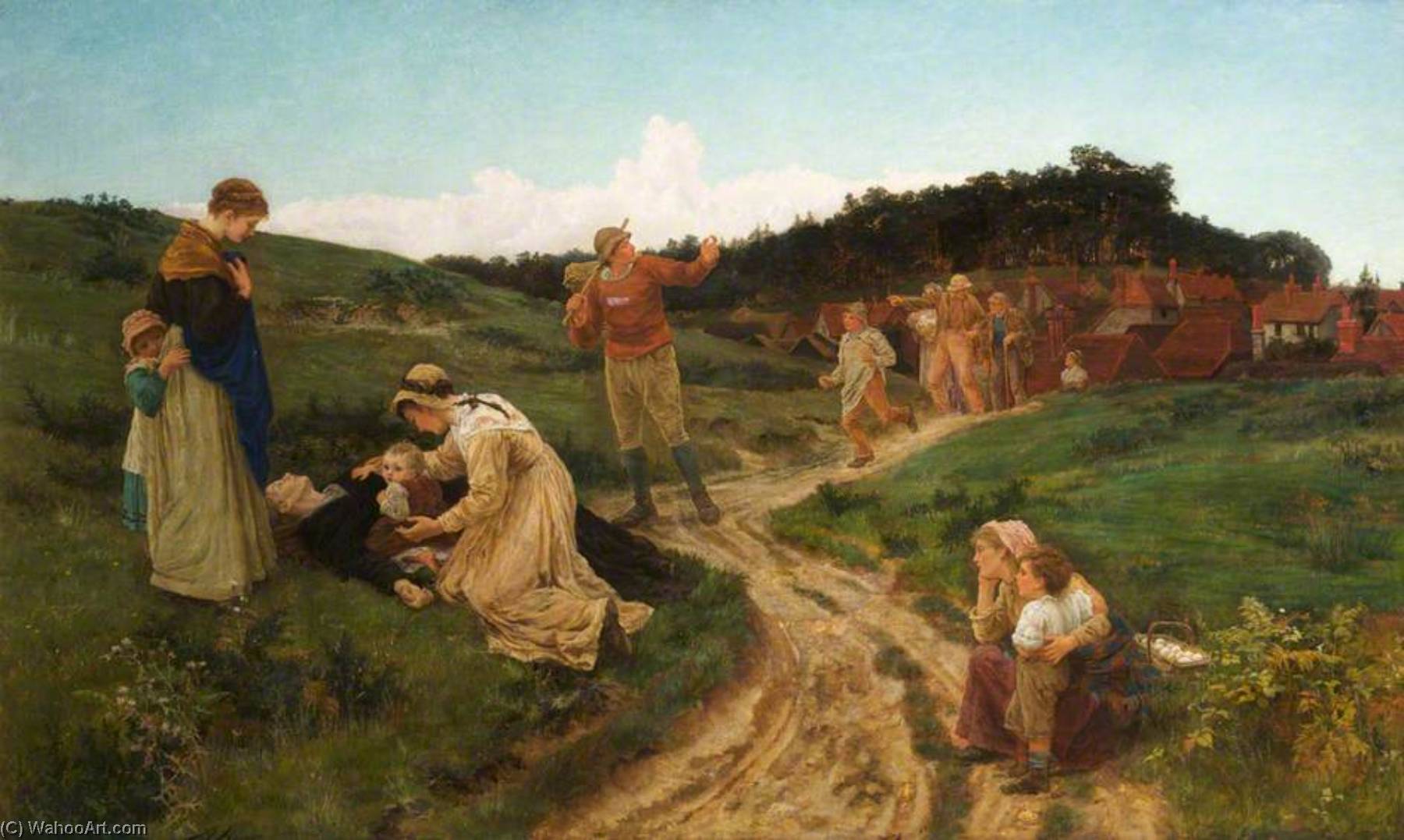
End of Her Journey
 1875
1875 113.0 x 182.0 cm
 Touchstones Rochdale
 Читать далее
Приобретите цифровое изображение высокого разрешения в улучшенном качестве, которое значительно превосходит онлайн-превью.
Каждый файл тщательно подготавливается нашими специалистами с использованием передовых инструментов и экспертной ручной ретуши. Мы гарантируем исключительную четкость, точную цветопередачу и детальную проработку каждого изображения.
Финальный файл доставляется по электронной почте в течение 72 часов и оптимизирован для немедленного использования в профессиональной среде, при верстке и печати. Это тот же уровень качества, которому доверяют ведущие дизайнерские студии, издательства и галереи.
Цифровое изображение
Скачайте файл высокого разрешения для личного использования, печати и творческих проектов. ( Перейти к печати Купить картину ручной работы)
Включено в каждый заказ цифровых изображений
Гарантия экспертной цифровой доставки
Выбирая ArtsDot.com, вы получаете не просто изображение — вы приобретаете профессионально обработанное цифровое произведение искусства, созданное с безупречной точностью и под защитой гарантии качества. Вот всё, что автоматически входит в ваш заказ:

Мгновенная доставка по e-mail
Ваш цифровой файл в высоком разрешении будет отправлен вам по электронной почте в течение 72 часов после оформления заказа — и сразу станет доступен для использования.

Цифровой файл с ИИ-улучшением
Ваше произведение искусства проходит профессиональную оптимизацию с использованием передовых инструментов ИИ и ручной обработки, что гарантирует максимальную детализацию, четкость и точность цветопередачи.

Бессрочная бесплатная повторная доставка
Случайно удалили или потеряли файл? Не беспокойтесь — мы отправим его вам повторно в любое время и совершенно бесплатно.

Без импортных пошлин — навсегда
Наслаждайтесь вашим произведением искусства мгновенно без таможенных пошлин, сборов или затрат на доставку — цифровые загрузки всегда не облагаются налогом.

Гарантия точности цветопередачи
Мы гарантируем, что ваше цифровое изображение максимально точно передает оригинальные цвета благодаря использованию профессиональных инструментов и систем управления цветом.

Гарантия удовлетворенности 100 дней
Если вы не будете удовлетворены своим цифровым изображением, мы внесем правки или вернем 100% стоимости в течение 100 дней — без лишних вопросов.

100% Гарантия возврата средств
Не удовлетворены покупкой? Получите полный возврат средств в течение 100 дней после получения цифрового файла — без лишних вопросов.

Скидки на оптовые заказы
Купите 3 изображения, сэкономьте 10% — Купите 5, сэкономьте 15% — Купите 10+, сэкономьте 20%. Отличное решение для творческих проектов, галерей и агентств.
Artistic Style and Technique
Alice Mary Havers's use of oil on canvas brings a sense of depth and emotion to the painting. The brushstrokes are bold and expressive, with a focus on capturing the play of light and shadow. The color palette is muted, with earthy tones dominating the scene. This style is reminiscent of other artists from the same period, such as Pierre-Auguste Renoir, who also explored the use of light and color in their work. You can see more of Renoir's paintings on ArtsDot.com.Symbolism and Interpretation
The painting "End of Her Journey" can be interpreted in various ways, with the title suggesting a sense of finality or completion. The group of people gathered in the field may represent a community coming together to mark an important occasion. The presence of bottles and a bowl on the ground adds a sense of intimacy and shared experience to the scene. For more information on Alice Mary Havers and her work, visit ArtsDot.com.- The painting is a beautiful example of oil on canvas art
- The scene depicts a group of people gathered in a field with a dirt road running through it
- The color palette is muted, with earthy tones dominating the scene
For those interested in learning more about the artist and her work, ArtsDot.com provides a wealth of information and resources.
Похожие произведения









Биография художника
A Life Amongst Landscapes: The Evocative World of Alice Mary Havers
Alice Mary Havers, a name perhaps less celebrated than some of her Victorian contemporaries, nonetheless carved a significant niche for herself as an English painter specializing in evocative watercolors and poignant illustrations. Born on May 19th, 1850, at Thelton Hall in Norfolk, she was steeped in a world of rural beauty and familial stability—a foundation that would profoundly shape her artistic vision. Her father, Thomas Havers, a man of commerce and administration, instilled within his children an appreciation for observation, while the family’s ancestral home provided a constant source of inspiration. However, this idyllic existence was soon disrupted by a journey to the remote Falkland Islands in 1854, when her father accepted a managerial position with the Falkland Islands Company. This relocation, though challenging, proved formative, exposing young Alice to a dramatically different landscape and culture—a world far removed from the gentle English countryside she had known. The family remained there until 1860, an experience that subtly infused her later work with a sense of melancholy and a keen awareness of social disparities.From Falkland Islands to Parisian Studios: A Developing Artistic Voice
The Havers family’s subsequent move to Montevideo, Uruguay, further broadened Alice's horizons before their return to England in 1870 following the death of her father. It was upon this return that Alice truly began to pursue her artistic inclinations. She enrolled at the School of Art at South Kensington—now the Royal College of Art—where she quickly distinguished herself and earned a free studentship, demonstrating an innate talent and dedication to her craft. Her early works reflected a growing mastery of watercolor techniques, capturing scenes of domestic life and rural landscapes with remarkable sensitivity. In 1872, Alice married fellow artist Frederick Morgan, and for the next two decades, she exhibited regularly at prestigious venues such as the Society of British Artists and the Royal Academy. A pivotal moment in her artistic development came in 1888 when she moved to Paris with her three children, drawn by the allure of the French school of painting. This immersion in the Parisian art world exposed her to new influences—Impressionism and Realism—which subtly began to inform her style, adding a greater emphasis on light, color, and atmospheric effects.Themes of Social Conscience and Domesticity
Havers’s oeuvre is characterized by a compelling blend of social commentary and intimate portrayals of domestic life. While she achieved recognition for paintings like *Ought and Carry One*, purchased by Queen Victoria, it was her works addressing the plight of the working class that truly revealed her artistic depth. Paintings such as *'Tis a Very Good World We Live In* and *The Rights of the Poor* offered poignant glimpses into the lives of those less fortunate, challenging Victorian societal norms and prompting viewers to confront uncomfortable truths. These were not merely depictions of poverty; they were empathetic studies of human resilience and dignity. Alongside these socially conscious pieces, Havers also excelled in capturing the quiet moments of everyday life—mothers with children, women engaged in domestic tasks—imbued with a sense of warmth, tenderness, and psychological insight. Her ability to convey emotion through subtle gestures and nuanced expressions established her as a leading figure in Victorian genre painting.A Brief but Brilliant Career: Legacy and Historical Significance
Tragically, Alice Havers’s career was cut short by her untimely death on August 26th, 1890, at the age of forty. The circumstances surrounding her death—an accidental overdose of morphia—overshadowed much of the critical acclaim she had received during her lifetime. However, in recent years, there has been a renewed appreciation for her artistic achievements and her unique contribution to Victorian art. Her paintings offer valuable insights into the social and cultural landscape of 19th-century England, while her mastery of watercolor techniques continues to inspire artists today. Havers’s work also highlights the challenges faced by women artists during this period—the societal expectations that often limited their opportunities and the tendency to focus on personal tragedies rather than professional accomplishments. Her story serves as a reminder of the importance of recognizing and celebrating the contributions of all artists, regardless of gender or circumstance.Illustrations and Final Recognition
Beyond her paintings, Havers also found success as an illustrator, collaborating with her sister Dorothy Henrietta Boulger—writing under the pseudonym “Theo Gift”—on several popular stories. This work allowed her to explore different narrative styles and reach a wider audience. Her commissions for special programs at Savoy Operas further demonstrate her versatility and artistic range. While she may not be a household name, Alice Mary Havers’s legacy endures through her evocative paintings, which continue to captivate viewers with their beauty, sensitivity, and social conscience. She stands as a testament to the power of art to illuminate the human condition and challenge conventional perspectives—a truly remarkable artist whose work deserves continued recognition and appreciation.
alice mary havers
1850 - 1890
Основные сведения
- Artistic Movement Or Style: Realism, Impressionism
- Date Of Birth: May 19, 1850
- Date Of Death: August 26, 1890
- Full Name: Alice Mary Havers
- Nationality: English
- Notable Artworks:
- Ought and carry one
- 'But Mary kept...
- Blanchisseuses
- Belle of the Village
- Place Of Birth: Thelton Hall, Norfolk