

 Предпросмотр
 Поделиться
 Поделиться
 Детали произведения

 Скачать
 Похожие работы
 Рентгенография
 Слайд-шоу
 Статистика
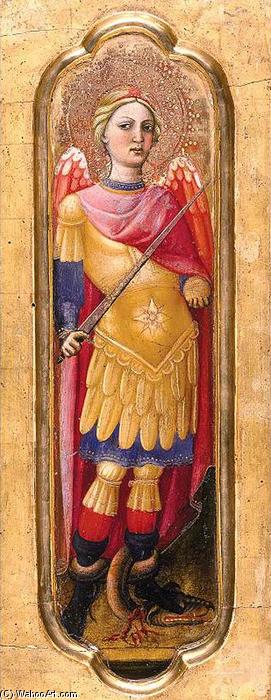
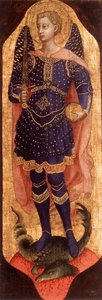
Archangel Michael
 53.0 x 21.0 cm
 Читать далее
Жикле / Арт-принт
Печать (жикле) или холст музейного качества с быстрыми сроками изготовления и широким выбором вариантов отделки. ( Купить картину ручной работы Перейти к цифровым изображениям)




































Выберите один из наших стандартных размеров, соответствующих оригинальным пропорциям произведения искусства.

Вы можете указать свои собственные размеры, чтобы репродукция идеально подошла под конкретную раму или пространство. Если выбранный вами размер не будет соответствовать пропорциям оригинала, мы либо обрежем произведение, либо дополним изображение зеркальным отражением краев или однотонной заливкой. Перед началом производства вам будет отправлен цифровой макет для утверждения.
Пожалуйста, обратите внимание, что предварительный просмотр на экране не отображает фактическую обрезку или расширение изображения. Только макет точно покажет финальную композицию.
Несмотря на возможность заказа индивидуальных размеров, мы рекомендуем выбирать размер из предопределенного списка, чтобы сохранить оригинальные пропорции.
Доставка по всему миру () за 2 недели вместо стандартных 4/5 недель. (12 Сентябрь)

Бесплатная экспресс-доставка по всему миру

Высококачественный льняной холст

Полное страхование доставки

Гарантия возмещения таможенных пошлин

Гарантия точного соответствия цветов

100-дневная политика возврата (только при обнаружении дефектов)

Гарантия возврата 100% средств

Предложение оптовых скидок
 Вариант со стеклом доступен только для размеров менее 110 см

Archangel Michael
Жикле / Арт-принт
Размер репродукции
-


Итоговая стоимость
$ 62
Похожие произведения
Биография художника
A Portuguese Soul in the Heart of Tuscany
The story of Álvaro Pirez de Évora is one of remarkable movement and cultural synthesis, tracing a path from the sun-drenched landscapes of Portugal to the intellectual crucible of the Italian Renaissance. Known also as Alvaro di Piero, this pioneering artist emerged in the early 15th century as a rare bridge between the Iberian Peninsula and the burgeoning artistic revolution in Tuscany. While much of his early life remains shrouded in the mists of history, it is widely believed that he was born in Évora around 1411. His journey likely took him through Valencia, where he would have been immersed in the meticulous detail and expressive fresco traditions of the Valencian School, a training that provided him with a foundational mastery of color and form long before he ever set foot on Italian soil.
By approximately 1411, Álvaro had established himself in Pisa, marking the beginning of a prolific career that would leave an indelible mark on the Tuscan landscape. His arrival coincided with a period of profound transformation in art, as the heavy, static forms of the Middle Ages began to yield to the more humanistic and dynamic aesthetics of the early Renaissance. Moving through the artistic circles of Pisa and Volterra, he did not merely mimic the local masters but instead engaged in a sophisticated dialogue with them. His work reflects a deep-seated understanding of the stylistic currents flowing from Florence, absorbing the monumental gravity of Giotto and the nuanced elegance of Taddeo Bartoli.
The Brilliance of Color and Devotion
What truly distinguishes the oeuvre of Álvaro Pirez de Évora from his contemporaries is a certain luminous vitality. While many artists of the period favored more somber or muted palettes, Álvaro was celebrated for a brilliance of color that breathed life into his sacred subjects. This characteristic was noted even by the legendary historian Giorgio Vasari, who remarked upon the artist's ability to create more brilliant coloring than his peers. His technique often utilized tempera and gold ground on panel, a medium that allowed him to capture light in ways that felt both divine and tangibly present.
His religious panels were not merely objects of veneration but windows into profound theological narratives. In masterpieces such as “The Presentation in the Temple,” painted around 1430, one finds a breathtaking orchestration of emotion and symbolism. Within this small yet powerful panel, the infant Jesus is presented with an immediacy that transcends its modest dimensions. The interplay between the radiant Virgin Mary and the watchful, reverent figures surrounding her creates a sense of sacred intimacy. Through his brush, even subtle details—such as birds perched in the corners or the weathered face of the prophetess Anna—contribute to a larger tapestry of faith, redemption, and divine providence.
Legacy of a Renaissance Pioneer
The historical significance of Álvaro Pirez de Évora lies in his role as an early agent of internationalism within the Renaissance. His ability to transplant the expressive qualities of the Iberian and Valencian traditions into the heart of Tuscany helped enrich the very fabric of Italian art. His catalogue, which includes approximately eighty works such as the “Archangel Michael” and various triptychs, demonstrates a consistent mastery of portraying monumental figures endowed with dynamic movement and deep emotional resonance.
Though his life was relatively short—with records suggesting he was active until at least 1434—his impact endured through the many altarpieces and panels that graced the churches and aristocratic halls of Italy. He remains a testament to the era's spirit of exploration, proving that the Renaissance was not merely a localized Italian phenomenon, but a vibrant, interconnected movement fueled by the talents of artists who dared to cross borders and redefine the visual language of their time.
alvaro pirez d'évora
1411 - 1434 , Portugal
Основные сведения
- Artistic Movement Or Style: Late Gothic Painting
- Artists Or Movements Influenced By This Artist: ['Florence']
- Artists Who Influenced This Artist:
- Taddeo Bartoli
- Turino di Vanni
- Date Of Birth: Before 1411
- Date Of Death: After 1434
- Full Name: Álvaro Pires de Évora
- Nationality: Portuguese
- Notable Artworks:
- The Presentation in the Temple
- Archangel Michael
- Place Of Birth: Évora, Portugal