 Предпросмотр
 Поделиться
 Поделиться
 Детали произведения

 Скачать
 Похожие работы
 Рентгенография
 Слайд-шоу
 Статистика
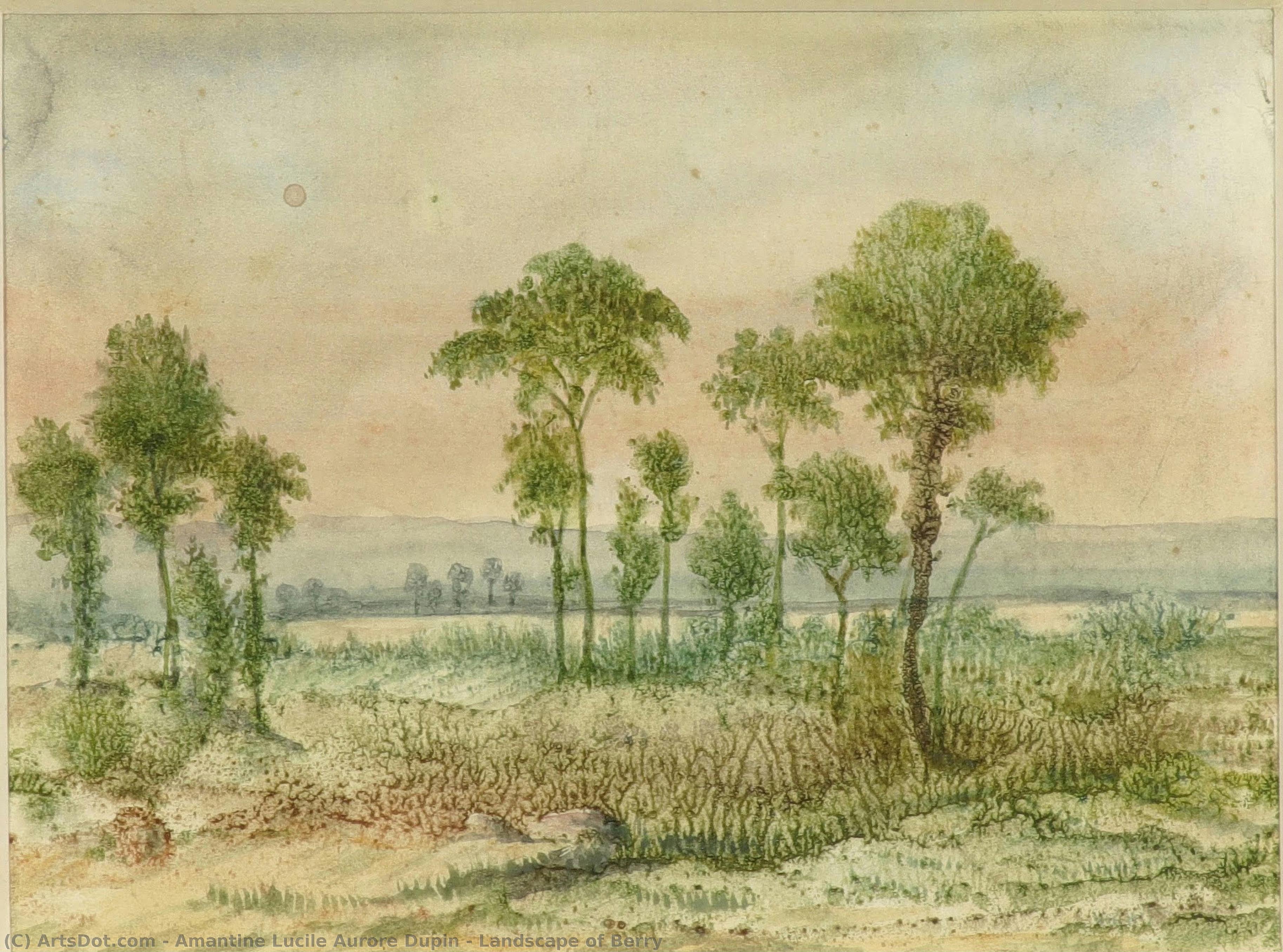
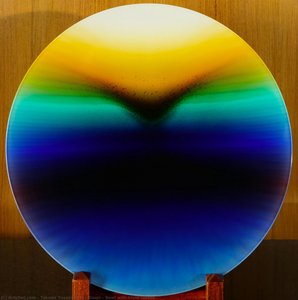
Landscape of Berry

 Читать далее
Жикле / Арт-принт
Печать (жикле) или холст музейного качества с быстрыми сроками изготовления и широким выбором вариантов отделки. ( Купить картину ручной работы Перейти к цифровым изображениям)




































Выберите один из наших стандартных размеров, соответствующих оригинальным пропорциям произведения искусства.

Вы можете указать свои собственные размеры, чтобы репродукция идеально подошла под конкретную раму или пространство. Если выбранный вами размер не будет соответствовать пропорциям оригинала, мы либо обрежем произведение, либо дополним изображение зеркальным отражением краев или однотонной заливкой. Перед началом производства вам будет отправлен цифровой макет для утверждения.
Пожалуйста, обратите внимание, что предварительный просмотр на экране не отображает фактическую обрезку или расширение изображения. Только макет точно покажет финальную композицию.
Несмотря на возможность заказа индивидуальных размеров, мы рекомендуем выбирать размер из предопределенного списка, чтобы сохранить оригинальные пропорции.
Доставка по всему миру () за 2 недели вместо стандартных 4/5 недель. (13 Сентябрь)

Бесплатная экспресс-доставка по всему миру

Высококачественный льняной холст

Полное страхование доставки

Гарантия возмещения таможенных пошлин

Гарантия точного соответствия цветов

100-дневная политика возврата (только при обнаружении дефектов)

Гарантия возврата 100% средств

Предложение оптовых скидок
 Вариант со стеклом доступен только для размеров менее 110 см

Landscape of Berry
Жикле / Арт-принт
Размер репродукции
-


Итоговая стоимость
$ 62
Похожие произведения


Биография художника
A Literary Life Painted in Words: The World of George Sand
Amantine Lucile Aurore Dupin, known to the world as George Sand, was more than just a novelist; she was a force of nature, a societal disruptor, and a literary pioneer who carved her own path through 19th-century France. Born in Paris on July 1st, 1804, into a family marked by contrasting fortunes – an aristocratic father and a mother from more modest beginnings – Sand’s early life was steeped in the complexities of social class and expectation. This duality would profoundly shape her worldview and become a recurring theme throughout her prolific body of work. Her childhood refuge at Nohant, the family estate in Berry, proved to be a wellspring of inspiration, a place where she could connect with nature and nurture her burgeoning creativity. It was a sanctuary that would remain central to her life, providing both solace and fuel for her imagination.Breaking Boundaries: The Birth of a Pen Name and Literary Rebellion
Sand’s personal life was far from conventional. A marriage to Baron Dudevant proved deeply unhappy, leading to separation and an uncommon divorce for a woman of her time. This experience ignited within her a fierce independence and fueled her growing advocacy for women's rights. In 1830, she boldly stepped onto the literary stage, not as Amantine Dupin, but as “George Sand.” The adoption of a male pseudonym was a deliberate act of defiance, a strategic maneuver to circumvent societal prejudices that would have otherwise hindered her acceptance in the predominantly male world of letters. It allowed her work to be judged on its merits, rather than dismissed because of her gender. Her first novel, *Le Mari d’Amatine*, marked not only the beginning of an extraordinary literary career but also a declaration of independence and a challenge to established norms.A Prolific Output: Themes of Passion, Justice, and Social Change
George Sand quickly became one of the most prolific and popular writers of her era, producing over seventy novels alongside numerous plays, memoirs, and journalistic pieces. Her works delved into a wide range of themes, consistently addressing progressive ideas that resonated with a changing society. *Les Feuilles d’or* (The Golden Leaves), a collection of short stories, explored the delicate nuances of love, loss, and the sublime beauty of the natural world. *La Présidente* offered a compelling examination of the challenges faced by women seeking leadership roles in a patriarchal society, while *L’autre Sœur* (The Other Sister) intricately portrayed the complexities of family relationships and the restrictive expectations placed upon women. Sand's writing was not merely entertainment; it was a platform for social commentary. She passionately championed women’s rights, advocating for greater autonomy and equality. She fearlessly depicted the struggles of the working class, criticizing social inequalities and offering empathetic portrayals of those marginalized by society. Her novels often questioned conventional marriage structures, exploring alternative forms of relationships and portraying passionate, unconventional love affairs that challenged Victorian morality.A Lasting Legacy: Feminist Icon and Literary Innovator
George Sand’s influence extended far beyond the realm of literature. She was a vocal political commentator and social reformer, actively engaging with the tumultuous events of her time. Her popularity during her lifetime rivaled that of Victor Hugo and Honoré de Balzac, solidifying her position as a towering figure in the European Romantic movement. Today, she is rightfully regarded as a pioneering feminist writer whose works paved the way for future generations of female authors. Her literary innovations – her use of realism, psychological depth, and exploration of social issues – profoundly influenced countless writers who followed in her footsteps. Sand’s personal life, marked by unconventional choices and unwavering independence, made her a controversial yet captivating figure, contributing to the broader cultural shifts of the 19th century. Her legacy continues to inspire those who champion equality, justice, and the power of artistic expression. Institutions like the Musée d'Art et d'Histoire de Cholet, which houses a bronze sculpture by Pierre-Jean David D’Angers, and collections such as that at Somerville College, offer glimpses into the life and enduring impact of this remarkable writer and cultural icon. George Sand remains a testament to the power of words to challenge conventions, ignite change, and illuminate the human condition.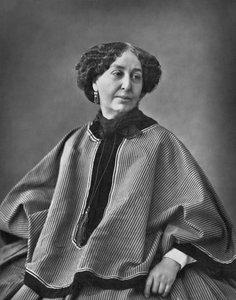
amantine lucile aurore dupin
1804 - 1876 , France
Основные сведения
- Artistic Movement Or Style: European Romanticism
- Artists Or Movements Influenced By This Artist:
- Feminist writers
- European novelists
- Date Of Birth: July 1, 1804
- Date Of Death: 1876
- Full Name: Amantine Lucile Aurore Dupin
- Nationality: French
- Notable Artworks:
- Les Feuilles d'or
- La Présidente
- L’autre sœur
- Landscape of Berry
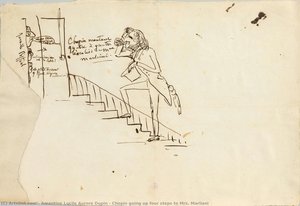
- Chopin going up four steps
- Place Of Birth: Paris, France