

 Предпросмотр
 Поделиться
 Поделиться
 Детали произведения

 Скачать
 Похожие работы
 Рентгенография
 Слайд-шоу
 Статистика
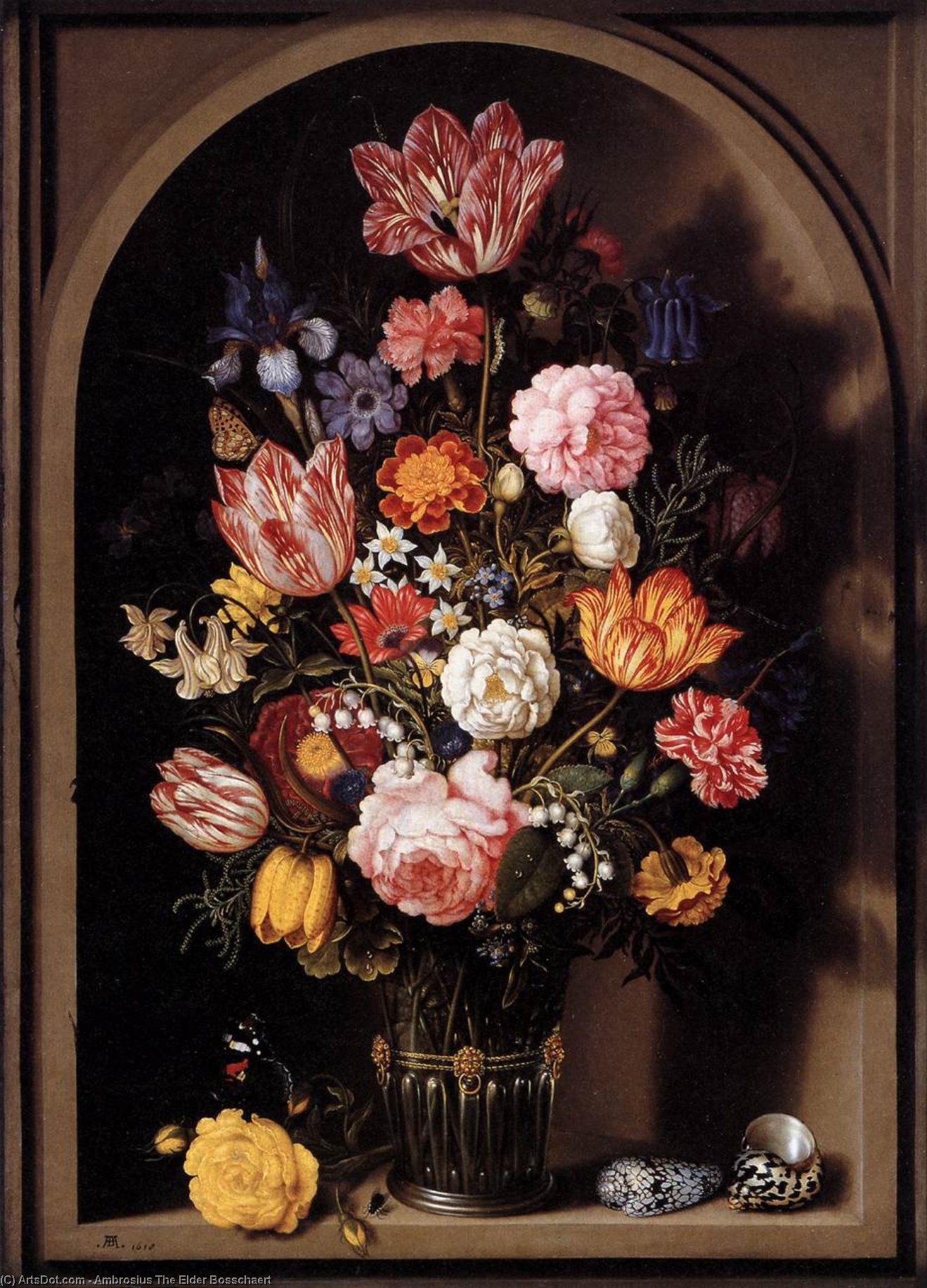
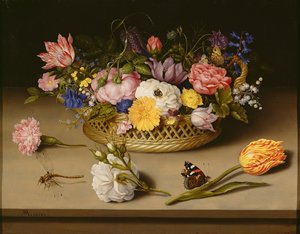
Bouquet of Flowers in a Vase
 Oil On Canvas
- WallArt
- Baroque
 1618
1618- Early Modern
 55.0 x 39.0 cm
 Статс-музей искусств Дании
 Читать далее
Приобретите цифровое изображение высокого разрешения в улучшенном качестве, которое значительно превосходит онлайн-превью.
Каждый файл тщательно подготавливается нашими специалистами с использованием передовых инструментов и экспертной ручной ретуши. Мы гарантируем исключительную четкость, точную цветопередачу и детальную проработку каждого изображения.
Финальный файл доставляется по электронной почте в течение 72 часов и оптимизирован для немедленного использования в профессиональной среде, при верстке и печати. Это тот же уровень качества, которому доверяют ведущие дизайнерские студии, издательства и галереи.
Цифровое изображение
Скачайте файл высокого разрешения для личного использования, печати и творческих проектов. ( Перейти к печати Купить картину ручной работы)
Включено в каждый заказ цифровых изображений
Гарантия экспертной цифровой доставки
Выбирая ArtsDot.com, вы получаете не просто изображение — вы приобретаете профессионально обработанное цифровое произведение искусства, созданное с безупречной точностью и под защитой гарантии качества. Вот всё, что автоматически входит в ваш заказ:

Мгновенная доставка по e-mail
Ваш цифровой файл в высоком разрешении будет отправлен вам по электронной почте в течение 72 часов после оформления заказа — и сразу станет доступен для использования.

Цифровой файл с ИИ-улучшением
Ваше произведение искусства проходит профессиональную оптимизацию с использованием передовых инструментов ИИ и ручной обработки, что гарантирует максимальную детализацию, четкость и точность цветопередачи.

Бессрочная бесплатная повторная доставка
Случайно удалили или потеряли файл? Не беспокойтесь — мы отправим его вам повторно в любое время и совершенно бесплатно.

Без импортных пошлин — навсегда
Наслаждайтесь вашим произведением искусства мгновенно без таможенных пошлин, сборов или затрат на доставку — цифровые загрузки всегда не облагаются налогом.

Гарантия точности цветопередачи
Мы гарантируем, что ваше цифровое изображение максимально точно передает оригинальные цвета благодаря использованию профессиональных инструментов и систем управления цветом.

Гарантия удовлетворенности 100 дней
Если вы не будете удовлетворены своим цифровым изображением, мы внесем правки или вернем 100% стоимости в течение 100 дней — без лишних вопросов.

100% Гарантия возврата средств
Не удовлетворены покупкой? Получите полный возврат средств в течение 100 дней после получения цифрового файла — без лишних вопросов.

Скидки на оптовые заказы
Купите 3 изображения, сэкономьте 10% — Купите 5, сэкономьте 15% — Купите 10+, сэкономьте 20%. Отличное решение для творческих проектов, галерей и агентств.
A Symphony of Bloom and Mortality
In the quiet, dramatic atmosphere of the Dutch Golden Age, few works capture the ephemeral beauty of life as poignantly as Ambrosius Bosschaert the Elder’s Bouquet of Flowers in a Vase. This masterwork is not merely a depiction of flora; it is a meticulously orchestrated visual poem. At first glance, the viewer is swept up in an explosion of abundance, where roses, tulips, peonies, and anemones surge upward within an elegant arched frame. The composition is dense and opulent, pulling the eye through layers of velvety petals and delicate stems that seem to breathe against the deep, shadowy void of the background. It is a painting that demands attention, offering a sensory experience that feels both lushly tactile and profoundly spiritual.
The technique employed by Bosschaert is a testament to the pinnacle of 17th-century oil painting. Utilizing a masterful application of chiaroscuro, the artist directs light with surgical precision, illuminating the soft curves of a petal or the translucent veins of a leaf while allowing the rest of the arrangement to recede into mystery. This interplay of light and shadow creates an incredible sense of three-dimensional depth, making the blossoms appear as if they are emerging from the canvas itself. For the discerning collector or interior designer, this piece offers a commanding presence; its rich, warm palette of reds, oranges, and golds provides a sophisticated focal point that can anchor a room with classical grandeur.
Symbolism and the Vanitas Tradition
Beyond its surface splendor, the artwork serves as a profound meditation on the concept of Vanitas—a common theme in Dutch Golden Age art that contemplates the transience of earthly life. While the flowers represent the peak of natural beauty and vitality, Bosschaert subtly introduces elements of decay and mortality. The presence of a small silver skull nestled at the base of the arrangement acts as a powerful memento mori, a gentle yet firm reminder that all living things must eventually fade. This juxtaposition between the vibrant, blooming life of the tulips and the silent permanence of the skull creates a captivating emotional tension.
Even the delicate butterfly, fluttering near the blossoms, contributes to this narrative of transformation and the fleeting nature of time. To possess or display such a reproduction is to invite a conversation about the beauty found in the present moment. It is an ideal selection for those who appreciate art that offers intellectual depth alongside aesthetic pleasure. Whether placed in a contemporary gallery setting or a traditional study, this painting brings with it the weight of history and the timeless elegance of the Baroque era, making it a truly transformative addition to any curated collection.
Похожие произведения



Биография художника
Ambrosius Bosschaert the Elder: Pioneer of Dutch Floral Still Life
Born in Antwerp in 1573, Ambrosius Bosschaert the Elder emerged as a pivotal figure in the burgeoning world of Dutch art during the Golden Age. Initially trained within the established artistic circles of his birthplace, he soon found himself drawn to a distinctive and revolutionary genre: the meticulously rendered floral still life. His journey wasn’t merely one of stylistic innovation; it was intertwined with personal circumstance – a relocation driven by religious persecution that ultimately shaped his career and legacy in Middelburg, where he would become a dominant force for decades.
Early life in Antwerp laid the foundation for Bosschaert's artistic sensibilities. He joined the city’s Guild of Saint Luke at the young age of twenty-one, demonstrating an early commitment to his craft and establishing himself within the established art community. However, it was the threat of religious upheaval that propelled him eastward, leading to a period of residence in Middelburg from 1587 until 1613. This move proved transformative, providing him with both refuge and fertile ground for developing his unique style. It’s during this time that he began to specialize in painting intricate bouquets – a genre previously less explored as an independent subject matter.
The Rise of the Floral Still Life
Bosschaert is widely recognized as one of the earliest artists to elevate the floral still life into a distinct and respected artistic category. Prior to his work, flower paintings were often integrated within broader compositions or served primarily as decorative elements. Bosschaert, however, treated flowers with an unprecedented level of detail, scientific accuracy, and compositional symmetry. His bouquets, frequently executed on copper panels, weren’t merely arrangements; they were carefully constructed narratives, imbued with symbolic meaning and a profound appreciation for the natural world.
His technique was remarkably precise. He meticulously depicted each petal, leaf, and stem, often incorporating elements of botanical illustration – a testament to his keen observation skills. The bouquets he created weren’t haphazard collections; they were carefully balanced arrangements, reflecting an understanding of both artistic principles and the inherent beauty of the flowers themselves. Tulips and roses became staples in his work, mirroring their growing popularity and symbolic significance within Dutch society at the time – a reflection of the nation's burgeoning trade with the East.
Style and Symbolism
Bosschaert’s style was characterized by its meticulous detail, symmetrical composition, and scientific approach. He wasn’t simply painting flowers; he was documenting them, studying their forms, and capturing their essence with remarkable fidelity. His works often included symbolic elements – a deliberate choice that elevated the still life beyond mere representation. Flowers were frequently associated with religious themes, conveying messages of faith, hope, and remembrance. The arrangement itself held significance, mirroring the principles of harmony and balance found in classical art.
Despite his considerable skill and popularity, Bosschaert never achieved the same level of widespread fame as artists like Jan Brueghel the Elder, who was equally influential in the floral genre. However, his impact on the development of Dutch flower painting is undeniable. He established a tradition that would be continued by his sons and numerous pupils, solidifying Middelburg’s position as the leading center for this specialized art form within the Dutch Republic.
Legacy and Influence
Ambrosius Bosschaert's legacy extends far beyond his individual works. He fundamentally shifted the perception of still life painting, transforming it from a secondary genre into a respected artistic pursuit. His meticulous approach to floral representation influenced generations of artists, including Jan Fyt (Joannes Fijt) and Rachel Ruysch, who both specialized in still life painting and built upon his foundations.
His works are now housed in prestigious collections such as the St. Joriskerk Museum in Amersfoor, a testament to their enduring artistic value. The meticulous detail and scientific observation evident in Bosschaert’s paintings continue to captivate viewers today, offering a glimpse into the vibrant world of 17th-century Dutch art and the profound appreciation for nature that characterized the era.
ambrosius the elder bosschaert
1573 - 1621
Основные сведения
- Artistic Movement Or Style: Dutch Golden Age, Floral Still Life
- Artists Or Movements Influenced By This Artist:
- Jan Fyt
- Rachel Ruysch
- Artists Who Influenced This Artist: ['Jan Brueghel the Elder']
- Date Of Birth: 1573-01-18
- Date Of Death: 1621-01-16
- Full Name: Ambrosius Bosschaert the Elder
- Nationality: Flemish, Dutch
- Notable Artworks:
- Bouquet in an Arched Window
- Bouquet of Flowers in a Vase
- Place Of Birth: Antwerp, Belgium