

 Предпросмотр
 Поделиться
 Поделиться
 Детали произведения

 Скачать
 Похожие работы
 Рентгенография
 Слайд-шоу
 Статистика
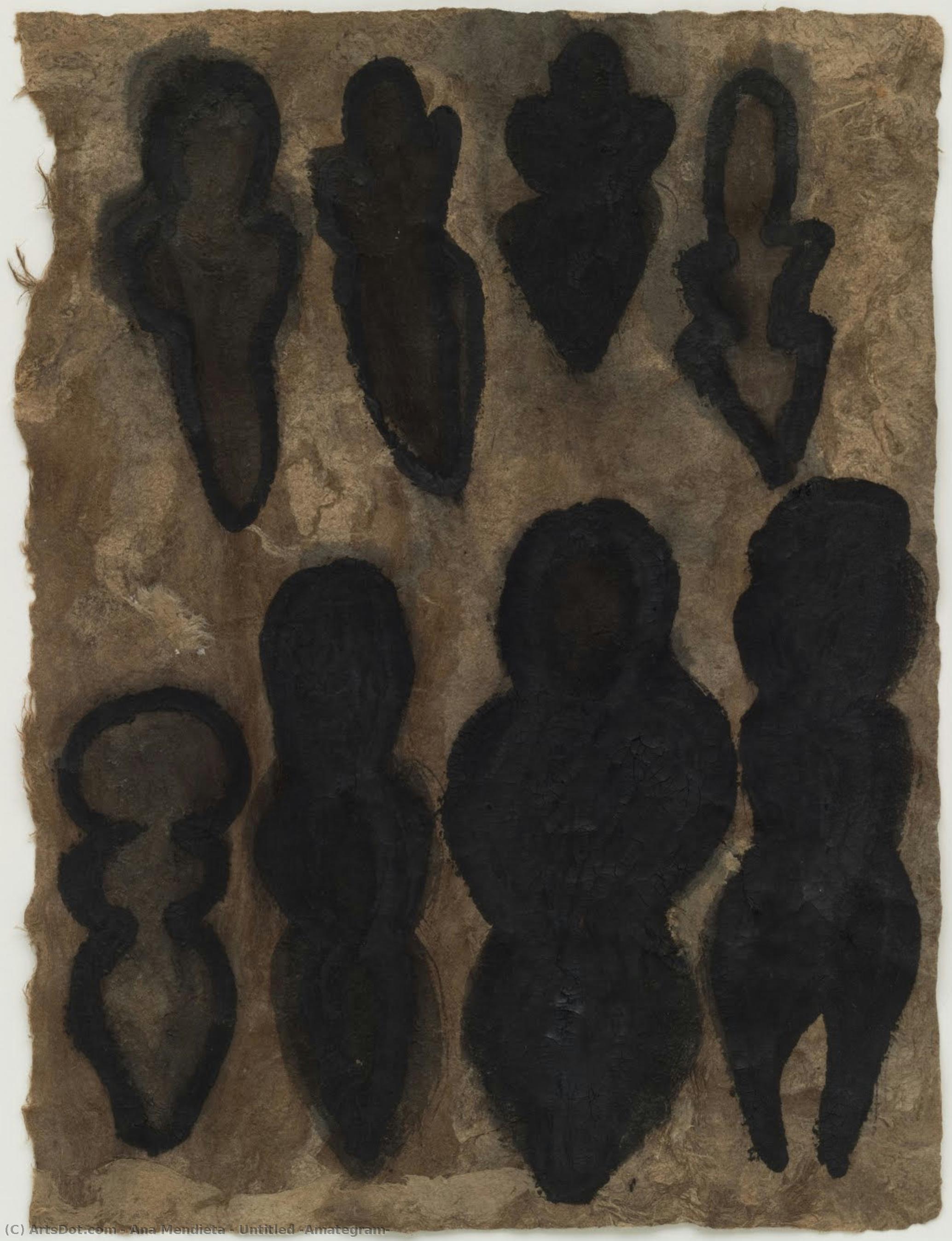
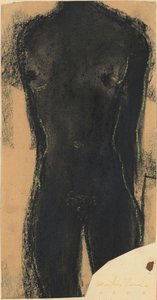
Untitled (Amategram)
 Charcoal
- WallArt
- Contemporary Minimalism
 1983
1983 30.0 x 40.0 cm
 Музей современного искусства (Нью-Йорк)
 Читать далее
Масляная репродукция ручной работы
Картина маслом на холсте в выбранном вами размере и раме, написанная на заказ нашими художниками. ( Перейти к печати Перейти к цифровым изображениям)




P118B $10

P118H $10

P118W $10

P438Z $10

P508JH $12

P508YH $12

P805H $10

P805Z $10

P919BZ $10

P919G $10

P919XJ $10

P959ZH $10

P968JZ $12

W106C $8

W218G $10

W218JH $8

W218Y $10

W307PJ $10

W316G $10

W316PJ $8

W316Y $10

W398PJ $8

W4111J $10

W500HY $15

W500JH $15

W692G $12

W849H $8

W940BG $15

W953PJ $8




Выберите один из наших стандартных размеров, соответствующих оригинальным пропорциям произведения искусства.

Вы можете указать собственные размеры, чтобы картина идеально вписалась в выбранную раму или пространство. Если выбранный вами размер не соответствует пропорциям оригинала, мы либо обрежем полотно, либо расширим его за счет дополнительных элементов, написанных вручную. Цифровой макет будет отправлен вам на утверждение перед началом производства.
Обратите внимание, что предварительный просмотр на экране не отражает фактическую обрезку или расширение. Только макет точно покажет окончательную композицию.
Хотя доступны индивидуальные размеры, мы рекомендуем выбирать вариант из предопределенного списка, чтобы сохранить исходные пропорции.
После оформления заказа команда ArtsDot.com свяжется с клиентом по электронной почте для уточнения деталей и предоставит предварительный макет
Доставка по всему миру () за 3–4 недели вместо стандартных 5 недель. (11 Сентябрь). Без компромиссов в качестве.

Бесплатная экспресс-доставка по всему миру

Высококачественный льняной холст

Полное страхование доставки

Гарантия возмещения таможенных пошлин

Гарантия точного соответствия цветов

100-дневная политика возврата (только при обнаружении дефектов)

Гарантия возврата 100% средств

Предложение оптовых скидок
 Вариант со стеклом доступен только для размеров менее 110 см

Untitled (Amategram)
Техника репродукции
Размер репродукции
-


Итоговая стоимость
$ 438
Echoes of Earth and Spirit: Exploring Ana Mendieta's Untitled (Amategram)
To stand before an image like Untitled (Amategram) is to encounter not merely charcoal on paper, but a profound dialogue between the self, the earth, and memory. Ana Mendieta’s work possesses an undeniable resonance, drawing the viewer into a space that feels both deeply personal and universally ancestral. This piece, executed in 1983, transcends simple representation; it is a ritualistic gathering of forms, rendered with the delicate yet powerful touch of charcoal. The monochromatic palette—a whisper of black against the warm, aged tan of the paper—immediately sets a tone of introspection, inviting contemplation into the quiet corners of the soul.
The Language of Form and Line
Mendieta’s technique here is masterful in its restraint. She employs loose, gestural charcoal lines that do not seek to define with photographic precision but rather suggest existence. The figures are simplified, almost primal silhouettes, arranged across the surface in a composition that feels both accidental and meticulously planned, like an unearthed pattern or a ceremonial grouping. There is a palpable sense of texture; one can almost feel the grit of the charcoal dust against the rough grain of the paper. This interplay between soft smudging and visible texture gives the work its haunting vitality. The forms themselves evoke femininity, fertility, and the enduring connection to origins—themes central to Mendieta’s lifelong artistic inquiry.
A Tapestry Woven by Exile and Return
Understanding Ana Mendieta requires acknowledging the weight of her life journey. Born in Havana, Cuba, her early life was irrevocably shaped by political upheaval and subsequent exile. This displacement—the forced separation from homeland and culture—did not break her spirit; instead, it channeled itself into an art that sought to reconnect with elemental truths: the earth, the body, the bloodline. Untitled (Amategram) speaks volumes about this journey. The 'Amategram' title hints at materials and traditions far removed from the gallery wall, grounding the ethereal figures in a tangible, cultural memory. It is an art born of necessity, a visual testament to survival.
Symbolism and Emotional Resonance for Your Space
For those considering bringing this powerful aesthetic into a curated interior or collection, the emotional impact is paramount. This piece does not shout; it murmurs secrets. Its mystery lends itself beautifully to spaces that value depth over flash—a sophisticated study, an intimate lounge, or a gallery wall requiring intellectual weight. The composition’s grid-like yet organic arrangement suggests community and collective identity, offering a focal point that encourages conversation. Reproducing this work allows one to harness its quiet power, transforming a mere decorative element into a profound meditation piece.
Acquiring the Echo: Reproduction Details
This reproduction captures the essence of Mendieta’s original charcoal drawing on paper, scaled here to 30 x 40 cm. By choosing this high-quality print, you are acquiring more than just an image; you are curating a piece of art history that speaks eloquently of resilience. The soft, diffused lighting captured in the reproduction maintains the work's atmospheric quality, ensuring that even when viewed from a distance, the subtle interplay between charcoal and tan background remains captivating.
Похожие произведения
Биография художника
Ana Mendieta: A Life Intertwined with Earth and Spirit
Ana Mendieta, born in Havana, Cuba, in 1948, was an artist whose work remains profoundly resonant decades after her untimely death. Her story is one of exile, displacement, and a fierce determination to reconnect with ancestral roots through art. The daughter of a prominent Cuban family – her father an attorney linked to former president Carlos Mendieta, her mother a chemist – young Ana’s life was irrevocably altered by the political upheaval following Castro's revolution. At just twelve years old, she was sent unaccompanied to Dubuque, Iowa, as part of Operation Peter Pan, a mass exodus of children fleeing the new regime. This separation from family and homeland became a defining trauma, deeply influencing her artistic trajectory. The initial years in America were marked by hardship: navigating language barriers, adjusting to foster homes, and grappling with a sense of profound cultural alienation. It wasn’t until 1966 that she was reunited with her mother and brother, followed later by her father after his release from a Cuban prison in 1979. This experience of being uprooted and searching for belonging would become central to the themes explored throughout her oeuvre.Forging an Earth-Body Dialogue
Mendieta’s artistic education began at the University of Iowa, where she earned both a Bachelor's and Master's degree in painting. However, it was within the progressive Intermedia program that her unique vision truly blossomed. Influenced by contemporaries like Vito Acconci and Lynda Benglis, she moved beyond traditional mediums to embrace performance, sculpture, film, and photography – all unified by a radical concept: an intimate dialogue between the human body and the natural world. This led to the development of what became known as her “earth-body” works, a series of ephemeral interventions where she imprinted her form onto landscapes, using earth, water, fire, and even her own blood as artistic materials. The *Silueta Series*, begun in 1973 and comprising over 200 works, is perhaps her most iconic achievement. These weren’t simply self-portraits; they were acts of spiritual communion, attempts to reclaim a lost connection to the earth and to ancestral feminine forces. She wasn't merely *in* the landscape, she sought to *become* part of it, dissolving boundaries between self and environment. The silhouettes, often created through casting her body in clay or creating voids in the earth, evoke ancient rituals and primal energies. Her meticulous process involved carefully selecting locations—often deserts—and meticulously documenting each intervention with photographs.Themes of Feminism, Identity, and Displacement
Mendieta’s art is profoundly infused with feminist concerns, addressing issues of violence against women and exploring the female experience from a uniquely personal and political perspective. Her work frequently alluded to the historical silencing and erasure of women within patriarchal structures. The use of her own body as both subject and medium was a courageous assertion of agency and a defiant rejection of conventional representations of femininity. Beyond feminism, Mendieta grappled with the complexities of cultural identity and displacement. As a Cuban-American artist navigating two worlds, she interrogated notions of belonging and explored themes of exile, longing, and remembrance. Her artistic explorations were deeply informed by Afro-Cuban Santería traditions, which emphasized reverence for nature and ancestral spirits—influences that permeated her visual vocabulary and ritualistic gestures. The earth itself served as a repository of memory, symbolizing resilience and the enduring connection to heritage.Recognition and Artistic Legacy
Throughout her career, Ana Mendieta received considerable acclaim, including National Endowment for the Arts grants, a John Simon Guggenheim Fellowship, and a Rome Prize. Her groundbreaking work was exhibited internationally at prestigious institutions such as the New Museum of Contemporary Art and the Hirshhorn Museum, cementing her position as a pivotal figure in postwar art. Posthumously, she honored with The Cintas Foundation Lifetime Achievement Award in 2009, solidifying her enduring influence on subsequent generations of artists. Her pioneering approach to performance art—particularly her exploration of embodiment—challenged artistic conventions and inspired artists to consider the relationship between human experience and the natural world. Furthermore, Mendieta’s *Silueta Series* continues to captivate audiences with its haunting beauty and symbolic depth, serving as a poignant reminder of our fundamental connection to the planet and to the spiritual realm. Her art remains an unparalleled testament to artistic innovation and its capacity to provoke contemplation on matters of identity, feminism, and ecological awareness.
Ана Мендиэта
1948 - 1985 , Куба
Основные сведения
- Artistic Movement Or Style: Эрра арт, перформанс искусство
- Artists Or Movements Influenced By This Artist: ['Современные художники']
- Artists Who Influenced This Artist:
- Вито Аккончи
- Линда Бенглис
- Date Of Birth: Ноябрь 18, 1948
- Date Of Death: Сентябрь 8, 1985
- Full Name: Ana Mendieta
- Nationality: Кубинско-американская
- Notable Artworks:
- 6 600х408
- Сильюэты
- Place Of Birth: Гавана, Куба
Похожие статьи

Giclée Prints: Archival Quality & Aesthetic Nuances for the Discerning Collector
Explore the world of giclée prints with ArtsDot. Learn about archival quality, aesthetic nuances & investment potential. Expert guidance for discerning art collectors seeking museum-quality reproductions and lasting value.

Геометрическая абстракция: 10 шедевров, изменивших искусство | ArtsDot.com
Погрузитесь в мир геометрической абстракции! От Кандинского до Малевича – 10 шедевров, изменивших искусство. Узнайте историю создания и значение культовых картин. Репродукции музейного качества на ArtsDot.com. Вдохновение для вашего интерьера!
Топ-25 шедевров Василия Кандинского: Абстрактное искусство для вашего интерьера
Погрузитесь в мир абстрактного искусства с Василием Кандинским! 25 шедевров экспрессионизма, баухауса и русского авангарда. Репродукции картин Кандинского для вдохновения и декора вашего интерьера. Откройте всю коллекцию на ArtsDot.com
Топ-10 шедевров абстрактного экспрессионизма: искусство для вашего интерьера от ArtsDot.com
Погрузитесь в мир абстрактного экспрессионизма! Откройте для себя 10 шедевров Поллока, Ротко и других гениев. История искусства, техники живописи и вдохновение для вашего интерьера от ArtsDot.com. Explore the full collection online!

The Enduring Legacy of Fine Art Prints: Technique, History & Aesthetic Impact
Explore the rich history & techniques of fine art prints. Discover investment potential, assess authenticity, and learn how to preserve your collection with expert guidance. Trusted insights for discerning collectors.