

 Предпросмотр
 Поделиться
 Поделиться
 Детали произведения

 Скачать
 Похожие работы
 Рентгенография
 Слайд-шоу
 Статистика
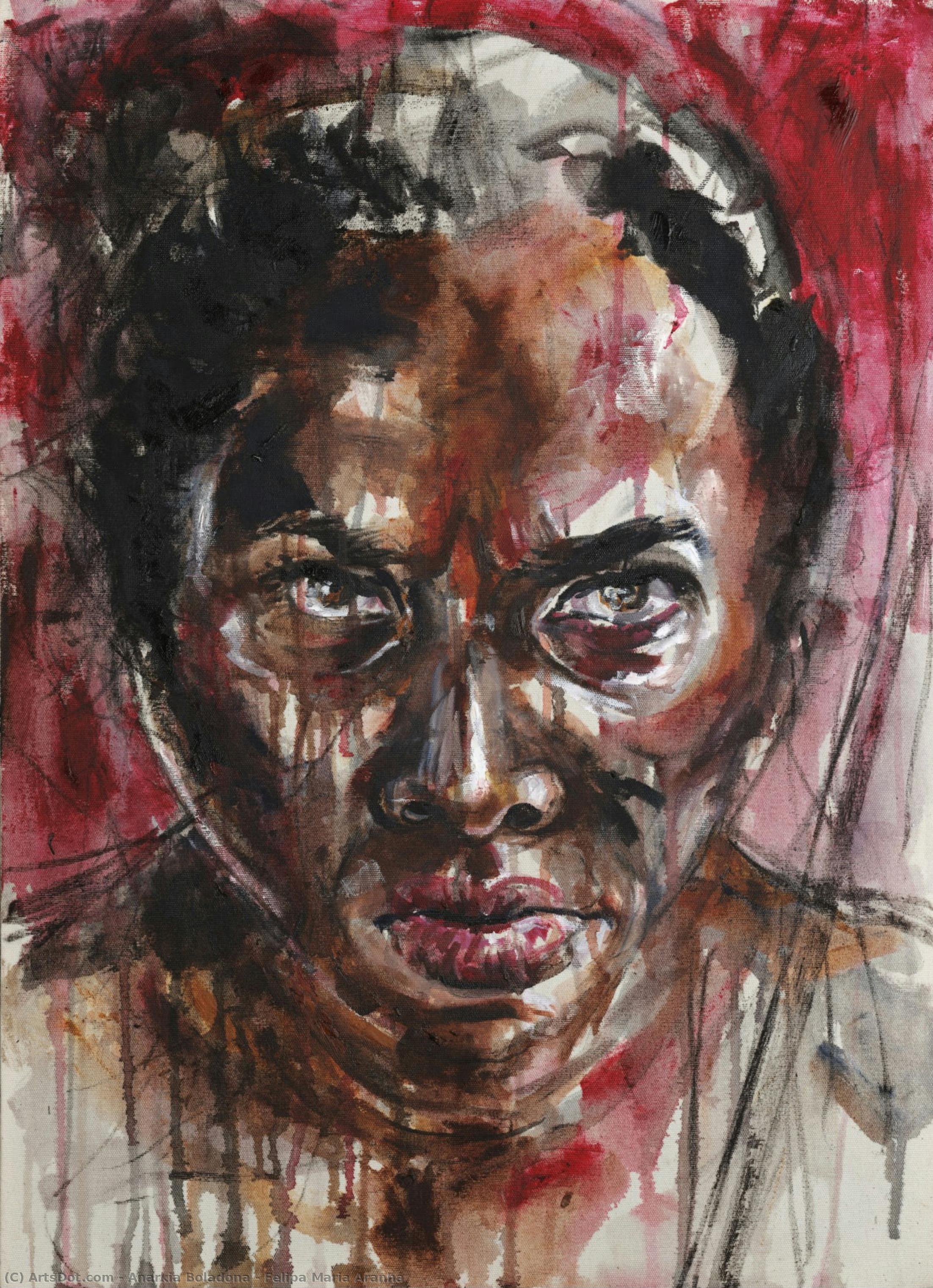
Felipa Maria Aranha
 2020
2020 4.0 x 8.0 cm
 Pinacoteca do Estado de São Paulo
 Читать далее
Приобретите цифровое изображение высокого разрешения в улучшенном качестве, которое значительно превосходит онлайн-превью.
Каждый файл тщательно подготавливается нашими специалистами с использованием передовых инструментов и экспертной ручной ретуши. Мы гарантируем исключительную четкость, точную цветопередачу и детальную проработку каждого изображения.
Финальный файл доставляется по электронной почте в течение 72 часов и оптимизирован для немедленного использования в профессиональной среде, при верстке и печати. Это тот же уровень качества, которому доверяют ведущие дизайнерские студии, издательства и галереи.
Цифровое изображение
Скачайте файл высокого разрешения для личного использования, печати и творческих проектов. ( Перейти к печати Купить картину ручной работы)
Включено в каждый заказ цифровых изображений
Гарантия экспертной цифровой доставки
Выбирая ArtsDot.com, вы получаете не просто изображение — вы приобретаете профессионально обработанное цифровое произведение искусства, созданное с безупречной точностью и под защитой гарантии качества. Вот всё, что автоматически входит в ваш заказ:

Мгновенная доставка по e-mail
Ваш цифровой файл в высоком разрешении будет отправлен вам по электронной почте в течение 72 часов после оформления заказа — и сразу станет доступен для использования.

Цифровой файл с ИИ-улучшением
Ваше произведение искусства проходит профессиональную оптимизацию с использованием передовых инструментов ИИ и ручной обработки, что гарантирует максимальную детализацию, четкость и точность цветопередачи.

Бессрочная бесплатная повторная доставка
Случайно удалили или потеряли файл? Не беспокойтесь — мы отправим его вам повторно в любое время и совершенно бесплатно.

Без импортных пошлин — навсегда
Наслаждайтесь вашим произведением искусства мгновенно без таможенных пошлин, сборов или затрат на доставку — цифровые загрузки всегда не облагаются налогом.

Гарантия точности цветопередачи
Мы гарантируем, что ваше цифровое изображение максимально точно передает оригинальные цвета благодаря использованию профессиональных инструментов и систем управления цветом.

Гарантия удовлетворенности 100 дней
Если вы не будете удовлетворены своим цифровым изображением, мы внесем правки или вернем 100% стоимости в течение 100 дней — без лишних вопросов.

100% Гарантия возврата средств
Не удовлетворены покупкой? Получите полный возврат средств в течение 100 дней после получения цифрового файла — без лишних вопросов.

Скидки на оптовые заказы
Купите 3 изображения, сэкономьте 10% — Купите 5, сэкономьте 15% — Купите 10+, сэкономьте 20%. Отличное решение для творческих проектов, галерей и агентств.
Похожие произведения








Биография художника
Anarkia Boladona: Exploring Intimacy and Resistance Through Art
Born in the vibrant, complex landscape of Rio de Janeiro in 1981, Panmela Castro—often recognized by her powerful pseudonym Anarkia Boladona—has emerged as a profound voice in contemporary Brazilian art. Her journey is one of transformation, moving from the raw, rebellious energy of street graffiti to the sophisticated, introspective realms of painting and performance. Raised in the neighborhood of Penha, Castro’s early life was shaped by the social realities of Rio's periphery, where she witnessed firsthand the intersections of poverty, racism, and gender violence. This environment did not merely serve as a backdrop for her work; it became the very catalyst for her creative revolt, driving her to use art as a tool for survival and social critique.
Her formal artistic foundation is deeply rooted in academic excellence, having earned a Bachelor's degree in Painting from the School of Fine Arts at the Federal University of Rio de Janeiro and a Master's degree in Contemporary Artistic Processes from the State University of Rio de Janeiro. This rigorous training allowed her to bridge the gap between the spontaneous, transgressive spirit of the streets and the nuanced techniques of classical and contemporary fine art. While she began her career tagging the walls of Rio with the "nom de guerre" Anarkia Boladona—a name evoking a sense of "Crazy Anarchy"—her evolution saw her adopting her birth name as she transitioned into professional muralism and gallery work, focusing on more polished, colorful portraits that celebrate female empowerment.
A Visual Language of Empowerment and Vulnerability
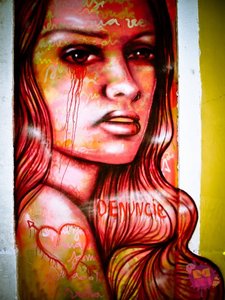
Castro’s artistic style is a captivating blend of confessional vulnerability and assertive social commentary. Her work often centers on the exploration of the marginalized female body, treating it as a critical language to navigate urban spaces and interpersonal relationships. Through her canvases and murals, she explores themes of corporeality, sexuality, and identity, often utilizing a luminous palette that draws subtle inspiration from the atmospheric qualities of Impressionism. Yet, beneath the aesthetic beauty lies a deep-seated commitment to activism. Her art serves as a mirror to the struggles of women in a patriarchal society, reclaiming the narrative of the female form from historical objectification to a site of agency and strength.
The technical execution of her work varies across media, yet a consistent thread of emotional immediacy remains. In her street art and large-scale murals, she frequently employs spray paint to create striking, monumental portraits that demand attention in the public sphere. These works often feature:
- Vibrant Color Palettes: Using bold hues to evoke emotion and command visibility within the urban landscape.
- Symbolic Imagery: Integrating elements of myth and personal history to discuss complex issues like gender-based violence.
- Interdisciplinary Approaches: Blending painting with photography, video, and performance art to create a multi-sensory experience of resistance.
Legacy and Social Impact
Beyond the gallery walls, Panmela Castro’s significance lies in her role as an activist-artist. Her lived experiences with domestic violence have profoundly informed her mission, leading her to establish an NGO dedicated to using art as a weapon against violence. This fusion of creative practice and humanitarian effort has cemented her status as one of the most prominent figures in contemporary Brazilian art. Her work has been recognized internationally, appearing in prestigious collections such as the Urban Nation Museum in Berlin and through collaborations with global street art initiatives.
Ultimately, Castro’s oeuvre represents a courageous confrontation with the shadows of society. By transforming personal trauma and social injustice into profound visual narratives, she challenges viewers to look closely at the complexities of human existence. Her legacy is not found merely in the permanence of her murals on Rio's walls, but in the enduring dialogue she fosters regarding feminism, human rights, and the transformative power of the creative spirit.
anarkia boladona
1981 - , Brazil
Основные сведения
- Artistic Movement Or Style: Contemporary Art
- Artists Or Movements Influenced By This Artist:
- Louis Lozowick
- Pierre-Auguste Renoir
- Artists Who Influenced This Artist:
- George Graham
- Rex Vicat Cole
- John Vicat Cole
- Date Of Birth: June 26, 1981
- Full Name: anarkia boladona (Panmela Castro)
- Nationality: Brazilian
- Notable Artworks:
- Cambridge Corn
- Angel of Hearth and Home
- Place Of Birth: Rio de Janeiro, Brazil