

 Предпросмотр
 Поделиться
 Поделиться
 Детали произведения

 Скачать
 Похожие работы
 Рентгенография
 Слайд-шоу
 Статистика
Karleksnymf

 Читать далее
Жикле / Арт-принт
Печать (жикле) или холст музейного качества с быстрыми сроками изготовления и широким выбором вариантов отделки. ( Купить картину ручной работы Перейти к цифровым изображениям)




































Выберите один из наших стандартных размеров, соответствующих оригинальным пропорциям произведения искусства.

Вы можете указать свои собственные размеры, чтобы репродукция идеально подошла под конкретную раму или пространство. Если выбранный вами размер не будет соответствовать пропорциям оригинала, мы либо обрежем произведение, либо дополним изображение зеркальным отражением краев или однотонной заливкой. Перед началом производства вам будет отправлен цифровой макет для утверждения.
Пожалуйста, обратите внимание, что предварительный просмотр на экране не отображает фактическую обрезку или расширение изображения. Только макет точно покажет финальную композицию.
Несмотря на возможность заказа индивидуальных размеров, мы рекомендуем выбирать размер из предопределенного списка, чтобы сохранить оригинальные пропорции.
Доставка по всему миру () за 2 недели вместо стандартных 4/5 недель. (11 Сентябрь)

Бесплатная экспресс-доставка по всему миру

Высококачественный льняной холст

Полное страхование доставки

Гарантия возмещения таможенных пошлин

Гарантия точного соответствия цветов

100-дневная политика возврата (только при обнаружении дефектов)

Гарантия возврата 100% средств

Предложение оптовых скидок
 Вариант со стеклом доступен только для размеров менее 110 см

Karleksnymf
Жикле / Арт-принт
Размер репродукции
-


Итоговая стоимость
$ 62
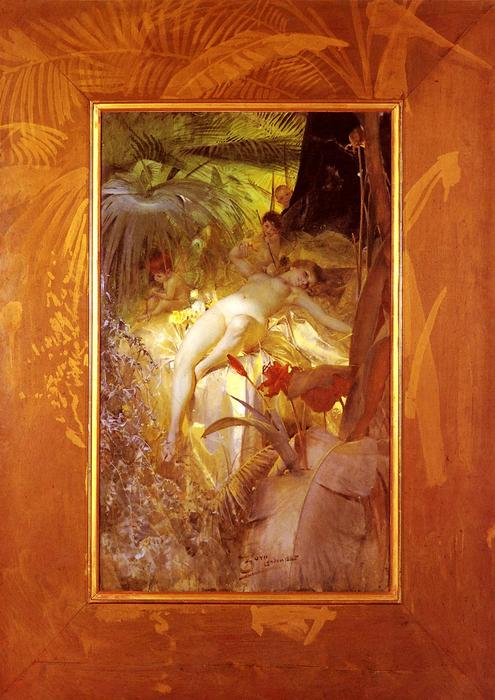
Karleksnymf by Anders Leonard Zorn: A Study in Sensuality and Nature
Karleksnymf (Love Nymph), painted around 1885 by the renowned Swedish artist Anders Leonard Zorn, is a captivating watercolor that embodies the spirit of late 19th-century Impressionism and Symbolism. This artwork presents a romantic and sensual scene depicting a reclining nude female figure immersed in lush foliage, evoking a dreamlike atmosphere through its masterful use of light and shadow.
Composition and Technique: A Harmonious Blend
The composition centers around the reclining woman, who lies amidst dense vegetation, suggesting a secluded, idyllic setting. Zorn skillfully utilizes a central arrangement, drawing the viewer's eye directly to her form while the surrounding foliage frames her, enhancing the sense of enclosure and intimacy. Diagonal lines created by leaning figures and branches add dynamism to the scene. The artist’s technique is characterized by soft, flowing lines, particularly evident in the depiction of foliage and the contours of the female figure. This lack of sharp edges contributes significantly to the dreamlike quality of the piece. Zorn's use of watercolor allows for a luminous effect, with layers of translucent color creating depth and vibrancy. The visible brushstrokes add texture and further enhance the impressionistic style.
Symbolism and Emotional Impact: Idealized Beauty and Eroticism
Karleksnymf is rich in symbolic elements. The reclining nude figure immediately evokes classical mythology, referencing Venus and other goddesses of love and beauty. This imagery aligns with the romantic ideals prevalent during Zorn’s time, emphasizing idealized beauty and eroticism. The secluded setting suggests a private moment of intimacy, further amplifying the sensual nature of the artwork. The harmony between humans and nature is also a key theme; the woman's integration within the foliage symbolizes a connection to the natural world, suggesting a sense of peace and tranquility. The warm color palette—golds, yellows, oranges, and browns with accents of red and green—contributes to this feeling of warmth, sensuality, and vibrancy.
Historical Context: Impressionism and Symbolism in Sweden
Zorn’s Karleksnymf emerged during a period of significant artistic transition. The late 19th century witnessed the rise of both Impressionism and Symbolism, movements that challenged traditional academic art. Impressionism focused on capturing fleeting moments and the effects of light, while Symbolism explored subjective experiences and emotional expression through evocative imagery. Zorn’s work reflects these influences, blending the impressionistic emphasis on light and color with the symbolic exploration of themes like love, beauty, and nature. His style shares similarities with artists such as Gustav Klimt and Fernand Khnopff, demonstrating his place within this broader European artistic landscape. Zorn was a prominent figure in Swedish art during this era, known for his portraits of royalty and influential figures, but Karleksnymf stands out as a particularly evocative example of his artistic skill and sensitivity.
Похожие произведения
Биография художника
Anders Leonard Zorn: A Swedish Master of Light and Life
Anders Leonard Zorn, a name synonymous with vibrant Impressionism and masterful portraiture, stands as Sweden’s most celebrated artist. Born in 1860 amidst the rustic beauty of Dalarna, his journey from humble beginnings to international acclaim is a testament to raw talent nurtured by relentless dedication. Unlike many artists who sought formal training within established circles, Zorn's early education was rooted in the practicalities of rural life and an innate artistic sensibility that blossomed even before entering the Royal Swedish Academy of Arts at the remarkably young age of twelve. His childhood on his grandparents’ farm instilled a deep connection to the land and its people—a theme that would resonate throughout his oeuvre, particularly in his evocative depictions of Swedish peasant life. This early exposure wasn't merely about subject matter; it was about capturing a way of being, an authenticity that infused his work with a unique emotional depth.Early Years and Artistic Beginnings
Zorn’s artistic journey began not within the hallowed halls of a prestigious academy, but on the very soil of his family’s farm in Mora, Sweden. His parents, though separated at birth, instilled in him a deep appreciation for craftsmanship and the rhythms of rural life. He spent his formative years learning wood carving from his grandparents, developing an early fascination with capturing form and detail – skills that would later inform his meticulous approach to portraiture. At the age of twelve, he was sent to Enköping, a nearby town, where he received a more structured education, attending a grammar school and discovering his exceptional talent for drawing. This initial recognition led to his acceptance into the Royal Swedish Academy of Arts in Stockholm at just fifteen years old – an extraordinary achievement for someone from such humble origins. Initially intending to pursue sculpture, Zorn quickly found himself drawn to watercolor painting, captivated by its ability to capture fleeting moments and atmospheric effects. He was particularly influenced by the work of Egron Lundgren, a prominent Swedish watercolorist whose vibrant landscapes demonstrated a mastery of light and color that deeply resonated with young Zorn.The Rise to International Recognition
Zorn’s early success in watercolor propelled him onto the art scene, attracting commissions from Stockholm's elite and setting the stage for an international career. A pivotal moment arrived with “In Mourning” (1880), a watercolor portrait that showcased his remarkable sensitivity and technical prowess. This work, depicting a young girl grieving her deceased mother, captured the profound sadness of loss with breathtaking realism and emotional depth. The painting was exhibited at the Academy’s annual exhibition and immediately garnered widespread acclaim, establishing Zorn as a rising star in the Swedish art world. He quickly realized that his talent demanded more than the constraints of academic training; he sought to break free from traditional artistic conventions and forge his own unique style. This desire led him to embark on extensive travels throughout Europe – London, Paris, Spain, and Tangier – immersing himself in diverse cultures and artistic traditions. These journeys broadened his perspective and influenced his approach to subject matter, particularly his fascination with capturing the essence of everyday life.A Synthesis of Influences and Artistic Development
Zorn’s style was not a simple imitation of any single movement or artist; rather, it was a carefully crafted synthesis of various influences. He absorbed elements from Spanish masters like Velázquez – particularly his masterful use of light and shadow – while simultaneously drawing inspiration from the directness and realism of Scandinavian naturalism. His time spent in Paris exposed him to new ideas and techniques, but he always remained true to his own artistic instincts, developing a distinctive style characterized by its luminous color palette, meticulous detail, and emotional intensity. A crucial turning point came when Zorn began experimenting with oil painting in the late 1880s. This allowed him to achieve a greater richness of color and texture, further enhancing the vibrancy and immediacy of his work. He embraced a limited palette, focusing on achieving maximum impact through subtle variations in tone and hue—a technique that became a hallmark of his style. His paintings from this period, such as “A Fisherman in St Ives,” demonstrate a newfound confidence and mastery of the medium.Portraits of Royalty and Presidents
Zorn’s international success was largely fueled by his remarkable talent for portraiture. He possessed an uncanny ability to capture not just physical likenesses but also the character, intellect, and even the soul of his subjects. He painted portraits of royalty – including King Oscar II of Sweden – as well as prominent figures from American society, including Grover Cleveland, William H. Taft, and Theodore Roosevelt. His portraits were highly sought after by wealthy patrons and influential politicians alike, solidifying his reputation as one of the most accomplished portraitists of his era. His ability to distill the essence of his sitters into compelling visual narratives was a testament to his keen observational skills and profound understanding of human psychology.Legacy and Enduring Impact
Anders Zorn’s influence extends far beyond his stunning body of work. He was not only a gifted artist but also a dedicated patron of the arts, establishing the Bellman Prize in 1920—a prestigious literary award for Swedish poets that continues to be awarded today. This act underscores his commitment to fostering creativity and supporting cultural expression within his homeland. His paintings are now held in prominent museums worldwide, including the Nationalmuseum in Stockholm, the Musée d'Orsay in Paris, and the Metropolitan Museum of Art in New York. The Zorn Collections in Mora, Sweden—comprising Zorngården, Zorn Museum, Gammelgård, and Gopsmor—serve as a lasting tribute to his life and legacy, offering visitors an intimate glimpse into his world. Zorn’s ability to capture the beauty of everyday life, combined with his technical brilliance and unwavering artistic vision, cemented his place as one of the most important artists of his generation. He remains a source of inspiration for artists today, a testament to the enduring power of light, color, and human connection in art. His work continues to resonate with audiences worldwide, reminding us of the beauty that can be found in both the grand and the mundane.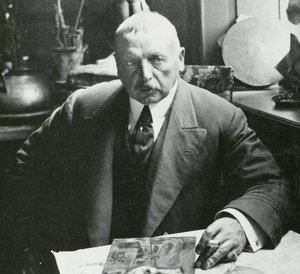
Андерс Зорн
1860 - 1920 , Швеция
Основные сведения
- Artistic Movement Or Style: Импрессионизм
- Artists Or Movements Influenced By This Artist: ['Шведское искусство']
- Artists Who Influenced This Artist:
- Egron Lundgren
- Georg von Rosen
- Date Of Birth: 18 февраля 1860 г.
- Date Of Death: 22 августа 1920 г.
- Full Name: Anders Leonard Zorn
- Nationality: Шведский
- Notable Artworks:
- Midsummer Dance
- Model Study
- Karleksnymf
- Place Of Birth: Мора, Швеция
Похожие статьи
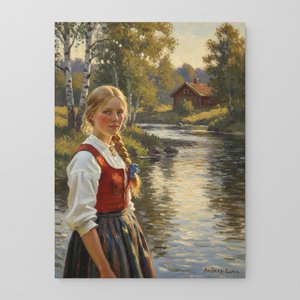
Anders Zorn: A Master of Swedish Impressionism & Ephemeral Light
Explore the life & art of Anders Zorn, a celebrated Swedish Impressionist painter renowned for his masterful portraits, vibrant watercolors, and captivating etchings. Discover his legacy at ArtsDot.

Топ-10 шедевров импрессионизма: искусство мгновения для вашего интерьера
Погрузитесь в мир импрессионизма! Откройте для себя 10 шедевров Моне, Ренуара и других великих мастеров. Узнайте историю создания культовых картин и вдохновитесь для декора интерьера. Репродукции музейного качества на ArtsDot.com.
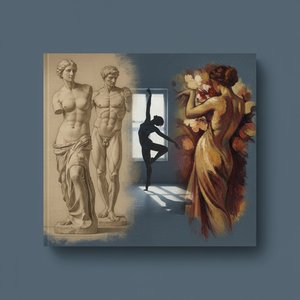
The Enduring Allure of the Nude: A Historical & Artistic Exploration of the Human Form
Explore the captivating history of nude art! Discover iconic paintings & artists from classical to modern eras. Uncover symbolism, techniques & find museum-quality reproductions at ArtsDot.
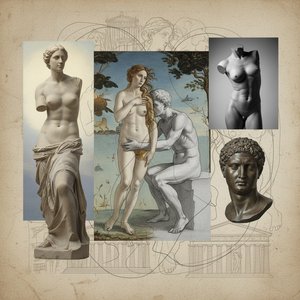
The Eloquent Form: A Historical & Aesthetic Exploration of the Nude in Art
Explore the captivating history of the nude in art! From ancient Greece to modern masters, discover its evolving symbolism, techniques & enduring beauty. Expert insights for collectors and enthusiasts.

25 Шедевров Поля Сезанна: Открывая Новую Эру в Искусстве | ArtsDot
Откройте для себя 25 величайших шедевров Поля Сезанна! Узнайте истории создания картин импрессионизма и постимпрессионизма, технику художника и вдохновение для вашего интерьера. Репродукции картин Сезанна высокого качества на ArtsDot.com.