

 Предпросмотр
 Поделиться
 Поделиться
 Детали произведения

 Скачать
 Похожие работы
 Рентгенография
 Слайд-шоу
 Статистика
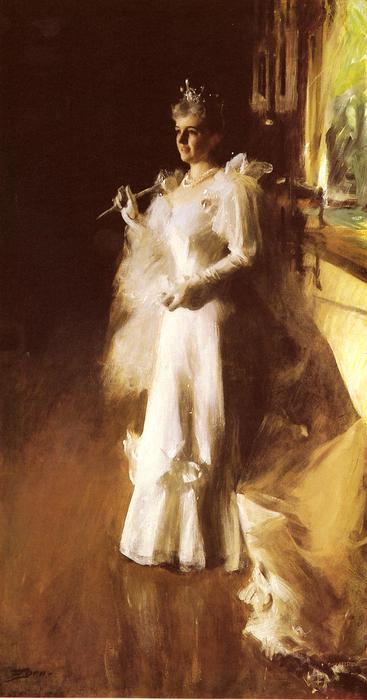
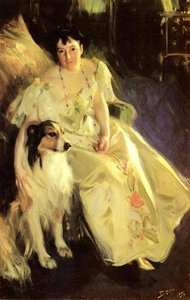
Mrs. Potter Palmer


 Читать далее
Приобретите цифровое изображение высокого разрешения в улучшенном качестве, которое значительно превосходит онлайн-превью.
Каждый файл тщательно подготавливается нашими специалистами с использованием передовых инструментов и экспертной ручной ретуши. Мы гарантируем исключительную четкость, точную цветопередачу и детальную проработку каждого изображения.
Финальный файл доставляется по электронной почте в течение 72 часов и оптимизирован для немедленного использования в профессиональной среде, при верстке и печати. Это тот же уровень качества, которому доверяют ведущие дизайнерские студии, издательства и галереи.
Цифровое изображение
Скачайте файл высокого разрешения для личного использования, печати и творческих проектов. ( Перейти к печати Купить картину ручной работы)
Включено в каждый заказ цифровых изображений
Гарантия экспертной цифровой доставки
Выбирая ArtsDot.com, вы получаете не просто изображение — вы приобретаете профессионально обработанное цифровое произведение искусства, созданное с безупречной точностью и под защитой гарантии качества. Вот всё, что автоматически входит в ваш заказ:

Мгновенная доставка по e-mail
Ваш цифровой файл в высоком разрешении будет отправлен вам по электронной почте в течение 72 часов после оформления заказа — и сразу станет доступен для использования.

Цифровой файл с ИИ-улучшением
Ваше произведение искусства проходит профессиональную оптимизацию с использованием передовых инструментов ИИ и ручной обработки, что гарантирует максимальную детализацию, четкость и точность цветопередачи.

Бессрочная бесплатная повторная доставка
Случайно удалили или потеряли файл? Не беспокойтесь — мы отправим его вам повторно в любое время и совершенно бесплатно.

Без импортных пошлин — навсегда
Наслаждайтесь вашим произведением искусства мгновенно без таможенных пошлин, сборов или затрат на доставку — цифровые загрузки всегда не облагаются налогом.

Гарантия точности цветопередачи
Мы гарантируем, что ваше цифровое изображение максимально точно передает оригинальные цвета благодаря использованию профессиональных инструментов и систем управления цветом.

Гарантия удовлетворенности 100 дней
Если вы не будете удовлетворены своим цифровым изображением, мы внесем правки или вернем 100% стоимости в течение 100 дней — без лишних вопросов.

100% Гарантия возврата средств
Не удовлетворены покупкой? Получите полный возврат средств в течение 100 дней после получения цифрового файла — без лишних вопросов.

Скидки на оптовые заказы
Купите 3 изображения, сэкономьте 10% — Купите 5, сэкономьте 15% — Купите 10+, сэкономьте 20%. Отличное решение для творческих проектов, галерей и агентств.
A Portrait of Grace and Power: Anders Zorn’s “Mrs. Potter Palmer”
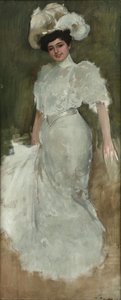
Anders Leonard Zorn's 1893 oil painting, "Mrs. Potter Palmer," is more than just a portrait; it’s a carefully constructed tableau of wealth, social standing, and quiet dignity. The canvas captures Bertha Matilde Palmer, the formidable wife of Chicago industrial magnate Potter Palmer, in an arresting moment of poised elegance. Zorn, a master of capturing fleeting expressions and subtle nuances, doesn't simply depict her appearance; he reveals a complex personality layered beneath a carefully cultivated facade.
The painting immediately draws the eye to Mrs. Palmer’s striking presence. She stands tall, framed by a dark background that emphasizes her luminous white gown—a deliberate choice of color that evokes purity and sophistication. Her posture is impeccable, one hand gracefully holding a fan, the other subtly raised as if offering a gesture of welcome or command. The composition is vertically oriented, lending an air of formality and reinforcing her status. Zorn’s brushwork is remarkably loose and impressionistic, particularly noticeable in the fabric of her dress—a swirling dance of color and texture that suggests both luxury and movement. This technique isn't about photographic realism; it’s about conveying a sense of atmosphere and capturing the light itself.
The Context of Power and Patronage
To fully appreciate “Mrs. Potter Palmer,” one must understand the historical context in which it was created. The late 19th century was an era of rapid industrial growth in Chicago, fueled by railroad expansion and burgeoning wealth. Potter Palmer became a pivotal figure in this transformation, amassing a vast fortune through his involvement in railroads and real estate development. Bertha Palmer, a woman of considerable intelligence and social acumen, played a crucial role in shaping the city’s cultural landscape. She was president of the Board of Lady Managers for the 1893 World's Columbian Exposition—a monumental undertaking that showcased American ingenuity and ambition—and spearheaded numerous philanthropic initiatives.
The painting itself is inextricably linked to this era of civic engagement and social influence. It’s a testament to Bertha Palmer’s position as a leading figure in Chicago society, reflecting her role as a patron of the arts and a champion of charitable causes. The inclusion of the gavel—a symbol of authority and leadership—hints at her active participation in shaping the city's future.
Symbolism and Artistic Technique
Zorn’s masterful use of light and shadow is central to the painting’s impact. The subdued lighting creates a sense of intimacy, drawing the viewer into Mrs. Palmer’s world. Notice how the light catches her face, highlighting her features while leaving much of the background in darkness—a technique that emphasizes her importance and draws attention to her presence. The subtle melancholy in her expression is particularly noteworthy; it suggests a quiet awareness of the burdens and responsibilities associated with her position.
Zorn’s brushwork, as mentioned earlier, is characterized by its fluidity and spontaneity. He employs broken color and visible strokes to create a sense of movement and vibrancy. The layering of oil paints builds up rich textures and subtle gradations of tone, adding depth and dimension to the portrait. The choice of a dark background isn’t merely aesthetic; it serves to elevate Mrs. Palmer's figure, making her appear even more radiant against the somber backdrop.
A Legacy of Art and Influence
"Mrs. Potter Palmer" is not simply a likeness of a wealthy woman; it’s a carefully crafted portrait that encapsulates the spirit of an era. It stands as a testament to Zorn's artistic skill, his ability to capture both the outward appearance and inner character of his subjects. The painting offers a glimpse into the world of Chicago’s elite in the late 19th century—a world defined by ambition, philanthropy, and social influence. Reproductions of this iconic work continue to resonate with art lovers today, offering a captivating window into a bygone era and a profound exploration of human character.
Похожие произведения

Биография художника
Anders Leonard Zorn: A Swedish Master of Light and Life
Anders Leonard Zorn, a name synonymous with vibrant Impressionism and masterful portraiture, stands as Sweden’s most celebrated artist. Born in 1860 amidst the rustic beauty of Dalarna, his journey from humble beginnings to international acclaim is a testament to raw talent nurtured by relentless dedication. Unlike many artists who sought formal training within established circles, Zorn's early education was rooted in the practicalities of rural life and an innate artistic sensibility that blossomed even before entering the Royal Swedish Academy of Arts at the remarkably young age of twelve. His childhood on his grandparents’ farm instilled a deep connection to the land and its people—a theme that would resonate throughout his oeuvre, particularly in his evocative depictions of Swedish peasant life. This early exposure wasn't merely about subject matter; it was about capturing a way of being, an authenticity that infused his work with a unique emotional depth.Early Years and Artistic Beginnings
Zorn’s artistic journey began not within the hallowed halls of a prestigious academy, but on the very soil of his family’s farm in Mora, Sweden. His parents, though separated at birth, instilled in him a deep appreciation for craftsmanship and the rhythms of rural life. He spent his formative years learning wood carving from his grandparents, developing an early fascination with capturing form and detail – skills that would later inform his meticulous approach to portraiture. At the age of twelve, he was sent to Enköping, a nearby town, where he received a more structured education, attending a grammar school and discovering his exceptional talent for drawing. This initial recognition led to his acceptance into the Royal Swedish Academy of Arts in Stockholm at just fifteen years old – an extraordinary achievement for someone from such humble origins. Initially intending to pursue sculpture, Zorn quickly found himself drawn to watercolor painting, captivated by its ability to capture fleeting moments and atmospheric effects. He was particularly influenced by the work of Egron Lundgren, a prominent Swedish watercolorist whose vibrant landscapes demonstrated a mastery of light and color that deeply resonated with young Zorn.The Rise to International Recognition
Zorn’s early success in watercolor propelled him onto the art scene, attracting commissions from Stockholm's elite and setting the stage for an international career. A pivotal moment arrived with “In Mourning” (1880), a watercolor portrait that showcased his remarkable sensitivity and technical prowess. This work, depicting a young girl grieving her deceased mother, captured the profound sadness of loss with breathtaking realism and emotional depth. The painting was exhibited at the Academy’s annual exhibition and immediately garnered widespread acclaim, establishing Zorn as a rising star in the Swedish art world. He quickly realized that his talent demanded more than the constraints of academic training; he sought to break free from traditional artistic conventions and forge his own unique style. This desire led him to embark on extensive travels throughout Europe – London, Paris, Spain, and Tangier – immersing himself in diverse cultures and artistic traditions. These journeys broadened his perspective and influenced his approach to subject matter, particularly his fascination with capturing the essence of everyday life.A Synthesis of Influences and Artistic Development
Zorn’s style was not a simple imitation of any single movement or artist; rather, it was a carefully crafted synthesis of various influences. He absorbed elements from Spanish masters like Velázquez – particularly his masterful use of light and shadow – while simultaneously drawing inspiration from the directness and realism of Scandinavian naturalism. His time spent in Paris exposed him to new ideas and techniques, but he always remained true to his own artistic instincts, developing a distinctive style characterized by its luminous color palette, meticulous detail, and emotional intensity. A crucial turning point came when Zorn began experimenting with oil painting in the late 1880s. This allowed him to achieve a greater richness of color and texture, further enhancing the vibrancy and immediacy of his work. He embraced a limited palette, focusing on achieving maximum impact through subtle variations in tone and hue—a technique that became a hallmark of his style. His paintings from this period, such as “A Fisherman in St Ives,” demonstrate a newfound confidence and mastery of the medium.Portraits of Royalty and Presidents
Zorn’s international success was largely fueled by his remarkable talent for portraiture. He possessed an uncanny ability to capture not just physical likenesses but also the character, intellect, and even the soul of his subjects. He painted portraits of royalty – including King Oscar II of Sweden – as well as prominent figures from American society, including Grover Cleveland, William H. Taft, and Theodore Roosevelt. His portraits were highly sought after by wealthy patrons and influential politicians alike, solidifying his reputation as one of the most accomplished portraitists of his era. His ability to distill the essence of his sitters into compelling visual narratives was a testament to his keen observational skills and profound understanding of human psychology.Legacy and Enduring Impact
Anders Zorn’s influence extends far beyond his stunning body of work. He was not only a gifted artist but also a dedicated patron of the arts, establishing the Bellman Prize in 1920—a prestigious literary award for Swedish poets that continues to be awarded today. This act underscores his commitment to fostering creativity and supporting cultural expression within his homeland. His paintings are now held in prominent museums worldwide, including the Nationalmuseum in Stockholm, the Musée d'Orsay in Paris, and the Metropolitan Museum of Art in New York. The Zorn Collections in Mora, Sweden—comprising Zorngården, Zorn Museum, Gammelgård, and Gopsmor—serve as a lasting tribute to his life and legacy, offering visitors an intimate glimpse into his world. Zorn’s ability to capture the beauty of everyday life, combined with his technical brilliance and unwavering artistic vision, cemented his place as one of the most important artists of his generation. He remains a source of inspiration for artists today, a testament to the enduring power of light, color, and human connection in art. His work continues to resonate with audiences worldwide, reminding us of the beauty that can be found in both the grand and the mundane.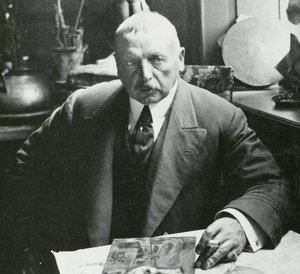
Андерс Зорн
1860 - 1920 , Швеция
Основные сведения
- Artistic Movement Or Style: Импрессионизм
- Artists Or Movements Influenced By This Artist: ['Шведское искусство']
- Artists Who Influenced This Artist:
- Egron Lundgren
- Georg von Rosen
- Date Of Birth: 18 февраля 1860 г.
- Date Of Death: 22 августа 1920 г.
- Full Name: Anders Leonard Zorn
- Nationality: Шведский
- Notable Artworks:
- Midsummer Dance
- Model Study
- Karleksnymf
- Place Of Birth: Мора, Швеция