

 Предпросмотр
 Поделиться
 Поделиться
 Детали произведения

 Скачать
 Похожие работы
 Рентгенография
 Слайд-шоу
 Статистика
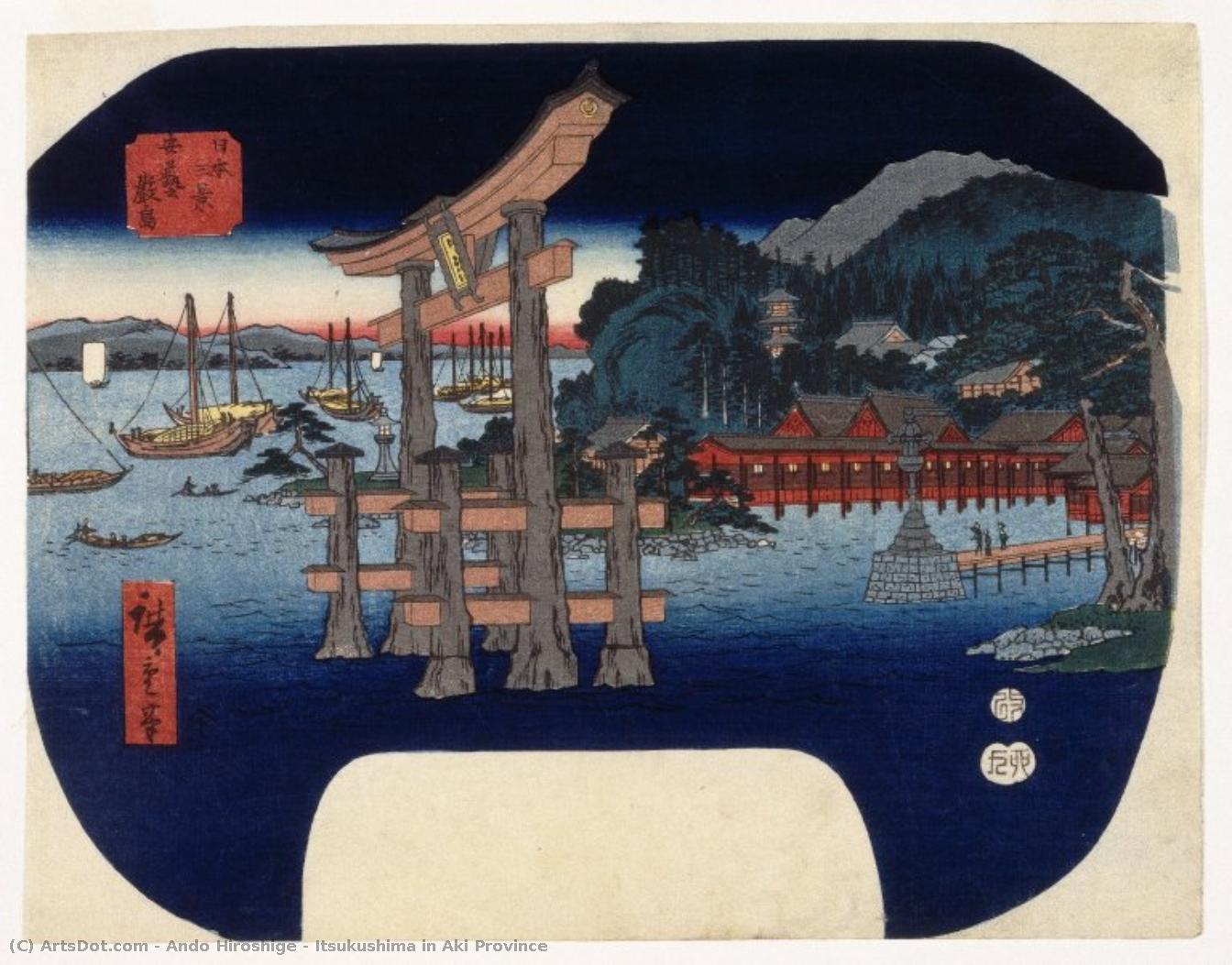
Itsukushima in Aki Province


 Читать далее
Масляная репродукция ручной работы
Картина маслом на холсте в выбранном вами размере и раме, написанная на заказ нашими художниками. ( Перейти к печати Перейти к цифровым изображениям)




P118B $10

P118H $10

P118W $10

P438Z $10

P508JH $12

P508YH $12

P805H $10

P805Z $10

P919BZ $10

P919G $10

P919XJ $10

P959ZH $10

P968JZ $12

W106C $8

W218G $10

W218JH $8

W218Y $10

W307PJ $10

W316G $10

W316PJ $8

W316Y $10

W398PJ $8

W4111J $10

W500HY $15

W500JH $15

W692G $12

W849H $8

W940BG $15

W953PJ $8




Выберите один из наших стандартных размеров, соответствующих оригинальным пропорциям произведения искусства.

Вы можете указать собственные размеры, чтобы картина идеально вписалась в выбранную раму или пространство. Если выбранный вами размер не соответствует пропорциям оригинала, мы либо обрежем полотно, либо расширим его за счет дополнительных элементов, написанных вручную. Цифровой макет будет отправлен вам на утверждение перед началом производства.
Обратите внимание, что предварительный просмотр на экране не отражает фактическую обрезку или расширение. Только макет точно покажет окончательную композицию.
Хотя доступны индивидуальные размеры, мы рекомендуем выбирать вариант из предопределенного списка, чтобы сохранить исходные пропорции.
После оформления заказа команда ArtsDot.com свяжется с клиентом по электронной почте для уточнения деталей и предоставит предварительный макет
Доставка по всему миру () за 3–4 недели вместо стандартных 5 недель. (10 Сентябрь). Без компромиссов в качестве.

Бесплатная экспресс-доставка по всему миру

Высококачественный льняной холст

Полное страхование доставки

Гарантия возмещения таможенных пошлин

Гарантия точного соответствия цветов

100-дневная политика возврата (только при обнаружении дефектов)

Гарантия возврата 100% средств

Предложение оптовых скидок
 Вариант со стеклом доступен только для размеров менее 110 см

Itsukushima in Aki Province
Техника репродукции
Размер репродукции
-


Итоговая стоимость
$ 263
A Window into the Floating World
In the delicate interplay of mist and water, Itsukushima in Aki Province offers more than a mere glimpse of a Japanese landmark; it provides a profound meditation on the ephemeral nature of existence. Created by the legendary ukiyo-e master Ando Hiroshige in 1858, this woodcut print captures the spiritual essence of the Itsukushima shrine area with a poetic sensitivity that remains unparalleled. As one gazes upon the composition, the eye is immediately drawn to the sturdy wooden bridge that spans the tranquil waters, its structural rhythm acting as a tether between the viewer and the vast, atmospheric landscape. The palette, dominated by soothing blues and crisp whites, evokes the cool, damp air of a coastal morning, while subtle accents of red and black provide the necessary depth to ground the ethereal scene.
The artistry of Hiroshige lies in his ability to transform a topographical view into an emotional experience. Through the masterful use of bokashi—the delicate gradation of ink—he creates a sense of receding distance and atmospheric haze, where majestic mountains rise like ghosts against the sky. This technique does not merely depict depth; it invites a sense of mystery, suggesting that much of the natural world remains hidden behind the veil of mist. For the collector or interior designer, this piece serves as a focal point of serenity, offering a visual breath of fresh air that can transform a modern space into a sanctuary of contemplation.
The Harmony of Tradition and Observation
To understand the soul of this work, one must look to the historical context of Edo-period Japan. Hiroshige lived through a time of relative peace under the Tokugawa shogunate, a period that allowed for the flourishing of the "floating world"—a culture dedicated to celebrating the fleeting beauties of life. Unlike many of his contemporaries who focused on the vibrant, often hedonistic scenes of urban pleasure districts, Hiroshoge turned his gaze toward the landscape. His work reflects a deep connection to the Zen Buddhist philosophy of the era, where stillness and the quiet observation of nature were seen as pathways to enlightenment.
In Itsukushima in Aki Province, this philosophy is manifest in the balance of movement and stasis. The scattered boats upon the water introduce a gentle pulse of human activity, reminding us that even in the most tranquil landscapes, life continues its rhythmic flow. This juxtaposition of man-made structures—the bridge and the vessels—against the indomitable power of the mountains creates a narrative of coexistence. For those seeking to adorn a home with art that speaks of endurance and grace, this reproduction captures a timeless moment where human endeavor and natural majesty exist in perfect, silent harmony.
Похожие произведения
Биография художника
A Poetic Vision of Edo Japan: The Life and Art of Ando Hiroshige
Ando Hiroshige, born Andō Tokutarō in 1797 within the vibrant heart of Edo (modern Tokyo), wasn’t initially destined for a life immersed in the world of art. His lineage traced back to samurai roots—a legacy of honor and duty—yet fate intervened with a poignant shift. The untimely loss of his parents during his childhood propelled him into an apprenticeship under Utagawa Toyohiro, a highly respected figure within the *ukiyo-e* tradition – a captivating realm of woodblock prints that captured the ephemeral beauty of everyday Japanese life. This unexpected turn set in motion a remarkable artistic journey, transforming a young orphan into one of Japan’s most celebrated and influential artists. Early works didn't immediately garner widespread acclaim, but Hiroshige diligently honed his skills, patiently refining his technique and steadily building a path toward recognition. He even briefly fulfilled familial obligations as a fire warden – a stark contrast to the delicate landscapes that would ultimately define his enduring legacy. This unique blend of responsibility and burgeoning artistic passion shaped a distinctive perspective, deeply attuned to both the grandeur and the quiet moments of Edo society.Landscapes That Breathe: Hiroshige’s Artistic Development
Hiroshige's true breakthrough arrived with his unwavering dedication to landscape prints – a genre that was, at the time, considered somewhat secondary within the *ukiyo-e* world. He didn’t simply replicate what he saw; instead, he imbued his scenes with an emotional resonance that deeply moved audiences. His work wasn’t merely about depicting places; it was about capturing the *feeling* of being in those locations – the gentle mist clinging to Mount Fuji, the bustling energy of the Tokaido Road, the serene beauty of a plum orchard bursting into bloom. His series became windows into the soul of Japan. The iconic “Thirty-Six Views of Mount Fuji” stands as a testament to this mastery, presenting the sacred mountain from countless perspectives – each revealing a unique facet of its symbolic power and spiritual significance. Equally celebrated is "Fifty-Three Stations of the Tokaido," a meticulously detailed chronicle of the vital trade route connecting Edo and Kyoto. These weren’t just maps; they were vibrant snapshots of life in motion, capturing the travelers, merchants, and landscapes that defined this crucial artery of Japanese commerce. One Hundred Famous Views of Edo, his most ambitious undertaking, offered a panoramic vision of the capital city – showcasing its diverse neighborhoods, scenic vistas, and cultural landmarks with unparalleled detail and sensitivity. Hiroshige’s innovative use of color—often achieved through multiple printing impressions—and his subtle manipulation of light and shadow created an atmosphere of remarkable depth and realism.The Influence of Japonisme: A Bridge to the West
By the late 19th century, as Japan began its journey toward modernization, Hiroshige’s art embarked on an extraordinary voyage westward, becoming a cornerstone of the *Japonisme* movement that captivated Europe. European artists – including Monet, Van Gogh, and Degas – were utterly mesmerized by the unique aesthetic sensibilities of Japanese prints. They eagerly absorbed Hiroshige's innovative techniques, his masterful use of color palettes, and his distinctive compositional approaches. The impact was profound: Western painters began to emulate Hiroshige’s style, incorporating elements of *ukiyo-e* into their own work. Vincent van Gogh, deeply moved by Hiroshige’s ability to capture the fleeting beauty of nature, created his own interpretations of several prints – demonstrating a clear admiration for the Japanese master's poetic vision. Claude Monet, another leading figure in Impressionism, also drew inspiration from Hiroshige’s atmospheric effects and emphasis on capturing ephemeral moments. The influence extended beyond painting; elements of Hiroshige’s designs can be seen in the flowing lines and natural motifs of Art Nouveau – a testament to his enduring artistic legacy. Hiroshige's work wasn't merely copied but served as a catalyst for artistic innovation, prompting Western artists to re-evaluate their own approaches to color, composition, and subject matter.A Lasting Legacy: Hiroshige’s Historical Significance
Ando Hiroshige passed away in 1858, leaving behind a body of work that continues to captivate and inspire art lovers worldwide. He is often regarded as the last great master of *ukiyo-e*, marking a significant turning point in Japanese art history. His emphasis on landscape, his poetic sensibility, and his innovative use of color and composition set him apart from his contemporaries and paved the way for future generations of artists.- His prints offer invaluable insights into life in Edo-period Japan – capturing its bustling markets, serene temples, and everyday customs.
- He elevated landscape painting to new heights within the *ukiyo-e* tradition, transforming it from a simple depiction of scenery into a powerful expression of emotion and atmosphere.
- His work played a crucial role in introducing Japanese art and aesthetics to the West – sparking a global fascination with Japanese culture and inspiring countless artists.
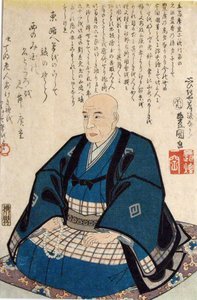
Андро Хиросиге
1797 - 1858 , Япония
Основные сведения
- Artistic Movement Or Style: *Ukiyo-e*
- Artists Or Movements Influenced By This Artist:
- Моне
- Ван Гог
- Artists Who Influenced This Artist:
- Toyohiro
- Hokusai
- Date Of Birth: 1797
- Full Name: Andō Hiroshige
- Nationality: Японский
- Notable Artworks:
- 36 видов Фудзи
- 53 станции Тōkaidō
- 100 знаменитых видов Эдо
- Place Of Birth: Токио, Япония
Похожие статьи
Suzuki Harunobu: Pioneering Ukiyo-e & the Refinement of Edo Period Printmaking
Discover the revolutionary world of Suzuki Harunobu, a pioneer of ukiyo-e printmaking. Explore his exquisite nishiki-e techniques, diverse subjects & lasting impact on Japanese art history. Learn more at ArtsDot.
Floating World: The Captivating Art and Legacy of Japanese Ukiyo-e
Explore the profound beauty of Japanese Ukiyo-e. Discover the history, masters like Hokusai, and the enduring legacy of the 'Floating World' through an expert art-historical lens.
Ukiyo-e: Exploring Japan's Floating World & Enduring Artistic Legacy
Explore the captivating world of Ukiyo-e – Japan's iconic woodblock prints! Discover masters like Hokusai & Hiroshige, learn about Edo period culture, and find expert art collecting guidance at ArtsDot.
Ukiyo-e's Poetic Visionary: Hiroshige Ando & the Transformation of Landscape in 19th-Century Japan
Explore the life & art of Ando Hiroshige, Japan's last great ukiyo-e master. Discover his iconic landscapes, poetic style, and profound influence on Western Impressionism. Learn about The Fifty-Three Stations & more!

Топ-25 шедевров Кацусики Хокусая: Искусство Японии для вашего интерьера
Погрузитесь в мир гения Кацусики Хокусая! 25 легендарных гравюр укиё-э, включая "Великую волну". История искусства Японии и вдохновение для вашего интерьера. Репродукции высокого качества на ArtsDot.com.