


 Предпросмотр
 Поделиться
 Поделиться
 Детали произведения

 Скачать
 Похожие работы
 Рентгенография
 Слайд-шоу
 Статистика
Peony and CatPeony and Cat

 Читать далее
Приобретите цифровое изображение высокого разрешения в улучшенном качестве, которое значительно превосходит онлайн-превью.
Каждый файл тщательно подготавливается нашими специалистами с использованием передовых инструментов и экспертной ручной ретуши. Мы гарантируем исключительную четкость, точную цветопередачу и детальную проработку каждого изображения.
Финальный файл доставляется по электронной почте в течение 72 часов и оптимизирован для немедленного использования в профессиональной среде, при верстке и печати. Это тот же уровень качества, которому доверяют ведущие дизайнерские студии, издательства и галереи.
Цифровое изображение
Скачайте файл высокого разрешения для личного использования, печати и творческих проектов. ( Перейти к печати Купить картину ручной работы)
Включено в каждый заказ цифровых изображений
Гарантия экспертной цифровой доставки
Выбирая ArtsDot.com, вы получаете не просто изображение — вы приобретаете профессионально обработанное цифровое произведение искусства, созданное с безупречной точностью и под защитой гарантии качества. Вот всё, что автоматически входит в ваш заказ:

Мгновенная доставка по e-mail
Ваш цифровой файл в высоком разрешении будет отправлен вам по электронной почте в течение 72 часов после оформления заказа — и сразу станет доступен для использования.

Цифровой файл с ИИ-улучшением
Ваше произведение искусства проходит профессиональную оптимизацию с использованием передовых инструментов ИИ и ручной обработки, что гарантирует максимальную детализацию, четкость и точность цветопередачи.

Бессрочная бесплатная повторная доставка
Случайно удалили или потеряли файл? Не беспокойтесь — мы отправим его вам повторно в любое время и совершенно бесплатно.

Без импортных пошлин — навсегда
Наслаждайтесь вашим произведением искусства мгновенно без таможенных пошлин, сборов или затрат на доставку — цифровые загрузки всегда не облагаются налогом.

Гарантия точности цветопередачи
Мы гарантируем, что ваше цифровое изображение максимально точно передает оригинальные цвета благодаря использованию профессиональных инструментов и систем управления цветом.

Гарантия удовлетворенности 100 дней
Если вы не будете удовлетворены своим цифровым изображением, мы внесем правки или вернем 100% стоимости в течение 100 дней — без лишних вопросов.

100% Гарантия возврата средств
Не удовлетворены покупкой? Получите полный возврат средств в течение 100 дней после получения цифрового файла — без лишних вопросов.

Скидки на оптовые заказы
Купите 3 изображения, сэкономьте 10% — Купите 5, сэкономьте 15% — Купите 10+, сэкономьте 20%. Отличное решение для творческих проектов, галерей и агентств.
Похожие произведения





Биография художника
Early Life and Artistic Foundations
Andō Kichirō, known later as Shiba Kōkan, emerged into the vibrant artistic landscape of Edo-period Japan in 1747. Born in Edo (modern Tokyo), his initial training followed the established path of the Kanō school, a prominent institution steeped in Chinese aesthetic traditions and formal techniques. However, this conventional apprenticeship proved short-lived; after six years, Kichirō felt constrained by its rigid structure and sought alternative avenues for artistic expression. This early departure signaled a restless spirit and a burgeoning desire to forge his own unique style—a characteristic that would define his entire career.
His subsequent studies with Suzuki Harunobu, a master of *ukiyo-e* (woodblock printing), exposed him to a different world – one focused on capturing the ephemeral beauty of everyday life and employing delicate color palettes. While he absorbed Harunobu’s refined techniques, Kichirō's ambition extended beyond replicating existing styles. He began experimenting with new approaches, driven by an insatiable curiosity that would soon lead him toward a radical departure from traditional Japanese art.
A Pioneer of Western-Style Painting
Embracing *Yōga* and the Dutch Influence
The late 18th century witnessed a limited but significant influx of Western knowledge into Japan, primarily through Dutch trade at the port of Nagasaki. This exposure ignited Kōkan’s fascination with European art, particularly the oil painting techniques and realistic depictions favored by Dutch masters. He dedicated himself to mastering this foreign medium, painstakingly studying imported books and attempting to replicate the effects of shading, perspective, and texture that were so novel in Japanese artistic practice.
Kōkan’s dedication bore fruit in 1783 with the creation of Japan's first copperplate etching, a groundbreaking achievement that marked the beginning of *yōga* (Western-style painting) in the country. This was not merely technical imitation; Kōkan sought to understand the underlying principles of Western art and adapt them to his own artistic vision. He wasn’t simply copying Dutch paintings but translating their aesthetic qualities into a Japanese context.
Innovation, Forgery, and Intellectual Pursuits
A Multifaceted Talent
Shiba Kōkan was not solely an artist; he was a polymath with diverse intellectual interests. Famously, he became known for his audacious skill in forging the works of Suzuki Harunobu, even boasting about his ability to deceive connoisseurs. This act, while ethically questionable, demonstrates his profound understanding of Harunobu’s style and technique—a testament to his meticulous observation and artistic mastery.
Beyond painting and printmaking, Kōkan was deeply engaged in *rangaku* (Dutch studies), focusing particularly on astronomy. He produced detailed illustrations and writings on Western astronomical theories, including those of Nicolaus Copernicus, showcasing a remarkable ability to synthesize scientific knowledge with his artistic endeavors. This fusion of art and science reflects the broader intellectual currents of the Edo period and Kōkan’s position as a forward-thinking scholar.
Legacy and Historical Significance
A Bridge Between Cultures
Shiba Kōkan's impact on Japanese art is profound. He single-handedly introduced Western painting techniques to Japan, paving the way for subsequent generations of *yōga* artists who would further explore and develop this new style. His work challenged conventional artistic norms and broadened the scope of Japanese aesthetic expression.
Major Achievements:
- Creation of Japan’s first copperplate etching (1783).
- Pioneering Western-style oil painting (*yōga*) in Japan.
- Masterful forgeries of Suzuki Harunobu prints, demonstrating exceptional technical skill.
- Significant contributions to *rangaku* through illustrations and writings on astronomy.
Kōkan’s legacy extends beyond his artistic innovations. He embodied a spirit of intellectual curiosity and cultural exchange, serving as a bridge between Japan and the West during a period of relative isolation. His work continues to fascinate art historians and collectors alike, offering a unique glimpse into the complexities of Edo-period Japan and the transformative power of cross-cultural influence.
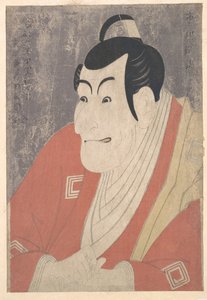
andō kichirō or katsusaburō
1747 - 1818 , Japan
Основные сведения
- Artistic Movement Or Style: Yōga, Ukiyo-e
- Artists Who Influenced This Artist:
- Suzuki Harunobu
- Sō Shiseki
- Hiraga Gennai
- Date Of Birth: 1747
- Date Of Death: 1818
- Full Name: Andō Kichirō (Katsusaburō)
- Nationality: Japanese
- Notable Artworks:
- European Landscapes...
- View of Mimeguri in Edo
- Distant View of Mt. Fuji
- Place Of Birth: Tokyo, Japan