

 Предпросмотр
 Поделиться
 Поделиться
 Детали произведения

 Скачать
 Похожие работы
 Рентгенография
 Слайд-шоу
 Статистика
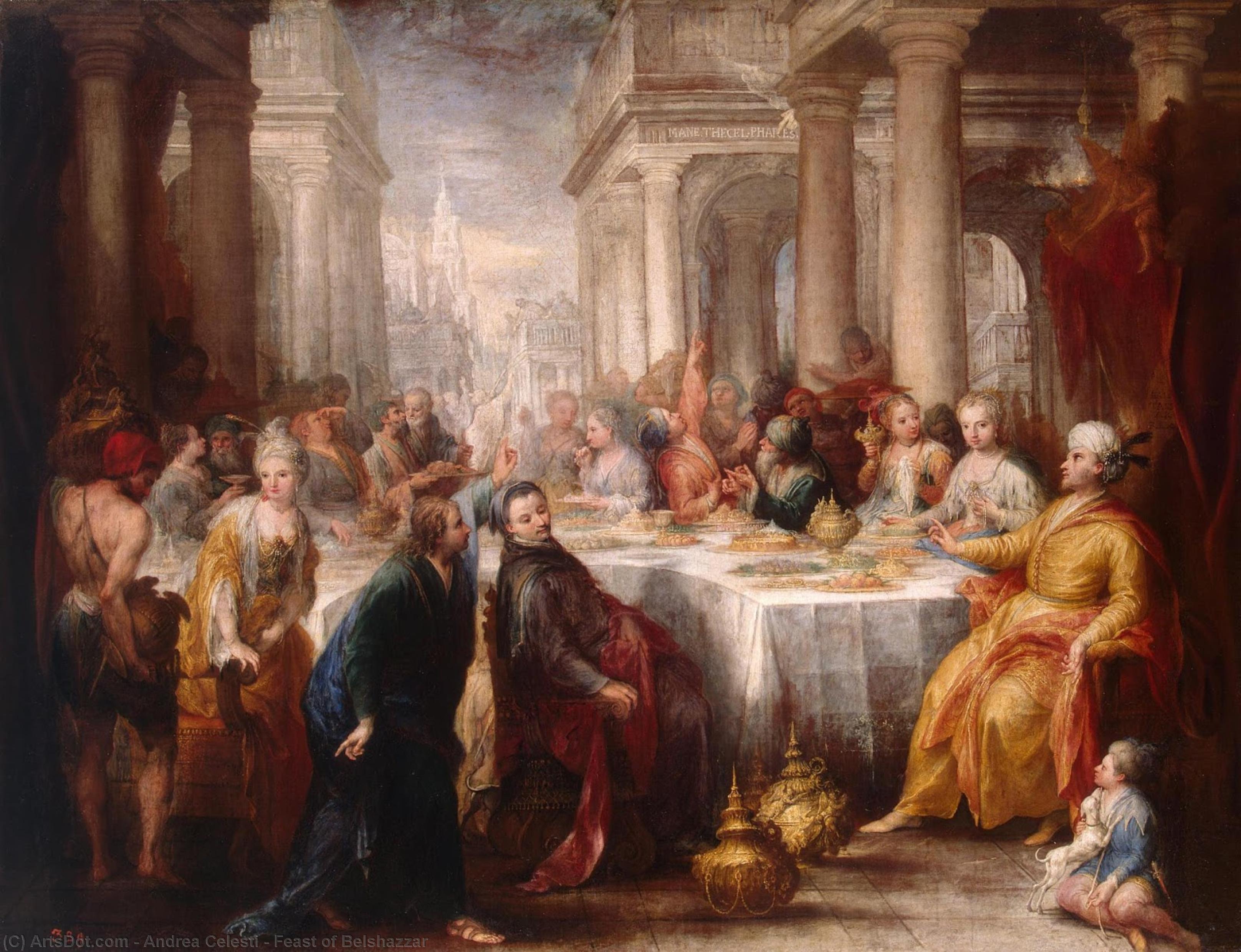
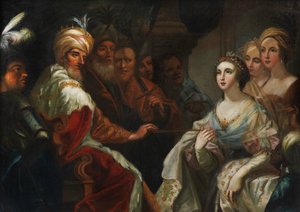
Feast of Belshazzar
 Oil On Canvas
- WallArt
- Baroque
 1705
1705 157.0 x 203.0 cm
 Эрмитаж
 Читать далее
Масляная репродукция ручной работы
Картина маслом на холсте в выбранном вами размере и раме, написанная на заказ нашими художниками. ( Перейти к печати Перейти к цифровым изображениям)




P118B $10

P118H $10

P118W $10

P438Z $10

P508JH $12

P508YH $12

P805H $10

P805Z $10

P919BZ $10

P919G $10

P919XJ $10

P959ZH $10

P968JZ $12

W106C $8

W218G $10

W218JH $8

W218Y $10

W307PJ $10

W316G $10

W316PJ $8

W316Y $10

W398PJ $8

W4111J $10

W500HY $15

W500JH $15

W692G $12

W849H $8

W940BG $15

W953PJ $8




Выберите один из наших стандартных размеров, соответствующих оригинальным пропорциям произведения искусства.

Вы можете указать собственные размеры, чтобы картина идеально вписалась в выбранную раму или пространство. Если выбранный вами размер не соответствует пропорциям оригинала, мы либо обрежем полотно, либо расширим его за счет дополнительных элементов, написанных вручную. Цифровой макет будет отправлен вам на утверждение перед началом производства.
Обратите внимание, что предварительный просмотр на экране не отражает фактическую обрезку или расширение. Только макет точно покажет окончательную композицию.
Хотя доступны индивидуальные размеры, мы рекомендуем выбирать вариант из предопределенного списка, чтобы сохранить исходные пропорции.
После оформления заказа команда ArtsDot.com свяжется с клиентом по электронной почте для уточнения деталей и предоставит предварительный макет
Доставка по всему миру () за 3–4 недели вместо стандартных 5 недель. (11 Сентябрь). Без компромиссов в качестве.

Бесплатная экспресс-доставка по всему миру

Высококачественный льняной холст

Полное страхование доставки

Гарантия возмещения таможенных пошлин

Гарантия точного соответствия цветов

100-дневная политика возврата (только при обнаружении дефектов)

Гарантия возврата 100% средств

Предложение оптовых скидок
 Вариант со стеклом доступен только для размеров менее 110 см

Feast of Belshazzar
Техника репродукции
Размер репродукции
-


Итоговая стоимость
$ 263
Andrea Celesti’s “Feast of Belshazzar”: A Baroque Drama Illuminated
The painting by Andrea Celesti, “Feast of Belshazzar,” stands as a monumental testament to the grandeur and dramatic intensity characteristic of Baroque art. Executed around 1705, this oil on canvas masterpiece resides within the National Gallery’s collection, offering viewers an unparalleled glimpse into a pivotal moment in biblical history—the opulent celebration held by King Nebuchadnezzar II's son, Belshazzar, following the desecration of Jerusalem and the Temple. More than just a depiction of an event, Celesti’s canvas delves into themes of pride, divine judgment, and ultimately, redemption, capturing the palpable tension and psychological complexity that define Baroque artistic vision.- Subject Matter: The scene portrays Belshazzar's lavish banquet—a defiant assertion of Babylonian power against God’s decree—as recounted in Daniel chapter 5. Guests consume a sumptuous meal amidst towering columns, symbolizing imperial authority and earthly splendor.
- Style & Composition: Celesti adheres to the Baroque style’s penchant for theatricality and emotional expression. The composition is meticulously crafted, utilizing diagonal lines to draw the eye across the canvas and creating a sense of dynamism despite the stillness of the figures. Light plays a crucial role, emanating from an unseen source—likely positioned above the central table—highlighting key elements and casting dramatic shadows that amplify the mood.
- Technique: Celesti’s masterful brushwork demonstrates exceptional skill in capturing texture and conveying emotion. Thick impasto—a technique involving applying paint thickly onto the canvas—dominates the depiction of the dining table, emphasizing its materiality and contributing to the overall sense of grandeur. The artist skillfully blends colors to achieve luminous effects, particularly noticeable in the drapery and illuminated faces, reflecting Baroque artists’ fascination with chiaroscuro – the interplay between light and dark – as pioneered by Caravaggio.
Historical Context: Nebuchadnezzar's Hubris and Divine Retribution
The Feast of Belshazzar isn’t merely a narrative illustration; it’s deeply rooted in the theological concerns of its time. The biblical story serves as an allegory for the dangers of arrogance—Nebuchadnezzar’s defiance of God’s covenant culminates in Babylon's downfall, mirroring Celesti’s artistic exploration of moral responsibility and divine justice. Contemporary viewers would have understood the painting as a reminder that earthly rulers are accountable to a higher power, and that pride inevitably leads to ruin. The depiction of the Temple vessels desecrated underscores the significance of religious piety and obedience—a core element of Baroque spirituality.Symbolism: Light, Darkness, and Revelation
Celesti’s use of light and shadow is laden with symbolic meaning. The radiant illumination emanating from above symbolizes divine grace and illuminates the faces of the guests, highlighting their expressions of astonishment and fear as they witness the prophetic writing on the wall. Conversely, dark shadows envelop the columns and drapery, representing earthly darkness and concealing God's judgment. This duality reinforces the painting’s central message: that true understanding requires confronting both illumination and obscurity—that divine revelation necessitates acknowledging human fallibility. The writing itself embodies the inescapable truth of God’s sovereignty and serves as a catalyst for spiritual introspection.Emotional Impact: Capturing Dramatic Tension
“Feast of Belshazzar” succeeds in conveying profound emotional tension—a palpable sense of dread mingled with fascination. Celesti captures the psychological state of the characters with remarkable accuracy, portraying their faces as etched with apprehension and disbelief. The artist’s masterful brushwork conveys movement and dynamism within the stillness of the scene, mirroring the dramatic unfolding of events. Ultimately, the painting compels viewers to contemplate questions of morality, faith, and the consequences of defying divine law—a testament to Celesti's ability to transform a biblical narrative into an enduring masterpiece of Baroque art.Похожие произведения



Биография художника
The Venetian Master of Light and Drama
In the vibrant, water-bound splendor of late seventeenth-century Venice, Andrea Celesti emerged as a formidable force of the Baroque era. Born in 1637, Celesti’s life and artistry were deeply intertwined with the shifting tides of Venetian culture. His early training, shaped by the disciplined hands of Matteo Ponzoni and later Sebastiano Mazzoni, instilled in him a foundation of academic rigor. Yet, as his career unfolded, one could witness a breathtaking metamorphosis in his technique. The heavy, almost turgid weightiness that characterized his early compositions gradually dissolved, giving way to a luminous, fluid brushstroke that captured the ephemeral essence of light and movement—a hallmark of the maturing Venetian style.
Celesti’s ascent within the Venetian social and artistic hierarchy was marked by significant prestige and occasional scandal. His early years in Venice were defined by monumental labors, ranging from intricate frescoes for the main salon of the Palazzo Erizo to prestigious commissions within the Doge's Palace. In 1676, his talent earned him the honor of painting a portrait of Doge Nicolò Sagredo for the Sala dello Scrutinio, and by 1681, he was formally bestowed with the title of Cavalieri by Doge Alvise Contarini. However, the artist’s legendary wit may have been his undoing in the capital; local lore tells of a daring moment when Celesti, following a public exhibition in Piazza San Marco, allegedly depicted the Doge with the ears of a donkey. This act of satirical defiance forced him to flee Venice under the protection of his patron, Scipione Delaj, leading him toward a new chapter of creative flourishing in the inland territories.
A Legacy Carved in Canvas and Stone
The relocation from the lagoons of Venice to the shores of Lake Garda allowed Celesti to establish a prolific studio in Brescia and later Toscolano. It was here that his religious fervor and narrative mastery found their most enduring expression. Working extensively for the Delaj family, he embarked on an ambitious cycle of canvases for the Cathedral of Peter and Paul in Toscolano. These works, which include The Vocation of Paul and Andrew and St. Peter Heals the Sick, demonstrate his ability to weave complex theological themes into sweeping, dramatic compositions that command the viewer's attention.
His later achievements were characterized by a profound ability to decorate sacred spaces with both grandeur and intimacy. His contributions to the church of San Zaccaria and his return to Toscolano to paint the Massacre of the Innocents showcase an artist capable of handling both the epic scale of historical tragedy and the delicate nuances of divine light. Celesti’s significance lies not only in his technical evolution but in his role as a bridge between the structured academic traditions of the mid-seventeenth century and the more expressive, atmospheric freedom that would define the coming era. Through his hands, the heavy shadows of the past were transformed into the radiant, dancing light of the Venetian Baroque.
andrea celesti
1637 - 1712 , Italy
Основные сведения
- Artistic Movement Or Style: Classical, Baroque
- Artists Or Movements Influenced By This Artist:
- Jacques-Louis David
- Ingres
- Cézanne
- Artists Who Influenced This Artist:
- Raphael
- Caravaggio
- Date Of Birth: 1594-06-15
- Date Of Death: 1665-11-19
- Full Name: Nicolas Poussin
- Nationality: French
- Notable Artworks:
- Et in Arcadia ego
- The Four Seasons
- Massacre of Innocents
- Seven Sacraments
- Place Of Birth: Paris, France
Похожие статьи

Golden Age Reflections: Dutch Baroque Painting & Cultural Innovation
Explore the Dutch Golden Age of painting! Discover key artists like Vermeer & ter Borch, their innovative techniques, and the rich cultural context behind these Baroque masterpieces. Learn about collecting & appreciating this iconic art period.

10 Шедевров Барокко: Искусство, изменившее мир | ArtsDot.com
Погрузитесь в мир барокко! 10 шедевров Караваджо, Рембрандта и других великих художников. Узнайте историю создания культовых картин и найдите идеальную репродукцию для вашего интерьера на ArtsDot.com

Рембрандт ван Рейн: Топ-25 шедевров великого голландского мастера | ArtsDot
Погрузитесь в мир великого Рембрандта! 25 шедевров голландского барокко, истории создания картин и уникальные техники художника. Купите репродукции картин Рембрандта высочайшего качества для вашего интерьера на ArtsDot.com
Rembrandt van Rijn: A Life Illuminated – Innovation, Emotion, and the Dutch Golden Age
Explore the life & art of Rembrandt van Rijn, a Dutch Golden Age master. Discover his innovative techniques, iconic paintings like 'The Night Watch', and enduring legacy. Expert insights for collectors & enthusiasts.

Топ-10 шедевров голландского барокко: искусство для вашего интерьера от ArtsDot.com
Погрузитесь в мир голландского барокко! От Рембрандта до Вермеера – 10 шедевров, изменивших искусство. Узнайте истории создания и технику великих мастеров. Репродукции картин высочайшего качества для вашего интерьера на ArtsDot.com.