

 Предпросмотр
 Поделиться
 Поделиться
 Детали произведения

 Скачать
 Похожие работы
 Рентгенография
 Слайд-шоу
 Статистика
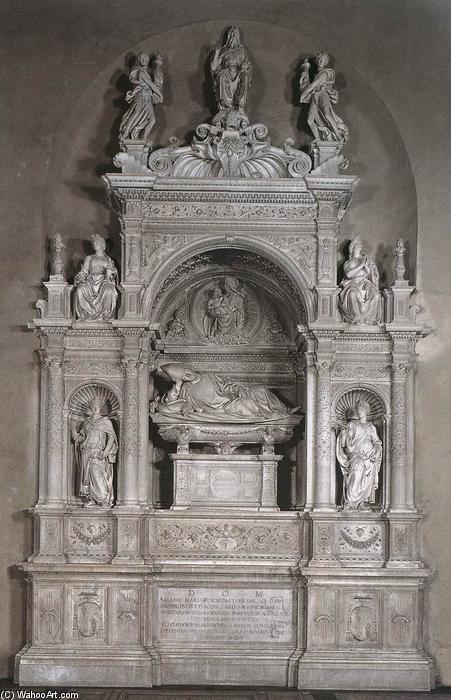
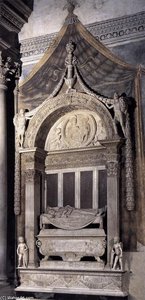
Monument of Ascanio Sforza


 Читать далее
Приобретите цифровое изображение высокого разрешения в улучшенном качестве, которое значительно превосходит онлайн-превью.
Каждый файл тщательно подготавливается нашими специалистами с использованием передовых инструментов и экспертной ручной ретуши. Мы гарантируем исключительную четкость, точную цветопередачу и детальную проработку каждого изображения.
Финальный файл доставляется по электронной почте в течение 72 часов и оптимизирован для немедленного использования в профессиональной среде, при верстке и печати. Это тот же уровень качества, которому доверяют ведущие дизайнерские студии, издательства и галереи.
Цифровое изображение
Скачайте файл высокого разрешения для личного использования, печати и творческих проектов. ( Перейти к печати Купить картину ручной работы)
Включено в каждый заказ цифровых изображений
Гарантия экспертной цифровой доставки
Выбирая ArtsDot.com, вы получаете не просто изображение — вы приобретаете профессионально обработанное цифровое произведение искусства, созданное с безупречной точностью и под защитой гарантии качества. Вот всё, что автоматически входит в ваш заказ:

Мгновенная доставка по e-mail
Ваш цифровой файл в высоком разрешении будет отправлен вам по электронной почте в течение 72 часов после оформления заказа — и сразу станет доступен для использования.

Цифровой файл с ИИ-улучшением
Ваше произведение искусства проходит профессиональную оптимизацию с использованием передовых инструментов ИИ и ручной обработки, что гарантирует максимальную детализацию, четкость и точность цветопередачи.

Бессрочная бесплатная повторная доставка
Случайно удалили или потеряли файл? Не беспокойтесь — мы отправим его вам повторно в любое время и совершенно бесплатно.

Без импортных пошлин — навсегда
Наслаждайтесь вашим произведением искусства мгновенно без таможенных пошлин, сборов или затрат на доставку — цифровые загрузки всегда не облагаются налогом.

Гарантия точности цветопередачи
Мы гарантируем, что ваше цифровое изображение максимально точно передает оригинальные цвета благодаря использованию профессиональных инструментов и систем управления цветом.

Гарантия удовлетворенности 100 дней
Если вы не будете удовлетворены своим цифровым изображением, мы внесем правки или вернем 100% стоимости в течение 100 дней — без лишних вопросов.

100% Гарантия возврата средств
Не удовлетворены покупкой? Получите полный возврат средств в течение 100 дней после получения цифрового файла — без лишних вопросов.

Скидки на оптовые заказы
Купите 3 изображения, сэкономьте 10% — Купите 5, сэкономьте 15% — Купите 10+, сэкономьте 20%. Отличное решение для творческих проектов, галерей и агентств.
Похожие произведения





Биография художника
Jean Clouet: A Court Painter of Renaissance France
Jean Clouet, a name often associated primarily with his son François, stands as a pivotal figure in the artistic landscape of 16th-century France. Born around 1467 and tragically dying in Paris circa 1540/41, Clouet’s career unfolded within the vibrant court of King Francis I, a period marked by burgeoning humanist ideals and an intense patronage of the arts. While his early life remains somewhat shrouded in mystery – lacking extensive biographical details beyond his family lineage as Franco-Flemish painters – his impact on portraiture is undeniable. He wasn't merely a recorder of likenesses; Clouet skillfully imbued his subjects with personality, intellect, and a sense of timeless dignity, establishing himself as one of the era’s most accomplished court painters. Clouet’s ascent to prominence began around 1516 when he was appointed painter-in-ordinary to King Francis I. This prestigious position afforded him unparalleled access to the royal family and provided a steady stream of commissions. His style, while initially influenced by Flemish artistic traditions – particularly in his meticulous attention to detail and use of oil paint – gradually evolved into a distinctly French mannerism. He embraced the elegance and refinement favored at the court, incorporating elements of classical antiquity and humanist scholarship into his compositions. His portraits weren’t simply representations; they were carefully constructed narratives, often featuring symbolic objects like books, quills, and scrolls that spoke to the subject's intellectual pursuits – a hallmark of Renaissance portraiture. A prime example is his celebrated depiction of Guillaume Budé, the King’s librarian, where Budé’s gaze holds the viewer captive, while an inscription in Greek offers a profound philosophical observation on the nature of desire. This combination of visual and textual elements demonstrates Clouet's sophisticated understanding of his audience and his ability to elevate portraiture beyond mere likeness.The Influence of Leonardo da Vinci and Giovanni Boltraffio
Clouet’s artistic development was profoundly shaped by the presence of two key figures: Leonardo da Vinci and Giovanni Antonio Boltraffio. Leonardo, who served as court painter to Francis I for a time, exerted a significant influence on Clouet's approach to composition, perspective, and psychological realism. The meticulous observation of nature and the exploration of human emotion that characterized Leonardo’s work undoubtedly resonated with Clouet. Furthermore, Clouet worked closely with Giovanni Antonio Boltraffio, another artist who had been in Leonardo da Vinci’s studio. Boltraffio's style, known for its clean lines and precise rendering, likely provided a foundational element to Clouet’s technique. Interestingly, Boltraffio himself was a master of portraiture, often working within the framework of Leonardo’s larger projects. The shared environment within Leonardo’s studio fostered a collaborative atmosphere where artistic ideas were exchanged and refined – a crucial factor in shaping the trajectory of both artists.Key Works and Artistic Techniques
Clouet's oeuvre, though relatively small compared to some of his contemporaries, showcases a remarkable range of subjects and stylistic approaches. His portraits of members of the French court—including Francis I himself, as well as various nobles and dignitaries—are particularly noteworthy for their elegance and psychological depth. He frequently employed oil paint on wood panels, a technique that allowed him to achieve subtle gradations of tone and texture. Clouet’s mastery of chiaroscuro – the dramatic interplay of light and shadow – further enhanced the three-dimensionality of his figures and created a sense of atmosphere. His compositions are often characterized by a balanced arrangement of elements, with careful attention paid to detail—from the folds of clothing to the expressions on the subjects' faces. The portrait of Guillaume Budé exemplifies this meticulous approach, demonstrating Clouet’s ability to integrate symbolic elements seamlessly into his work.Legacy and Historical Significance
While François Clouet continued his father’s artistic legacy, Jean Clouet remains a significant figure in the history of French Renaissance art. His portraits provide invaluable insights into the culture, values, and intellectual currents of the era. He represents a bridge between the Flemish artistic traditions that had previously dominated the French court and the emerging Italian Renaissance style. Clouet’s work reflects the humanist ideals of his time—a celebration of human intellect, beauty, and virtue. His portraits are not merely representations of individuals; they are windows into the world of 16th-century France, offering a glimpse into the lives and aspirations of its most influential figures. The meticulous detail and psychological realism evident in Clouet’s paintings ensure that his work continues to captivate viewers today, solidifying his place as one of the era's foremost court painters.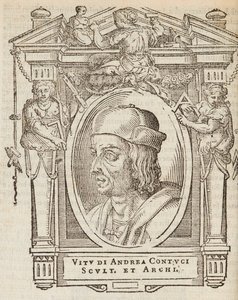
andrea dal monte sansovino
1467 - 1529 , Italy
Основные сведения
- Artistic Movement Or Style: Renaissance
- Artists Or Movements Influenced By This Artist: ['Leonardo da Vinci']
- Artists Who Influenced This Artist: ['Giovanni Boltraffio']
- Date Of Birth: 1467
- Date Of Death: 1540/41 Paris
- Full Name: Jean Clouet
- Nationality: French
- Notable Artworks: ['Guillaume Budé']
- Place Of Birth: Franco-Flemish painters