 Поделиться
 Поделиться
 Детали произведения

 Скачать
 Похожие работы
 Слайд-шоу
 Статистика
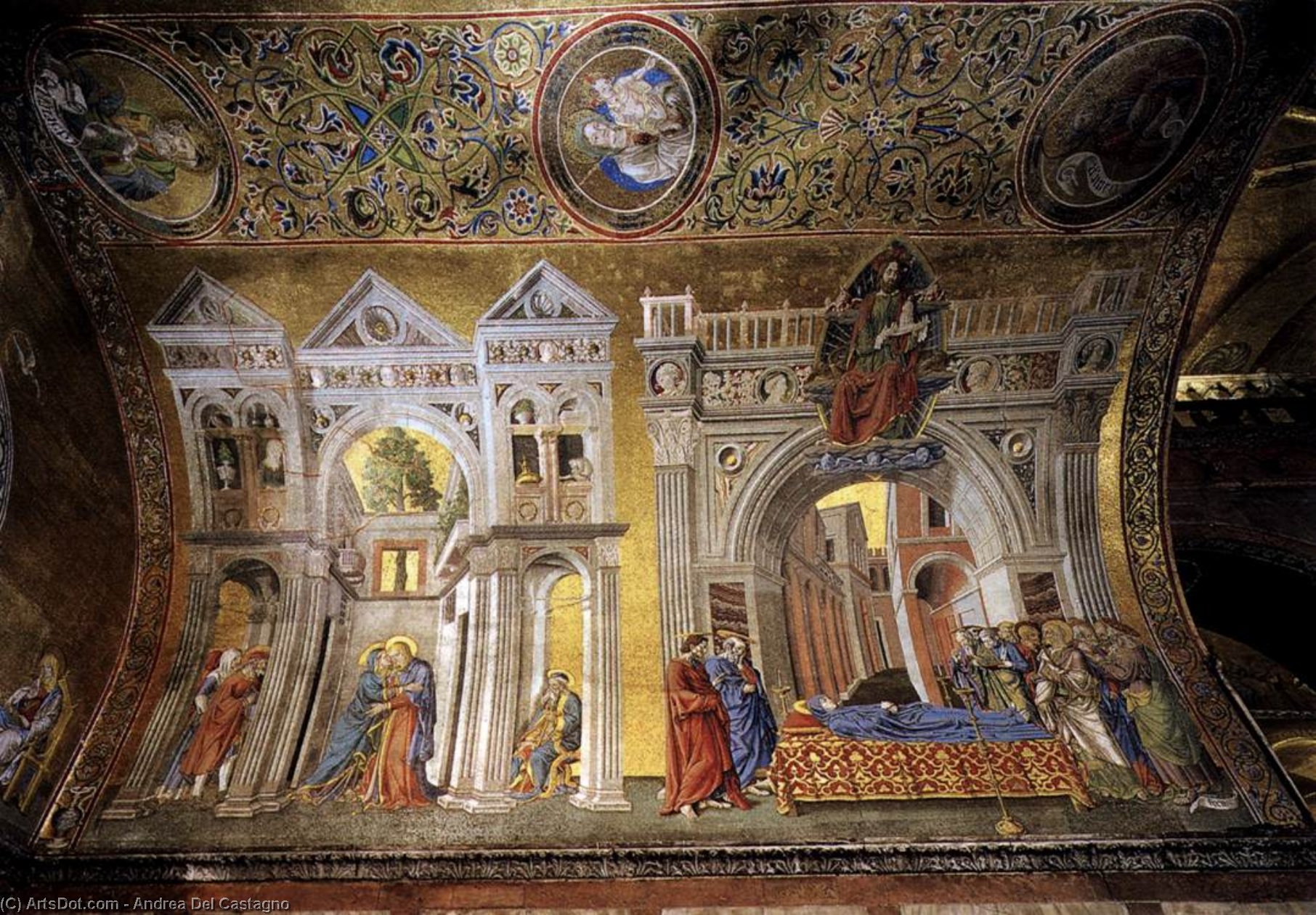
Dormition of the Virgin


 Читать далее
Жикле / Арт-принт
Печать (жикле) или холст музейного качества с быстрыми сроками изготовления и широким выбором вариантов отделки. ( Купить картину ручной работы Перейти к цифровым изображениям)




































Выберите один из наших стандартных размеров, соответствующих оригинальным пропорциям произведения искусства.

Вы можете указать свои собственные размеры, чтобы репродукция идеально подошла под конкретную раму или пространство. Если выбранный вами размер не будет соответствовать пропорциям оригинала, мы либо обрежем произведение, либо дополним изображение зеркальным отражением краев или однотонной заливкой. Перед началом производства вам будет отправлен цифровой макет для утверждения.
Пожалуйста, обратите внимание, что предварительный просмотр на экране не отображает фактическую обрезку или расширение изображения. Только макет точно покажет финальную композицию.
Несмотря на возможность заказа индивидуальных размеров, мы рекомендуем выбирать размер из предопределенного списка, чтобы сохранить оригинальные пропорции.
Доставка по всему миру () за 2 недели вместо стандартных 4/5 недель. (12 Сентябрь)

Бесплатная экспресс-доставка по всему миру

Высококачественный льняной холст

Полное страхование доставки

Гарантия возмещения таможенных пошлин

Гарантия точного соответствия цветов

100-дневная политика возврата (только при обнаружении дефектов)

Гарантия возврата 100% средств

Предложение оптовых скидок
 Вариант со стеклом доступен только для размеров менее 110 см

Dormition of the Virgin
Жикле / Арт-принт
Размер репродукции
-


Итоговая стоимость
$ 62
A Moment Suspended in Mosaic Glory
To stand before Andrea del Castagno's "Dormition of the Virgin" is to step across the threshold of time itself. This breathtaking mosaic, crafted in 1448 and housed within the sacred walls of Venice’s Basilica di San Marco, does more than merely depict a religious event; it captures an eternal moment of profound transition. The scene unfolds with exquisite solemnity: the gentle repose of the Virgin Mary surrounded by the devoted figures of the apostles. Del Castagno masterfully guides the viewer's eye to this central act of passing, imbuing the composition with an emotional weight that feels both deeply personal and universally sacred. It is a testament to human devotion rendered in shimmering tesserae.
The Brilliance of Early Renaissance Technique
Technically, the work is a marvel of mosaic artistry. The use of gold-ground mosaics lends an unparalleled sense of luxury and ethereal luminescence, making the entire scene appear as if illuminated by divine light itself. Observe the intricate detailing in the drapery; every fold of fabric, every gesture of attending hands, speaks to the artist's meticulous hand. Del Castagno’s style, while rooted in the rich traditions of Byzantine grandeur, pulses with the burgeoning energy and dramatic realism characteristic of the Early Renaissance. His bold use of color—the deep reds contrasting with cool blues and earthy tones—does not merely decorate; it builds a palpable atmosphere of dignified sorrow.
Symbolism Woven into Stone
The symbolism within the Dormition is rich and multilayered, inviting contemplation from every corner of the piece. The surrounding figures are not mere witnesses; they embody grief, reverence, and enduring faith. The architectural elements framing the scene—the arches and columns—serve to both contain and elevate the spiritual drama, suggesting that this earthly event occurs within a divine structure. The very act of depiction transforms the narrative into an object of meditation. For those who appreciate art for its symbolic depth, this mosaic offers endless avenues for reflection on life's transitions and eternal rest.
Bringing Renaissance Majesty Home
For the collector or designer seeking to infuse a space with the gravitas and artistry of the High Renaissance, a reproduction of this masterpiece is an unparalleled choice. While the original commands awe in its Venetian setting, owning a high-quality rendition allows you to curate that sense of sacred drama within your own walls. The vibrant yet somber palette, combined with the illusion of depth inherent in mosaic work, ensures that the piece acts as a profound focal point. It is an heirloom quality artwork that speaks volumes about taste, history, and enduring artistic genius.
Похожие произведения
Биография художника
Andrea del Castagno: A Florentine Renaissance Master
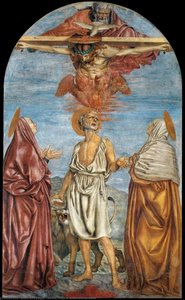
Andrea del Castagno, a pivotal figure in the Early Renaissance, emerged from the Tuscan countryside near Florence around 1419 to leave an indelible mark on the artistic landscape. His life, though shrouded in some mystery, was one of innovation, dramatic realism, and a departure from the more stylized conventions that preceded him. Born in Castagnoli, not far from Monte Falterona, young Andrea’s early years were touched by conflict; his family resided in Corella during periods of war between Florence and Milan before returning home. It was under the patronage of Bernardo de' Medici in 1440 that he truly entered the Florentine art world, an entry marked by a rather grim commission – painting portraits of citizens executed after the Battle of Anghiari on the facade of the Palazzo del Podestà. This act earned him the chilling nickname "Andrea degli Impiccati" (Andrea of the Hanged), a testament to the political turbulence and stark realities of the era, and a shadow that followed him throughout his career. While details regarding his formal training remain scarce, it is widely believed he studied under both Fra Filippo Lippi and Paolo Uccello, absorbing their techniques while forging his own distinct path. His early works, such as the fresco of the Crucifixion and Saints in the Ospedale di Santa Maria Nuova (1440-1441), already demonstrate a keen interest in perspective and figures that bear the clear influence of Masaccio’s groundbreaking naturalism.Life: Early Years and Artistic Beginnings
Andrea del Castagno's life began in Castagnoli, a village nestled amongst the hills of Tuscany—a location that would profoundly shape his artistic sensibilities. Born around 1419, he descended from a family rooted in pastoral traditions, where his father practiced husbandry and cultivated chestnut woods. The turbulent political climate of the time – marked by protracted conflicts between Florence and Milan – saw his family temporarily displaced to Corella during periods of siege. This formative experience instilled in him an awareness of human vulnerability and resilience—themes that would permeate his artistic output. Little is known about Andrea’s formal education, though scholarly consensus suggests he honed his skills under the tutelage of Fra Filippo Lippi and Paolo Uccello – masters who championed the revolutionary principles of Masaccio's naturalism. These influences would prove instrumental in shaping Castagno’s distinctive style, propelling him away from the decorative conventions of Gothic art towards a more profound engagement with human anatomy and psychological realism. The fresco of *Crucifixion and Saints* executed at the Ospedale di Santa Maria Nuova (1440-1441) stands as an early testament to this burgeoning artistic vision—a work characterized by masterful perspective and figures imbued with palpable emotion, mirroring Masaccio’s pioneering approach.The Battle of Anghiari and Artistic Recognition
Andrea del Castagno's career gained considerable renown thanks to a commission that simultaneously challenged him artistically and politically: the fresco cycle adorning the Palazzo Vecchio commemorating the Battle of Anghiari—a decisive victory for Florence over Milan in 1440. This monumental undertaking demanded an uncompromising commitment to realism, forcing Castagno to confront the brutal realities of warfare with unflinching honesty. The resulting depiction – a visceral portrayal of carnage and heroism—earned him the unsettling moniker “Andrea degli Impiccati” (“Andrea of the Hanged”), reflecting the pervasive atmosphere of fear and retribution that gripped Florence following the battle. This commission solidified his reputation as an artist capable of capturing both grandeur and terror, cementing his place within the artistic landscape of his time. Furthermore, it underscored the importance of art as a vehicle for conveying moral and political messages—a conviction that would inform his subsequent artistic endeavors.Style Evolution: Masaccio’s Influence and Venetian Horizons
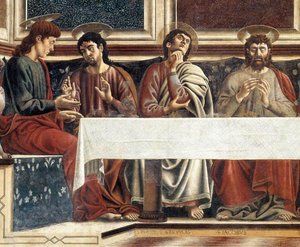
Castagno's artistic style underwent a significant transformation throughout his career, driven by an unwavering pursuit of naturalism and psychological depth. His early frescoes – notably *Crucifixion* and *Saint Julian*—demonstrate the indelible imprint of Masaccio’s groundbreaking innovations in perspective and anatomical accuracy. Castagno skillfully adopted these techniques, elevating his art to new heights of expressive power. Simultaneously, he cultivated connections with Venetian artists like Domenico Veneziano and Piero della Francesca, absorbing their stylistic refinements and broadening his artistic horizons. This fusion of Florentine idealism and Venetian realism resulted in a distinctive aesthetic characterized by dramatic chiaroscuro—the interplay of light and shadow—that heightened emotional impact and conveyed profound psychological nuance. The *Last Supper*, completed around 1447 for the Ospedale di Santa Maria Nuova, exemplifies this stylistic synthesis with unparalleled brilliance—a masterpiece that continues to captivate audiences centuries later due to its masterful depiction of human emotion and its innovative use of perspective.Major Achievements: Equestrian Monument and Venetian Legacy
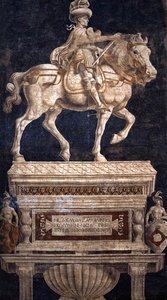
Andrea del Castagno’s artistic legacy extends far beyond his frescoes and portraits; he achieved lasting fame through the ambitious equestrian statue commissioned for Florence Cathedral—a monumental undertaking that showcased his technical prowess and artistic vision. Completed in 1456, this sculpture represents a pinnacle of Florentine Renaissance art—a testament to Castagno's ability to convey dignity and grandeur through sculpted form. Moreover, his frescoes within St Mark’s Basilica – including *Death of the Virgin* – stand as enduring symbols of Venetian artistic excellence, reflecting his engagement with the vibrant cultural milieu of Venice during his formative years. Andrea del Castagno died suddenly in 1457 at the young age of 38—a premature end to a remarkable artistic life that nevertheless left an indelible mark on Florentine art and beyond. His influence resonated throughout Italy, inspiring subsequent generations of artists who embraced his commitment to naturalism and psychological realism—solidifying his place as one of the most important figures in Renaissance art history.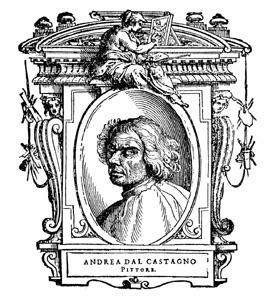
Андреа дел Кастаньо
1419 - 1457 , Италия
Основные сведения
- Artistic Movement Or Style: Ренессанс
- Artists Who Influenced This Artist:
- Мазаччо
- Джованни Дукрети
- Филиппо Липпи
- Date Of Birth: c. 1419
- Date Of Death: 19 August 1457
- Full Name: Andrea del Castagno
- Nationality: Итальянский
- Notable Artworks:
- Последний Суппер
- Крестус и Святые
- Воскресение
- Place Of Birth: Castagnoli, Italy
Похожие статьи
Топ-25 шедевров Прадо: Искусство Веласкеса, Гойи и Эль Греко для вашего интерьера
Погрузитесь в мир шедевров Прадо! От Веласкеса до Гойи – история искусства Испании, барокко и знаменитые картины. Купите репродукции высокого качества для вашего интерьера на ArtsDot.com.
Andrea del Sarto: Florentine Grace, Technical Mastery & Artistic Ambition
Explore the life & art of Andrea del Sarto, a Florentine Renaissance master renowned for harmonious compositions & technical brilliance. Discover his frescoes, portraits, and lasting influence on art history.
Sebastiano del Piombo: Bridging Venetian Colorism & Roman Grand Manner Portraiture
Explore the captivating art of Sebastiano del Piombo, a Renaissance master bridging Venetian colorism & Roman grandeur. Discover his iconic portraits and lasting influence on art history. Learn more at ArtsDot.
Cecco del Caravaggio: Rediscovering the Shadowy Genius of Francesco Buoneri
Explore the captivating world of Cecco del Caravaggio (Francesco Buoneri), a pivotal Baroque artist. Discover his dramatic realism, mysterious life, and lasting legacy with ArtsDot's expert analysis.
The Flourishing of Humanity: Artistic Representations of Humanist Ideals from the Renaissance to Modernity
Explore the profound impact of Humanism on Renaissance art! Discover key artists, iconic paintings & philosophical themes shaping Western art history. Expert analysis and high-quality reproductions at ArtsDot.