

 Предпросмотр
 Поделиться
 Поделиться
 Детали произведения

 Скачать
 Похожие работы
 Рентгенография
 Слайд-шоу
 Статистика
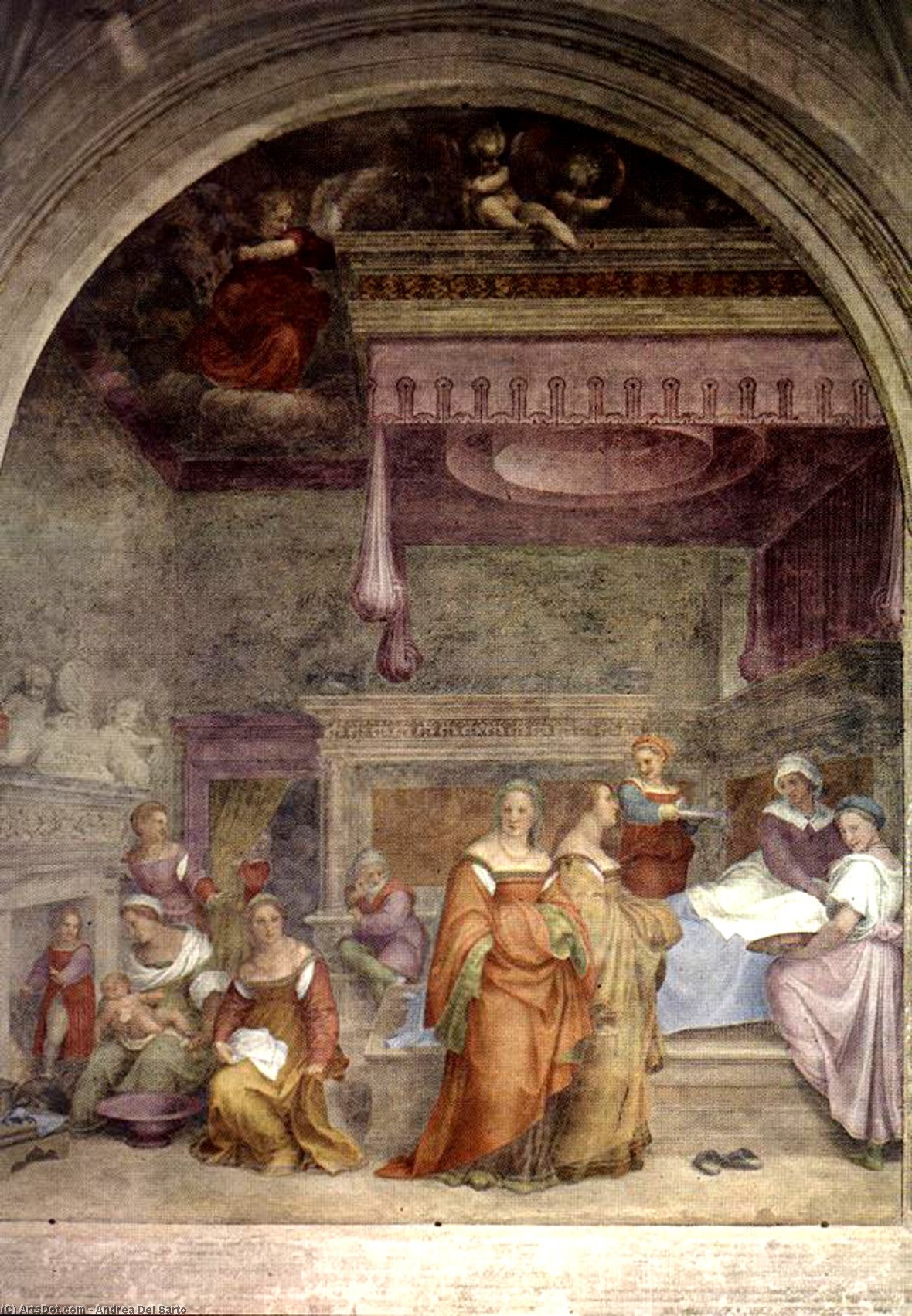
Birth of the Virgin
 Acrylic On Canvas
- WallArt
- High Renaissance
 1514
1514 413.0 x 345.0 cm
 Santissima Annunziata
 Читать далее
Жикле / Арт-принт
Печать (жикле) или холст музейного качества с быстрыми сроками изготовления и широким выбором вариантов отделки. ( Купить картину ручной работы Перейти к цифровым изображениям)




P118B $10

P118H $10

P118W $10

P438Z $10

P508JH $12

P508YH $12

P805H $10

P805Z $10

P919BZ $10

P919G $10

P919XJ $10

P959ZH $10

P968JZ $12

W106C $8

W218G $10

W218JH $8

W218Y $10

W307PJ $10

W316G $10

W316PJ $8

W316Y $10

W398PJ $8

W4111J $10

W500HY $15

W500JH $15

W692G $12

W849H $8

W940BG $15

W953PJ $8




Выберите один из наших стандартных размеров, соответствующих оригинальным пропорциям произведения искусства.

Вы можете указать свои собственные размеры, чтобы репродукция идеально подошла под конкретную раму или пространство. Если выбранный вами размер не будет соответствовать пропорциям оригинала, мы либо обрежем произведение, либо дополним изображение зеркальным отражением краев или однотонной заливкой. Перед началом производства вам будет отправлен цифровой макет для утверждения.
Пожалуйста, обратите внимание, что предварительный просмотр на экране не отображает фактическую обрезку или расширение изображения. Только макет точно покажет финальную композицию.
Несмотря на возможность заказа индивидуальных размеров, мы рекомендуем выбирать размер из предопределенного списка, чтобы сохранить оригинальные пропорции.
Доставка по всему миру () за 2 недели вместо стандартных 4/5 недель. (12 Сентябрь)

Бесплатная экспресс-доставка по всему миру

Высококачественный льняной холст

Полное страхование доставки

Гарантия возмещения таможенных пошлин

Гарантия точного соответствия цветов

100-дневная политика возврата (только при обнаружении дефектов)

Гарантия возврата 100% средств

Предложение оптовых скидок
 Вариант со стеклом доступен только для размеров менее 110 см

Birth of the Virgin
Жикле / Арт-принт
Размер репродукции
-


Итоговая стоимость
$ 62
The Birth of the Virgin: A Florentine Masterpiece by Andrea del Sarto
Within the hallowed halls of the Uffizi Gallery in Florence resides a fresco that continues to captivate viewers centuries after its creation – Andrea del Sarto’s “Birth of the Virgin.” More than just a depiction of a biblical event, this work is a testament to the artist's mastery of color, composition, and his profound understanding of human emotion. Painted in 1514 during the High Renaissance, it offers a glimpse into the artistic sensibilities of a period defined by both classical ideals and burgeoning individualism.
The scene unfolds within an opulent, almost theatrical interior – a grand chamber bathed in diffused light that suggests a private moment of profound significance. Two women, rendered with remarkable realism and grace, stand close together near the center; one cradling the infant Mary, while the other offers assistance. The composition is meticulously balanced, drawing the eye to the central figures while subtly incorporating architectural details – a richly adorned bed draped in luxurious fabrics, a glimpse of a doorway hinting at an unseen world beyond – that contribute to the painting’s immersive quality. Del Sarto's skill lies not just in his ability to accurately portray human form but also in creating a believable and emotionally resonant space.
A Symphony of Grisaille: Technique and Innovation
Andrea del Sarto was renowned for his expertise in *grisaille*, a technique involving the use of monochrome (primarily shades of gray) to create the illusion of depth, volume, and light. This fresco is a prime example of this approach. He skillfully employed subtle variations in tone and shadow to define the figures’ forms, their drapery, and the textures of the surrounding architecture. The lack of color forces the viewer to focus entirely on the interplay of light and dark, emphasizing the three-dimensionality of the scene. This deliberate choice highlights his mastery of form and spatial relationships – a characteristic that distinguishes him from the more vibrant color palettes favored by contemporaries like Leonardo da Vinci.
The fresco’s surface is remarkably smooth, achieved through meticulous layering of *intonaco*, the plaster used to build up the ground layer for painting. This technique allowed del Sarto to create subtle gradations in tone and achieve a remarkable level of detail. He employed a dry brushstroke, creating a delicate texture that enhances the sense of realism and adds to the fresco’s overall luminosity.
Symbolism and Spiritual Depth
Beyond its technical brilliance, “The Birth of the Virgin” is rich in symbolic meaning. The scene depicts the moment when Saint Anne, Mary's mother, gives birth to her daughter. This event holds immense theological significance within Christian tradition, representing the fulfillment of prophecy and the beginning of the lineage that would ultimately lead to Jesus Christ. The figures themselves are imbued with a sense of serenity and devotion – reflecting the sacred nature of the occasion.
Notice, too, the subtle gestures and expressions on the faces of the women. The woman holding Mary exudes tenderness and maternal love, while the other offers support and assistance. These small details contribute to the painting’s emotional depth and invite viewers to contemplate the profound bond between mother and child. The architectural elements – the bed, the doorway – can be interpreted as symbols of transition and new beginnings.
A Legacy of Grace: Andrea del Sarto's Enduring Influence
Despite his reputation for technical perfection, Andrea del Sarto’s career was marked by a certain melancholy. He struggled to gain recognition from the most celebrated artists of his time, and his later works were often overshadowed by those of Leonardo da Vinci, Michelangelo, and Raphael. However, “The Birth of the Virgin” stands as a testament to his enduring talent and artistic vision. It’s a masterpiece that showcases his mastery of *grisaille*, his profound understanding of human form and emotion, and his ability to create immersive and spiritually resonant works of art.
Today, this fresco continues to inspire awe and admiration, offering viewers a glimpse into the world of Renaissance Florence and the genius of one of its most accomplished artists. Reproductions of “The Birth of the Virgin” remain highly sought after by collectors and interior designers alike, who appreciate its timeless beauty and profound symbolic depth.
Похожие произведения
Биография художника
Early Life and Training
Андреа д’Агноло ди Франческо ди Лука, известный как Андреа дель Сарто, родился 16 июля 1486 года в Фломбре, недалеко от Флоренции. Его ранние годы были посвящены обучению ремеслу – он начал карьеру как подмастерье у мастера-оружейника, а затем получил образование у живописца и скульптора Джана Бариле. После этого он работал под руководством Пьеро ди Косимо и Раффаэлдино дель Гарбо, что позволило ему приобрести фундаментальные навыки в области живописи и скульптуры. Эти ранние годы заложили основу для его дальнейшего развития как художника.Artistic Career and Style
Вскоре Андреа дель Сарто начал сотрудничать с Франчиабио, и вместе они создали свой первый совместный проект – фреску “Богоявление” для конгрегации Скальзо во Флоренции. Этот опыт заложил начало долгой серии монохромных фресок в грайссе (grisaille), характерных для его творчества. Постепенно Андреа разработал свой уникальный стиль, который отличался гармоничными композициями и изящными фигурами. В 1508 году он вступил в артели Медичи и Специали, что позволило ему получить доступ к новым заказам и влиятельным клиентам. Его работа была отмечена умелым использованием цвета и света, а также вниманием к деталям.Notable Works and Commissions
К наиболее значимым произведениям Андреа дель Сарто относятся:- “Святое семейство” (Santa Famiglia), заказанное Заноби Строцци для его виллы Ровеццано, ныне находится в Национальной галерее искусств в Риме.
- Фреска “Последнее учение Христа” (Cenacolo di Andrea del Sarto) – грандиозное полотно площадью более 40 квадратных метров, изображающее Иисуса и его учеников во время Тайной вечери, расположенное в Музее "Последней трапезы" во Флоренции.
- Фрески “Истории о чудесах святого Филиппо Беннизи” для Лоджии Сервитов Марии, демонстрирующие раннее мастерство Андреа в области монохромной грайссе.
Legacy and Influence
Несмотря на то, что имя Андреа дель Сарто не так широко известно, как имена Леонардо да Винчи, Рафаэля или Микеланджело, его творчество оказало значительное влияние на развитие искусства эпохи Возрождения. Его работы характеризуются уникальным сочетанием элементов Высокого Ренессанса и маньеризма. Он был мастером в создании гармоничных композиций, изящных фигур и инновационного использования цвета. Андреа дель Сарто стал важной фигурой в искусстве Флоренции, способствуя развитию новых художественных тенденций и вдохновляя последующие поколения художников. Его вклад в искусство неоспорим, а его работы продолжают восхищать зрителей своей красотой и мастерством.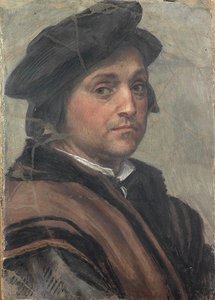
Андреа дель Сарто
1486 - 1530 , Италия
Основные сведения
- Artistic Movement Or Style: Высокий Ренессанс и Маньеризм
- Artists Or Movements Influenced By This Artist: ['Джорджо Вазари']
- Artists Who Influenced This Artist:
- Леонардо да Винчи
- Рафаэль
- Джан Бариле
- Date Of Birth: 1486-07-16
- Full Name: Andrea d'Agnolo di Francesco di Luca
- Nationality: Итальянский
- Notable Artworks:
- Последнее успение
- Святое Семейство
- Жизнь Св. Иоанна
- Place Of Birth: Флоренция, Италия
Похожие статьи

Искусство, живущее с вами: эмоциональная сила индивидуальной интерьерной фрески
Узнайте о фресках в интерьере: история, технологии, выбор и уход. Создайте уникальный дизайн с экспертами! Качество и индивидуальный подход гарантированы.

The Enduring Legacy of Fresco Painting: Techniques, History & Contemporary Relevance
Explore the rich history & enduring artistry of fresco painting – from Giotto to Michelangelo! Discover techniques, conservation efforts, & modern applications. Learn how ArtsDot brings this timeless art form to your home.

Фреска как Семейное Наследие: Сохранение Истории в Искусстве Стен
Узнайте о фресках как семейном наследии! История, техника создания, реставрация и сохранение. Экспертные советы и вдохновение для вашего дома. .
Andrea del Sarto: Florentine Grace, Technical Mastery & Artistic Ambition
Explore the life & art of Andrea del Sarto, a Florentine Renaissance master renowned for harmonious compositions & technical brilliance. Discover his frescoes, portraits, and lasting influence on art history.

The Enduring Legacy of Fresco: Technique, History & Artistic Expression Across Cultures
Explore the rich history & enduring legacy of fresco painting! Discover ancient techniques, Giotto's masterpieces, and modern applications. Expert insights for art lovers & professionals.