

 Предпросмотр
 Поделиться
 Поделиться
 Детали произведения

 Скачать
 Похожие работы
 Рентгенография
 Слайд-шоу
 Статистика
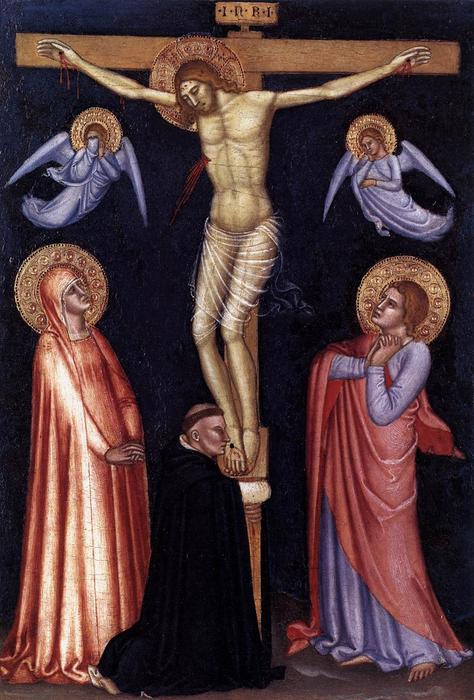
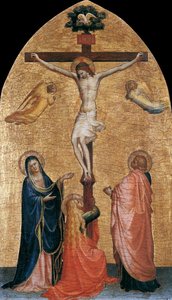
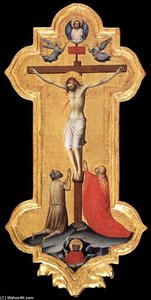
Crucifixion
 Tempera On Panel
- Gothic
 1370
1370- Late Medieval
 33.0 x 22.0 cm
 Пинакотека Ватикана
 Читать далее
Приобретите цифровое изображение высокого разрешения в улучшенном качестве, которое значительно превосходит онлайн-превью.
Каждый файл тщательно подготавливается нашими специалистами с использованием передовых инструментов и экспертной ручной ретуши. Мы гарантируем исключительную четкость, точную цветопередачу и детальную проработку каждого изображения.
Финальный файл доставляется по электронной почте в течение 72 часов и оптимизирован для немедленного использования в профессиональной среде, при верстке и печати. Это тот же уровень качества, которому доверяют ведущие дизайнерские студии, издательства и галереи.
Цифровое изображение
Скачайте файл высокого разрешения для личного использования, печати и творческих проектов. ( Перейти к печати Купить картину ручной работы)
Включено в каждый заказ цифровых изображений
Гарантия экспертной цифровой доставки
Выбирая ArtsDot.com, вы получаете не просто изображение — вы приобретаете профессионально обработанное цифровое произведение искусства, созданное с безупречной точностью и под защитой гарантии качества. Вот всё, что автоматически входит в ваш заказ:

Мгновенная доставка по e-mail
Ваш цифровой файл в высоком разрешении будет отправлен вам по электронной почте в течение 72 часов после оформления заказа — и сразу станет доступен для использования.

Цифровой файл с ИИ-улучшением
Ваше произведение искусства проходит профессиональную оптимизацию с использованием передовых инструментов ИИ и ручной обработки, что гарантирует максимальную детализацию, четкость и точность цветопередачи.

Бессрочная бесплатная повторная доставка
Случайно удалили или потеряли файл? Не беспокойтесь — мы отправим его вам повторно в любое время и совершенно бесплатно.

Без импортных пошлин — навсегда
Наслаждайтесь вашим произведением искусства мгновенно без таможенных пошлин, сборов или затрат на доставку — цифровые загрузки всегда не облагаются налогом.

Гарантия точности цветопередачи
Мы гарантируем, что ваше цифровое изображение максимально точно передает оригинальные цвета благодаря использованию профессиональных инструментов и систем управления цветом.

Гарантия удовлетворенности 100 дней
Если вы не будете удовлетворены своим цифровым изображением, мы внесем правки или вернем 100% стоимости в течение 100 дней — без лишних вопросов.

100% Гарантия возврата средств
Не удовлетворены покупкой? Получите полный возврат средств в течение 100 дней после получения цифрового файла — без лишних вопросов.

Скидки на оптовые заказы
Купите 3 изображения, сэкономьте 10% — Купите 5, сэкономьте 15% — Купите 10+, сэкономьте 20%. Отличное решение для творческих проектов, галерей и агентств.
A Moment Frozen in Divine Drama
To stand before Andrea Di Bonaiuto’s Crucifixion is to step directly into the heart of the late Gothic period, where profound spiritual narrative meets breathtaking artistic execution. This small panel, measuring 33 x 22 cm, belies the monumental weight of its subject matter. It captures the ultimate sacrifice—the crucifixion of Christ—with an intensity that seems to vibrate from the painted surface. The composition is not merely a depiction; it is a carefully orchestrated tableau of grief, devotion, and divine mystery. From the central, suffering figure suspended on the cross to the sorrowful faces gathered at its base, every element contributes to a palpable atmosphere of solemnity.
Gothic Grace in Technique and Material
The mastery displayed here is evident in the handling of materials. The artist employed tempera paint upon a wooden panel, a technique that allowed for both luminous detail and enduring richness. Notice the exquisite use of gold leaf; it does not merely decorate but elevates the spiritual significance of halos and key elements, catching the light as if imbued with heavenly radiance. This interplay between the matte depth of the dark blue background and the shimmering brilliance of the gold is what gives the piece its signature Gothic luxury. The contours are bold, defining the drapery and figures with a refined precision characteristic of Andrea Da Firenze’s hand.
Symbolism Woven into Every Line
The symbolism within this work is dense and deeply resonant for the viewer. The symmetry established around Christ draws the eye inexorably to the central act of redemption. Flanking him, the grieving figures—Mary Magdalene and Mary of Cleophas—embody human sorrow in its purest form. Above, the hovering angels suggest an eternal witness to the event. Even the angular lines defining the cross contrast with the flowing, emotional gestures of the onlookers, creating a visual dialogue between rigid divine law and boundless human emotion. It is a meditation on sacrifice, faith, and the enduring promise of rebirth.
A Timeless Presence for Modern Spaces
For those who seek to infuse a space with history, depth, and profound artistic resonance, this reproduction offers an unparalleled connection to the Italian Renaissance masters. While its subject matter is sacred, its aesthetic power transcends mere religious iconography; it speaks to universal themes of endurance and beauty found even in moments of deepest despair. The rich palette—dominated by deep blues, solemn reds, and antique gold—lends itself beautifully to sophisticated interiors, whether adorning a formal study or a contemplative sanctuary. Owning this piece is not just acquiring art; it is curating a focal point steeped in centuries of artistic devotion.
Похожие произведения
Биография художника
Andrea Orcagna: A Florentine Master of the Thirteenth Century
The mid-fourteenth century in Florence witnessed a flowering of artistic talent, and among its most significant figures stood Andrea Orcagna – a painter, sculptor, architect, and administrator whose multifaceted career left an indelible mark on the city’s visual landscape. Born around 1308 in Florence and dying circa 1368, Orcagna wasn't merely a craftsman; he was a pivotal figure bridging the stylistic shifts between Giotto’s naturalism and the more formalized traditions of Byzantine art, shaping the trajectory of Florentine painting for decades to come.
Orcagna’s early life remains somewhat shrouded in mystery. He entered the Arte dei Medici e degli Speziali (the guild of physicians and pharmacists) around 1343–44, a common path for artists seeking professional recognition and access to commissions. This marked the beginning of his ascent within Florentine society, culminating in appointments as capomaestro – chief architect – of Florence Cathedral and later, at Or San Michele, a prestigious guildhall renowned for its elaborate decoration. His family background was equally noteworthy; he descended from a lineage of goldsmiths, a connection that undoubtedly informed his meticulous attention to detail and mastery of materials.
The Strozzi Chapel Altarpiece: A Revolutionary Departure
Orcagna’s most celebrated work, the altarpiece for the Strozzi Chapel in Santa Maria Novella, stands as a testament to his artistic vision. Completed around 1357, this polyptych represents a dramatic departure from the prevailing stylistic norms of the time. Unlike the increasingly stylized and distant figures favored by many contemporary artists, Orcagna’s figures possess a remarkable sense of volume and immediacy. He employed a technique that emphasized solidity and weight, creating an illusion of three-dimensionality rarely seen in Florentine painting at this period.
The composition is equally innovative. Orcagna eschewed the traditional hierarchical arrangement of religious scenes, opting instead for a more dynamic and theatrical presentation. The Virgin Mary, enthroned amidst her angels, dominates the central panel, while surrounding panels depict scenes from the life of Christ – the Nativity, Adoration of the Magi, Massacre of the Innocents, and the Resurrection. The use of rich colors—deep blues, vibrant reds, and shimmering gold—further enhances the altarpiece’s visual impact, creating a sense of opulence and grandeur. The influence of Giotto is undeniable, yet Orcagna transcends mere imitation, forging his own distinct style characterized by emotional intensity and dramatic narrative.
Sculptural Innovation at Or San Michele
Beyond painting, Orcagna made significant contributions to sculpture, most notably through his work on the tabernacle in Or San Michele. This monumental structure, completed around 1359, showcases Orcagna’s exceptional skill as an architect and sculptor. The tabernacle is a complex and richly ornamented space, featuring hexagonal reliefs depicting scenes from the life of the Virgin Mary. These reliefs are characterized by their dynamic composition, expressive figures, and meticulous attention to detail – hallmarks of Orcagna's artistic style.
The tabernacle’s design reflects Orcagna’s innovative approach to architectural decoration. He skillfully integrated sculpture, painting, and inlaid materials—including colored marble and precious metals—to create a cohesive and visually stunning whole. The work stands as a remarkable example of Florentine Gothic architecture and a testament to Orcagna's mastery of various artistic disciplines.
Legacy and Historical Significance
Andrea Orcagna’s legacy extends far beyond his individual works. He played a crucial role in shaping the development of Florentine painting and sculpture during a period of profound artistic transition. His innovative approach to figure representation, combined with his masterful use of color and composition, influenced generations of artists who followed. Orcagna's work exemplifies the dynamism and creativity that characterized Florence’s cultural landscape in the mid-fourteenth century.
Furthermore, Orcagna’s career highlights the interconnectedness of artistic professions in Renaissance Florence. His roles as a painter, sculptor, architect, and guild administrator demonstrate his versatility and influence within Florentine society. He remains an important figure in understanding the complex interplay between art, architecture, and civic life during this pivotal era.
andrea di bonaiuto (andrea da firenze)
1343 - 1379