

 Предпросмотр
 Поделиться
 Поделиться
 Детали произведения

 Скачать
 Похожие работы
 Рентгенография
 Слайд-шоу
 Статистика
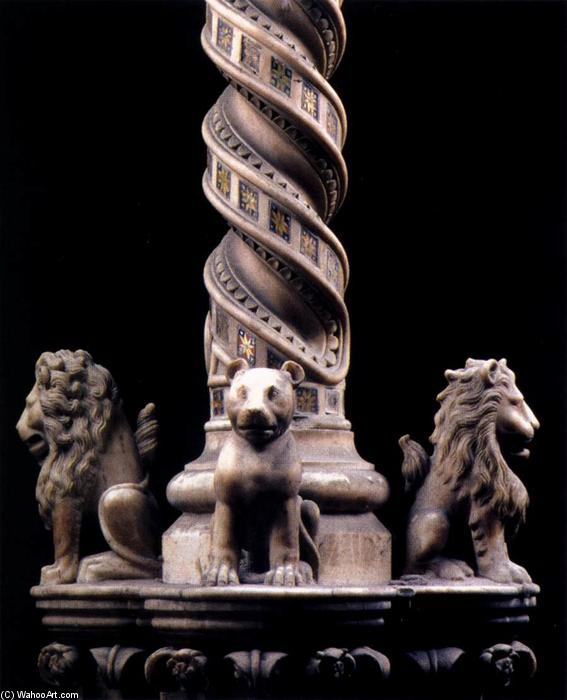
Tabernacle (detail) (8)


 Читать далее
Приобретите цифровое изображение высокого разрешения в улучшенном качестве, которое значительно превосходит онлайн-превью.
Каждый файл тщательно подготавливается нашими специалистами с использованием передовых инструментов и экспертной ручной ретуши. Мы гарантируем исключительную четкость, точную цветопередачу и детальную проработку каждого изображения.
Финальный файл доставляется по электронной почте в течение 72 часов и оптимизирован для немедленного использования в профессиональной среде, при верстке и печати. Это тот же уровень качества, которому доверяют ведущие дизайнерские студии, издательства и галереи.
Цифровое изображение
Скачайте файл высокого разрешения для личного использования, печати и творческих проектов. ( Перейти к печати Купить картину ручной работы)
Включено в каждый заказ цифровых изображений
Гарантия экспертной цифровой доставки
Выбирая ArtsDot.com, вы получаете не просто изображение — вы приобретаете профессионально обработанное цифровое произведение искусства, созданное с безупречной точностью и под защитой гарантии качества. Вот всё, что автоматически входит в ваш заказ:

Мгновенная доставка по e-mail
Ваш цифровой файл в высоком разрешении будет отправлен вам по электронной почте в течение 72 часов после оформления заказа — и сразу станет доступен для использования.

Цифровой файл с ИИ-улучшением
Ваше произведение искусства проходит профессиональную оптимизацию с использованием передовых инструментов ИИ и ручной обработки, что гарантирует максимальную детализацию, четкость и точность цветопередачи.

Бессрочная бесплатная повторная доставка
Случайно удалили или потеряли файл? Не беспокойтесь — мы отправим его вам повторно в любое время и совершенно бесплатно.

Без импортных пошлин — навсегда
Наслаждайтесь вашим произведением искусства мгновенно без таможенных пошлин, сборов или затрат на доставку — цифровые загрузки всегда не облагаются налогом.

Гарантия точности цветопередачи
Мы гарантируем, что ваше цифровое изображение максимально точно передает оригинальные цвета благодаря использованию профессиональных инструментов и систем управления цветом.

Гарантия удовлетворенности 100 дней
Если вы не будете удовлетворены своим цифровым изображением, мы внесем правки или вернем 100% стоимости в течение 100 дней — без лишних вопросов.

100% Гарантия возврата средств
Не удовлетворены покупкой? Получите полный возврат средств в течение 100 дней после получения цифрового файла — без лишних вопросов.

Скидки на оптовые заказы
Купите 3 изображения, сэкономьте 10% — Купите 5, сэкономьте 15% — Купите 10+, сэкономьте 20%. Отличное решение для творческих проектов, галерей и агентств.
Похожие произведения







Биография художника
A Florentine Titan of the Gothic Revival
Andrea di Cione, known to history by the evocative moniker Orcagna, stands as one of the most influential figures in Florentine art during the mid-14th century—a period marked by a fascinating confluence of Gothic and Late Gothic artistic traditions. Born around 1308 in the heart of Florence, he emerged from a family deeply rooted in the city's prestigious artisan culture. His father, a skilled goldsmith, instilled in him an early appreciation for meticulous detail and the masterful execution of fine materials. This familial legacy profoundly shaped Orcagna’s artistic trajectory, propelling him to become not merely a painter but also a sculptor and architect—a rare combination of talents that cemented his reputation as a true polymath of the era.
Orcagna's formative years were spent honing his skills within the vibrant Florentine artisan community. While biographical details remain scarce, evidence suggests he received training primarily from his father and possibly from other prominent sculptors of the time. This grounding in traditional techniques—particularly those associated with Gothic sculpture—would prove crucial to his subsequent artistic endeavors. The influence of Flemish art, particularly its dramatic compositions and expressive realism, is palpable in Orcagna’s early works, foreshadowing the stylistic innovations that would define his mature style. His ability to blend the structural rigidity of sculptural forms with the fluid grace of painting allowed him to create works that felt both monumental and deeply human.
Mastery of Narrative and Devotion
The evolution of Orcagna's style is best observed through his profound engagement with religious narratives and complex altarpieces. One of his most celebrated contributions to the Florentine tradition is the Strozzi Altarpiece, a stunning 1354 Gothic masterpiece. In this work, one can admire the rich detail and vibrant colors that characterize his approach to sacred subjects. His ability to organize large groups of figures within a cohesive, hierarchical structure became a hallmark of his technique, guiding the viewer's eye through layers of spiritual significance. This period of his career demonstrates a transition from purely decorative Gothic elements toward a more structured, almost architectural way of presenting divine stories.
Beyond his altarpieces, Orcagna’s work often explored themes of historical and political tension, as seen in pieces like The Expulsion of the Duke of Athens. These works reveal an artist capable of capturing intense emotion and movement, moving beyond static iconography to embrace a more dynamic storytelling mode. His compositions frequently utilized:
- Hieratic Scale: Using size to denote the spiritual importance of saints and divine figures.
- Architectural Framing: Integrating painted structures that mimic the physical space of cathedrals.
- Expressive Linearity: Utilizing sharp, defined outlines to create a sense of clarity and dramatic tension.
The Triumph of Death and Lasting Legacy
Orcagna achieved unparalleled fame through The Triumph of Death, a monumental undertaking commissioned for Siena Cathedral between 1365 and 1370. This ambitious project represents arguably the pinnacle of Late Gothic art in Italy, showcasing Orcagna’s mastery of sculptural technique alongside his exceptional painting prowess. The work is a complex assemblage of figures depicting saints, martyrs, and demons, executed with breathtaking precision to convey a profound sense of terror and solemn contemplation. It serves as a haunting meditation on mortality, capturing the collective psyche of a century often defined by plague and upheaval.
The historical significance of Andrea di Cione cannot be overstated. As a bridge between the medieval tradition and the burgeoning complexities of the later 14th century, his work provided a foundation upon which future Florentine masters would build. His ability to synthesize the decorative elegance of the Gothic style with a new, more visceral sense of drama helped define the visual language of his age. Even as the Renaissance began to reshape the artistic landscape, the structural integrity and emotional depth found in Orcagna's masterpieces remained a testament to his enduring genius.
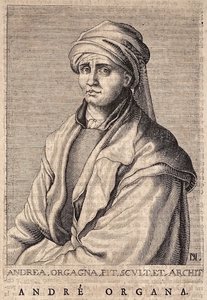
andrea di cione di arcangelo (orcagna)
1308 - 1368 , Italy
Основные сведения
- Artistic Movement Or Style: Gothic-Late Gothic
- Artists Or Movements Influenced By This Artist: ['Renaissance']
- Artists Who Influenced This Artist: ['Ghirlandaio']
- Date Of Birth: Florence, Italy (1308)
- Date Of Death: 1368
- Full Name: Andrea di Cione di Arcangelo (Orcagna)
- Nationality: Italian
- Notable Artworks:
- Saint Matthew and Scenes from his Life
- The Expulsion of the Duke of Athens
- Tabernacle (detail)
- Cenacolo di Andrea del Sarto
- Sant'Andrea a Brozzi
- Place Of Birth: Florence