

 Предпросмотр
 Поделиться
 Поделиться
 Детали произведения

 Скачать
 Похожие работы
 Рентгенография
 Слайд-шоу
 Статистика
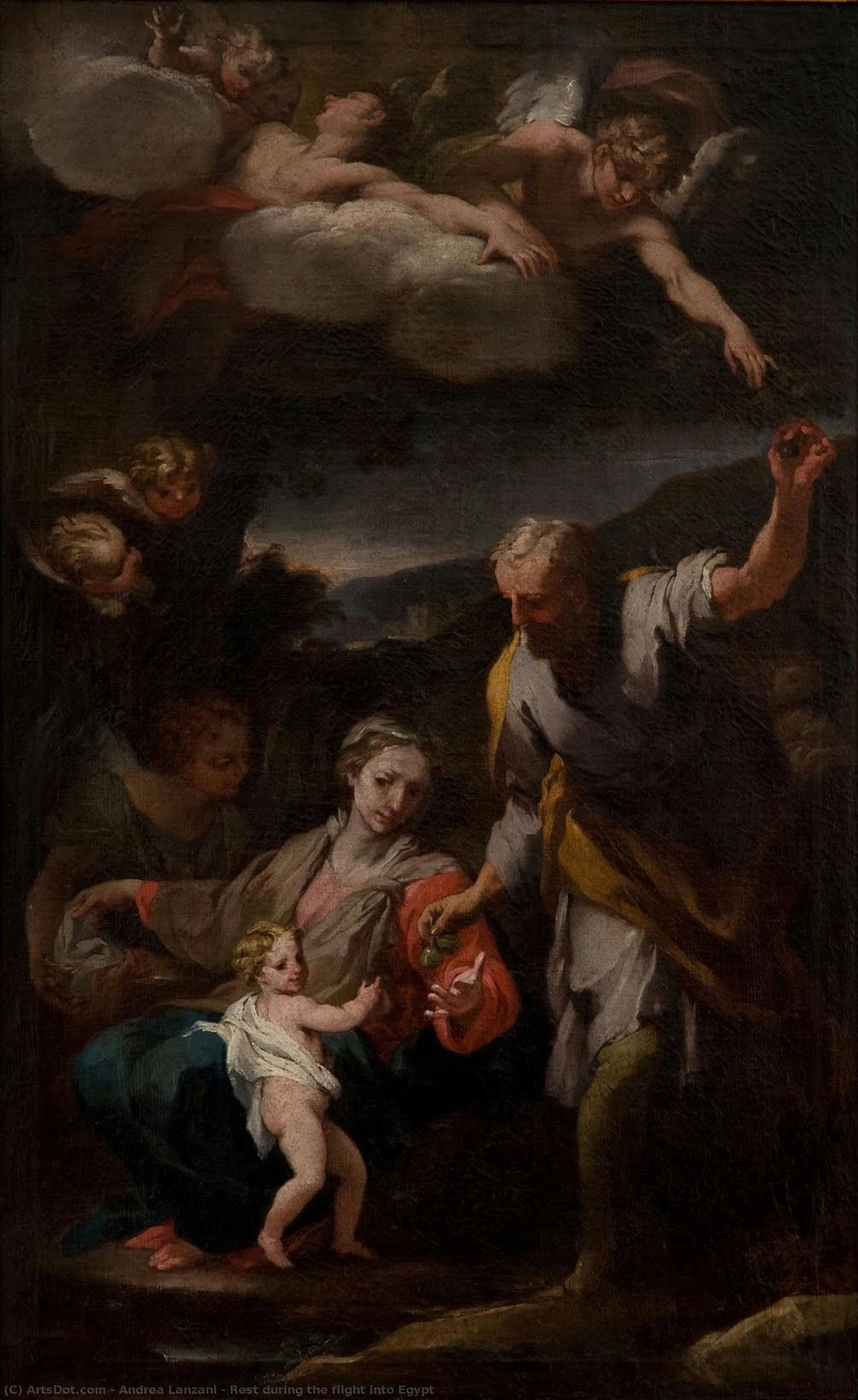
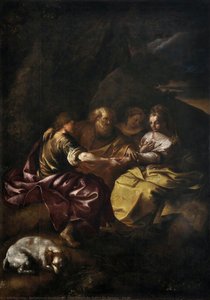
Rest during the flight into Egypt


 Читать далее
Жикле / Арт-принт
Печать (жикле) или холст музейного качества с быстрыми сроками изготовления и широким выбором вариантов отделки. ( Купить картину ручной работы Перейти к цифровым изображениям)




































Выберите один из наших стандартных размеров, соответствующих оригинальным пропорциям произведения искусства.

Вы можете указать свои собственные размеры, чтобы репродукция идеально подошла под конкретную раму или пространство. Если выбранный вами размер не будет соответствовать пропорциям оригинала, мы либо обрежем произведение, либо дополним изображение зеркальным отражением краев или однотонной заливкой. Перед началом производства вам будет отправлен цифровой макет для утверждения.
Пожалуйста, обратите внимание, что предварительный просмотр на экране не отображает фактическую обрезку или расширение изображения. Только макет точно покажет финальную композицию.
Несмотря на возможность заказа индивидуальных размеров, мы рекомендуем выбирать размер из предопределенного списка, чтобы сохранить оригинальные пропорции.
Доставка по всему миру () за 2 недели вместо стандартных 4/5 недель. (13 Сентябрь)

Бесплатная экспресс-доставка по всему миру

Высококачественный льняной холст

Полное страхование доставки

Гарантия возмещения таможенных пошлин

Гарантия точного соответствия цветов

100-дневная политика возврата (только при обнаружении дефектов)

Гарантия возврата 100% средств

Предложение оптовых скидок
 Вариант со стеклом доступен только для размеров менее 110 см

Rest during the flight into Egypt
Жикле / Арт-принт
Размер репродукции
-


Итоговая стоимость
$ 62
Похожие произведения





Биография художника
Anthony van Dyck: The Master of Graceful Portraiture
Anthony van Dyck, born in Antwerp in 1599, stands as a towering figure in the history of Flemish art and is particularly celebrated for his exquisite portraits. His life, though tragically short, was one of remarkable artistic evolution, marked by influences from both his master, Peter Paul Rubens, and the Italian Renaissance, culminating in a uniquely elegant style that profoundly shaped portraiture for centuries to come. Initially apprenticed to Hendrick van Balen, Van Dyck quickly surpassed his teacher, demonstrating an innate talent for capturing not just likeness but also personality and mood. His early works already hinted at the sophisticated understanding of light and color he would later develop, showcasing a precocious ability to render texture and form with remarkable detail.Early Influences and Artistic Development
Van Dyck’s artistic journey began within the vibrant workshop of Hendrick van Balen, where he honed his skills in drawing and painting. However, it was his association with Peter Paul Rubens that proved to be a pivotal moment. Rubens, a titan of the Baroque era, instilled in Van Dyck a deep appreciation for dynamic composition, rich color palettes, and dramatic lighting – elements that would become hallmarks of his own style. Crucially, Van Dyck also sought inspiration from Italian masters, particularly Titian, whose mastery of portraiture influenced his approach to capturing the dignity and grace of his subjects. His travels through Italy between 1620 and 1627 were transformative, exposing him to a wealth of artistic traditions and allowing him to refine his technique. During this period, he developed a distinctive style characterized by its elegance, refinement, and subtle sensuality – qualities that set him apart from his contemporaries.The Court Painter: A New Era in English Portraiture
In 1632, Van Dyck embarked on a new chapter of his career when he accepted the position of court painter to Charles I of England. This marked a significant shift in his artistic focus, as he dedicated himself primarily to portraiture, creating a series of iconic images that immortalized members of the royal family and their court. Unlike earlier English portraits, which often emphasized formality and status, Van Dyck’s depictions were imbued with warmth, intimacy, and a sense of relaxed elegance. He skillfully captured the personalities of his subjects, revealing their individual character traits through subtle gestures, expressions, and clothing choices. His ability to flatter his sitters while maintaining artistic integrity earned him considerable favor at court, solidifying his reputation as one of the most sought-after portraitists in Europe. The influence of Van Dyck’s style on subsequent generations of English artists is undeniable; he essentially established a new standard for aristocratic portraiture that would remain influential for decades to come.Key Works and Artistic Techniques
Van Dyck's oeuvre encompasses a diverse range of subjects, including religious scenes, mythological compositions, and portraits. However, it is his portraits that are most celebrated. Notable works include the magnificent double portrait of King Charles I and his son Prince Henry (1637), which exemplifies his mastery of light, color, and composition; the elegant depiction of Queen Henrietta Maria (1635); and the intimate portrayal of Lady Mary Stuart (1640). His technique was characterized by a remarkable ability to render fabrics with exquisite detail, capturing their texture and sheen through subtle variations in tone and brushwork. He also employed a sophisticated use of chiaroscuro – the contrast between light and shadow – to create depth and drama within his paintings. Furthermore, Van Dyck’s innovative approach to double portraits, where two figures are depicted together in a single composition, allowed him to explore complex relationships and convey subtle nuances of emotion.Legacy and Historical Significance
Anthony van Dyck died prematurely in London in 1641 at the age of 42, leaving behind a legacy that continues to inspire artists today. His influence on portraiture is profound, having established a new standard for elegance, grace, and psychological insight. He was largely responsible for introducing the ‘friendship’ or double portrait to Britain, a format that became immensely popular among the aristocracy. His work profoundly impacted British art, shaping the style of painters like Gainsborough and influencing generations of portrait artists. Van Dyck's paintings are treasured for their beauty, technical skill, and ability to capture the essence of his subjects – a testament to his genius as one of the greatest portraitists in Western art history. His works can be found in major museums worldwide, including the National Gallery in London and the Metropolitan Museum of Art in New York, ensuring that his artistic legacy endures for centuries to come.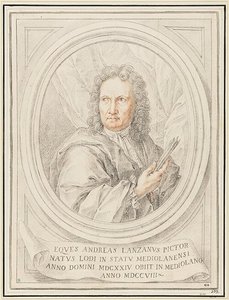
andrea lanzani
1641 - 1712 , Italy
Основные сведения
- Artistic Movement Or Style: Portraiture
- Artists Or Movements Influenced By This Artist: ['Gainsborough']
- Artists Who Influenced This Artist:
- Rubens
- Titian
- Date Of Birth: 1599-03-22
- Date Of Death: 1641-12-09
- Full Name: Anthony van Dyck
- Nationality: Flemish
- Notable Artworks:
- Marchesa Elena Grimaldi
- King of Great Britain
- Double portrait Lennox sons
- Place Of Birth: Antwerp, Belgium