

 Предпросмотр
 Поделиться
 Поделиться
 Детали произведения

 Скачать
 Похожие работы
 Рентгенография
 Слайд-шоу
 Статистика
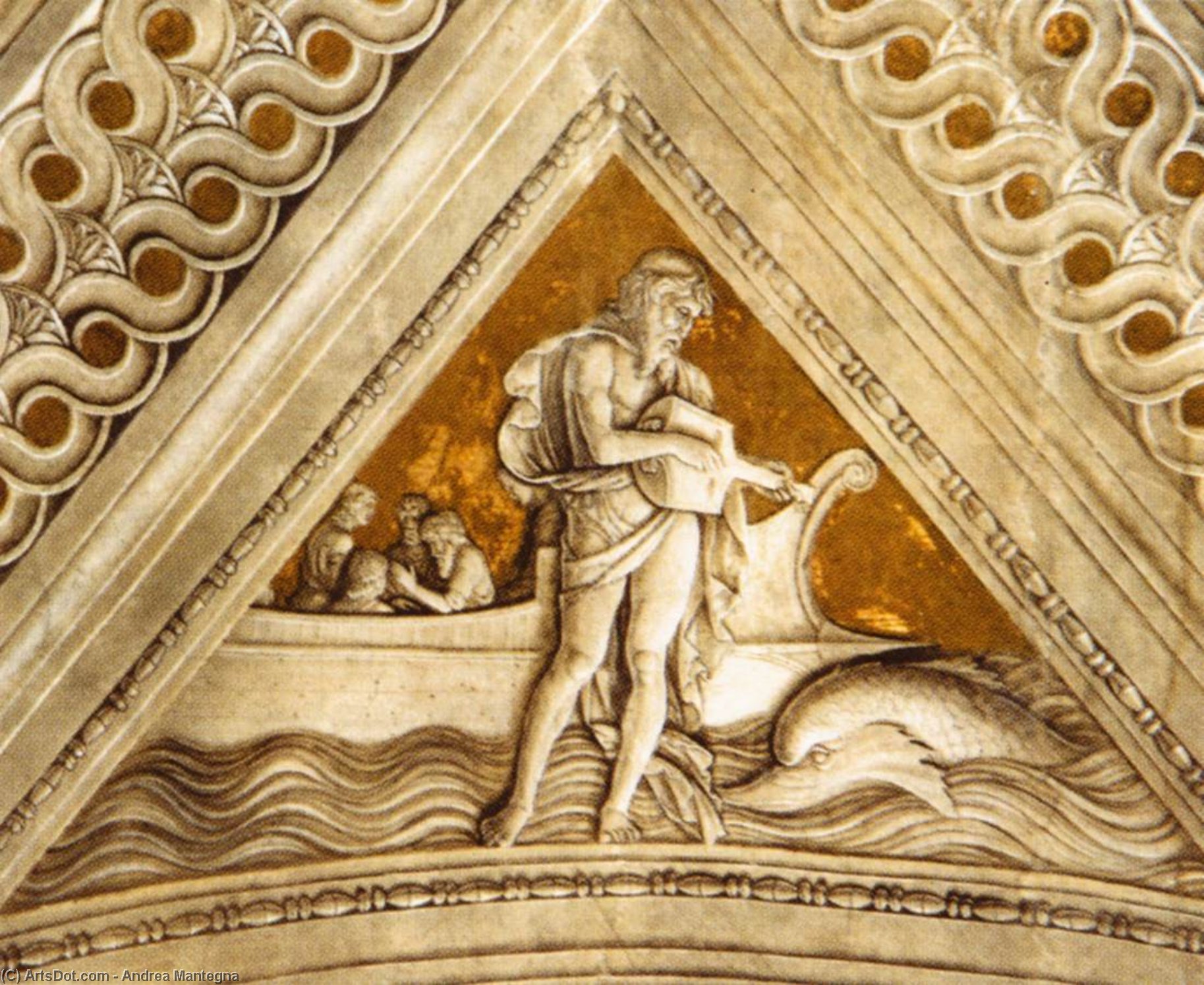
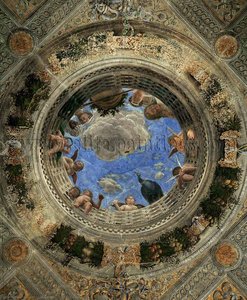
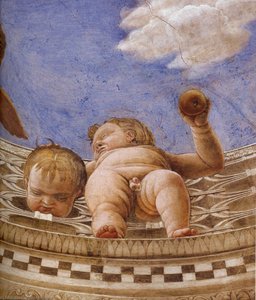
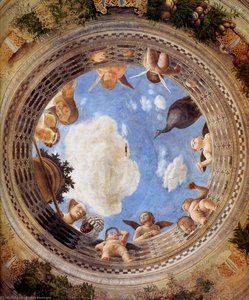
Ceiling decoration (detail)


 Читать далее
Приобретите цифровое изображение высокого разрешения в улучшенном качестве, которое значительно превосходит онлайн-превью.
Каждый файл тщательно подготавливается нашими специалистами с использованием передовых инструментов и экспертной ручной ретуши. Мы гарантируем исключительную четкость, точную цветопередачу и детальную проработку каждого изображения.
Финальный файл доставляется по электронной почте в течение 72 часов и оптимизирован для немедленного использования в профессиональной среде, при верстке и печати. Это тот же уровень качества, которому доверяют ведущие дизайнерские студии, издательства и галереи.
Цифровое изображение
Скачайте файл высокого разрешения для личного использования, печати и творческих проектов. ( Перейти к печати Купить картину ручной работы)
Включено в каждый заказ цифровых изображений
Гарантия экспертной цифровой доставки
Выбирая ArtsDot.com, вы получаете не просто изображение — вы приобретаете профессионально обработанное цифровое произведение искусства, созданное с безупречной точностью и под защитой гарантии качества. Вот всё, что автоматически входит в ваш заказ:

Мгновенная доставка по e-mail
Ваш цифровой файл в высоком разрешении будет отправлен вам по электронной почте в течение 72 часов после оформления заказа — и сразу станет доступен для использования.

Цифровой файл с ИИ-улучшением
Ваше произведение искусства проходит профессиональную оптимизацию с использованием передовых инструментов ИИ и ручной обработки, что гарантирует максимальную детализацию, четкость и точность цветопередачи.

Бессрочная бесплатная повторная доставка
Случайно удалили или потеряли файл? Не беспокойтесь — мы отправим его вам повторно в любое время и совершенно бесплатно.

Без импортных пошлин — навсегда
Наслаждайтесь вашим произведением искусства мгновенно без таможенных пошлин, сборов или затрат на доставку — цифровые загрузки всегда не облагаются налогом.

Гарантия точности цветопередачи
Мы гарантируем, что ваше цифровое изображение максимально точно передает оригинальные цвета благодаря использованию профессиональных инструментов и систем управления цветом.

Гарантия удовлетворенности 100 дней
Если вы не будете удовлетворены своим цифровым изображением, мы внесем правки или вернем 100% стоимости в течение 100 дней — без лишних вопросов.

100% Гарантия возврата средств
Не удовлетворены покупкой? Получите полный возврат средств в течение 100 дней после получения цифрового файла — без лишних вопросов.

Скидки на оптовые заказы
Купите 3 изображения, сэкономьте 10% — Купите 5, сэкономьте 15% — Купите 10+, сэкономьте 20%. Отличное решение для творческих проектов, галерей и агентств.
A Window into Antiquity: Exploring Andrea Mantegna’s Ceiling Decoration
The painting, “Ceiling decoration (detail),” by Andrea Mantegna—created around 1465—isn't merely a depiction of a biblical scene; it’s a testament to Mantegna’s singular artistic philosophy. Born in Carturu, Italy, approximately 1431, Mantegna wasn’t simply replicating classical ideals; he was actively resurrecting them, painstakingly reconstructing the grandeur and intellectual rigor of Rome through his art. This ambition distinguishes him from many of his contemporaries who approached classical influences with a more superficial gaze. Instead, Mantegna undertook an exhaustive investigation into Roman archaeology—a pursuit fueled by his formative apprenticeship under Francesco Squarcione, whose workshop served as a crucible for humanist scholarship and artistic innovation. Squarcione’s influence profoundly shaped Mantegna's worldview. Recognizing the transformative power of encountering ancient ruins firsthand, he established a studio that prioritized meticulous observation and accurate representation. The workshop functioned less like a conventional atelier and more akin to an academy dedicated to deciphering the secrets held within fragments of Roman sculpture and inscriptions—a deliberate effort to recapture the spirit of imperial Rome. This dedication to archaeological precision would become a cornerstone of Mantegna’s artistic style, informing his groundbreaking use of perspective and sculptural illusion.- Style: Renaissance
- Technique: Fresco Painting
- Medium: Pigments mixed with lime plaster
Похожие произведения
Биография художника
A Renaissance Forged in Antiquity: The Life and Art of Andrea Mantegna
Andrea Mantegna, born near Padua around 1431, stands as a pivotal figure bridging the Early and High Renaissances. His artistic journey wasn’t merely about adopting classical forms; it was an immersive excavation of antiquity, a passionate attempt to resurrect the spirit of Rome within the burgeoning Italian Renaissance. Unlike many contemporaries who drew inspiration from classical models, Mantegna possessed a unique fervor for archaeological accuracy. This obsession stemmed from his formative years under Francesco Squarcione, a painter and collector whose workshop functioned less as a traditional studio and more as an academy dedicated to the study of Roman ruins, sculptures, and inscriptions. It was within these walls, surrounded by fragments of a lost empire, that Mantegna’s artistic vision began to take shape—a vision characterized by sculptural forms, dramatic perspective, and an almost obsessive attention to detail. His early life remains somewhat shrouded in mystery; accounts suggest he was discovered as a promising apprentice, his innate talent recognized and nurtured by Squarcione despite humble origins. This unconventional beginning perhaps fueled Mantegna’s relentless pursuit of artistic mastery and his determination to forge a style distinctly his own.The Gonzaga Court and the Illusion of Reality
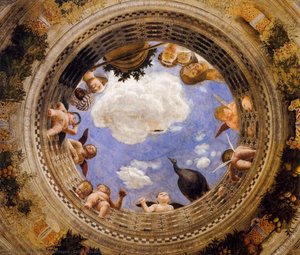
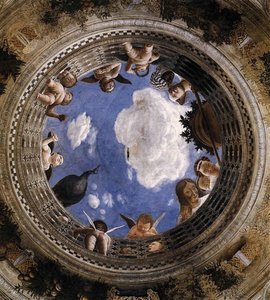
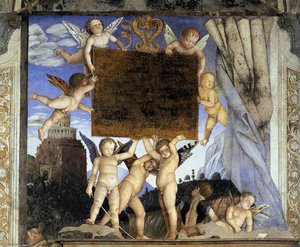
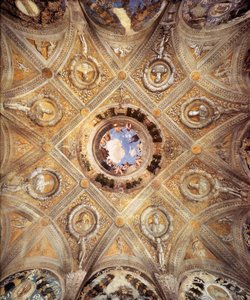
Mantegna's career truly blossomed when he entered the service of the Gonzaga family in Mantua, becoming court painter in 1488. This patronage provided him with an unprecedented level of artistic freedom and a platform to realize his most ambitious projects. The Gonzaga’s were not simply patrons; they were collaborators, commissioning works that pushed the boundaries of artistic innovation. It was during this period that Mantegna created what is arguably his masterpiece: the *Camera degli Sposi* (Bridal Chamber) frescoes in the Palazzo Ducale. This groundbreaking work transcends mere decoration; it's a complete illusionistic environment, seamlessly integrating architecture and painting to create an extended sense of space. The frescoes depict scenes from the life of the Gonzaga family—intimate portraits of the ruling dynasty alongside allegorical representations of their power and lineage—and a breathtaking *di sotto in sù* (seen from below) ceiling panel that creates the illusion of an open sky, filled with mythological figures and celestial bodies. This masterful manipulation of perspective wasn’t simply about technical skill; it was about creating a world within a room, blurring the lines between reality and representation. The *Camera degli Sposi* is more than just a painting; it's a meticulously crafted stage for the Gonzaga family’s self-image, reflecting their ambition and their connection to the legacy of Rome. Beyond the *Camera degli Sposi*, Mantegna continued to produce works of exceptional quality for the Gonzaga court, including the monumental series *Triumphs of Caesar*. These paintings, inspired by Roman triumphal processions, are not merely historical depictions; they are elaborate allegories celebrating the power and prestige of the Gonzaga family, presented with a grandeur that rivals the imperial ambitions of ancient Rome.A Master of Perspective and Anatomical Precision
Mantegna’s artistic innovations extended far beyond illusionistic environments. He was a pioneer in the use of perspective, often employing techniques that went against conventional methods to achieve dramatic effects. Frequently, he adjusted the horizon line, creating a sense of monumentality and imposing scale. This technique, coupled with his meticulous attention to anatomical detail, gave his figures an unparalleled sense of weight and presence. He wasn’t content with simply representing the human form; he dissected it, studied its musculature, and rendered it with a precision that was revolutionary for his time. His mastery of *trompe-l'oeil* – creating illusions so convincing they deceive the eye – further enhanced this effect, blurring the boundaries between painting and reality. This dedication to anatomical accuracy wasn’t merely an exercise in technical skill; it reflected Mantegna’s deep engagement with classical sculpture and his desire to emulate the idealized forms of antiquity. He sought not just to depict the human body but to capture its inherent dignity and power. His influence on subsequent generations of artists, including Raphael and Michelangelo, is undeniable, as they built upon his foundations in perspective, anatomy, and composition.Influences and Legacy
Mantegna’s artistic vision was profoundly shaped by several key influences. His early training under Francesco Squarcione instilled in him a deep appreciation for Roman antiquity, fostering a fascination with archaeological discoveries and the study of classical art. The Bellini family—his father-in-law and uncle—also played a significant role, introducing him to Venetian artistic traditions and techniques. However, Mantegna’s style was uniquely his own, blending these influences into a distinctive synthesis that combined the rigor of classical antiquity with the emotional intensity of the Renaissance. His work served as a bridge between the Early and High Renaissances, demonstrating both the meticulous detail of the former and the dynamic energy of the latter. Mantegna's legacy extends far beyond his individual works; he helped to establish a new standard for artistic realism and illusionism, influencing generations of artists who followed. His exploration of classical themes helped revive interest in ancient art and culture, paving the way for the artistic achievements of the High Renaissance. He died in Mantua in 1506, leaving behind a body of work that continues to captivate and inspire viewers today. His paintings are housed in major museums around the world, serving as enduring testaments to his genius and his pivotal role in the history of art.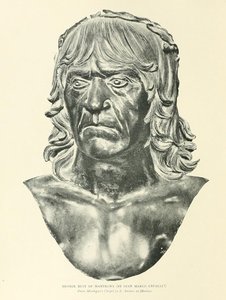
Андреа Мантенья
1431 - 1506 , Италия
Основные сведения
- Artistic Movement Or Style: Раннее Возрождение
- Artists Or Movements Influenced By This Artist:
- Рафаэль
- Микеланджело
- Artists Who Influenced This Artist:
- Донателло
- Якопо Беллуни
- Date Of Birth: 1431
- Date Of Death: 1506
- Full Name: Андреа Мантegna
- Nationality: Итальянский
- Notable Artworks:
- Камера знатных степеней
- Триумфы Цезаря
- Place Of Birth: Падуя, Италия