


 Предпросмотр
 Поделиться
 Поделиться
 Детали произведения

 Скачать
 Похожие работы
 Рентгенография
 Слайд-шоу
 Статистика
Hudson, New York
 1988
1988 28.0 x 23.0 cm
 Читать далее
Приобретите цифровое изображение высокого разрешения в улучшенном качестве, которое значительно превосходит онлайн-превью.
Каждый файл тщательно подготавливается нашими специалистами с использованием передовых инструментов и экспертной ручной ретуши. Мы гарантируем исключительную четкость, точную цветопередачу и детальную проработку каждого изображения.
Финальный файл доставляется по электронной почте в течение 72 часов и оптимизирован для немедленного использования в профессиональной среде, при верстке и печати. Это тот же уровень качества, которому доверяют ведущие дизайнерские студии, издательства и галереи.
Цифровое изображение
Скачайте файл высокого разрешения для личного использования, печати и творческих проектов. ( Перейти к печати Купить картину ручной работы)
Включено в каждый заказ цифровых изображений
Гарантия экспертной цифровой доставки
Выбирая ArtsDot.com, вы получаете не просто изображение — вы приобретаете профессионально обработанное цифровое произведение искусства, созданное с безупречной точностью и под защитой гарантии качества. Вот всё, что автоматически входит в ваш заказ:

Мгновенная доставка по e-mail
Ваш цифровой файл в высоком разрешении будет отправлен вам по электронной почте в течение 72 часов после оформления заказа — и сразу станет доступен для использования.

Цифровой файл с ИИ-улучшением
Ваше произведение искусства проходит профессиональную оптимизацию с использованием передовых инструментов ИИ и ручной обработки, что гарантирует максимальную детализацию, четкость и точность цветопередачи.

Бессрочная бесплатная повторная доставка
Случайно удалили или потеряли файл? Не беспокойтесь — мы отправим его вам повторно в любое время и совершенно бесплатно.

Без импортных пошлин — навсегда
Наслаждайтесь вашим произведением искусства мгновенно без таможенных пошлин, сборов или затрат на доставку — цифровые загрузки всегда не облагаются налогом.

Гарантия точности цветопередачи
Мы гарантируем, что ваше цифровое изображение максимально точно передает оригинальные цвета благодаря использованию профессиональных инструментов и систем управления цветом.

Гарантия удовлетворенности 100 дней
Если вы не будете удовлетворены своим цифровым изображением, мы внесем правки или вернем 100% стоимости в течение 100 дней — без лишних вопросов.

100% Гарантия возврата средств
Не удовлетворены покупкой? Получите полный возврат средств в течение 100 дней после получения цифрового файла — без лишних вопросов.

Скидки на оптовые заказы
Купите 3 изображения, сэкономьте 10% — Купите 5, сэкономьте 15% — Купите 10+, сэкономьте 20%. Отличное решение для творческих проектов, галерей и агентств.
Похожие произведения








Биография художника
The Echoes of a Decade: Exploring the Art of the 1960s
The 1960s weren’t merely a decade; they were an explosion – an eruption of social, political, and artistic upheaval that fundamentally reshaped Western culture. Within this turbulent landscape, art underwent a radical transformation, moving beyond traditional notions of beauty and skill to embrace experimentation, conceptualism, and a direct engagement with the realities of the time. The artists who defined this era didn’t just create images; they crafted statements, provoked questions, and challenged established hierarchies within the art world itself. This period witnessed the rise of movements like Pop Art, Minimalism, Op Art, and Conceptual Art, each offering a unique lens through which to view the rapidly changing world around them.The Seeds of Change: Influences and Context
To understand the artistic output of the 1960s, it’s crucial to recognize the forces shaping its development. The post-war economic boom fueled consumerism and a fascination with mass media – an environment perfectly ripe for Pop Art's exploration of everyday objects and imagery. Simultaneously, the Civil Rights Movement, the burgeoning counterculture, and the Vietnam War ignited widespread protests and challenged established social norms. Existentialist philosophy, particularly the work of Jean-Paul Sartre and Albert Camus, questioned traditional values and emphasized individual freedom and responsibility – ideas that resonated deeply with artists seeking to redefine their roles within society. Furthermore, advancements in technology, like screen printing and industrial materials, provided new tools and possibilities for artistic expression. The influence of earlier avant-garde movements, such as Dadaism and Surrealism, continued to inform the work of many 1960s artists, albeit with a distinctly contemporary twist.Pop Art: Embracing the Everyday
Perhaps the most recognizable movement of the decade was Pop Art, spearheaded by figures like Andy Warhol, Roy Lichtenstein, and Robert Rauschenberg. Rejecting the elitism of Abstract Expressionism, these artists deliberately drew inspiration from popular culture – advertising, comic books, consumer products, and celebrity images. Warhol’s iconic silkscreen prints of Marilyn Monroe and Campbell's soup cans blurred the lines between “high” art and “low” culture, questioning notions of artistic value and challenging viewers to reconsider their relationship with mass-produced objects. Lichtenstein’s meticulous reproductions of comic book panels employed Ben-Day dots, mimicking the printing process and commenting on the commercialization of visual imagery. Rauschenberg's "Combines," which integrated painting and found objects, further emphasized the intersection between art and everyday life.Minimalism: Reducing to Essence
In stark contrast to Pop Art’s embrace of popular culture, Minimalism sought to strip art down to its most essential elements. Artists like Donald Judd, Sol LeWitt, and Carl Andre focused on simple geometric forms – cubes, rectangles, lines – often constructed from industrial materials such as steel, concrete, and wood. The emphasis was not on representation or emotional expression but on the physical presence of the artwork itself and the viewer’s experience within its space. Minimalist sculptures were deliberately devoid of ornamentation or personal touches, aiming to create a purely objective encounter with form and material. This movement represented a significant shift away from traditional notions of artistic skill and craftsmanship.Beyond the Surface: Conceptual Art and Other Developments
The 1960s also witnessed the emergence of Conceptual Art, which prioritized ideas over physical objects. Artists like Joseph Kosuth explored the relationship between language, art, and reality through works that often consisted of text or diagrams. Op Art, pioneered by Bridget Riley, utilized optical illusions to create dynamic visual effects, while Happenings – spontaneous events involving performance, audience participation, and unconventional materials – challenged traditional notions of artistic presentation. The decade’s artists were not confined to a single style; they embraced experimentation, pushing the boundaries of art and challenging viewers to engage with it in new ways. The legacy of this period continues to resonate today, influencing contemporary art practices and shaping our understanding of what constitutes “art.”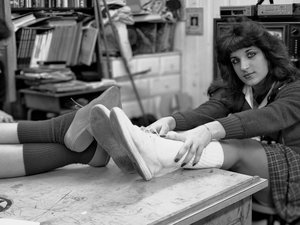
andrea modica
1960 - , United States of America
Основные сведения
- Artistic Movement Or Style: Hand-painted reproductions
- Artists Or Movements Influenced By This Artist: ['']
- Artists Who Influenced This Artist: ['']
- Date Of Birth: 1960
- Full Name: WahooArt
- Notable Artworks: ['Various famous artworks']
- Place Of Birth: WahooArt