

 Предпросмотр
 Поделиться
 Поделиться
 Детали произведения

 Скачать
 Похожие работы
 Рентгенография
 Слайд-шоу
 Статистика
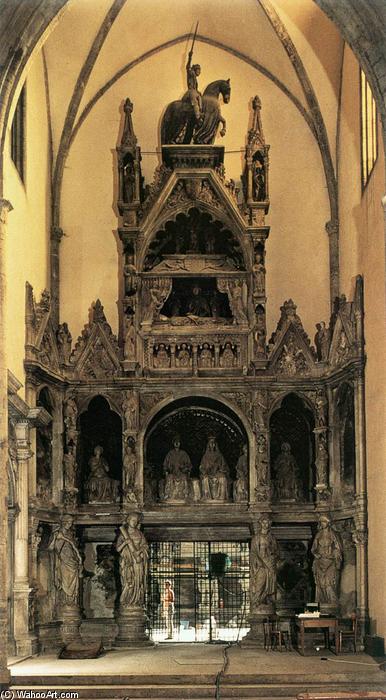
Tomb of King Ladislas


 Читать далее
Масляная репродукция ручной работы
Картина маслом на холсте в выбранном вами размере и раме, написанная на заказ нашими художниками. ( Перейти к печати Перейти к цифровым изображениям)




































Выберите один из наших стандартных размеров, соответствующих оригинальным пропорциям произведения искусства.

Вы можете указать собственные размеры, чтобы картина идеально вписалась в выбранную раму или пространство. Если выбранный вами размер не соответствует пропорциям оригинала, мы либо обрежем полотно, либо расширим его за счет дополнительных элементов, написанных вручную. Цифровой макет будет отправлен вам на утверждение перед началом производства.
Обратите внимание, что предварительный просмотр на экране не отражает фактическую обрезку или расширение. Только макет точно покажет окончательную композицию.
Хотя доступны индивидуальные размеры, мы рекомендуем выбирать вариант из предопределенного списка, чтобы сохранить исходные пропорции.
После оформления заказа команда ArtsDot.com свяжется с клиентом по электронной почте для уточнения деталей и предоставит предварительный макет
Доставка по всему миру () за 3–4 недели вместо стандартных 5 недель. (12 Сентябрь). Без компромиссов в качестве.

Бесплатная экспресс-доставка по всему миру

Высококачественный льняной холст

Полное страхование доставки

Гарантия возмещения таможенных пошлин

Гарантия точного соответствия цветов

100-дневная политика возврата (только при обнаружении дефектов)

Гарантия возврата 100% средств

Предложение оптовых скидок
 Вариант со стеклом доступен только для размеров менее 110 см

Tomb of King Ladislas
Техника репродукции
Размер репродукции
-


Итоговая стоимость
$ 263
Похожие произведения









Биография художника
Andrea Nofri: The Silent Master of Renaissance Florence
Andrea Nofri (c. 1388 – c. 1455) remains a figure shrouded in intriguing mystery, a silent master whose impact on the burgeoning artistic landscape of early Renaissance Florence is increasingly recognized despite a relative lack of direct biographical documentation. Born and likely working primarily within the confines of his native city, Florence, Nofri’s legacy rests largely upon a handful of exceptional works – most notably the monumental Tomb of King Ladislaus in Naples – and a growing body of scholarship dedicated to piecing together the fragments of his life and artistic practice. He represents a fascinating case study: an artist whose talent shone brightly yet remained largely unseen during his own time, only gaining prominence through subsequent analysis and rediscovery. Nofri’s early training is somewhat speculative, though it's believed he was influenced by the established traditions of Florentine sculpture, particularly those associated with Masuccio the Younger, a prominent sculptor known for his realistic depictions of biblical figures. However, unlike many of his contemporaries who gravitated towards the increasingly fashionable styles of the time, Nofri developed a distinctly individual approach – characterized by a remarkable restraint and an almost meditative quality in his execution. His works are not overtly dramatic or emotionally charged; instead, they possess a quiet dignity and a profound sense of stillness that speaks to a deeply considered artistic vision. This restrained style is particularly evident in the intricate details he meticulously rendered, suggesting a dedication to craft and a reverence for the materials themselves. The centerpiece of Nofri’s oeuvre – and arguably his most significant contribution to art history – is undoubtedly the Tomb of King Ladislaus (Ladislav) of Naples (1420-1423). Commissioned by the Neapolitan court, this ambitious project showcased Nofri's mastery of both sculpture and architectural design. The tomb itself is a marvel of late Gothic architecture, featuring a complex arrangement of arches, columns, and decorative elements. However, it’s the sculptural program that truly captivates: a series of exquisitely carved panels depicting scenes from the life and death of Ladislaus, rendered with an astonishing level of realism and psychological depth. The figures are not idealized or heroic; they possess a palpable sense of humanity – their faces etched with sorrow, grief, and resignation. This unflinching portrayal of human emotion was remarkably innovative for its time and contributed significantly to Nofri’s growing reputation as a sculptor of exceptional sensitivity. Beyond the Tomb of Ladislaus, scattered evidence points to other commissions in Naples and possibly even Florence. Fragments of sculptures, architectural elements, and documented appearances in Florentine building contracts suggest a sustained artistic activity throughout his career. Interestingly, contemporary sources often refer to him using various pseudonyms – Andrea di Onofrio, Andrea da Firenze – reflecting perhaps a deliberate attempt to maintain anonymity or avoid the pressures of fame. This elusive nature only adds to the mystique surrounding Nofri’s life and work. The influence of Nofri on subsequent generations of Florentine sculptors is difficult to quantify precisely, but his quiet intensity and commitment to detail undoubtedly resonated with artists who followed in his footsteps. His emphasis on psychological realism and restrained elegance foreshadowed many of the key developments in Renaissance sculpture – particularly those associated with Donatello and Verrocchio. Furthermore, Nofri’s work provides a valuable counterpoint to the more flamboyant and overtly expressive styles that dominated Florentine art during the early 15th century. He represents a crucial link between the late Gothic traditions of the preceding era and the groundbreaking innovations of the High Renaissance. Despite the challenges posed by limited documentary evidence, recent scholarship has begun to illuminate the significance of Andrea Nofri as one of Florence’s most important – yet largely forgotten – early Renaissance sculptors. His legacy lies not in grand monuments or celebrated masterpieces, but in the quiet dignity and profound emotional depth of his individual works – a testament to an artist who, through meticulous craftsmanship and unwavering artistic integrity, left an indelible mark on the history of Italian art.Further Exploration
- Web Gallery of Art: Biography
- Wikipedia: Andrea Ciccione
- ArtsDot.com: Artist Profile
andrea nofri
1388 - 1455
Основные сведения
- Artistic Movement Or Style: Renaissance
- Artists Or Movements Influenced By This Artist: ['Renaissance Italy']
- Artists Who Influenced This Artist: ['Masuccio the Younger']
- Date Of Birth: 1388
- Date Of Death: 1455
- Full Name: Andrea Nofri
- Nationality: Italian
- Notable Artworks: ['Tomb of King Ladislas']
- Place Of Birth: Florence, Italy