

 Предпросмотр
 Поделиться
 Поделиться
 Детали произведения

 Скачать
 Похожие работы
 Рентгенография
 Слайд-шоу
 Статистика
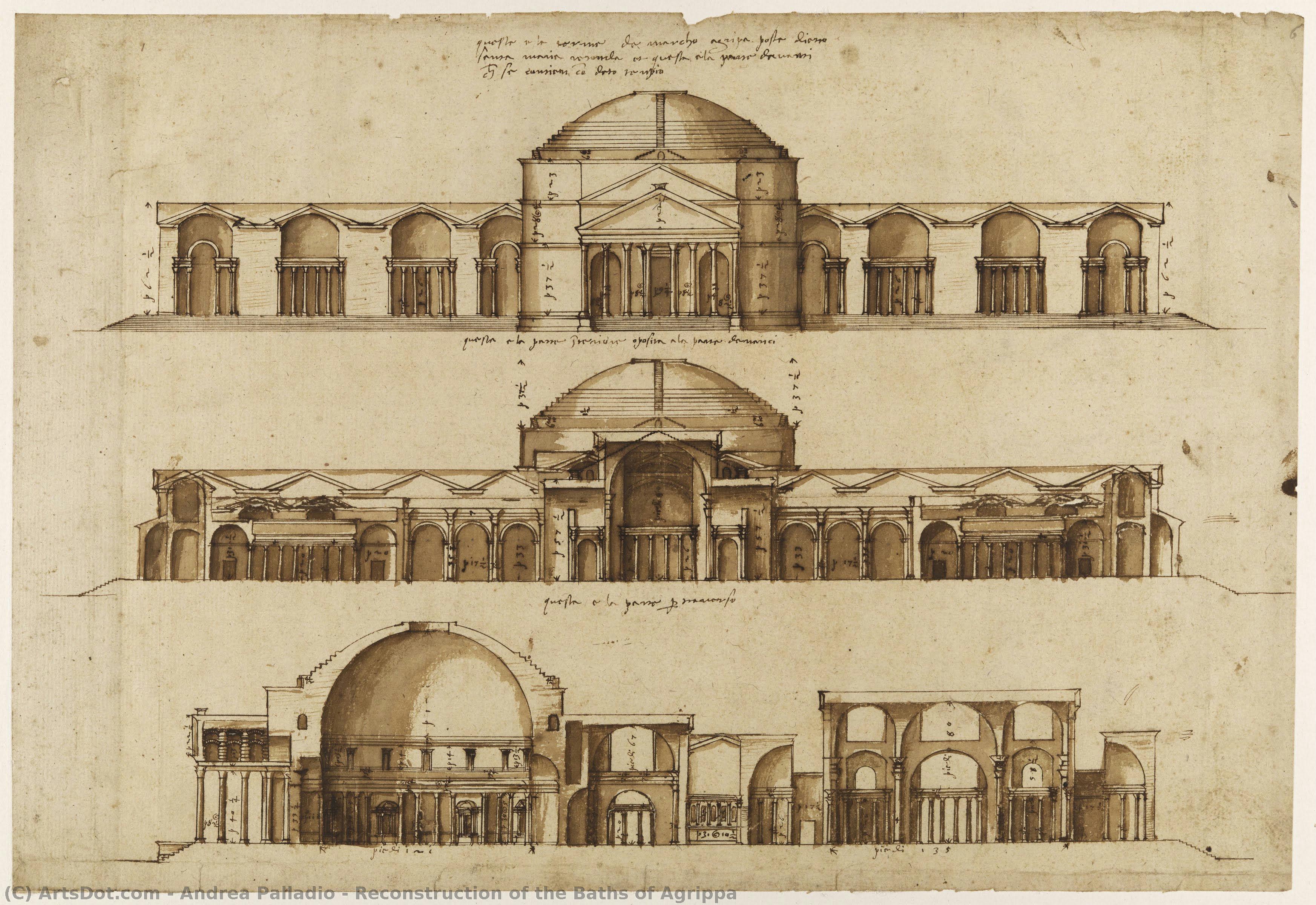
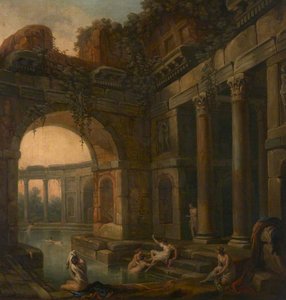
Reconstruction of the Baths of Agrippa


 Читать далее
Приобретите цифровое изображение высокого разрешения в улучшенном качестве, которое значительно превосходит онлайн-превью.
Каждый файл тщательно подготавливается нашими специалистами с использованием передовых инструментов и экспертной ручной ретуши. Мы гарантируем исключительную четкость, точную цветопередачу и детальную проработку каждого изображения.
Финальный файл доставляется по электронной почте в течение 72 часов и оптимизирован для немедленного использования в профессиональной среде, при верстке и печати. Это тот же уровень качества, которому доверяют ведущие дизайнерские студии, издательства и галереи.
Цифровое изображение
Скачайте файл высокого разрешения для личного использования, печати и творческих проектов. ( Перейти к печати Купить картину ручной работы)
Включено в каждый заказ цифровых изображений
Гарантия экспертной цифровой доставки
Выбирая ArtsDot.com, вы получаете не просто изображение — вы приобретаете профессионально обработанное цифровое произведение искусства, созданное с безупречной точностью и под защитой гарантии качества. Вот всё, что автоматически входит в ваш заказ:

Мгновенная доставка по e-mail
Ваш цифровой файл в высоком разрешении будет отправлен вам по электронной почте в течение 72 часов после оформления заказа — и сразу станет доступен для использования.

Цифровой файл с ИИ-улучшением
Ваше произведение искусства проходит профессиональную оптимизацию с использованием передовых инструментов ИИ и ручной обработки, что гарантирует максимальную детализацию, четкость и точность цветопередачи.

Бессрочная бесплатная повторная доставка
Случайно удалили или потеряли файл? Не беспокойтесь — мы отправим его вам повторно в любое время и совершенно бесплатно.

Без импортных пошлин — навсегда
Наслаждайтесь вашим произведением искусства мгновенно без таможенных пошлин, сборов или затрат на доставку — цифровые загрузки всегда не облагаются налогом.

Гарантия точности цветопередачи
Мы гарантируем, что ваше цифровое изображение максимально точно передает оригинальные цвета благодаря использованию профессиональных инструментов и систем управления цветом.

Гарантия удовлетворенности 100 дней
Если вы не будете удовлетворены своим цифровым изображением, мы внесем правки или вернем 100% стоимости в течение 100 дней — без лишних вопросов.

100% Гарантия возврата средств
Не удовлетворены покупкой? Получите полный возврат средств в течение 100 дней после получения цифрового файла — без лишних вопросов.

Скидки на оптовые заказы
Купите 3 изображения, сэкономьте 10% — Купите 5, сэкономьте 15% — Купите 10+, сэкономьте 20%. Отличное решение для творческих проектов, галерей и агентств.
Reconstruction of the Baths of Agrippa: A Monumental Vision of Roman Elegance
The drawing before us offers an astonishing glimpse into the architectural ambition of Andrea Palladio, capturing not merely the physical structure but also the spirit of classical design. Executed in 1560, this meticulous plan—a cornerstone of Palladio’s oeuvre—represents more than just a building; it embodies the ideals of harmony, proportion, and rational order that defined Renaissance Italy. The image itself is presented as three horizontal panels, each meticulously detailing a different elevation or section of the Baths of Agrippa complex, demonstrating Palladio's dedication to precision and capturing the grandeur of Roman engineering.Architectural Precision: Palladian Technique
Palladio’s masterful draughtsmanship—primarily utilizing pen and ink on paper—is immediately apparent. Extensive hatching and crosshatching dominate the composition, skillfully conveying shading and establishing a palpable sense of three-dimensionality. Lines are predominantly dark brown or black, creating dramatic depth and reinforcing perspective, guiding the viewer's eye across the intricate geometric forms of arches, columns, and the monumental dome. The careful rendering of textures—particularly the aged paper surface—adds to the drawing’s authenticity, transporting us back to the Renaissance workshop where Palladio wrestled with capturing the essence of Roman architectural principles. Note the deliberate placement of Latin annotations within each panel; these serve as crucial contextual clues, highlighting Palladio's scholarly engagement with Vitruvius and his unwavering commitment to reviving classical ideals.The Baths: Symbolism of Imperial Power
Beyond its technical brilliance, the Baths of Agrippa holds profound symbolic significance. Constructed by Marcus Vipsanius Agrippa—Augustus’s loyal ally—during the reign of Augustus, it represented a triumph of Roman engineering and artistic innovation. As Dio recounts, Agrippa undertook three ambitious projects simultaneously: the Domus Aurea (the Golden House), the Pantheon, and the Baths of Agrippa. The Baths were conceived as a space for leisure, social interaction, and physical rejuvenation—a microcosm of imperial power and sophistication. The inclusion of monumental sculpture, notably Lysippus’s Apoxyomenos, underscored this ambition, elevating the complex to the status of an artistic masterpiece. Furthermore, Palladio's design mirrored the grandeur of earlier Roman baths, demonstrating his understanding of architectural history and his desire to emulate the best achievements of antiquity.Influence and Legacy: Palladianism's Enduring Impact
Andrea Palladio’s influence extended far beyond the immediate context of Rome and Vicenza. His groundbreaking treatise, *I quattro libri dell’architettura* (The Four Books of Architecture), published in 1570, codified his architectural principles—symmetry, proportion, and harmony—establishing them as benchmarks for generations of architects to come. Palladio's style resonated across Europe, inspiring figures like Inigo Jones in England and Thomas Jefferson in America, shaping the aesthetic landscape of the Baroque and Neoclassical eras. The Baths of Agrippa itself stands as a testament to this enduring legacy—a tangible embodiment of Palladio’s vision for creating buildings that elevate the human spirit and celebrate the beauty of classical form.Похожие произведения


Биография художника
Early Life and Training
- Born: Andrea di Pietro della Gondola, November 30, 1508, Padua, Italy
- Died: August 19, 1580
- Origin: Venetian Republic
- Early experiences as a stonecutter in the workshop of Bartolomeo Cavazza da Sossano.
- Moved to Vicenza and worked as a stonemason, creating monuments and decorative sculptures influenced by Michele Sanmicheli's mannerist style.
- Apprenticeship provided foundational skills in construction and sculpture.
Influence of Gian Giorgio Trissino and Early Architectural Development
- Significant mentorship under humanist poet and scholar Gian Giorgio Trissino from 1538-1539.
- Trissino introduced Palladio to classical literature, arts, and sciences, fostering an appreciation for Vitruvius's architectural principles.
- First opportunity to study ancient architecture in Rome under Trissino’s guidance.
- Named "Palladio" by Trissino, alluding to the Greek goddess Pallas Athena and a character in Trissino's play.
The Barbaro Brothers and the Development of Palladian Style
- Patronage of Cardinal Daniele Barbaro and Marcantonio Barbaro significantly shaped Palladio’s career.
- Further study of classical architecture in Rome, 1554.
- Became "proto della serenissima" (chief architect of the Republic of Venice).
- Development of his distinctive architectural style based on Roman and Greek principles.
- Emphasis on symmetry, proportion, and harmony inspired by Vitruvius.
Major Works and Architectural Contributions
- Basilica Palladiana (Vicenza): Notable for its integration of Gothic structure with classical elements. Construction spanned decades and continued after his death.
- Villa Rotonda (near Vicenza): A quintessential example of Palladian architecture, featuring a symmetrical plan and four porticos facing the cardinal directions.
- Villa Foscari (near Venice): Celebrated for its elegant simplicity and harmonious proportions.
- Palazzo Chiericati (Vicenza): Demonstrates Palladio’s mastery of classical facades and interior design.
- Teatro Olimpico (Vicenza): An innovative early example of a permanent enclosed theater, featuring illusionistic scenery.
Legacy and Historical Significance
- Authored I quattro libri dell'architettura ("The Four Books of Architecture"), published in 1570, which codified his architectural principles and became highly influential across Europe.
- Palladianism: His style profoundly influenced architecture for centuries, inspiring architects like Inigo Jones in England and Thomas Jefferson in America.
- UNESCO World Heritage Sites: The City of Vicenza and the Palladian Villas of the Veneto are recognized as a UNESCO World Heritage Site, acknowledging the exceptional architectural legacy.
- Considered one of the most influential architects in Western history due to his innovative designs and enduring impact on architectural theory and practice.
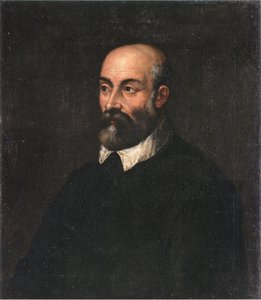
Andrea Palladio
1508 - 1580 , Italy
Основные сведения
- Artistic Movement Or Style: Renaissance architecture
- Artists Or Movements Influenced By This Artist:
- Camillo Mariani
- Giovanni Battista Zelotti
- Jacopo Sansovino
- Artists Who Influenced This Artist:
- Vitruvius
- Michele Sanmicheli
- Date Of Birth: November 30, 1508
- Date Of Death: August 19, 1580
- Full Name: Andrea Palladio
- Nationality: Italian
- Notable Artworks:
- Reconstruction of Baths of Agrippa
- Palazzo Chiericati
- Villa Foscari
- View of the ''scaenae frons''
- Place Of Birth: Padua, Italy