

 Предпросмотр
 Поделиться
 Поделиться
 Детали произведения

 Скачать
 Похожие работы
 Рентгенография
 Слайд-шоу
 Статистика
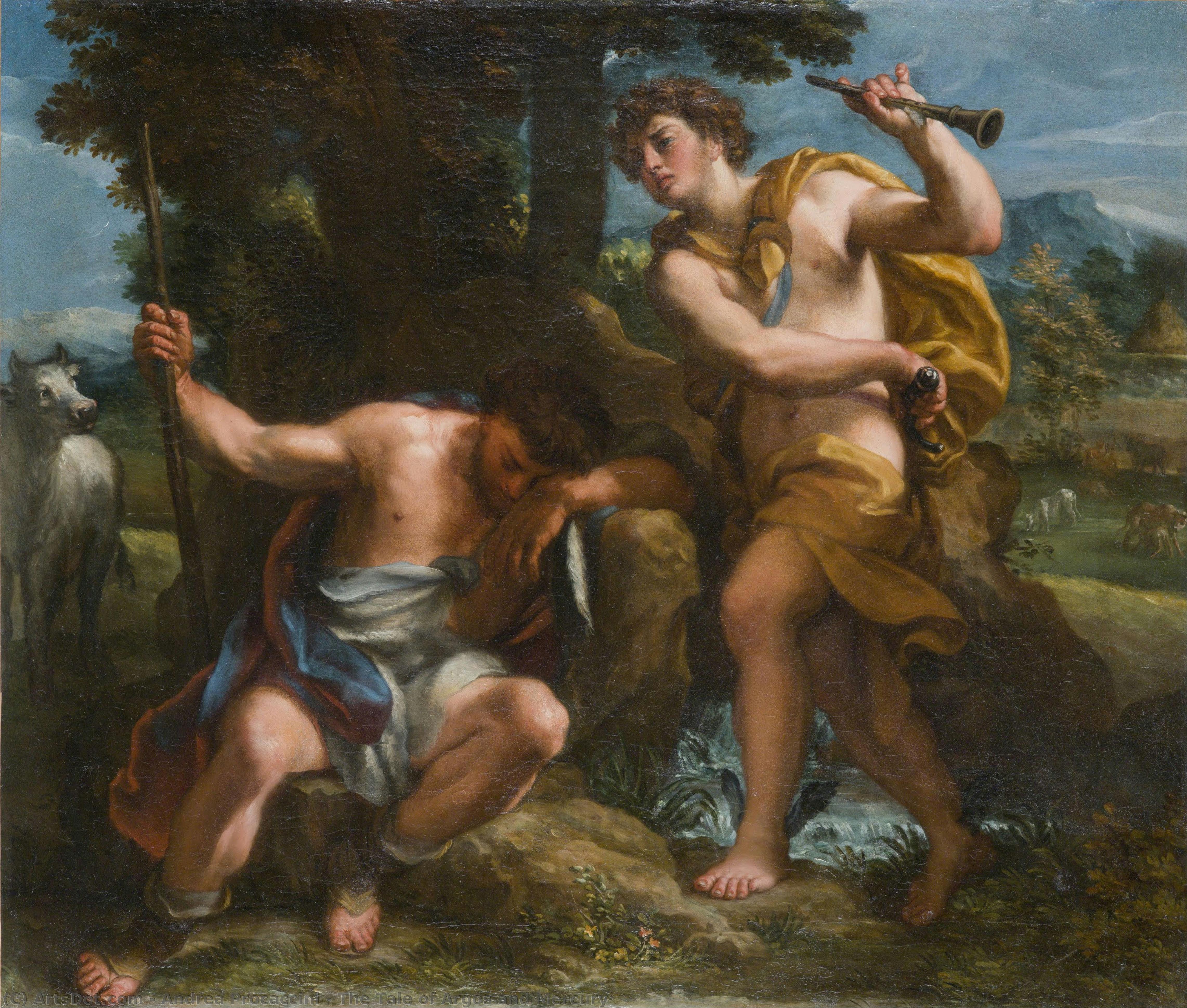
The Tale of Argos and Mercury

 Читать далее
Жикле / Арт-принт
Печать (жикле) или холст музейного качества с быстрыми сроками изготовления и широким выбором вариантов отделки. ( Купить картину ручной работы Перейти к цифровым изображениям)




































Выберите один из наших стандартных размеров, соответствующих оригинальным пропорциям произведения искусства.

Вы можете указать свои собственные размеры, чтобы репродукция идеально подошла под конкретную раму или пространство. Если выбранный вами размер не будет соответствовать пропорциям оригинала, мы либо обрежем произведение, либо дополним изображение зеркальным отражением краев или однотонной заливкой. Перед началом производства вам будет отправлен цифровой макет для утверждения.
Пожалуйста, обратите внимание, что предварительный просмотр на экране не отображает фактическую обрезку или расширение изображения. Только макет точно покажет финальную композицию.
Несмотря на возможность заказа индивидуальных размеров, мы рекомендуем выбирать размер из предопределенного списка, чтобы сохранить оригинальные пропорции.
Доставка по всему миру () за 2 недели вместо стандартных 4/5 недель. (11 Сентябрь)

Бесплатная экспресс-доставка по всему миру

Высококачественный льняной холст

Полное страхование доставки

Гарантия возмещения таможенных пошлин

Гарантия точного соответствия цветов

100-дневная политика возврата (только при обнаружении дефектов)

Гарантия возврата 100% средств

Предложение оптовых скидок
 Вариант со стеклом доступен только для размеров менее 110 см

The Tale of Argos and Mercury
Жикле / Арт-принт
Размер репродукции
-


Итоговая стоимость
$ 62
Похожие произведения





Биография художника
Andrea Procaccini: A Baroque Painter Bridging Rome and Spain
- Born: January 14, 1671, Rome, Italy
- Died: June 24, 1734, San Ildefonso, Spain
- Nationality: Italian
- Movement: Baroque
- Training: Carlo Maratta
Early Life and Roman Career
- Procaccini was born into a family of artists in Rome, fostering an early exposure to the arts.
- He received formal training under the renowned painter Carlo Maratta, absorbing the principles of Baroque style prevalent at the time.
- His early career focused primarily on religious works, demonstrating his skill in depicting complex narratives and figures with emotional depth.
- A significant achievement during this period was Pope Pius V Triumphant over the Turks (1712), showcasing his ability to create grand-scale altarpieces.
- He became a member of the Accademia di San Luca in 1715, solidifying his position within the Roman artistic community.
- Procaccini also played a role in establishing the papal tapestry factory, indicating his versatility and involvement in various artistic endeavors.
Move to Spain and Royal Patronage
- In 1720, Procaccini was invited to Spain by Philip V, seeking an Italian painter for the royal court. This marked a significant shift in his career trajectory.
- Before departing Italy, he created works like Aurora (Rome, Palazzo Carolis), demonstrating a developing lightness and landscape detail influenced by artists such as Reni.
- He served as an intermediary in acquiring artworks for the King, including pieces from Carlo Maratta's collection, enriching the royal art collections.
- Procaccini also trained as an architect and significantly expanded and redesigned the Royal Palace of La Granja de San Ildefonso, blending Italian Baroque architectural elements with existing structures.
Artistic Style and Notable Works
- Procaccini's style was characterized by a balance of detail and emotion, influenced by his mentor Maratta but evolving towards a lighter, more Rococo aesthetic later in his career.
- His preparatory drawings reveal a consistent artistic approach throughout his years, demonstrating a dedication to meticulous planning and execution.
- Notable works from his Spanish period include the portrait of Cardinal Carlos de Borja y Centellas (Madrid, Museo del Prado), praised for its psychological insight and technical skill.
- Other significant pieces are Erminia and the Shepherds, Still-life with Figures (Riofrío, Royal Palace), and Oran Castles (Madrid, Patrimonio Nacional).
- His later work, such as Our Lady of the Rosary (La Granja de San Ildefonso), shows a move towards lighter compositions and Rococo influences.
Legacy and Historical Significance
- Procaccini's legacy lies in his ability to bridge Italian Baroque art with Spanish royal patronage, contributing significantly to the artistic landscape of both countries.
- His architectural contributions at La Granja de San Ildefonso transformed the palace into a prominent example of Italian-influenced Baroque design in Spain.
- As superintendent of the tapestry factory in Seville, he contributed to the development of Spanish textile arts.
- His extensive collection of drawings, sold posthumously to the Royal Academy of Fine Arts of San Fernando in Madrid, provides valuable insight into his artistic process and influences.
- Procaccini's work demonstrates a transition within Baroque art towards lighter aesthetics and foreshadows elements of the Rococo style, solidifying his place as an important figure in 18th-century European art.
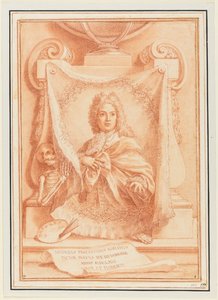
Andrea Procaccini
1671 - 1734 , Italy
Основные сведения
- Artistic Movement Or Style: Baroque
- Artists Who Influenced This Artist: ['Carlo Maratta']
- Date Of Birth: January 14, 1671
- Date Of Death: June 24, 1734
- Full Name: Andrea Procaccini
- Nationality: Italian
- Notable Artworks:
- Pieta
- The Three Magdalenes
- Mercy
- Aurora
- St. Cecilia
- Place Of Birth: Rome, Italy