

 Предпросмотр
 Поделиться
 Поделиться
 Детали произведения

 Скачать
 Похожие работы
 Рентгенография
 Слайд-шоу
 Статистика
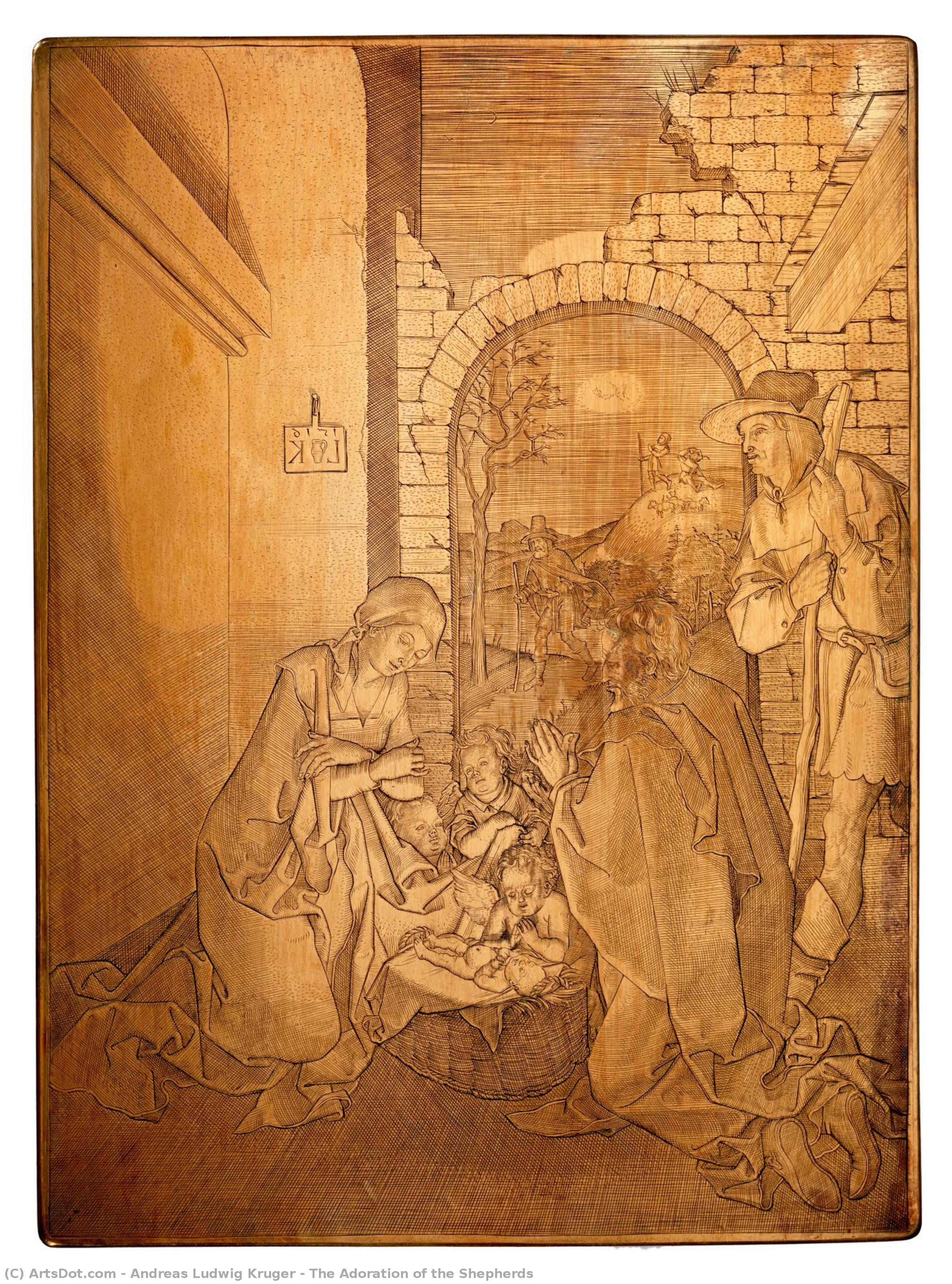
The Adoration of the Shepherds


 Читать далее
Приобретите цифровое изображение высокого разрешения в улучшенном качестве, которое значительно превосходит онлайн-превью.
Каждый файл тщательно подготавливается нашими специалистами с использованием передовых инструментов и экспертной ручной ретуши. Мы гарантируем исключительную четкость, точную цветопередачу и детальную проработку каждого изображения.
Финальный файл доставляется по электронной почте в течение 72 часов и оптимизирован для немедленного использования в профессиональной среде, при верстке и печати. Это тот же уровень качества, которому доверяют ведущие дизайнерские студии, издательства и галереи.
Цифровое изображение
Скачайте файл высокого разрешения для личного использования, печати и творческих проектов. ( Перейти к печати Купить картину ручной работы)
Включено в каждый заказ цифровых изображений
Гарантия экспертной цифровой доставки
Выбирая ArtsDot.com, вы получаете не просто изображение — вы приобретаете профессионально обработанное цифровое произведение искусства, созданное с безупречной точностью и под защитой гарантии качества. Вот всё, что автоматически входит в ваш заказ:

Мгновенная доставка по e-mail
Ваш цифровой файл в высоком разрешении будет отправлен вам по электронной почте в течение 72 часов после оформления заказа — и сразу станет доступен для использования.

Цифровой файл с ИИ-улучшением
Ваше произведение искусства проходит профессиональную оптимизацию с использованием передовых инструментов ИИ и ручной обработки, что гарантирует максимальную детализацию, четкость и точность цветопередачи.

Бессрочная бесплатная повторная доставка
Случайно удалили или потеряли файл? Не беспокойтесь — мы отправим его вам повторно в любое время и совершенно бесплатно.

Без импортных пошлин — навсегда
Наслаждайтесь вашим произведением искусства мгновенно без таможенных пошлин, сборов или затрат на доставку — цифровые загрузки всегда не облагаются налогом.

Гарантия точности цветопередачи
Мы гарантируем, что ваше цифровое изображение максимально точно передает оригинальные цвета благодаря использованию профессиональных инструментов и систем управления цветом.

Гарантия удовлетворенности 100 дней
Если вы не будете удовлетворены своим цифровым изображением, мы внесем правки или вернем 100% стоимости в течение 100 дней — без лишних вопросов.

100% Гарантия возврата средств
Не удовлетворены покупкой? Получите полный возврат средств в течение 100 дней после получения цифрового файла — без лишних вопросов.

Скидки на оптовые заказы
Купите 3 изображения, сэкономьте 10% — Купите 5, сэкономьте 15% — Купите 10+, сэкономьте 20%. Отличное решение для творческих проектов, галерей и агентств.
A Sacred Encounter in Copper and Light
In the quiet, shadowed corners of history, certain images possess the power to transcend time, inviting the viewer into a moment of profound spiritual intimacy. The Adoration of the Shepherds, a masterful creation by the German artist Andreas Ludwig Kruger, serves as such a window into the divine. Dating back to 1516, this work—originally conceived through the meticulous medium of copper engraving—captures the very essence of the Nativity. Through a clever use of a missing side wall, Kruger invites us to peer into a dilapidated, rustic structure, where the light of the heavens meets the humble earth. The composition draws the eye inward, past the crumbling textures of the brickwork and the perforated roof, toward the radiant center of the scene: the newborn Christ.
The atmosphere of the piece is one of hushed reverence and quiet wonder. As we gaze upon the gathering, we see Mary, Joseph, and the infant Jesus enveloped in a soft, celestial glow that seems to emanate from the child himself. The presence of angels, positioned like silent sentinels on either side of the holy family, adds a layer of ethereal grace to the earthly setting. There is a palpable sense of stillness, as if the entire world has paused its rotation to witness this singular event. For the collector or the interior designer, this painting offers more than mere decoration; it provides a focal point of contemplative peace, capable of anchoring a room with its profound emotional depth and historical weight.
Mastery of Detail and Symbolic Depth
Kruger’s technique reflects the meticulous tradition of the Nuremberg school, echoing the precision found in the works of masters like Albrecht Dürer. Every element within the frame is imbued with symbolic significance. The ruined state of the building—the broken arches and the weathered bricks—is not merely a stylistic choice but a powerful metaphor for the old world making way for the new covenant. The sign reading "Maria" above the archway serves as a poignant reminder of the central figure's role in this sacred narrative, anchoring the viewer's focus amidst the intricate textures of the engraving.
The interplay of light and shadow, known as chiaroscuro, is utilized here to guide the emotional journey of the observer. The darkness of the dilapidated interior contrasts sharply with the luminous presence of the holy figures, creating a visual tension that mirrors the intersection of the mortal and the divine. This dramatic lighting technique ensures that the painting remains captivating from every angle, making it an exquisite choice for high-quality reproductions intended for sophisticated spaces. Whether placed in a grand library or a quiet study, this artwork brings with it a legacy of craftsmanship and a timeless invitation to reflect on the beauty of the miraculous.
Похожие произведения
Биография художника
Early Life and Artistic Beginnings in Potsdam
Andreas Ludwig Kruger, born in the Prussian city of Potsdam in 1743, emerged into a world steeped in Enlightenment ideals and burgeoning artistic expression. While detailed biographical accounts remain scarce, we know his early life unfolded against the backdrop of Frederick the Great’s reign—a period that fostered both military prowess and cultural refinement. The precise nature of Kruger's initial training is undocumented; however, it’s reasonable to assume he received foundational instruction in drawing and painting within Potsdam’s artistic circles. This formative period likely instilled in him a meticulous attention to detail and an appreciation for the natural world—qualities that would become hallmarks of his mature work. His early career saw him working as both a painter and architect, demonstrating a versatile talent that extended beyond purely pictorial representation. A pivotal moment arrived when he accepted a position as drawing teacher to Prince Friedrich Wilhelm III and Princess Louise of Prussia, solidifying his standing within the royal court and providing access to patronage that would shape his artistic trajectory.A Master of Watercolor and Engraving
Kruger’s reputation rests primarily on his exquisite watercolors and detailed engravings. He wasn't merely replicating scenes; he was capturing a precise moment in time with remarkable fidelity. His subjects were diverse, ranging from evocative landscapes to meticulously rendered biblical narratives. The 18th century witnessed a growing fascination with scientific illustration, and Kruger’s work reflects this trend—his depictions of flora and fauna possess an almost clinical accuracy, yet they are infused with a delicate aesthetic sensibility. His watercolors, in particular, stand out for their luminous quality and subtle gradations of color. He skillfully employed layering techniques to create depth and atmosphere, imbuing his landscapes with a sense of tranquility and realism. Beyond landscapes, Kruger demonstrated a profound ability to translate complex religious themes into compelling visual narratives. His engravings of scenes from the Bible—such as “The Adoration of the Shepherds” and “The Adoration of the Magi”—are characterized by their dramatic composition and emotional resonance.Berlin and the Depiction of Urban Life
Kruger’s artistic focus shifted significantly during his time in Berlin, where he became increasingly engaged with documenting the city's evolving urban landscape. His series of paintings depicting Wilhelmsplatz—most notably “West Aspect Of Wilhelmsplatz, C.1773”—offer a fascinating glimpse into 18th-century Prussian life. These works are not simply topographical records; they are meticulously detailed social commentaries, capturing the bustling activity, architectural nuances, and everyday routines of Berlin’s inhabitants. The paintings reveal a keen eye for perspective and proportion, showcasing Kruger's skill as an architect translating to his painting practice. He captured the grandeur of the Prussian architecture alongside the more mundane aspects of daily life, creating a balanced and nuanced portrayal of the city. These works provide invaluable historical documentation, offering insights into the fashion, transportation, and social customs of the period.Influences and Artistic Development
Pinpointing Kruger’s direct artistic influences proves challenging due to limited scholarly research. However, it's plausible that he drew inspiration from contemporary landscape painters such as Jacob Philipp Hackert, known for his Italianate landscapes and atmospheric effects. The influence of scientific illustration is also evident in his precise renderings of natural forms. Furthermore, the prevailing Rococo aesthetic—characterized by its elegance, ornamentation, and pastel color palettes—likely shaped his early style. Over time, Kruger’s work evolved towards a more refined realism, reflecting a growing emphasis on observation and accuracy. He moved away from the overt theatricality of Rococo in favor of a quieter, more contemplative approach to landscape painting. His later biblical scenes demonstrate a greater psychological depth, suggesting an engagement with contemporary literary and philosophical currents.Legacy and Historical Significance
Andreas Ludwig Kruger died in Dresden in 1822, leaving behind a body of work that offers a unique window into the artistic and social world of late 18th-century Prussia. While he may not be as widely recognized as some of his contemporaries, his contributions to watercolor painting and engraving are significant. His meticulous attention to detail, combined with his delicate aesthetic sensibility, established him as a master of his craft. His paintings of Wilhelmsplatz remain invaluable historical documents, providing insights into the urban life of Berlin during a period of rapid transformation. Kruger’s work continues to be appreciated for its technical skill, artistic beauty, and historical significance—a testament to the enduring power of observation and the evocative potential of watercolor and engraving.
andreas ludwig kruger
1743 - 1822 , Germany
Основные сведения
- Artistic Movement Or Style: Watercolor Painting
- Date Of Birth: 1743
- Date Of Death: 1822
- Full Name: Andreas Ludwig Kruger
- Nationality: German
- Notable Artworks: ['West Aspect Of Wilhelmsplatz']
- Place Of Birth: Potsdam, Germany