

 Предпросмотр
 Поделиться
 Поделиться
 Детали произведения

 Скачать
 Похожие работы
 Рентгенография
 Слайд-шоу
 Статистика
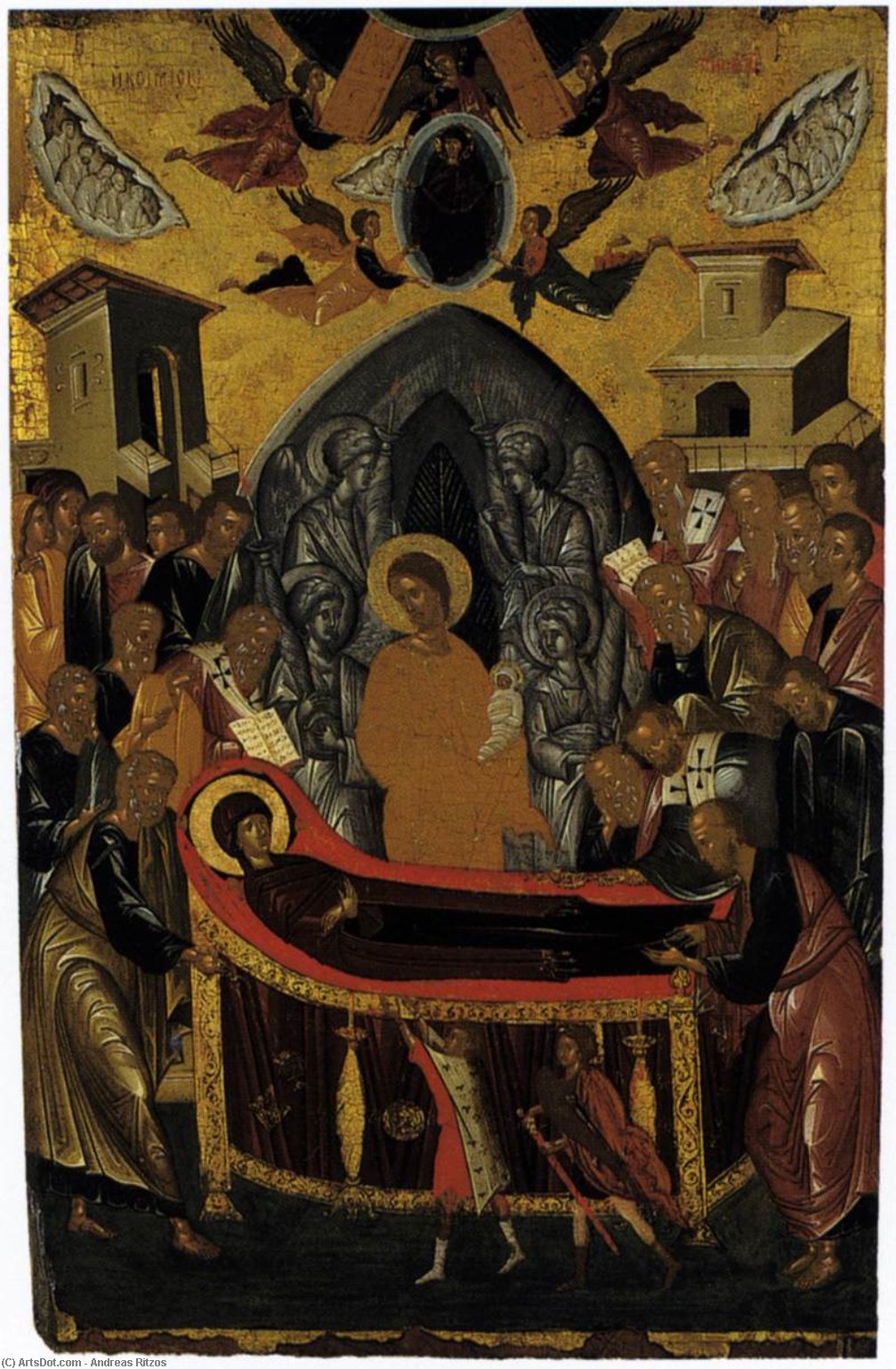
The Dormition of the Virgin
 Tempera On Panel
- Cretan School
 1480
1480- Renaissance
 85.0 x 54.0 cm
 Hellenic Institute of Byzantine and Post-Byzantine Studies
 Читать далее
Приобретите цифровое изображение высокого разрешения в улучшенном качестве, которое значительно превосходит онлайн-превью.
Каждый файл тщательно подготавливается нашими специалистами с использованием передовых инструментов и экспертной ручной ретуши. Мы гарантируем исключительную четкость, точную цветопередачу и детальную проработку каждого изображения.
Финальный файл доставляется по электронной почте в течение 72 часов и оптимизирован для немедленного использования в профессиональной среде, при верстке и печати. Это тот же уровень качества, которому доверяют ведущие дизайнерские студии, издательства и галереи.
Цифровое изображение
Скачайте файл высокого разрешения для личного использования, печати и творческих проектов. ( Перейти к печати Купить картину ручной работы)
Включено в каждый заказ цифровых изображений
Гарантия экспертной цифровой доставки
Выбирая ArtsDot.com, вы получаете не просто изображение — вы приобретаете профессионально обработанное цифровое произведение искусства, созданное с безупречной точностью и под защитой гарантии качества. Вот всё, что автоматически входит в ваш заказ:

Мгновенная доставка по e-mail
Ваш цифровой файл в высоком разрешении будет отправлен вам по электронной почте в течение 72 часов после оформления заказа — и сразу станет доступен для использования.

Цифровой файл с ИИ-улучшением
Ваше произведение искусства проходит профессиональную оптимизацию с использованием передовых инструментов ИИ и ручной обработки, что гарантирует максимальную детализацию, четкость и точность цветопередачи.

Бессрочная бесплатная повторная доставка
Случайно удалили или потеряли файл? Не беспокойтесь — мы отправим его вам повторно в любое время и совершенно бесплатно.

Без импортных пошлин — навсегда
Наслаждайтесь вашим произведением искусства мгновенно без таможенных пошлин, сборов или затрат на доставку — цифровые загрузки всегда не облагаются налогом.

Гарантия точности цветопередачи
Мы гарантируем, что ваше цифровое изображение максимально точно передает оригинальные цвета благодаря использованию профессиональных инструментов и систем управления цветом.

Гарантия удовлетворенности 100 дней
Если вы не будете удовлетворены своим цифровым изображением, мы внесем правки или вернем 100% стоимости в течение 100 дней — без лишних вопросов.

100% Гарантия возврата средств
Не удовлетворены покупкой? Получите полный возврат средств в течение 100 дней после получения цифрового файла — без лишних вопросов.

Скидки на оптовые заказы
Купите 3 изображения, сэкономьте 10% — Купите 5, сэкономьте 15% — Купите 10+, сэкономьте 20%. Отличное решение для творческих проектов, галерей и агентств.
A Divine Transition: The Sacred Stillness of Andreas Ritzos
In the quiet, hallowed atmosphere of The Dormition of the Virgin, the viewer is invited into a moment of profound spiritual transition. Painted around 1480 by the Cretan master Andreas Ritzos, this work captures the poignant instant when the Virgin Mary departs from the earthly realm. The composition centers on the repose of Mary upon her funeral bier, surrounded by a gathering of apostles and mourners whose faces reflect a spectrum of grief, reverence, and awe. It is not merely a depiction of death, but a celebration of the soul's ascent, rendered with the meticulous care characteristic of the Cretan School. The presence of Christ beside his mother, prepared to receive her soul, provides a divine anchor to the scene, transforming a moment of earthly loss into one of celestial triumph.
The artistry of Ritzos lies in his masterful ability to weave together two distinct worlds: the rigid, eternal traditions of Byzantine iconography and the burgeoning softness of the Western Renaissance. While the structural composition adheres to the sacred canons of Orthodox tradition, there is a subtle, emerging humanity in the way light touches the folds of the garments and the expressive depth in the eyes of the surrounding crowd. The scattered religious texts and books throughout the scene serve as more than mere props; they act as symbols of divine wisdom and the fulfillment of prophecy, grounding the miraculous event in the weight of sacred history. For the discerning collector, this painting offers a window into a period of immense cultural synthesis.
Technically, the work is a testament to the precision of 15th-century craftsmanship. The interplay of light and shadow creates a sense of volume that breathes life into the figures, while the rich, somber palette evokes a mood of deep contemplation. Every brushstroke contributes to an atmosphere of sanctity, making the piece feel less like a static image and more like a living prayer. For interior designers and lovers of fine art, a high-quality reproduction of this masterpiece brings a sense of timelessness and meditative calm to any space. It serves as a sophisticated focal point that commands attention through its emotional gravity and historical prestige, offering an enduring connection to the spiritual heritage of the Mediterranean.
Похожие произведения
Биография художника
Andreas Ritzos: A Master of the Cretan School
Andreas Ritzos (1421-1492) stands as a pivotal figure in the history of Greek art, particularly renowned for his contributions to the vibrant and influential Cretan School of icon painting. Born in Iraklion, Crete – a city steeped in Byzantine tradition yet increasingly exposed to Western European influences – Ritzos’s life coincided with a period of remarkable artistic transformation. His work represents a fascinating synthesis of deeply rooted Byzantine iconography with emerging Renaissance techniques, establishing him as one of the most significant artists bridging these two worlds. He wasn't merely a painter; he was a custodian and innovator, shaping the visual language of Orthodox Christianity in Crete for generations to come.
Ritzos’s early life remains somewhat shrouded in mystery, though it is known that his father, Nicholas Ritzo, was a skilled seaman and jeweler. This lineage likely instilled within him an appreciation for craftsmanship and detail – qualities that would become hallmarks of his artistic style. He received his initial training from Angelos Akotantos, a highly respected icon painter who served as a crucial mentor in shaping Ritzos’s early development. Akotantos's influence is evident in Ritzos’s adherence to the traditional maniera greca—a stylistic approach characterized by its emphasis on elegant drapery, idealized figures, and a restrained palette of gold, red, and blue. However, unlike many of his contemporaries who remained firmly rooted in established Byzantine conventions, Ritzos demonstrated a willingness to experiment with Venetian influences, particularly in terms of perspective and the depiction of natural forms.
The Maniera Greca and Artistic Style
At the heart of Ritzos’s artistic identity lies the ‘maniera greca,’ a term that encapsulates his distinctive approach to icon painting. This style wasn't simply imitation; it was a deliberate reimagining of Byzantine aesthetics, informed by both classical ideals and contemporary trends. The maniera greca is characterized by its graceful, flowing drapery—often rendered with an almost liquid quality—and the use of elongated figures that convey a sense of movement and dynamism. Ritzos masterfully employed gold leaf to create luminous backgrounds and highlight key elements within his compositions, imbuing them with a profound spiritual radiance.
Unlike some of his predecessors who favored stark contrasts and bold colors, Ritzos’s palette was generally more restrained, relying on subtle gradations of hue and the interplay of light and shadow to create depth and atmosphere. His meticulous attention to detail—evident in the rendering of facial features, hands, and garments—demonstrates a remarkable level of technical skill. Furthermore, Ritzos's work is distinguished by its psychological depth; his figures possess an expressive quality that invites viewers to contemplate their inner lives and spiritual journeys.
Notable Works: The Madonna and Child
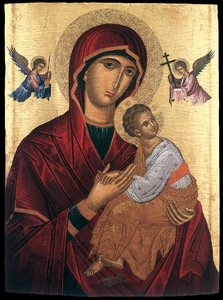
Ritzos’s most celebrated works are undoubtedly his depictions of the Virgin Mary and Child. These paintings—including “Mother of God Enthroned” (1480) – exemplify his artistic prowess and represent some of the finest examples of Cretan icon painting. In these compositions, Ritzos skillfully captures the maternal tenderness and divine grace of the Theotokos, imbuing her image with an aura of serenity and compassion. The use of gold leaf to highlight Mary’s garments and halo further enhances the sacredness of the scene, while the carefully rendered details of the infant Christ—his tiny hands reaching out in a gesture of trust—evoke a powerful sense of connection between mother and child.
The “Jesus Hominum Salvator” (1470s), a tempera painting featuring the Christogram IHS, is another significant work. This icon showcases Ritzos’s innovative approach to incorporating symbolic elements into his compositions. The placement of the Christogram within the letters of the name ‘IHS’ demonstrates his artistic ingenuity and his ability to seamlessly blend traditional iconography with contemporary artistic trends. The intricate details of the figures—the weeping Virgin, the angel collecting the blood, and the bewildered guards—create a compelling narrative that invites viewers to contemplate the mysteries of faith and redemption.
Legacy and Influence
Andreas Ritzos’s influence on subsequent generations of Cretan icon painters is undeniable. His work served as a model for artists such as Georgios Klontzas, Nikolaos Tzafouris, and even El Greco—a testament to his enduring artistic legacy. El Greco, in particular, was deeply influenced by Ritzos's use of elongated figures, dramatic lighting, and expressive gestures. While El Greco ultimately developed his own distinctive style, the foundations of his art can be traced back to the innovations pioneered by Ritzos.
Ritzos’s legacy extends beyond his individual works; he played a crucial role in preserving and transmitting the traditions of Cretan icon painting during a period of profound cultural change. His dedication to craftsmanship, his artistic innovation, and his spiritual depth have ensured that his work continues to inspire and move viewers centuries after its creation. Sixty of his paintings survive today, offering a rare glimpse into the creative genius of this remarkable artist.
Andreas Ritzos
1421 - 1492