


 Предпросмотр
 Поделиться
 Поделиться
 Детали произведения

 Скачать
 Похожие работы
 Рентгенография
 Слайд-шоу
 Статистика
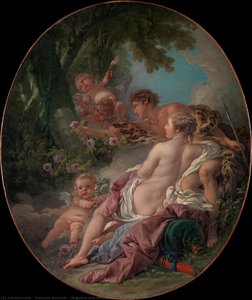
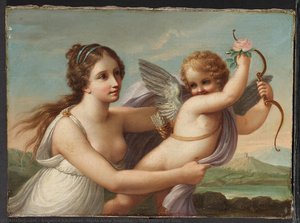
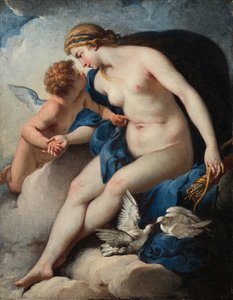
The Temptation of Eros
 Oil On Canvas
- WallArt
- Neoclassicism
 1750
1750- Early Modern
 48.0 x 60.0 cm
 Музей Метрополитен
 Читать далее
Приобретите цифровое изображение высокого разрешения в улучшенном качестве, которое значительно превосходит онлайн-превью.
Каждый файл тщательно подготавливается нашими специалистами с использованием передовых инструментов и экспертной ручной ретуши. Мы гарантируем исключительную четкость, точную цветопередачу и детальную проработку каждого изображения.
Финальный файл доставляется по электронной почте в течение 72 часов и оптимизирован для немедленного использования в профессиональной среде, при верстке и печати. Это тот же уровень качества, которому доверяют ведущие дизайнерские студии, издательства и галереи.
Цифровое изображение
Скачайте файл высокого разрешения для личного использования, печати и творческих проектов. ( Перейти к печати Купить картину ручной работы)
Включено в каждый заказ цифровых изображений
Гарантия экспертной цифровой доставки
Выбирая ArtsDot.com, вы получаете не просто изображение — вы приобретаете профессионально обработанное цифровое произведение искусства, созданное с безупречной точностью и под защитой гарантии качества. Вот всё, что автоматически входит в ваш заказ:

Мгновенная доставка по e-mail
Ваш цифровой файл в высоком разрешении будет отправлен вам по электронной почте в течение 72 часов после оформления заказа — и сразу станет доступен для использования.

Цифровой файл с ИИ-улучшением
Ваше произведение искусства проходит профессиональную оптимизацию с использованием передовых инструментов ИИ и ручной обработки, что гарантирует максимальную детализацию, четкость и точность цветопередачи.

Бессрочная бесплатная повторная доставка
Случайно удалили или потеряли файл? Не беспокойтесь — мы отправим его вам повторно в любое время и совершенно бесплатно.

Без импортных пошлин — навсегда
Наслаждайтесь вашим произведением искусства мгновенно без таможенных пошлин, сборов или затрат на доставку — цифровые загрузки всегда не облагаются налогом.

Гарантия точности цветопередачи
Мы гарантируем, что ваше цифровое изображение максимально точно передает оригинальные цвета благодаря использованию профессиональных инструментов и систем управления цветом.

Гарантия удовлетворенности 100 дней
Если вы не будете удовлетворены своим цифровым изображением, мы внесем правки или вернем 100% стоимости в течение 100 дней — без лишних вопросов.

100% Гарантия возврата средств
Не удовлетворены покупкой? Получите полный возврат средств в течение 100 дней после получения цифрового файла — без лишних вопросов.

Скидки на оптовые заказы
Купите 3 изображения, сэкономьте 10% — Купите 5, сэкономьте 15% — Купите 10+, сэкономьте 20%. Отличное решение для творческих проектов, галерей и агентств.
A Rococo Reverie: The Ethereal Grace of Angelica Kauffman
In the delicate dance between earthly passion and divine serenity, Angelica Kauffman’s “The Temptation of Eros” stands as a luminous testament to the transitional beauty of the mid-18th century. This oil on canvas masterpiece does not merely depict a scene; it invites the viewer into a profound moment of contemplation where the sensual grace of the Rococo period meets the structured ideals of Neoclassicism. As one gazes upon the central figure—a nude woman seated with an air of quiet dignity amidst a tranquil landscape—there is an immediate sense of being transported to an era of enlightened romanticism. The painting captures a delicate equilibrium, balancing the soft, flowing textures of the human form against the enduring stability of the natural world.
The technical mastery displayed in this work is nothing short of breathtaking, making it a captivating centerpiece for any sophisticated collection. Kauffman employs a masterful use of chiaroscuro, allowing light to dance across the smooth folds of drapery and the soft contours of skin, creating a palpable sense of three-dimensionality. Her brushstrokes are layered with a delicate touch, building form through subtle gradations of tone that suggest both the warmth of life and the coolness of the surrounding landscape. The composition is expertly balanced; while the woman commands the foreground, her gaze leads the eye toward the rolling hills and shimmering waters in the distance, utilizing perspective to create an expansive sense of grandeur and depth that breathes life into the canvas.
Symbolism and the Language of Desire
Beyond its visual splendor, “The Temptation of Eros” is a rich tapestry of allegorical meaning, designed to provoke thought and emotional resonance. Every element within the frame serves a narrative purpose. The presence of the angelic figure, radiating benevolence, acts as a celestial counterpoint to the earthly themes of desire and temptation. This juxtaposition suggests a spiritual guardianship, a divine influence that watches over the innocence of the soul. Even the small, delicate flower held by the woman serves as a poignant symbol—perhaps representing purity, affection, or the fleeting nature of beauty itself.
For the discerning collector or interior designer, this artwork offers more than mere decoration; it provides an emotional anchor for a room. The warm color palette, punctuated by soft blues and lush greens, creates an atmosphere of tranquility and sophisticated charm. Whether placed in a sunlit gallery or a stately study, the painting’s ability to evoke themes of love, innocence, and divine protection makes it a timeless addition. It is a piece that rewards repeated viewing, revealing new layers of meaning and technical brilliance with every encounter, much like the very Enlightenment ideals that Kauffman so brilliantly embodied.
Похожие произведения
Биография художника
A Luminary of the Enlightenment: The Life and Art of Angelica Kauffman
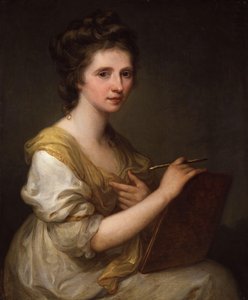
Angelica Kauffman, born Maria Anna Angelika in Chur, Switzerland on October 30, 1741, was a prodigious talent who rose to become one of the most celebrated artists of her time. Her journey defied societal expectations for women in the 18th century, establishing her as a respected figure within the male-dominated art world and a key player in the Neoclassical movement. Kauffman’s father, Johann Georg Kauffmann, was a modest but skilled itinerant painter who recognized his daughter's exceptional abilities early on. He provided her with initial training, fostering a passion that would quickly outstrip his own expertise. By the age of thirteen, Angelica was already receiving commissions for portraits and religious paintings, demonstrating an astonishing level of skill and maturity. Her early work reveals influences from Rococo painters like François Boucher, characterized by delicate brushwork, pastel palettes, and charming depictions of mythological scenes. However, her ambition extended beyond mere imitation; she sought a more rigorous academic foundation, traveling extensively throughout Italy to study the Old Masters – Raphael, Titian, and Correggio – absorbing their techniques and compositional principles. This period proved pivotal in shaping her distinctive style, moving away from the frivolousness of Rococo towards a greater emphasis on historical accuracy, classical form, and emotional depth.Rome, Royal Patronage, and the Birth of Neoclassicism
In 1754, Kauffman arrived in Rome, a city teeming with artistic energy and intellectual ferment. She quickly integrated into the vibrant community of artists, becoming acquainted with prominent figures like Johann Joachim Winckelmann, whose writings on classical art profoundly influenced her aesthetic sensibilities. Rome became her base for over fifteen years, during which she established an international reputation attracting commissions from nobility across Europe. Her talent caught the attention of Lady Wentworth, a wealthy English aristocrat who became her devoted patron and friend. Through Lady Wentworth’s connections, Kauffman gained access to influential circles in England, receiving prestigious commissions including portraits of prominent figures like Sir Joshua Reynolds and David Garrick. However, it was her historical paintings that truly distinguished her. Works such as *Hector Taking Leave of Andromache* (1758) showcased her mastery of dramatic composition, elegant figure painting, and a growing interest in classical themes – hallmarks of the emerging Neoclassical style. In 1763, she became one of only two female founding members of the Royal Academy of Arts in London, a testament to her exceptional skill and standing within the art world. This achievement was groundbreaking, challenging prevailing prejudices against women artists and paving the way for future generations. Her time in England, though successful, proved somewhat fraught with professional rivalry; some male artists resented her popularity and perceived her success as a threat.A Return to Italy and Continued Innovation
In 1766, Kauffman returned to Rome, where she continued to flourish as a sought-after artist. She married Antonio Zucchi, a Venetian painter who shared her passion for classical art and became a collaborative partner. This period saw a further refinement of her Neoclassical style, characterized by balanced compositions, clear narratives, and an emphasis on moral virtue. Her portraits from this era are particularly noteworthy, capturing not only the physical likenesses of her sitters but also their inner character and social standing. She skillfully blended portraiture with allegorical elements, imbuing her works with layers of meaning and symbolism. Kauffman’s studio became a hub for artists and intellectuals, attracting visitors from across Europe eager to witness her talent firsthand. She received commissions from prominent patrons including Pope Clement XIV and Catherine the Great, solidifying her reputation as one of the leading artists of the age. Her work for Catherine the Great included designing a series of paintings for the Hermitage Museum, showcasing scenes from classical literature and mythology. She also explored new mediums, creating designs for tapestries, furniture, and decorative arts, demonstrating her versatility and artistic range.Legacy and Historical Significance
Angelica Kauffman died in Rome on November 5, 1807, leaving behind a vast body of work that continues to captivate audiences today. Her influence extended beyond her own paintings; she played a crucial role in popularizing Neoclassical art and challenging conventional notions about the role of women in society. She proved that women could achieve artistic excellence on par with their male counterparts, inspiring generations of female artists to pursue their passions despite societal obstacles. Her success within the Royal Academy, though not without its challenges, opened doors for other women seeking recognition and professional opportunities. Kauffman’s paintings are characterized by a unique blend of elegance, intelligence, and emotional depth. She skillfully combined classical form with Rococo charm, creating works that were both visually appealing and intellectually stimulating. Her portraits offer valuable insights into the social and cultural life of 18th-century Europe, capturing the personalities and aspirations of her sitters. Her historical paintings are particularly significant for their emphasis on moral virtue and classical themes, reflecting the Enlightenment ideals of reason, order, and civic responsibility. Today, Kauffman is recognized as a pivotal figure in the history of art, a luminary whose talent and determination helped to shape the aesthetic landscape of the 18th century and beyond.Key Achievements & Artistic Style
- Founding Member of the Royal Academy of Arts (1763): A landmark achievement for women in art.
- International Reputation: Commissions from nobility across Europe, including England, Italy, and Russia.
- Mastery of Historical Painting: Dramatic compositions, elegant figure painting, and classical themes.
- Versatility as an Artist: Exploration of various mediums including portraiture, tapestry design, and decorative arts.
- Neoclassical Style: Balanced compositions, clear narratives, emphasis on moral virtue, and a refined aesthetic sensibility.
Основные сведения
- Artistic Movement Or Style: Neoclassicism
- Artists Or Movements Influenced By This Artist:
- Neoclassical portraiture
- Female artists
- Artists Who Influenced This Artist:
- Correggio
- Raphael
- Mengs
- Date Of Birth: 1741
- Date Of Death: 1807
- Full Name: Angelica Kauffman
- Nationality: Swiss
- Notable Artworks:
- Portrait of Lady Sarah Bunbury Sacconi
- Venus at the Toilet of Love
- The Departure of Telemachus for Pylos
- Place Of Birth: Chur, Switzerland