

 Предпросмотр
 Поделиться
 Поделиться
 Детали произведения

 Скачать
 Похожие работы
 Рентгенография
 Слайд-шоу
 Статистика
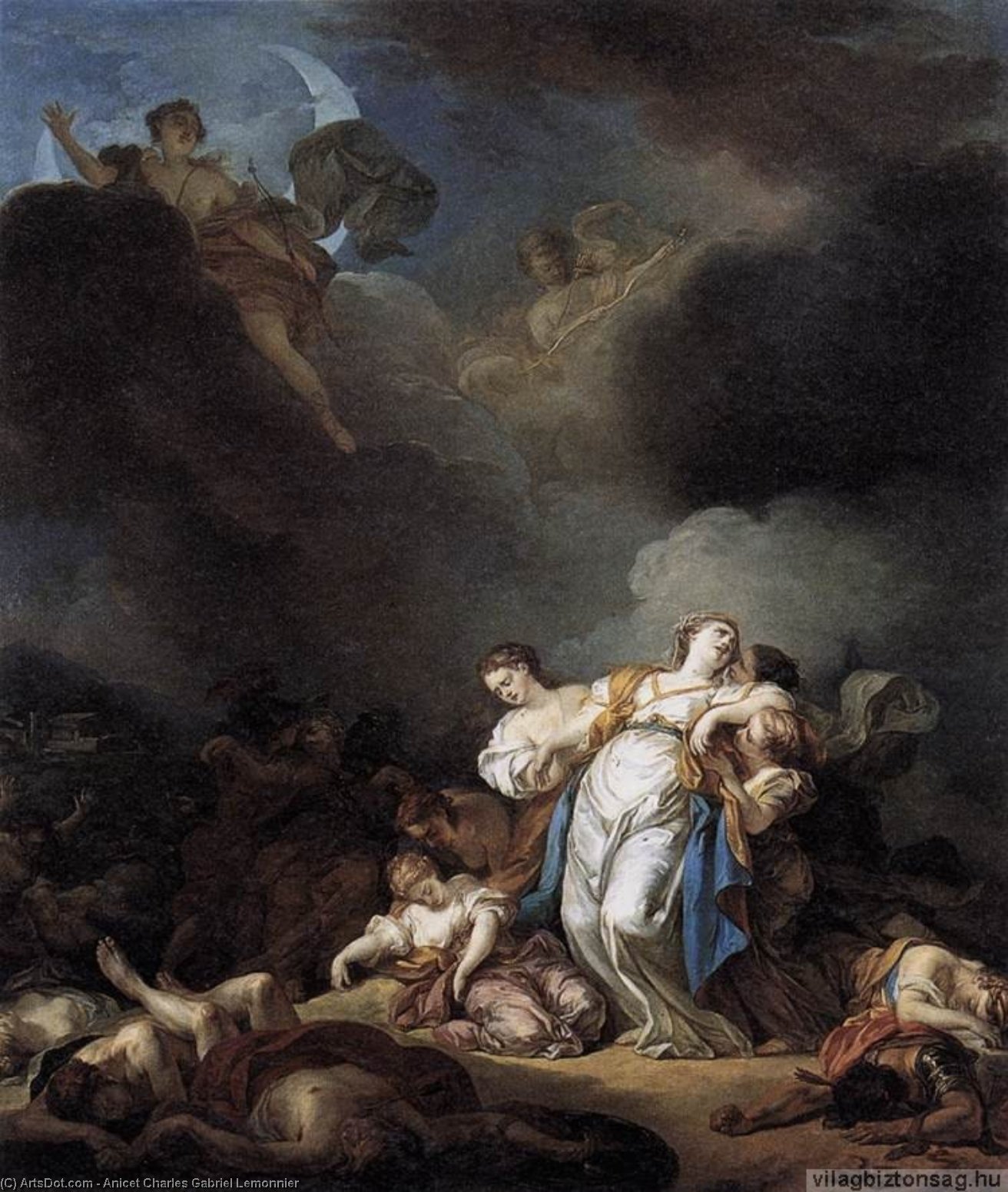
Apollo and Diana Attacking Niobe and her Children
 Oil
Oil- WallArt
- Neoclassicism
 1772
1772- Early Modern
 141.0 x 112.0 cm
 Musée des Beaux-Arts
 Читать далее
Приобретите цифровое изображение высокого разрешения в улучшенном качестве, которое значительно превосходит онлайн-превью.
Каждый файл тщательно подготавливается нашими специалистами с использованием передовых инструментов и экспертной ручной ретуши. Мы гарантируем исключительную четкость, точную цветопередачу и детальную проработку каждого изображения.
Финальный файл доставляется по электронной почте в течение 72 часов и оптимизирован для немедленного использования в профессиональной среде, при верстке и печати. Это тот же уровень качества, которому доверяют ведущие дизайнерские студии, издательства и галереи.
Цифровое изображение
Скачайте файл высокого разрешения для личного использования, печати и творческих проектов. ( Перейти к печати Купить картину ручной работы)
Включено в каждый заказ цифровых изображений
Гарантия экспертной цифровой доставки
Выбирая ArtsDot.com, вы получаете не просто изображение — вы приобретаете профессионально обработанное цифровое произведение искусства, созданное с безупречной точностью и под защитой гарантии качества. Вот всё, что автоматически входит в ваш заказ:

Мгновенная доставка по e-mail
Ваш цифровой файл в высоком разрешении будет отправлен вам по электронной почте в течение 72 часов после оформления заказа — и сразу станет доступен для использования.

Цифровой файл с ИИ-улучшением
Ваше произведение искусства проходит профессиональную оптимизацию с использованием передовых инструментов ИИ и ручной обработки, что гарантирует максимальную детализацию, четкость и точность цветопередачи.

Бессрочная бесплатная повторная доставка
Случайно удалили или потеряли файл? Не беспокойтесь — мы отправим его вам повторно в любое время и совершенно бесплатно.

Без импортных пошлин — навсегда
Наслаждайтесь вашим произведением искусства мгновенно без таможенных пошлин, сборов или затрат на доставку — цифровые загрузки всегда не облагаются налогом.

Гарантия точности цветопередачи
Мы гарантируем, что ваше цифровое изображение максимально точно передает оригинальные цвета благодаря использованию профессиональных инструментов и систем управления цветом.

Гарантия удовлетворенности 100 дней
Если вы не будете удовлетворены своим цифровым изображением, мы внесем правки или вернем 100% стоимости в течение 100 дней — без лишних вопросов.

100% Гарантия возврата средств
Не удовлетворены покупкой? Получите полный возврат средств в течение 100 дней после получения цифрового файла — без лишних вопросов.

Скидки на оптовые заказы
Купите 3 изображения, сэкономьте 10% — Купите 5, сэкономьте 15% — Купите 10+, сэкономьте 20%. Отличное решение для творческих проектов, галерей и агентств.
A Divine Tragedy Captured in Motion
In the heart of the late eighteenth century, a period defined by the tension between Enlightenment reason and the burgeoning shadows of Romanticism, Anicet Charles Gabriel Lemonnier captured a moment of unparalleled celestial fury. Apollo and Diana Attacking Niobe and her Children is not merely a painting; it is a visceral descent into Greek mythology, where the divine meets the mortal in a devastating display of vengeance. The scene unfolds with a breathtaking intensity, as the twin deities of light and the hunt descend upon the prideful Queen Niobe and her unsuspecting progeny. Through Lemonnier’s masterful hand, the viewer is thrust into a world where the sky itself seems to tremble under the weight of divine wrath, creating an atmosphere that is both hauntingly beautiful and profoundly unsettling.
The composition is a masterclass in dynamic movement and dramatic tension. As the eye wanders across the canvas, it encounters the chaotic interplay of figures caught in the throes of flight and slaughter. Niobe, a figure of tragic maternal instinct, clings to her children, her form serving as an emotional anchor amidst the swirling violence of the gods' arrows. The use of light and shadow—even when viewed through the stark, dramatic lens of its monochromatic essence—creates a sculptural quality to the bodies, emphasizing the muscularity of the divine and the vulnerability of the human. This interplay of forms directs the viewer’s gaze in a rhythmic dance, mimicking the very chaos of the battle itself.
The Intersection of Neoclassicism and Emotion
Technically, this work stands as a testament to Lemonnier’s rigorous training under the masters of the French school. Having studied within the influential circles of Joseph-Marie Vien, Lemonnier infused this piece with the structural clarity of Neoclassicism while simultaneously pushing toward the emotional turbulence that would later define Romanticism. The precision in the rendering of the figures suggests a deep respect for classical anatomy, yet the subject matter—the destruction of a family by the gods—demands an expressive fluidity that transcends mere academic exercise. For the discerning collector or interior designer, this piece offers a profound sense of drama, acting as a powerful focal point that commands attention and invites deep contemplation.
Beyond its visual splendor, the painting serves as a poignant meditation on the themes of hubris and consequence. The myth of Niobe is one of the most harrowing in the classical canon, serving as a warning against the dangers of excessive pride. By choosing this specific moment of impact, Lemonnier captures the exact instant where human arrogance meets divine retribution. This layer of symbolism provides an intellectual depth that makes the artwork much more than a decorative element; it becomes a conversation piece about the fragility of human existence and the overwhelming power of forces beyond our control. Whether placed in a grand gallery or a sophisticated private study, this reproduction brings with it the weight of history and the enduring power of myth.
Похожие произведения
Биография художника
Anicet Charles Gabriel Lemonnier: Bridging Eras – From Neoclassical Elegance to Revolutionary Witness
Anicet Charles Gabriel Lemonnier (1743-1824) stands as a pivotal figure in French art history, embodying the transition from Baroque grandeur to the intellectual fervor of Neoclassicism and ultimately bearing witness to the tumultuous upheaval of the French Revolution. His artistic journey unfolded against a backdrop of societal transformation, marked by patronage shifts, stylistic innovations, and an unwavering commitment to preserving cultural heritage.
- Early Life & Training: Born in Rouen, Lemonnier’s formative years were shaped by instruction under Jean-Baptiste Descamps at the Rouen School of Fine Arts. This foundational training instilled a disciplined approach to artistic technique and established connections with influential figures who would propel his career forward.
- The Vien Circle & Parisian Salon Life: His association with Joseph-Marie Vien fostered an environment brimming with artistic ambition, exposing him to the luminaries of Vien’s circle – Jacques-Louis David and François-André Vincent. This exposure profoundly impacted Lemonnier's aesthetic sensibilities and cemented his place within the vibrant intellectual landscape of Paris’s salons.
- The Prix de Rome Triumph & Roman Influence: Lemonnier’s victory at the Prix de Rome in 1772 with “The Children of Niobe Killed by Apollo and Diana” secured him a coveted residency in Rome, where he immersed himself in the study of classical masterpieces. This period decisively shifted his artistic style towards Neoclassical ideals – characterized by clarity, order, and idealized forms – reflecting the broader cultural movement seeking inspiration from antiquity.
- Salon Paintings & Societal Portraiture: Lemonnier’s prolific output during the Salon era cemented his reputation as a masterful painter of contemporary life. Notably, “Evening with Madame Geoffrin” captured the essence of Enlightenment discourse and showcased his ability to portray prominent figures with psychological depth and artistic finesse.
- Revolutionary Engagement & Preservation Legacy: Lemonnier’s involvement in the Committee on Monuments during the French Revolution underscored his dedication to safeguarding France’s artistic treasures amidst political instability. His role in protecting artworks from suppressed religious institutions ensured their survival for future generations, solidifying his enduring contribution to French art history.
Lemonnier's legacy extends beyond his individual achievements; he represents a crucial link between stylistic traditions and intellectual currents—a testament to his profound impact on the artistic landscape of his time. His meticulous attention to detail and unwavering commitment to preserving cultural heritage continue to inspire admiration and scholarly inquiry.
Аникет Лемонньер
1743 - 1824 , Франция
Основные сведения
- Artistic Movement Or Style: Неоклассицизм
- Artists Or Movements Influenced By This Artist: ['Романтизм']
- Artists Who Influenced This Artist:
- Жан-Баптист Дюкре
- Жозеф-Мари Винь
- Date Of Birth: 6 июня 1743 г.
- Date Of Death: 17 августа 1824 г.
- Full Name: Аникет Жак Гарнье Лемонньер
- Nationality: Французский
- Notable Artworks:
- «Монахиня из Китая»
- Чтение трагедии «Орфена Китая» в салоне мадам Жёфри
- Place Of Birth: Рюан, Франция