

 Предпросмотр
 Поделиться
 Поделиться
 Детали произведения

 Скачать
 Похожие работы
 Рентгенография
 Слайд-шоу
 Статистика
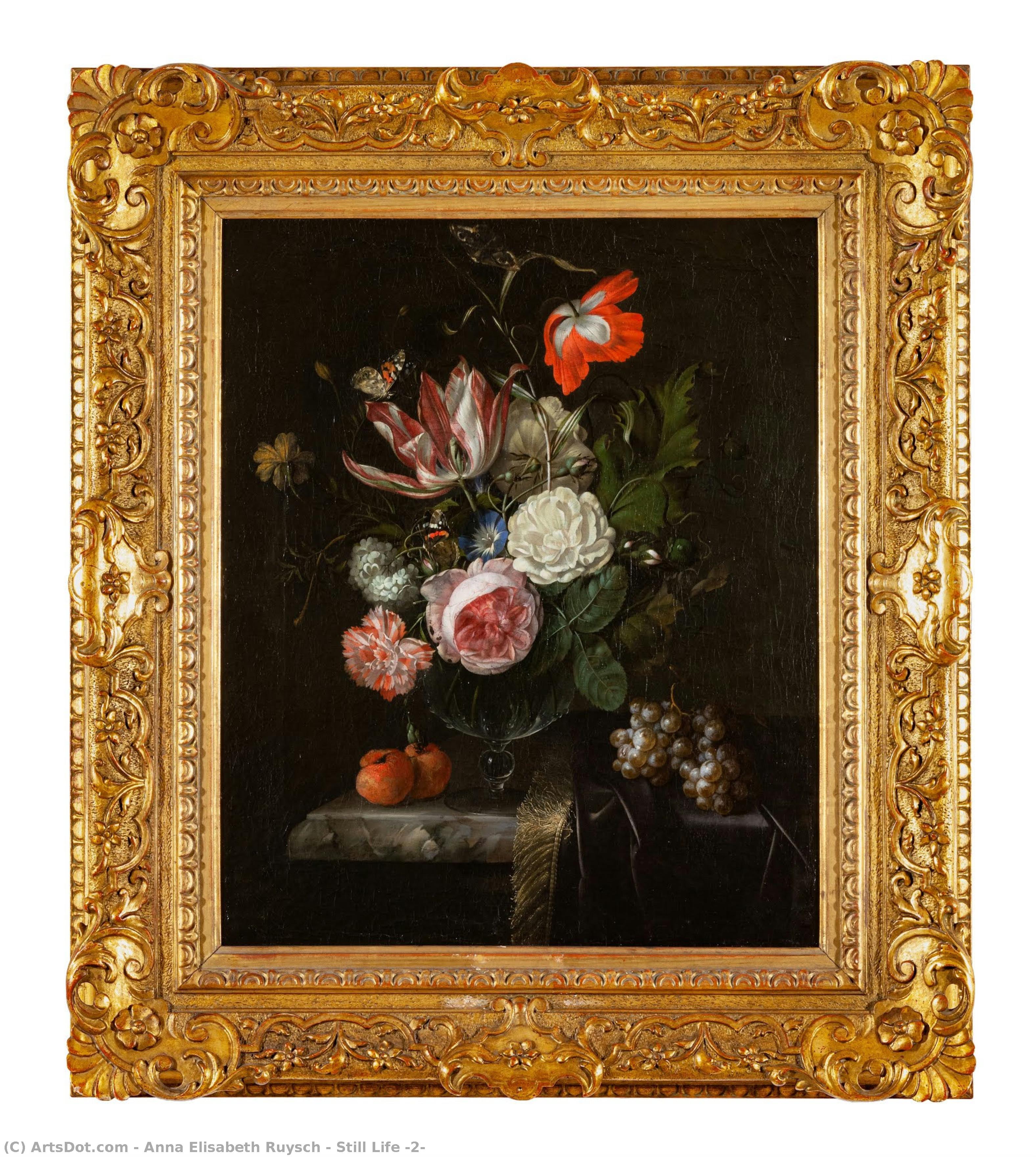
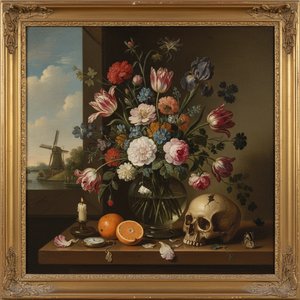
Still Life (2)


 Читать далее
Жикле / Арт-принт
Печать (жикле) или холст музейного качества с быстрыми сроками изготовления и широким выбором вариантов отделки. ( Купить картину ручной работы Перейти к цифровым изображениям)




P118B $10

P118H $10

P118W $10

P438Z $10

P508JH $12

P508YH $12

P805H $10

P805Z $10

P919BZ $10

P919G $10

P919XJ $10

P959ZH $10

P968JZ $12

W106C $8

W218G $10

W218JH $8

W218Y $10

W307PJ $10

W316G $10

W316PJ $8

W316Y $10

W398PJ $8

W4111J $10

W500HY $15

W500JH $15

W692G $12

W849H $8

W940BG $15

W953PJ $8




Выберите один из наших стандартных размеров, соответствующих оригинальным пропорциям произведения искусства.

Вы можете указать свои собственные размеры, чтобы репродукция идеально подошла под конкретную раму или пространство. Если выбранный вами размер не будет соответствовать пропорциям оригинала, мы либо обрежем произведение, либо дополним изображение зеркальным отражением краев или однотонной заливкой. Перед началом производства вам будет отправлен цифровой макет для утверждения.
Пожалуйста, обратите внимание, что предварительный просмотр на экране не отображает фактическую обрезку или расширение изображения. Только макет точно покажет финальную композицию.
Несмотря на возможность заказа индивидуальных размеров, мы рекомендуем выбирать размер из предопределенного списка, чтобы сохранить оригинальные пропорции.
Доставка по всему миру () за 2 недели вместо стандартных 4/5 недель. (11 Сентябрь)

Бесплатная экспресс-доставка по всему миру

Высококачественный льняной холст

Полное страхование доставки

Гарантия возмещения таможенных пошлин

Гарантия точного соответствия цветов

100-дневная политика возврата (только при обнаружении дефектов)

Гарантия возврата 100% средств

Предложение оптовых скидок
 Вариант со стеклом доступен только для размеров менее 110 см

Still Life (2)
Жикле / Арт-принт
Размер репродукции
-


Итоговая стоимость
$ 62
A Symphony of Petals and Light
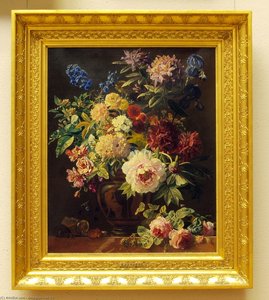
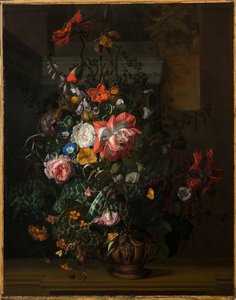
In the quiet splendor of Still Life (2), Anna Elisabeth Ruysch invites us into a world where time seems to suspend itself amidst the delicate arrangement of nature's finest offerings. Created around 1690, this masterpiece serves as a breathtaking testament to the Dutch Golden Age, a period when the mastery of light and texture reached unparalleled heights. The composition centers on a lush bouquet, where roses and carnations emerge from a stately vase with such vitality that one can almost sense the faint fragrance lingering in the air. Each petal is rendered with a meticulous devotion to reality, capturing the soft velvet of a blooming rose alongside the crisp, intricate edges of a carnation. This is not merely a depiction of flora; it is an immersive experience of botanical elegance.
The artist’s technique reveals a profound connection to the scientific precision of her era. Growing up in the household of the renowned botanist Frederik Ruysseb, Anna Elisabeth possessed an eye trained by both art and anatomy. This dual heritage is evident in the way she handles the interplay of light and shadow. The vibrant, rich colors of the flowers are balanced by the subtle, grounded presence of an apple and an orange resting upon the table, adding a sense of weight and earthly permanence to the ephemeral beauty of the blossoms. The brushwork, though incredibly fine, possesses a fluid grace that allows the light to dance across the surfaces, creating a luminous quality that breathes life into every element of the still life.
Symbolism and the Elegance of Permanence
Beyond its surface beauty, the painting carries a profound symbolic weight characteristic of seventeenth-century Dutch art. The arrangement of seasonal flowers, often blooming at different times, serves as a memento mori—a gentle reminder of the fleeting nature of life and the transient beauty of the natural world. Yet, through Ruysch’s masterful hand, this transience is captured and made eternal. The inclusion of ripe fruit suggests abundance and the bounty of the earth, while the opulent gold frame that surrounds the work elevates the subject matter from a simple domestic scene to an object of high prestige and contemplation.
For the discerning collector or interior designer, this artwork offers more than just visual delight; it provides a focal point of sophisticated character. The deep, saturated tones and the classical arrangement make it an ideal centerpiece for spaces that demand a sense of history and luxury. Whether placed in a sunlit morning room to evoke freshness or in a formal study to add a layer of academic depth, Still Life (2) brings with it an atmosphere of quiet dignity. It is a piece that does not merely decorate a wall but enriches the very soul of a room, offering a timeless window into a vanished era of botanical wonder.
Похожие произведения
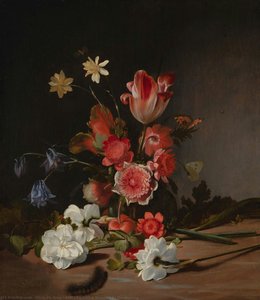
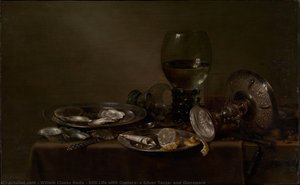

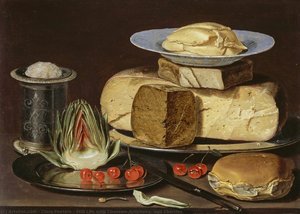
Биография художника
A Life Immersed in Blooms: The World of Anna Elisabeth Ruysch
Anna Elisabeth Ruysch, born in The Hague in 1666 and passing away in Amsterdam in 1754 at the remarkable age of 87, was a Dutch Golden Age flower painter whose delicate artistry flourished amidst a family deeply entwined with the scientific study of nature. While often overshadowed by her celebrated sister, Rachel Ruysch, Anna’s own contributions to botanical still life painting deserve recognition for their exquisite detail and quiet beauty. Her story is not one of flamboyant ambition but rather of a talented artist navigating domestic responsibilities while maintaining a lifelong passion for capturing the ephemeral grace of the natural world. Her father, Frederik Ruysch, was a preeminent botanist and anatomist whose renowned museum of anatomical specimens – featuring insects alongside flowers and plants – provided an early and immersive education in observation and representation for both his daughters. The family’s move to Amsterdam placed them at the heart of artistic and scientific life, with Frederik serving as professor of anatomy and botany and supervisor of the city's botanical garden. This environment undoubtedly fostered Anna’s keen eye and meticulous technique.Early Training and Artistic Development
The Ruysch household was a crucible of natural curiosity, and it is highly probable that both Anna and Rachel received their initial artistic training from Willem van Aelst, a respected still life painter to whom Rachel was apprenticed around the age of fifteen. Some scholars suggest possible instruction with Maria Sibylla Merian as well, though concrete evidence remains elusive. Regardless of specific teachers, the influence of Van Aelst is discernible in the sisters’ compositions – particularly their use of dynamic S-curve arrangements that imbue their floral displays with a sense of lively movement. Anna's early works demonstrate an impressive ability to render textures and forms with remarkable precision, mirroring her father’s dedication to accurate depiction in his scientific studies. However, unlike Rachel who pursued painting as a primary profession, Anna’s artistic endeavors were often interwoven with the demands of family life.Marriage, Family Life, and Continued Practice
In 1688, at the age of twenty-two, Anna married Isaak Hellenbroek, a paint dealer in Amsterdam. This union brought financial stability but also shifted her focus away from full-time artistic production. The couple established a successful business on the Damrak, one of Amsterdam’s principal avenues, and raised at least six children, three of whom survived to adulthood. While marriage often curtailed the careers of women artists during this period, Anna continued to paint, albeit less frequently than her sister. Interestingly, in 1742, records indicate that Isaak Hellenbroek earned an income comparable to Rachel Ruysch’s – a testament to the success of their business and perhaps reflecting the value placed on artistic patronage within their social circle. After her husband's death in 1749, Anna, along with her son Frederik Hendrik, continued to manage the paint shop, demonstrating a remarkable resilience and entrepreneurial spirit.A Legacy of Delicate Detail
Because Anna Ruysch rarely signed her paintings, attributing works definitively to her remains challenging. Fewer than ten paintings are currently accepted as being unequivocally hers. However, those that have been confidently identified reveal a mastery of floral representation characterized by subtle color palettes, intricate detailing, and a refined sense of composition. Like Rachel, she favored arrangements featuring a diverse array of blooms, often incorporating insects and small animals to add visual interest and symbolic depth. The S-curve technique, inherited from Van Aelst, is prominent in her work, creating a sense of graceful movement within the still life. While her output was smaller than that of her sister, Anna’s paintings possess a unique charm and quiet elegance. In recent years, works attributed to Ruysch have achieved significant prices at auction – £201,600 for one painting in 2022 and £327,000 for another – reflecting a growing appreciation for her artistry.Historical Significance and Enduring Appeal
Anna Elisabeth Ruysch’s significance lies not only in the beauty of her paintings but also in her representation of a woman artist navigating the complexities of 17th-century Dutch society. She embodies a generation of female artists who balanced domestic responsibilities with creative pursuits, often working within established traditions while imbuing their art with personal expression. Her work provides valuable insight into the cultural values and artistic practices of the Golden Age, showcasing the enduring appeal of botanical still life painting as a genre that celebrated both scientific observation and aesthetic beauty. Though less widely recognized than her sister, Anna Ruysch’s legacy continues to blossom through the rediscovery and appreciation of her delicate and captivating works.
anna elisabeth ruysch
1666 - 1754 , Netherlands
Основные сведения
- Artistic Movement Or Style: Golden Age flower painting
- Artists Who Influenced This Artist:
- Willem van Aelst
- Maria Sibylla Merian
- Date Of Birth: December 19, 1666
- Date Of Death: January 7, 1754
- Full Name: Anna Elisabeth Ruysch
- Nationality: Dutch
- Notable Artworks: ['Still Life (2)']
- Place Of Birth: The Hague, Netherlands
Похожие статьи
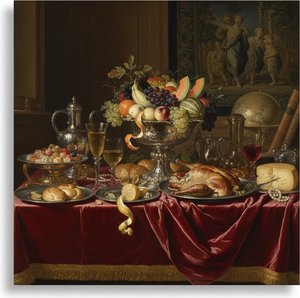
Abraham Hendricksz van Beyeren: Pioneering Dutch Still Life & the Banquet Tradition
Explore the captivating world of Dutch Golden Age still life with Abraham van Beyeren. Discover his innovative techniques, symbolic banquet scenes & lasting influence on art history. Learn about collecting these masterpieces.
Jan Jansz Wijnants: A Study in Dutch Golden Age Still Life & Floral Transience
Explore the captivating world of Jan Wijnants and Dutch Golden Age still life painting. Discover symbolism, masterful techniques & lasting influence on floral art history. Learn more!

Illuminating Innovation: Exploring the Dutch Golden Age of Painting
Explore the Dutch Golden Age of painting with ArtsDot. Discover Rembrandt, Vermeer & other Masters. Learn about key characteristics, iconic artworks, and lasting influence. Expert insights for collectors & enthusiasts.

Golden Age Reflections: Dutch Baroque Painting & Cultural Innovation
Explore the Dutch Golden Age of painting! Discover key artists like Vermeer & ter Borch, their innovative techniques, and the rich cultural context behind these Baroque masterpieces. Learn about collecting & appreciating this iconic art period.

Золотой век Голландии: 10 шедевров, изменивших искусство | ArtsDot.com
Погрузитесь в эпоху Золотого века Нидерландов! 10 шедевров Рембрандта, Вермеера и других мастеров. Узнайте истории создания культовых картин и вдохновитесь для интерьера. Репродукции музейного качества на ArtsDot.com.