 Предпросмотр
 Поделиться
 Поделиться
 Детали произведения

 Скачать
 Похожие работы
 Рентгенография
 Слайд-шоу
 Статистика
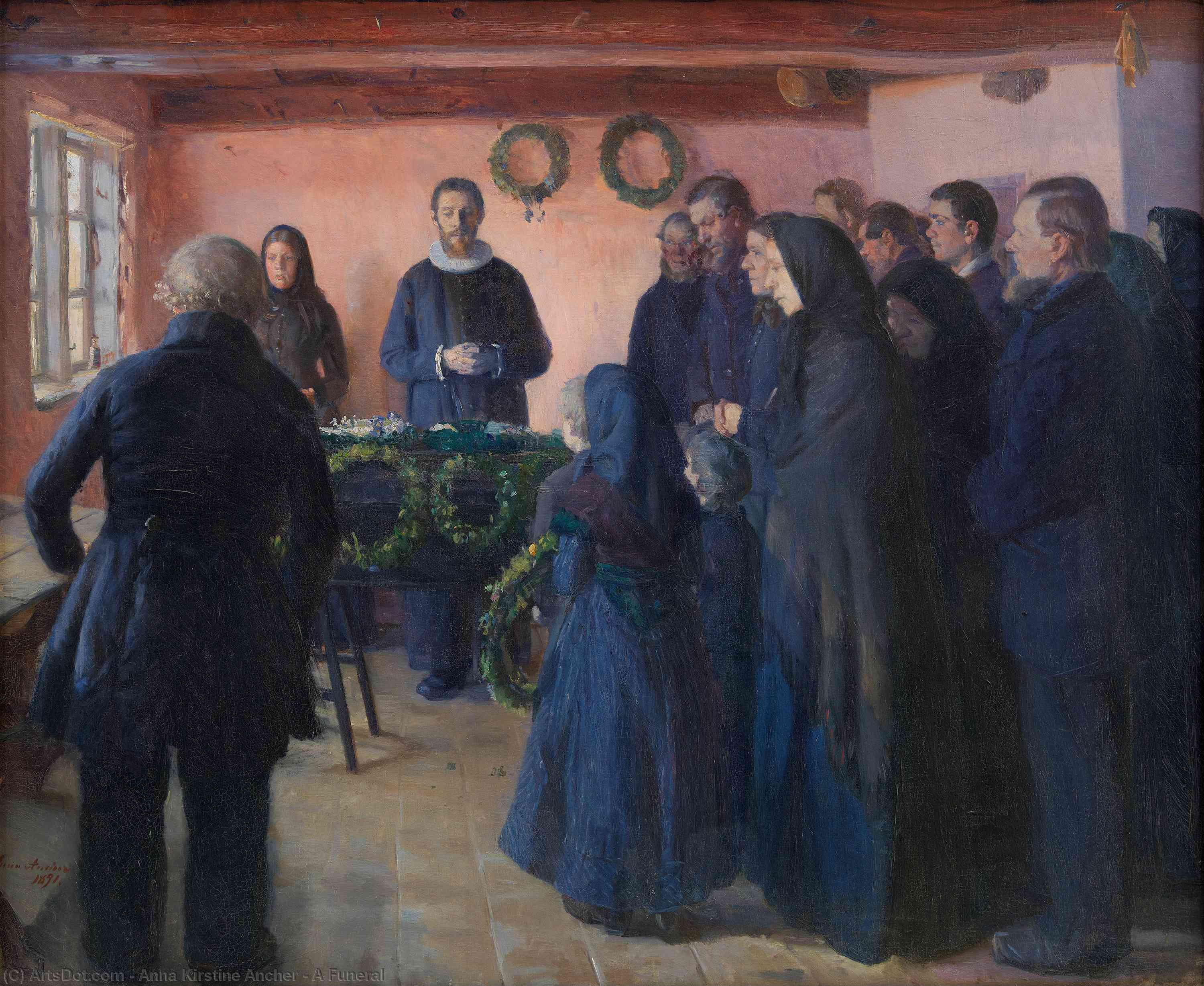
A Funeral
 Oil On Canvas
- WallArt
- Impressionistic Realism
 1891
1891- 19th Century
 104.0 x 125.0 cm
 Статс-музей искусств Дании
 Читать далее
Масляная репродукция ручной работы
Картина маслом на холсте в выбранном вами размере и раме, написанная на заказ нашими художниками. ( Перейти к печати Перейти к цифровым изображениям)




P118B $10

P118H $10

P118W $10

P438Z $10

P508JH $12

P508YH $12

P805H $10

P805Z $10

P919BZ $10

P919G $10

P919XJ $10

P959ZH $10

P968JZ $12

W106C $8

W218G $10

W218JH $8

W218Y $10

W307PJ $10

W316G $10

W316PJ $8

W316Y $10

W398PJ $8

W4111J $10

W500HY $15

W500JH $15

W692G $12

W849H $8

W940BG $15

W953PJ $8




Выберите один из наших стандартных размеров, соответствующих оригинальным пропорциям произведения искусства.

Вы можете указать собственные размеры, чтобы картина идеально вписалась в выбранную раму или пространство. Если выбранный вами размер не соответствует пропорциям оригинала, мы либо обрежем полотно, либо расширим его за счет дополнительных элементов, написанных вручную. Цифровой макет будет отправлен вам на утверждение перед началом производства.
Обратите внимание, что предварительный просмотр на экране не отражает фактическую обрезку или расширение. Только макет точно покажет окончательную композицию.
Хотя доступны индивидуальные размеры, мы рекомендуем выбирать вариант из предопределенного списка, чтобы сохранить исходные пропорции.
После оформления заказа команда ArtsDot.com свяжется с клиентом по электронной почте для уточнения деталей и предоставит предварительный макет
Доставка по всему миру () за 3–4 недели вместо стандартных 5 недель. (10 Сентябрь). Без компромиссов в качестве.

Бесплатная экспресс-доставка по всему миру

Высококачественный льняной холст

Полное страхование доставки

Гарантия возмещения таможенных пошлин

Гарантия точного соответствия цветов

100-дневная политика возврата (только при обнаружении дефектов)

Гарантия возврата 100% средств

Предложение оптовых скидок
 Вариант со стеклом доступен только для размеров менее 110 см

A Funeral
Техника репродукции
Размер репродукции
-


Итоговая стоимость
$ 263
The Quietude of Mourning: A Masterpiece of Light and Loss
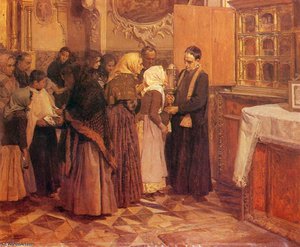
In the hushed corridors of art history, few moments capture the intersection of communal ritual and private grief as poignantly as Anna Kirstine Ancher’s 1891 masterpiece, A Funeral. This evocative oil on canvas serves as a profound window into the soul of Skagen, the remote Danish fishing village where Ancher was not merely an observer, but a native daughter. The painting transports the viewer into the solemn stillness of a church service, where the air seems heavy with the weight of memory and the sanctity of tradition. Through her masterful command of the Impressionist style, Ancher does more than depict a ceremony; she captures the very essence of a community gathered in shared contemplation, making the scene feel both deeply personal and universally resonant.
The composition is a delicate dance of figures and space, centered around an officiating figure who stands as a pillar of strength amidst the mourning. As the eye wanders through the church interior, it encounters a gathering of souls—some standing in close proximity to the altar, others receding into the soft shadows of the nave. Ancher utilizes a sophisticated palette of muted blues, soft pinks, and earthy tones to evoke a sense of profound stillness. The light, a hallmark of her celebrated Skagen technique, does not strike the scene with brilliance but rather filters through the atmosphere like a gentle benediction, illuminating the textures of the clothing and the quiet expressions of the mourners. This subtle interplay of light and shadow creates a rhythmic depth that draws the collector into the emotional heart of the service.
A Legacy of Light and Intimacy
To understand A Funeral is to understand the unique position of Anna Ancher within the Skagen Painters movement. While many of her contemporaries were drawn to the dramatic, rugged landscapes of the Jutland peninsula, Ancher possessed a singular talent for finding the extraordinary within the ordinary. Her work often focused on the luminous interiors and the quiet, domestic rhythms of life in Skew. In this particular work, she elevates a standard religious rite into a study of human connection and spiritual endurance. The presence of everyday elements—the simple chairs, the distant dining table—grounds the sacred event in the tangible reality of village life, bridging the gap between the divine and the earthly.
For the discerning art lover or interior designer, this painting offers more than mere decoration; it provides a focal point of contemplative beauty. The somber yet serene atmosphere makes it an ideal centerpiece for spaces designed for reflection, such as a library, a study, or a formal sitting room. A high-quality reproduction of this work allows the subtle nuances of Ancher’s brushwork and her masterful use of color to breathe life into a room, offering a sense of historical depth and emotional maturity. Owning such a piece is an invitation to experience the timeless grace of Danish Impressionism, bringing a fragment of Skagen’s enduring light and quiet dignity into the modern home.
Похожие произведения





Биография художника
Anna Ancher: A Life Illuminated by Skagen’s Light
Anna Kirstine Brøndum Ancher, universally known as Anna Ancher, occupies a truly exceptional place in the history of Danish art – a position forged not just through her artistic talent but also by her deep connection to a specific time and place. Born in 1859 in Skagen, a remote fishing village clinging to the very northernmost tip of Jutland, she was inextricably linked to the landscape, its people, and the ever-shifting light that defined this unique corner of Denmark. Unlike many of her contemporaries drawn to Skagen by the allure of the dramatic Nordic winter, Anna *was* Skagen – born, raised, and profoundly shaped by its bracing winds, vibrant community, and the constant dance of sunlight on the sea. This intimate relationship with her surroundings infused her work with an unparalleled authenticity and emotional resonance, distinguishing her from artists who merely observed from a distance. Her father, Erik Andersen Brøndum, was the proprietor of the renowned Brøndums Hotel – a bustling hub for visiting artists seeking inspiration in Skagen’s raw beauty, providing Anna with constant exposure to creative energy and intellectual exchange from an early age. This formative environment laid the groundwork for a life dedicated entirely to capturing the essence of her beloved village on canvas.Early Years and Artistic Training
Anna's artistic inclinations manifested remarkably early, prompting her family to provide her with opportunities for formal training. She began her artistic education at the Vilhelm Kyhn College of Painting in Copenhagen, where she honed her foundational skills in drawing and developed a distinctive style characterized by meticulous observation and a nuanced understanding of color theory. However, it was her time spent studying in Paris under the tutelage of Pierre Puvis de Chavannes – a renowned Symbolist painter known for his evocative murals and allegorical figures – that truly broadened her artistic horizons. This Parisian sojourn proved invaluable, exposing her to new techniques and perspectives, yet she steadfastly maintained her connection to her Nordic roots, drawing inspiration from the light and atmosphere of Skagen. Crucially, during this period, she encountered Marie Triepcke (later Krøyer), another talented artist who would become a lifelong friend and collaborator. Their shared artistic pursuits and intellectual discussions undoubtedly enriched their creative journeys. Returning to Denmark, Anna married Michael Ancher in 1880 – a fellow Skagen painter whose own talent and unwavering support proved instrumental to her success. Their union was not merely a personal one; it became a powerful partnership of mutual inspiration and artistic collaboration.The Essence of Skagen: Intimate Portraits and Light’s Dance
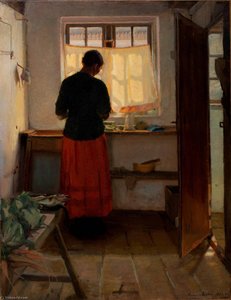
Anna Ancher's artistic focus centered almost exclusively on portraying the everyday lives of the people of Skagen – fishermen, their wives, children, and local artisans – within intimate domestic settings. She deliberately eschewed grand historical narratives or mythological subjects, instead choosing to capture the quiet beauty and profound emotional depth found in ordinary moments. Her paintings are characterized by an extraordinary sensitivity to light and color, meticulously rendered to convey the fleeting effects of sunlight streaming through windows, illuminating interiors with a warm, inviting glow, or reflecting off the wet surfaces of boats returning from the sea. Works such as *Blue Ane* (1882) exemplify her mastery of color interplay, while *The Girl in the Kitchen* (1883-1886) offers a poignant and deeply moving glimpse into the lives of Skagen’s residents. She possessed an exceptional ability to evoke atmosphere and emotion through subtle shifts in tone and texture – capturing not just what she saw but also how it *felt* to be present within those scenes. Her later works, including *Interior with Clematis* (1913), further demonstrate her evolving skill in exploring the complex relationship between light, shadow, and human experience. Anna’s approach was deeply rooted in observation and a profound understanding of the natural world, resulting in paintings that are both visually stunning and emotionally resonant.A Legacy of Innovation and Female Artistic Voice
Anna Ancher's contributions to Danish art extend far beyond her individual paintings. As one of the first female artists to achieve widespread recognition within the male-dominated artistic circles of her time, she challenged conventional expectations and paved the way for future generations of women painters. Her work played a pivotal role in the development of Danish Impressionism and the broader Nordic Modern Breakthrough movement – a period characterized by a renewed interest in capturing the essence of everyday life and embracing innovative techniques. Furthermore, Anna’s unwavering commitment to portraying the lives of ordinary people, particularly women, offered a refreshing counterpoint to the prevailing artistic trends that often focused on idealized subjects or historical events. Her legacy is not simply one of aesthetic beauty but also of courage, perseverance, and a profound belief in the power of art to illuminate the human experience. Today, her paintings are treasured within prestigious collections such as the Hirschsprung Collection in Copenhagen, the Helga Ancher Foundation, and the Skagen Museum – enduring testaments to her artistic merit and lasting influence. The Anchers’ home in Skagen has been preserved as a museum, *Anchers Hus*, offering visitors a unique opportunity to step back in time and experience the world that inspired her art.Key Works
* *Blue Ane* (1882) * *The Girl in the Kitchen* (1883-1886) * *Syende fiskerpige* (Fishing Girl Sewing, 1887) * *Interior with Clematis* (1913) * *Sheep Shearing* (1894)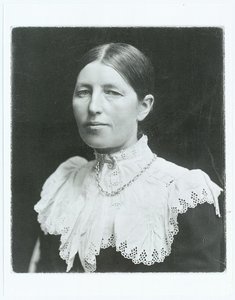
Анна Анчер
1859 - 1935 , Дания
Основные сведения
- Artistic Movement Or Style: Импрессионизм, скандинавское искусство
- Artists Or Movements Influenced By This Artist: ['Ханс Андерсен Брендекильд']
- Artists Who Influenced This Artist:
- Пьер Пувис де Шаванн
- Мари Триепке Крёйер
- Date Of Birth: 18 августа 1859 г.
- Date Of Death: 15 апреля 1935 г.
- Full Name: Анна Кристина Брёндум Анчер
- Nationality: Датский
- Notable Artworks:
- Сияние в синей комнате
- Девочка на кухне
- Рыбаки
- Place Of Birth: Скьяген, Дания
Похожие статьи
Azure Visions: Exploring Representations of the Blue Dress in Western Art History
Explore the rich history of the blue dress in Western art! Discover its symbolism, from Renaissance masterpieces to modern interpretations by artists like Martin & Schiele. Uncover cultural meanings and artistic techniques.
The Subdued Resonance: Exploring Emotional Depth & Artistic Nuance within Muted Color Palettes
Explore the captivating world of muted colors in art & design! Discover historical context, psychological effects, techniques, and inspiration for creating serene spaces. Elevate your aesthetic with ArtsDot.

Топ-10 знаменитых картин в оттенках серо-голубого: искусство и декор от ArtsDot
Погрузитесь в мир серо-голубых оттенков! От Моне до Ренуара – 10 знаменитых картин, вдохновляющих на создание уникального интерьера. Репродукции высокого качества от ArtsDot.com. Explore the full collection online!
The Allure of Azure: Exploring the Symbolic & Aesthetic Depths of Blue in Art History
Explore the rich history of blue in art! Discover its symbolism, from ancient pigments to modern masterpieces by Kandinsky & Seurat. Uncover the psychological impact and cultural meanings behind this captivating hue.
Топ-10 знаменитых картин в нежных розовых тонах: искусство и декор от ArtsDot
Погрузитесь в мир нежности и красоты! Топ-10 знаменитых картин Моне, Ренуара и других мастеров в розовых тонах. Узнайте историю создания шедевров импрессионизма и найдите идеальную репродукцию для вашего интерьера на ArtsDot.com