

 Предпросмотр
 Поделиться
 Поделиться
 Детали произведения

 Скачать
 Похожие работы
 Рентгенография
 Слайд-шоу
 Статистика
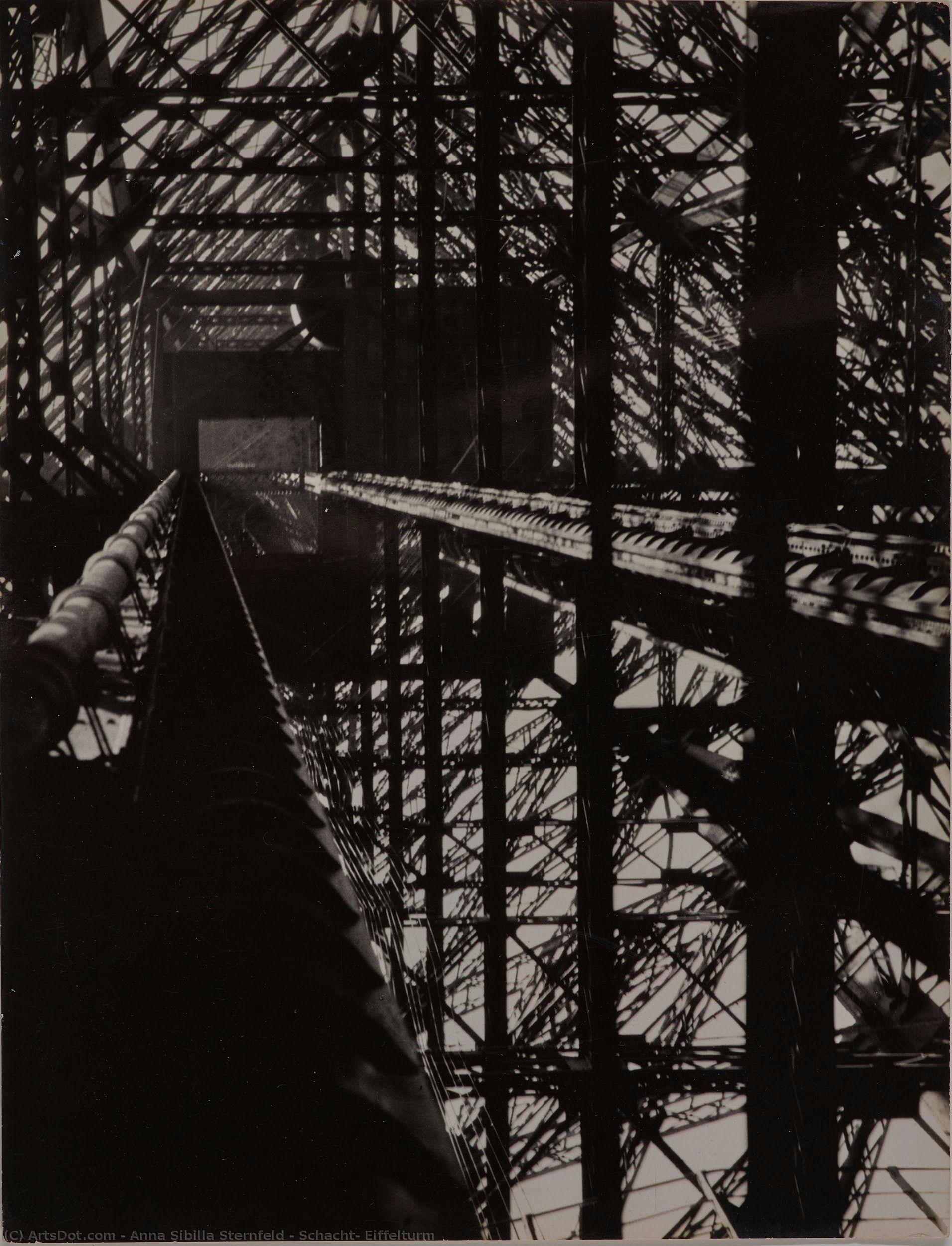
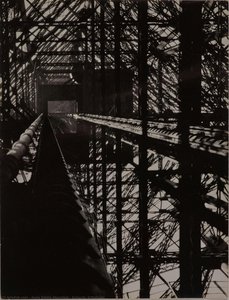
Schacht, Eiffelturm

 Читать далее
Приобретите цифровое изображение высокого разрешения в улучшенном качестве, которое значительно превосходит онлайн-превью.
Каждый файл тщательно подготавливается нашими специалистами с использованием передовых инструментов и экспертной ручной ретуши. Мы гарантируем исключительную четкость, точную цветопередачу и детальную проработку каждого изображения.
Финальный файл доставляется по электронной почте в течение 72 часов и оптимизирован для немедленного использования в профессиональной среде, при верстке и печати. Это тот же уровень качества, которому доверяют ведущие дизайнерские студии, издательства и галереи.
Цифровое изображение
Скачайте файл высокого разрешения для личного использования, печати и творческих проектов. ( Перейти к печати Купить картину ручной работы)
Включено в каждый заказ цифровых изображений
Гарантия экспертной цифровой доставки
Выбирая ArtsDot.com, вы получаете не просто изображение — вы приобретаете профессионально обработанное цифровое произведение искусства, созданное с безупречной точностью и под защитой гарантии качества. Вот всё, что автоматически входит в ваш заказ:

Мгновенная доставка по e-mail
Ваш цифровой файл в высоком разрешении будет отправлен вам по электронной почте в течение 72 часов после оформления заказа — и сразу станет доступен для использования.

Цифровой файл с ИИ-улучшением
Ваше произведение искусства проходит профессиональную оптимизацию с использованием передовых инструментов ИИ и ручной обработки, что гарантирует максимальную детализацию, четкость и точность цветопередачи.

Бессрочная бесплатная повторная доставка
Случайно удалили или потеряли файл? Не беспокойтесь — мы отправим его вам повторно в любое время и совершенно бесплатно.

Без импортных пошлин — навсегда
Наслаждайтесь вашим произведением искусства мгновенно без таможенных пошлин, сборов или затрат на доставку — цифровые загрузки всегда не облагаются налогом.

Гарантия точности цветопередачи
Мы гарантируем, что ваше цифровое изображение максимально точно передает оригинальные цвета благодаря использованию профессиональных инструментов и систем управления цветом.

Гарантия удовлетворенности 100 дней
Если вы не будете удовлетворены своим цифровым изображением, мы внесем правки или вернем 100% стоимости в течение 100 дней — без лишних вопросов.

100% Гарантия возврата средств
Не удовлетворены покупкой? Получите полный возврат средств в течение 100 дней после получения цифрового файла — без лишних вопросов.

Скидки на оптовые заказы
Купите 3 изображения, сэкономьте 10% — Купите 5, сэкономьте 15% — Купите 10+, сэкономьте 20%. Отличное решение для творческих проектов, галерей и агентств.
Похожие произведения







Биография художника
A Pioneer of New Objectivity: The Life and Legacy of Anna Sibilla Sternfeld
Anna Sibilla Sternfeld, known professionally as Aenne Biermann, was a quietly revolutionary figure in the landscape of early 20th-century photography. Born on March 8, 1898, in Goch, Germany, into an affluent Ashkenazi Jewish family, Biermann’s life, though tragically short, left an indelible mark on the development of New Objectivity – a movement that sought to capture reality with uncompromising clarity and precision. Her journey from amateur documentarian of her children's lives to internationally recognized artist is a testament to her innate talent and unwavering vision. Unlike many artists of her time who received formal training, Biermann was largely self-taught, honing her skills through dedicated practice and an acute observational eye. This independent path allowed her to develop a unique aesthetic that challenged conventional photographic norms.Early Life and the Seeds of Artistic Vision
Biermann’s upbringing provided a foundation for her later artistic pursuits. Her father, Alfons Sternfeld, owned a successful leather factory, instilling in her a sense of practicality and an appreciation for craftsmanship. The family's wealth afforded her a cultural education, nurturing a sensitivity to form and composition. A pivotal moment arrived in 1920 with her marriage to Herbert Joseph Biermann, a prosperous textile merchant who shared her passion for the arts. Their relocation to Gera, a town known for its progressive atmosphere, further stimulated her creative growth. It was after the birth of her two children, Helga (born 1921) and Gershon (born 1923), that Biermann first turned to photography. Initially, she used the medium as a means of preserving cherished family moments, but this personal endeavor soon evolved into something far more profound. She began experimenting with light, shadow, and composition, seeking to move beyond mere documentation towards a deeper exploration of visual form.The Rise of New Objectivity and Biermann’s Distinctive Style
The 1920s witnessed the emergence of New Objectivity (Neue Sachlichkeit) in Germany, a reaction against the emotionalism of Expressionism and the romantic idealism prevalent after World War I. Artists associated with this movement embraced realism, clarity, and objectivity, often focusing on industrial subjects, urban landscapes, and portraits that revealed psychological truths. Biermann quickly became a leading voice within this artistic current. Her photographs, characterized by their sharp focus, precise compositions, and unadorned aesthetic, embodied the core principles of New Objectivity. However, she wasn’t simply replicating reality; she was actively interpreting it, stripping away sentimentality to reveal the underlying structures and inherent beauty of everyday objects. A turning point in her artistic development came in 1926 when a chance encounter with geologist Rudolf Hundt led to a commission to photograph his mineral specimens. This project pushed her beyond portraiture and into the realm of still life, where she could fully explore her fascination with form, texture, and light.International Recognition and Lasting Impact
Between 1926 and 1933, Biermann experienced a period of intense creative productivity. Her work was featured in numerous prestigious exhibitions across Germany, including solo shows at the Kunstkabinett in Munich and group presentations in Essen and Stuttgart. Art historian Franz Roh recognized her exceptional talent and included a substantial selection of her photographs in his influential monograph *60 Fotos: Aenne Biermann* (1930), cementing her place within the photographic canon. This recognition was particularly significant, as it provided a platform for her work to reach a wider audience and influence subsequent generations of photographers. Tragically, Biermann’s promising career was cut short by her untimely death from liver disease in 1933 at the age of thirty-five. The rise of Nazism shortly thereafter led to the suppression of New Objectivity art, and many of her negatives were lost or destroyed. Today, only approximately four hundred prints remain as a testament to her extraordinary vision. Despite this loss, Biermann’s legacy endures. Her photographs continue to captivate viewers with their timeless beauty, intellectual rigor, and profound sensitivity to the world around us. She stands as a powerful example of an artist who dared to challenge conventions and forge her own path, leaving behind a body of work that continues to inspire and provoke.Themes and Techniques
- Still Life Mastery: Biermann’s still lifes are perhaps her most iconic works, showcasing her ability to transform ordinary objects into compelling visual statements. She meticulously arranged items – eggs, metal utensils, plants – emphasizing their geometric forms and the interplay of light and shadow.
- Portraiture with a Difference: While she began by photographing her children, Biermann’s portraits were far from sentimental. They were characterized by directness, clarity, and an absence of artifice, revealing the psychological essence of her subjects.
- The Power of Light: Light was central to Biermann's artistic vision. She meticulously studied its effects on surfaces, creating striking contrasts and highlighting subtle textures.
- New Objectivity Principles: Her work embodies the core tenets of New Objectivity: realism, precision, objectivity, and a rejection of emotionalism.
- Self-Taught Innovation: Her independent path allowed her to develop a unique aesthetic that challenged conventional photographic norms. She wasn’t bound by tradition and was free to experiment with new techniques and approaches.
anna sibilla sternfeld
1898 - 1933 , Germany
Основные сведения
- Artistic Movement Or Style: New Objectivity
- Date Of Birth: March 8, 1898
- Date Of Death: January 14, 1933
- Full Name: Anna Sibilla Sternfeld
- Nationality: German
- Notable Artworks:
- Untitled (Three Eggs)
- Schacht, Eiffelturm
- Place Of Birth: Goch, Germany