

 Поделиться
 Поделиться
 Детали произведения

 Скачать
 Похожие работы
 Слайд-шоу
 Статистика
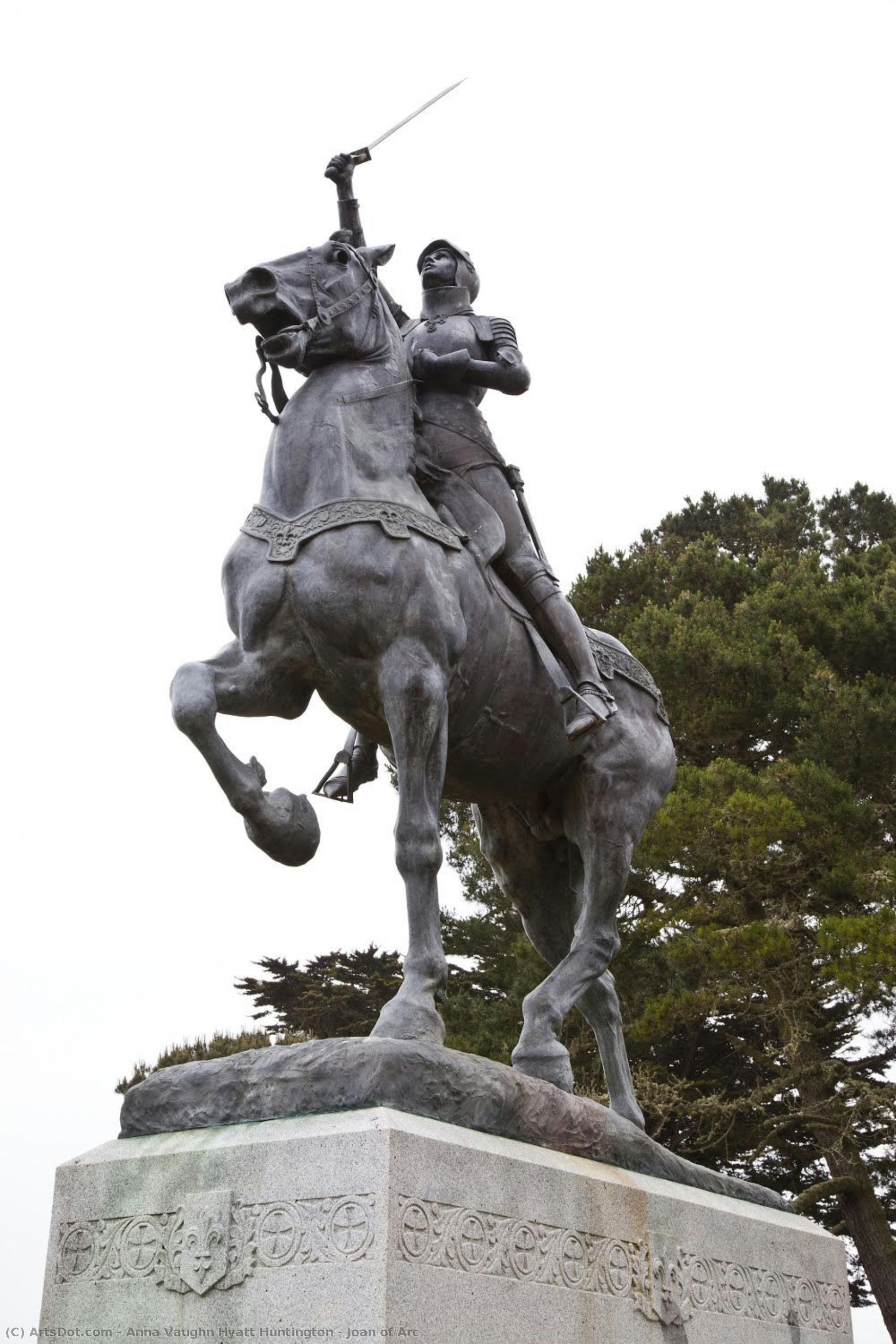
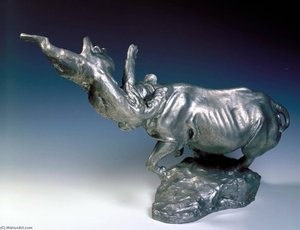
Joan of Arc
 Bronze
- Sculpture
- Realism
 1915
1915 366.0 x 115.0 cm
 Легионный Храм
 Читать далее
Масляная репродукция ручной работы
Картина маслом на холсте в выбранном вами размере и раме, написанная на заказ нашими художниками. ( Перейти к печати Перейти к цифровым изображениям)




































Выберите один из наших стандартных размеров, соответствующих оригинальным пропорциям произведения искусства.

Вы можете указать собственные размеры, чтобы картина идеально вписалась в выбранную раму или пространство. Если выбранный вами размер не соответствует пропорциям оригинала, мы либо обрежем полотно, либо расширим его за счет дополнительных элементов, написанных вручную. Цифровой макет будет отправлен вам на утверждение перед началом производства.
Обратите внимание, что предварительный просмотр на экране не отражает фактическую обрезку или расширение. Только макет точно покажет окончательную композицию.
Хотя доступны индивидуальные размеры, мы рекомендуем выбирать вариант из предопределенного списка, чтобы сохранить исходные пропорции.
После оформления заказа команда ArtsDot.com свяжется с клиентом по электронной почте для уточнения деталей и предоставит предварительный макет
Доставка по всему миру () за 3–4 недели вместо стандартных 5 недель. (12 Сентябрь). Без компромиссов в качестве.

Бесплатная экспресс-доставка по всему миру

Высококачественный льняной холст

Полное страхование доставки

Гарантия возмещения таможенных пошлин

Гарантия точного соответствия цветов

100-дневная политика возврата (только при обнаружении дефектов)

Гарантия возврата 100% средств

Предложение оптовых скидок
 Вариант со стеклом доступен только для размеров менее 110 см

Joan of Arc
Техника репродукции
Размер репродукции
-


Итоговая стоимость
$ 263
A Vision of Courage: Anna Hyatt Huntington’s Equestrian Joan of Arc
The bronze figure of Joan of Arc, sculpted by Anna Vaughn Hyatt Huntington in 1915 and currently residing in Riverside Park, New York City, is more than just a statue; it's a potent embodiment of French national identity, unwavering faith, and the spirit of defiance. Huntington’s masterful rendering captures not merely the likeness of a historical figure but also the very essence of her legend – a young woman who, against overwhelming odds, rallied a nation to victory. The sculpture stands as a testament to both the artist's technical skill and her profound understanding of the symbolic power inherent in equestrian portraiture.
Huntington’s approach was deeply rooted in her background as a paleontologist’s daughter; she possessed an unparalleled ability to dissect and reconstruct animal anatomy, translating this knowledge into remarkably lifelike representations. This meticulous attention to detail is immediately apparent in the rearing horse – its musculature rendered with astonishing precision, conveying both power and a palpable sense of urgency. The horse itself isn't simply a mount but a dynamic partner in Joan’s narrative, mirroring her own courageous spirit and unwavering determination.
The Sculptor’s Process: Lost-Wax Casting and the Pursuit of Realism
The creation of this monumental bronze sculpture involved a complex and demanding process. Huntington employed the traditional technique of lost-wax casting, a method that has been utilized for centuries to produce intricate and durable works of art. Initially, she created a full-scale plaster model, painstakingly studying historical accounts and artistic representations of Joan of Arc. This detailed study informed every aspect of her design, from the folds of the fabric draped across Joan’s body to the subtle expression on her face.
Once the plaster model was complete, it was used to create a wax mold. Molten bronze was then poured into this mold, filling the intricate details of the original sculpture. After cooling and solidifying, the wax was removed, leaving behind a hollow bronze casting. This process, while demanding, allowed Huntington to achieve an unparalleled level of detail and texture in her work. The surface of the bronze exhibits a rich, tactile quality – a testament to the artist’s skill and the inherent beauty of the material itself. The subtle variations in tone, achieved through careful manipulation of the casting process, add depth and dimension to the sculpture, bringing it vividly to life.
Symbolism and Narrative: A Portrait of Faith and Resistance
Beyond its technical brilliance, the sculpture is laden with symbolism. Joan’s raised sword represents her unwavering commitment to her cause – a declaration of defiance against oppression and a symbol of French sovereignty. Her upward gaze, directed towards the heavens, speaks to her deep faith and belief in divine guidance. The rearing horse, as mentioned earlier, embodies power, freedom, and the spirit of rebellion. Together, these elements coalesce into a powerful narrative of courage, conviction, and ultimately, triumph.
The choice of an equestrian pose is particularly significant. Historically, depictions of rulers on horseback have long symbolized authority, strength, and leadership. By placing Joan on horseback, Huntington elevates her to the status of a national hero – a figure worthy of emulation and inspiration. The sculpture’s placement in Riverside Park, a popular urban oasis, further reinforces this symbolic connection, positioning Joan as a guardian spirit for the city and its inhabitants.
A Legacy of Strength: Joan of Arc in the 20th Century
Completed just six years after the end of World War I, Huntington’s sculpture resonated deeply with a nation grappling with the trauma of conflict. Joan of Arc's story – a young woman who rose to lead her country against seemingly insurmountable odds – offered a powerful message of hope and resilience in an era defined by loss and uncertainty. The statue quickly became a beloved landmark in New York City, embodying the values of courage, faith, and national pride.
Today, Huntington’s equestrian Joan of Arc remains a poignant reminder of France's rich history and its enduring spirit. It is a work that continues to inspire awe and admiration, inviting viewers to contemplate the complexities of leadership, faith, and the timeless struggle for freedom. Reproductions of this iconic sculpture offer a beautiful way to bring this powerful image into any home or office, serving as a constant source of inspiration and reflection.
Похожие произведения


Биография художника
Anna Vaughn Hyatt Huntington: Pioneer American Sculptor
Anna Vaughn Hyatt Huntington (1876-1973) stands as a monumental figure in the annals of American art history—a woman who defied convention, championed realism, and irrevocably shaped the landscape of sculptural expression. Born March 10, 1876, in Cambridge, Massachusetts, her life was inextricably linked to the burgeoning intellectual currents of her time, fueled by an unparalleled blend of scientific curiosity inherited from her father, Alpheus Hyatt—a renowned paleontologist and zoologist—and artistic passion nurtured by her mother, Audella Beebe Hyatt, a talented watercolorist. This formative duality instilled in young Anna Huntington a profound appreciation for the natural world’s intricate beauty and anatomical precision, an obsession that would become the cornerstone of her extraordinary oeuvre. From early childhood observations of animals to meticulous study sessions at prestigious institutions like Harvard University and MIT, she cultivated a mastery of form and movement unmatched by many of her contemporaries—a testament to her unwavering dedication and intellectual rigor. ### Early Life and Artistic Foundations Anna Hyatt’s formative years were marked by an environment profoundly supportive of artistic pursuits. Her father's groundbreaking paleontological research instilled in her a deep understanding of animal anatomy, informing her sculptural approach with unparalleled accuracy. Simultaneously, Audella Beebe Hyatt’s watercolor skills nurtured Anna’s visual sensibilities, fostering a keen eye for color and composition—elements that would later permeate her sculptures. Notably, she received instruction from Henry Hudson Kitson, who initially critiqued the anatomical shortcomings of his own work, prompting Huntington to embark on an independent artistic journey—a bold defiance of societal expectations regarding women's roles in creative endeavors. This formative experience solidified her conviction that artistic excellence demanded uncompromising honesty and meticulous observation. ### Breakthrough Sculptures and Artistic Style Anna Hyatt Huntington’s breakthrough arrived swiftly with the creation of *Joan of Arc*, erected on Riverside Drive in New York City in 1915—a monumental sculpture that transcended mere representation, embodying a profound exploration of character and heroic spirit. This landmark achievement wasn't simply an artistic triumph; it was a pivotal moment in American art history—the first public monument crafted by a woman artist in the city, symbolizing a courageous assertion of female agency within a male-dominated field. Her sculptural style distinguished itself through its unwavering commitment to realism, achieved through painstaking anatomical studies and dynamic compositions that captured the essence of animal movement with breathtaking grace. Unlike many artists of her era who favored idealized forms, Huntington prioritized capturing the true physicality of her subjects—a stylistic choice that reflected her scientific grounding and artistic conviction. ### The Founding of Brookgreen Gardens and Legacy Anna Hyatt Huntington’s vision extended beyond individual sculptures; she established Brookgreen Gardens near Myrtle Beach, South Carolina, in 1931—a sprawling outdoor sculpture garden that became a living embodiment of her lifelong passion for art and nature. This ambitious project showcased over 300 sculptures—many of them Huntington's own creations—harmoniously integrated into the landscape, transforming it into an unparalleled testament to artistic creativity and botanical splendor. Furthermore, she championed the inclusion of female sculptors’ work within Brookgreen Gardens, recognizing their vital contribution to American art history—a gesture that underscored her commitment to fostering inclusivity and celebrating diverse voices within the creative realm. Huntington's enduring legacy resides not only in her magnificent sculptures but also in her pioneering role as a woman artist who shattered barriers and achieved remarkable success—inspiring generations of aspiring sculptors and cementing her place among the most influential figures in American art. Her life exemplifies unwavering dedication, artistic innovation, and the transformative power of pursuing one’s passions with uncompromising conviction. ### Notable Achievements and Recognition Anna Hyatt Huntington garnered widespread acclaim for her sculptural achievements throughout her illustrious career. She was elected to the American Academy of Arts and Letters in 1934—a prestigious honor recognizing her artistic merit and securing her place among America's most celebrated artists. Her sculptures graced public spaces across the United States, captivating audiences with their beauty and conveying profound emotional resonance. Moreover, she received numerous awards and commissions from prominent institutions—demonstrating her exceptional talent and unwavering commitment to excellence. Huntington’s influence extended beyond her artistic output; she served as a mentor to aspiring sculptors, fostering creativity and promoting artistic dialogue within the broader art community. Her enduring legacy continues to inspire artists today—a testament to her remarkable contribution to American art history and her unwavering belief in the transformative power of creative expression.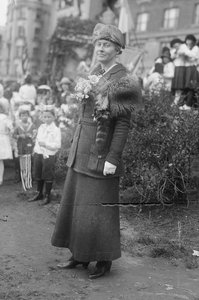
Анна Вайн Хайт Хантингтон
1876 - 1973 , США
Основные сведения
- Artistic Movement Or Style: Реализм; Ранний модернизм
- Artists Or Movements Influenced By This Artist: ['Хенри Хадсон Китсон']
- Artists Who Influenced This Artist:
- Герман Аткинс МакНейл
- Гутзон Борглум
- Date Of Birth: 10 марта 1876 г.
- Date Of Death: 4 октября 1973 г.
- Full Name: Anna Vaughn Hyatt Huntington
- Nationality: Американка
- Notable Artworks:
- Жанна д’Арк
- Двое коней зимой
- Place Of Birth: Кембридж, США
Похожие статьи

The Enduring Form: Exploring Themes & Techniques in Sculpture Across Historical Periods
Explore the rich history of sculpture from ancient masterpieces to contemporary innovations. Discover key techniques, influential artists & investment potential for discerning art collectors.

10 легендарных бронзовых скульптур, изменивших искусство навсегда | ArtsDot
Погрузитесь в мир великих бронзовых скульптур! От Давида Микеланджело до работ Родена – история искусства, техники и вдохновения. Купите репродукции шедевров для вашего интерьера на ArtsDot.com

10 легендарных бронзовых шедевров, изменивших искусство | ArtsDot
Погрузитесь в мир великих бронзовых шедевров! От Давида Донателло до Мыслителя Родена – узнайте историю создания, технику и значение легендарных скульптур. Вдохновение для интерьера и музейное качество репродукций на ArtsDot.com.

The Enduring Form: Sculpture Across History, Technique & Emotional Resonance
Explore the rich history of sculpture with ArtsDot. Discover key techniques, influential artists & investment potential for discerning collectors. Expert insights into valuing and collecting timeless masterpieces.
25 шедевров Жоана Миро: искусство, вдохновение и декор для вашего дома
Погрузитесь в мир Жоана Миро! 25 шедевров сюрреализма, полных цвета и вдохновения. Узнайте историю создания знаменитых картин Миро и найдите идеальный декор для вашего дома на ArtsDot.com – музейное качество репродукций.