

 Предпросмотр
 Поделиться
 Поделиться
 Детали произведения

 Скачать
 Похожие работы
 Рентгенография
 Слайд-шоу
 Статистика
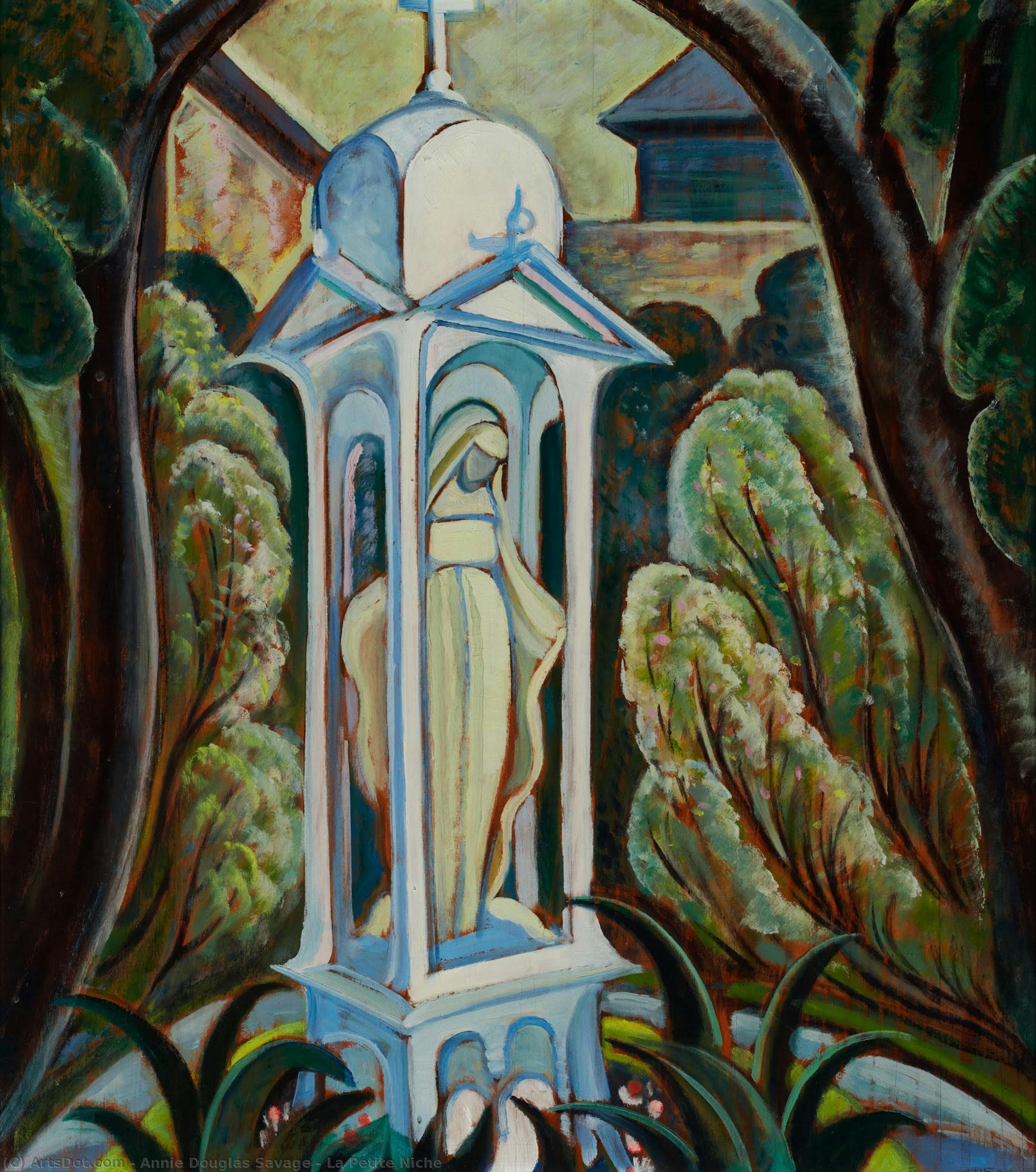
La Petite Niche
 Contemporary Realism
 1935
1935 44.0 x 39.0 cm
 The Robert McLaughlin Gallery
 Читать далее
Приобретите цифровое изображение высокого разрешения в улучшенном качестве, которое значительно превосходит онлайн-превью.
Каждый файл тщательно подготавливается нашими специалистами с использованием передовых инструментов и экспертной ручной ретуши. Мы гарантируем исключительную четкость, точную цветопередачу и детальную проработку каждого изображения.
Финальный файл доставляется по электронной почте в течение 72 часов и оптимизирован для немедленного использования в профессиональной среде, при верстке и печати. Это тот же уровень качества, которому доверяют ведущие дизайнерские студии, издательства и галереи.
Цифровое изображение
Скачайте файл высокого разрешения для личного использования, печати и творческих проектов. ( Перейти к печати Купить картину ручной работы)
Включено в каждый заказ цифровых изображений
Гарантия экспертной цифровой доставки
Выбирая ArtsDot.com, вы получаете не просто изображение — вы приобретаете профессионально обработанное цифровое произведение искусства, созданное с безупречной точностью и под защитой гарантии качества. Вот всё, что автоматически входит в ваш заказ:

Мгновенная доставка по e-mail
Ваш цифровой файл в высоком разрешении будет отправлен вам по электронной почте в течение 72 часов после оформления заказа — и сразу станет доступен для использования.

Цифровой файл с ИИ-улучшением
Ваше произведение искусства проходит профессиональную оптимизацию с использованием передовых инструментов ИИ и ручной обработки, что гарантирует максимальную детализацию, четкость и точность цветопередачи.

Бессрочная бесплатная повторная доставка
Случайно удалили или потеряли файл? Не беспокойтесь — мы отправим его вам повторно в любое время и совершенно бесплатно.

Без импортных пошлин — навсегда
Наслаждайтесь вашим произведением искусства мгновенно без таможенных пошлин, сборов или затрат на доставку — цифровые загрузки всегда не облагаются налогом.

Гарантия точности цветопередачи
Мы гарантируем, что ваше цифровое изображение максимально точно передает оригинальные цвета благодаря использованию профессиональных инструментов и систем управления цветом.

Гарантия удовлетворенности 100 дней
Если вы не будете удовлетворены своим цифровым изображением, мы внесем правки или вернем 100% стоимости в течение 100 дней — без лишних вопросов.

100% Гарантия возврата средств
Не удовлетворены покупкой? Получите полный возврат средств в течение 100 дней после получения цифрового файла — без лишних вопросов.

Скидки на оптовые заказы
Купите 3 изображения, сэкономьте 10% — Купите 5, сэкономьте 15% — Купите 10+, сэкономьте 20%. Отличное решение для творческих проектов, галерей и агентств.
Похожие произведения
Биография художника
John Everett Millais: A Pre-Raphaelite Pioneer of Light and Nature
Born in Southampton, England, on June 8th, 1829, John Everett Millais was a figure of immense importance within the vibrant artistic landscape of Victorian Britain. His life, marked by both prodigious talent and personal complexities, profoundly shaped the trajectory of the Pre-Raphaelite Brotherhood – a movement that irrevocably altered the course of English painting. From his early days as a child prodigy to his later explorations of light and color, Millais’s work embodies a unique synthesis of scientific observation, Romantic idealism, and meticulous detail.
Millais's artistic journey began remarkably early. At just eleven years old, he gained admission to the Royal Academy Schools in London – an unprecedented achievement for someone so young. This rapid ascent was fueled by his innate ability and a relentless dedication to mastering his craft. He initially trained as a printmaker, developing a keen eye for detail and an appreciation for line and texture. However, it was his encounter with William Holman Hunt and Dante Gabriel Rossetti that proved pivotal, leading him to join the nascent Pre-Raphaelite Brotherhood in 1848. This group of young artists, disillusioned with the academic conventions of the Royal Academy, sought to revive the spirit of the early Renaissance – specifically, the art of the period before Raphael – rejecting the artificiality and sentimentality that they perceived as characterizing much of contemporary painting.
The Pre-Raphaelite Brotherhood’s core principles were radical for their time. They championed truth to nature, meticulous observation, and a rejection of idealized forms in favor of realistic depictions of everyday life and mythology. Millais quickly became the group's most prominent figure, his paintings capturing both the beauty and the harsh realities of the natural world with remarkable precision. His early works, such as *Ophelia* (1849-50), a hauntingly beautiful depiction of Shakespeare’s tragic heroine drowning in a stream, immediately established him as a leading voice within the movement. The painting's incredibly detailed rendering of wildflowers and foliage, achieved through painstaking observation and countless hours spent outdoors, became emblematic of the Pre-Raphaelite style – a commitment to capturing the nuances of nature with unparalleled accuracy.
The Birth of a Master: Early Works and Artistic Development
Millais’s artistic development during this period was characterized by a constant striving for greater realism and an increasingly sophisticated understanding of light and color. *Christ in the House of His Parents* (1851-52), often referred to as “The Carpenter’s Shop,” represents a significant shift in his style. Unlike the idealized depictions of Christ prevalent at the time, Millais presented a humble, unadorned scene of Jesus as a young boy working alongside his father. The painting was initially met with considerable controversy due to its unflattering portrayal of Christ and the inclusion of seemingly mundane details – a muddy floor, a wooden bucket, and a collection of tools. However, it also demonstrated Millais’s growing mastery of light and atmosphere, capturing the warmth of the afternoon sun streaming through the windows and illuminating the textures of the wood and fabric.
Following *Christ in the House of His Parents*, Millais continued to explore themes of nature and mythology, producing a series of stunningly detailed paintings that showcased his technical skill and artistic vision. *The Proclamation* (1854-56), depicting Zephyrus and Chloe from Ovid’s *Metamorphoses*, exemplifies this period, with its vibrant colors, intricate details, and evocative portrayal of the natural world. He also turned to illustration, working for publications like *Once a Week*, which provided him with a wider audience and allowed him to experiment with different styles and techniques.
A Shift in Style: From Pre-Raphaelite Idealism to Realist Observation
By the mid-1850s, Millais began to move away from the strict tenets of the Pre-Raphaelite Brotherhood. While he retained a deep appreciation for nature and a commitment to realism, he increasingly sought to capture the fleeting effects of light and atmosphere with greater immediacy and spontaneity. This shift is evident in works such as *Autumn Leaves* (1856), which depicts a hazy autumn landscape bathed in golden light. He began to prioritize capturing the *impression* of a scene rather than meticulously rendering every detail, embracing a looser, more expressive style.
This evolution was partly influenced by his marriage to Effie Chalmers, Ruskin’s former wife, in 1857. Their relationship, marked by both love and personal turmoil, profoundly impacted Millais's artistic trajectory. Ruskin’s influence encouraged him to explore new subjects and techniques, while the challenges of their marriage contributed to a sense of restlessness and experimentation.
Later Years and Legacy
In his later years, Millais became one of the wealthiest artists in England, thanks to the commercial success of his paintings. However, he was also increasingly criticized by some former admirers, including William Morris, who viewed his shift towards realism as a betrayal of the Pre-Raphaelite ideals. Despite these criticisms, Millais continued to produce works that were both technically brilliant and emotionally resonant. His portraits, particularly those of prominent figures such as Gladstone and Tennyson, are considered masterpieces of Victorian portraiture.
John Everett Millais died in London on August 13th, 1896, at the age of 67. His legacy endures as one of the most important and influential artists of the Victorian era. His paintings continue to captivate audiences with their beauty, detail, and evocative portrayal of nature and human experience. He remains a pivotal figure in the history of English painting, forever associated with the Pre-Raphaelite Brotherhood and its revolutionary vision.

Энни Дуглас Сэвидж
1896 - 1971 , Канада