

 Предпросмотр
 Поделиться
 Поделиться
 Детали произведения

 Скачать
 Похожие работы
 Рентгенография
 Слайд-шоу
 Статистика
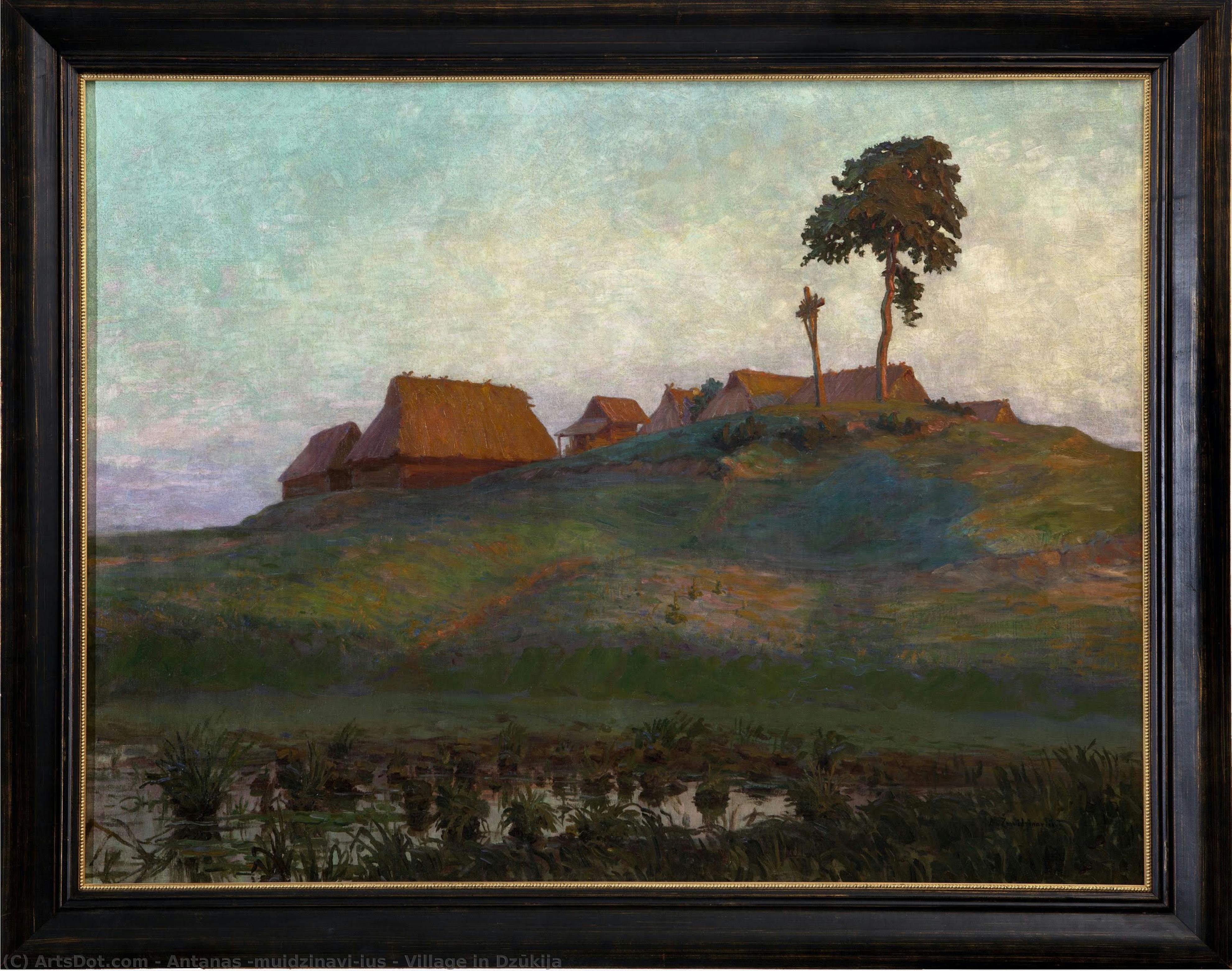
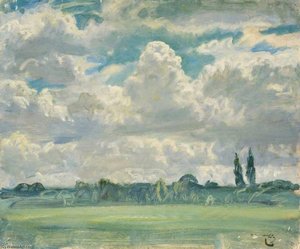
Village in Dzūkija


 Читать далее
Приобретите цифровое изображение высокого разрешения в улучшенном качестве, которое значительно превосходит онлайн-превью.
Каждый файл тщательно подготавливается нашими специалистами с использованием передовых инструментов и экспертной ручной ретуши. Мы гарантируем исключительную четкость, точную цветопередачу и детальную проработку каждого изображения.
Финальный файл доставляется по электронной почте в течение 72 часов и оптимизирован для немедленного использования в профессиональной среде, при верстке и печати. Это тот же уровень качества, которому доверяют ведущие дизайнерские студии, издательства и галереи.
Цифровое изображение
Скачайте файл высокого разрешения для личного использования, печати и творческих проектов. ( Перейти к печати Купить картину ручной работы)
Включено в каждый заказ цифровых изображений
Гарантия экспертной цифровой доставки
Выбирая ArtsDot.com, вы получаете не просто изображение — вы приобретаете профессионально обработанное цифровое произведение искусства, созданное с безупречной точностью и под защитой гарантии качества. Вот всё, что автоматически входит в ваш заказ:

Мгновенная доставка по e-mail
Ваш цифровой файл в высоком разрешении будет отправлен вам по электронной почте в течение 72 часов после оформления заказа — и сразу станет доступен для использования.

Цифровой файл с ИИ-улучшением
Ваше произведение искусства проходит профессиональную оптимизацию с использованием передовых инструментов ИИ и ручной обработки, что гарантирует максимальную детализацию, четкость и точность цветопередачи.

Бессрочная бесплатная повторная доставка
Случайно удалили или потеряли файл? Не беспокойтесь — мы отправим его вам повторно в любое время и совершенно бесплатно.

Без импортных пошлин — навсегда
Наслаждайтесь вашим произведением искусства мгновенно без таможенных пошлин, сборов или затрат на доставку — цифровые загрузки всегда не облагаются налогом.

Гарантия точности цветопередачи
Мы гарантируем, что ваше цифровое изображение максимально точно передает оригинальные цвета благодаря использованию профессиональных инструментов и систем управления цветом.

Гарантия удовлетворенности 100 дней
Если вы не будете удовлетворены своим цифровым изображением, мы внесем правки или вернем 100% стоимости в течение 100 дней — без лишних вопросов.

100% Гарантия возврата средств
Не удовлетворены покупкой? Получите полный возврат средств в течение 100 дней после получения цифрового файла — без лишних вопросов.

Скидки на оптовые заказы
Купите 3 изображения, сэкономьте 10% — Купите 5, сэкономьте 15% — Купите 10+, сэкономьте 20%. Отличное решение для творческих проектов, галерей и агентств.
Похожие произведения


Биография художника
The Lyrical Spirit of a Lithuanian Visionary
Antanas Žmuidzinavičius was far more than a mere chronicler of landscapes; he was a poet of the Lithuanian soil, a man whose brush captured the very breath of a nation finding its voice. Born in 1876 in the quiet surroundings of Seirijai, his early life was deeply rooted in the rhythms of a landscape shaped by tradition and the resilient spirit of the Lithuanian people. Growing up amidst the political tensions of Russian rule, Žmuidzinavičius developed an intimate connection to the folklore and the pastoral simplicity of his homeland—a connection that would become the emotional heartbeat of his entire oeuvre. His work does not merely depict scenery; it evokes a sense of melancholy, dignity, and enduring peace, transforming the rural countryside into a stage for profound human emotion.
His artistic journey was one of remarkable breadth, moving from the humble beginnings of a peasant family to the prestigious art academies of Europe. After honing his foundational skills at the Veiveriai Teachers' Seminary, he sought the light of the wider world, studying in Warsaw and eventually immersing himself in the vibrant, avant-garde atmosphere of Paris. It was within the halls of the Académie Colarossi and the Académie Vitti that his style began to coalesce, blending the technical rigor of classical training with the fleeting, atmospheric magic of Impressionism and the raw, emotive power of Expressionism.
A Master of Light and Atmospheric Resonance
To gaze upon a Žmuidzinavičius landscape is to experience the shifting moods of the Lithuanian countryside. His technique was characterized by a delicate touch, utilizing soft brushstrokes and a masterful command of atmospheric perspective to create depth and movement. He had an unparalleled ability to capture the way light interacts with the natural world—whether it be the golden warmth of a summer meadow or the heavy, silver mists that cling to a forest at dawn.
His most celebrated works often focus on the quiet, unadorned beauty of everyday existence. In masterpieces such as The Village of Noblemen of Dzūkija Ethnographic Area, he presents a scene of profound stillness, where thatched roofs and ancient crosses stand as silent witnesses to the passage of time. His canvases frequently feature:
- Serene Meadows: Bathed in a soft, ethereal glow that suggests a moment of eternal peace.
- Misty Woodlands: Where the boundaries between earth and sky blur, inviting contemplation.
- Lyrical Portraits: Capturing the quiet strength and weathered grace of the Lithuanian peasantry.
Through these subjects, he avoided the grandiosity often sought by his contemporaries, choosing instead to find the sacred within the mundane. His work serves as a visual symphony of consonance, where the textures of nature and the nuances of light harmonize to celebrate the quiet dignity of life.
A Guardian of National Identity and Cultural Heritage
The significance of Antanas Žmuidzinavičius extends far beyond the edges of his canvases. He was a monumental figure in the preservation and promotion of Lithuanian culture during some of the most turbulent eras of the 20th century. As an educator, collector, and organizer, he acted as a vital architect of the nation's artistic infrastructure. He was instrumental in founding the Lithuanian Art Society and the Vilnius Art Society, institutions that provided a sanctuary for artists of various nationalities to unite under a shared creative purpose.
Perhaps his most whimsical and enduring legacy is his role as a collector, which laid the groundwork for what would become the Žmuidzinavičius Museum. Known affectionately as the Devil Museum, this collection of sculptures and carvings—a passion project sparked by his fascination with folklore—remains a testament to his dedication to the eccentric and enchanting elements of Lithuanian tradition. By gathering these pieces, he ensured that the mythological and folkloric roots of his people would never be forgotten.
Ultimately, Žmuidzinavičius stands as a bridge between the old world of folk tradition and the new world of modern art. His life’s work remains a profound exploration of what it means to belong to a land, leaving behind a legacy that continues to inspire admiration for its tenderness, its technical brilliance, and its unwavering devotion to the soul of Lithuania.
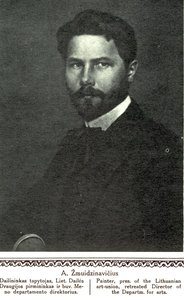
antanas žmuidzinavičius
1876 - 1966 , Lithuania
Основные сведения
- Artistic Movement Or Style: Impressionism/Expressionism
- Artists Or Movements Influenced By This Artist: ['Mikalojus Konstantinas Čiurlionis']
- Artists Who Influenced This Artist:
- Wojciech Gerson
- Hermenegildo Anglada Camarasa
- Date Of Birth: October 31, 1876
- Date Of Death: August 9, 1966
- Full Name: Antanas Žmuidzinavičius
- Nationality: Lithuanian
- Notable Artworks: ['Village in Dzūkija']
- Place Of Birth: Seirijai, Lithuania