

 Предпросмотр
 Поделиться
 Поделиться
 Детали произведения

 Скачать
 Похожие работы
 Рентгенография
 Слайд-шоу
 Статистика
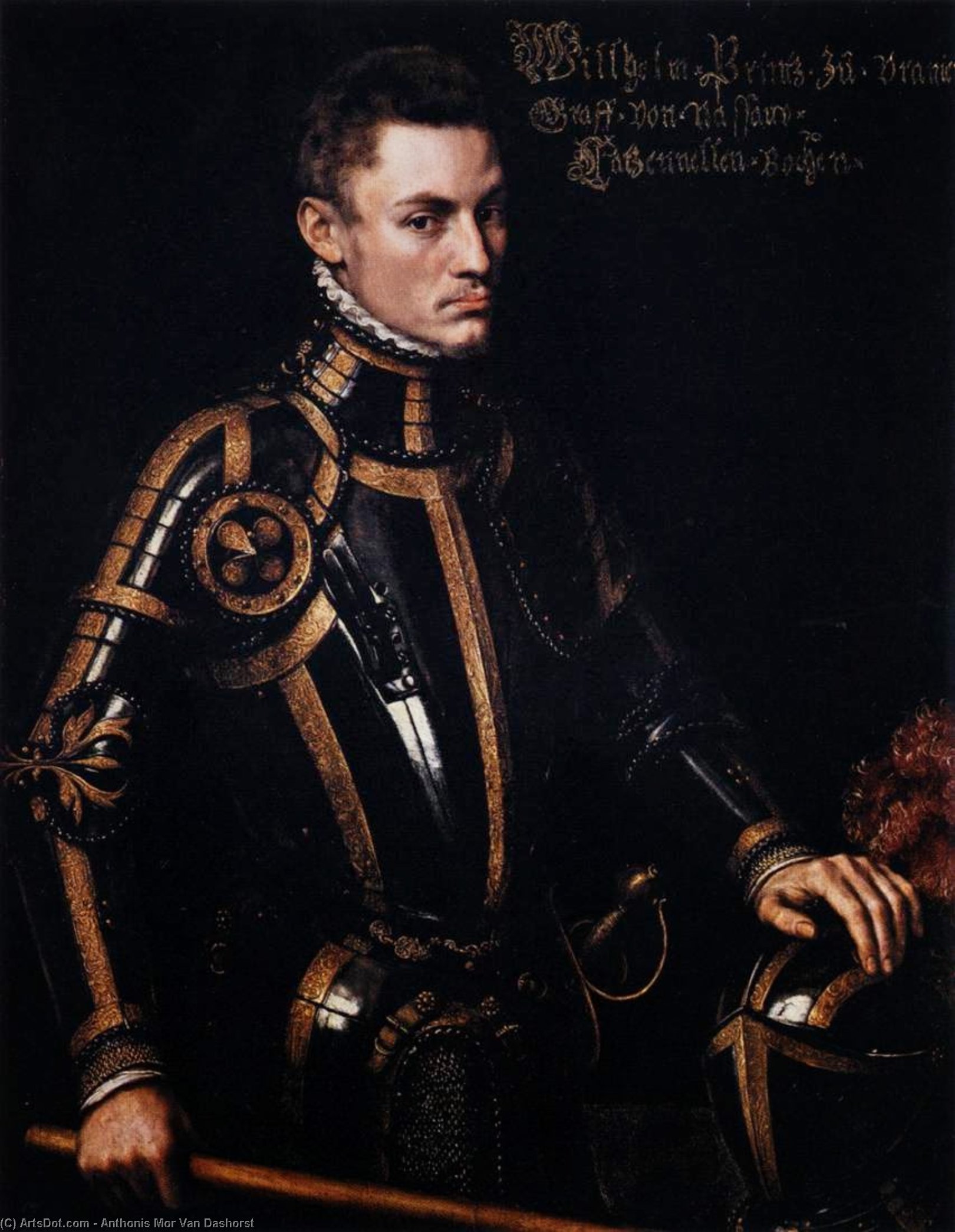
Portrait of William of Orange
 Oil On Panel
- Northern Renaissance
 1555
1555- Renaissance
 107.0 x 62.0 cm
 Государственные музеи Касселя
 Читать далее
Приобретите цифровое изображение высокого разрешения в улучшенном качестве, которое значительно превосходит онлайн-превью.
Каждый файл тщательно подготавливается нашими специалистами с использованием передовых инструментов и экспертной ручной ретуши. Мы гарантируем исключительную четкость, точную цветопередачу и детальную проработку каждого изображения.
Финальный файл доставляется по электронной почте в течение 72 часов и оптимизирован для немедленного использования в профессиональной среде, при верстке и печати. Это тот же уровень качества, которому доверяют ведущие дизайнерские студии, издательства и галереи.
Цифровое изображение
Скачайте файл высокого разрешения для личного использования, печати и творческих проектов. ( Перейти к печати Купить картину ручной работы)
Включено в каждый заказ цифровых изображений
Гарантия экспертной цифровой доставки
Выбирая ArtsDot.com, вы получаете не просто изображение — вы приобретаете профессионально обработанное цифровое произведение искусства, созданное с безупречной точностью и под защитой гарантии качества. Вот всё, что автоматически входит в ваш заказ:

Мгновенная доставка по e-mail
Ваш цифровой файл в высоком разрешении будет отправлен вам по электронной почте в течение 72 часов после оформления заказа — и сразу станет доступен для использования.

Цифровой файл с ИИ-улучшением
Ваше произведение искусства проходит профессиональную оптимизацию с использованием передовых инструментов ИИ и ручной обработки, что гарантирует максимальную детализацию, четкость и точность цветопередачи.

Бессрочная бесплатная повторная доставка
Случайно удалили или потеряли файл? Не беспокойтесь — мы отправим его вам повторно в любое время и совершенно бесплатно.

Без импортных пошлин — навсегда
Наслаждайтесь вашим произведением искусства мгновенно без таможенных пошлин, сборов или затрат на доставку — цифровые загрузки всегда не облагаются налогом.

Гарантия точности цветопередачи
Мы гарантируем, что ваше цифровое изображение максимально точно передает оригинальные цвета благодаря использованию профессиональных инструментов и систем управления цветом.

Гарантия удовлетворенности 100 дней
Если вы не будете удовлетворены своим цифровым изображением, мы внесем правки или вернем 100% стоимости в течение 100 дней — без лишних вопросов.

100% Гарантия возврата средств
Не удовлетворены покупкой? Получите полный возврат средств в течение 100 дней после получения цифрового файла — без лишних вопросов.

Скидки на оптовые заказы
Купите 3 изображения, сэкономьте 10% — Купите 5, сэкономьте 15% — Купите 10+, сэкономьте 20%. Отличное решение для творческих проектов, галерей и агентств.
The Aura of Authority: A Northern Renaissance Study
To stand before this portrait of William of Orange is to encounter not merely a likeness, but an embodiment of nascent authority. Rendered in the meticulous vein of the Northern Renaissance, the work captures the sitter in a moment of profound stillness, yet one charged with palpable resolve. The composition immediately draws the eye into the three-quarter view, presenting a figure encased in elaborate armor against a background so deep it verges on absolute shadow. This dramatic contrast—the luminous subject emerging from the void—is a hallmark of period portraiture, suggesting that the man himself is illuminated by destiny or divine right. The overall impression is one of stately dignity; every fold of fabric and every polished rivet seems to whisper tales of duty and leadership.
Mastery in Metal and Flesh: Technique and Detail
The technical brilliance evident here speaks to the virtuosity of Anthonis Mor van Dashorst. One can almost feel the cool weight of the metal armor through the paint. The artist has achieved a remarkable verisimilitude, differentiating sharply between textures: the hard, reflective gleam of polished steel contrasting with the soft, yielding planes of skin and the subtle nap of rich fabric. The lighting is nothing short of theatrical; a strong, directional source bathes William in highlights that catch on the armor’s edges, simultaneously carving out deep, dramatic shadows. This masterful use of chiaroscuro gives the figure an almost sculptural three-dimensionality, pulling the viewer into the shallow but intensely focused space of the painting.
Symbolism Woven into the Garb
The subject matter transcends a simple portrait; it is a statement of status and martial readiness. The armor itself functions as potent symbolism—it speaks not just of protection, but of commitment to a cause, suggesting military strength interwoven with noble lineage. While the specific heraldry may require closer study, the very act of presenting such formal regalia elevates the sitter beyond the everyday gentleman. Mor van Dashorst masterfully uses these symbolic elements to convey an emotional weight: a sense of profound responsibility coupled with unwavering resolve. It is a portrait designed to inspire awe and respect.
A Timeless Presence for Modern Spaces
For the collector or designer seeking art that anchors a room with historical gravitas, this piece offers unparalleled depth. The rich palette—dominated by warm golds, deep browns, and creamy highlights set against an inky backdrop—is inherently luxurious and sophisticated. Reproducing such a work allows one to bring the intellectual rigor and emotional resonance of 16th-century Dutch portraiture into contemporary living or professional settings. It serves as more than decoration; it acts as a conversation piece, inviting contemplation on history, power, and enduring character.
Похожие произведения
Биография художника
Anthonis Mor van Dashorst: The Painter of Regal Dignity
Anthonis Mor van Dashorst (1517-1577) stands as a cornerstone of Dutch Renaissance portraiture, embodying the meticulous realism and symbolic depth characteristic of his era. Born in Utrecht, Netherlands, he emerged from a family steeped in artistic tradition – his father was a sculptor, establishing a lineage dedicated to visual representation. While biographical details remain somewhat sparse, Mor’s prolific output speaks volumes about his talent and unwavering commitment to capturing the essence of his subjects. He quickly gained renown for his ability to portray nobility with unparalleled accuracy, securing commissions from influential figures across Europe.- Early Life & Training: Little is known definitively about Mor's formative years beyond his Utrecht upbringing. However, he studied under Pieter Bruegel the Elder in Antwerp, absorbing Bruegel’s masterful observation of human nature and landscape—influences that would permeate Mor’s own artistic vision.
- Antwerp Period & Artistic Development: Mor’s time in Antwerp proved pivotal for his artistic maturation. He honed his skills alongside fellow artists like Quentin Massys and Hendrik Golse, immersing himself in the vibrant artistic milieu of the Flemish Republic. This exposure fostered a sophisticated understanding of perspective and chiaroscuro—techniques he skillfully employed to illuminate his portraits with dramatic light and shadow.
The Reign of Mary Tudor: A Masterpiece of Northern Renaissance Portraiture
Mor’s fame ascended dramatically upon completing his portrait of Mary Tudor, Queen of England (1554). This monumental canvas exemplifies the pinnacle of Mor’s artistic prowess. Executed with painstaking detail, it captures Mary's regal bearing and inner composure—a testament to Mor’s ability to convey psychological nuance alongside physical likeness. The composition is meticulously balanced, utilizing pyramidal structure and subtle drapery folds to emphasize Mary’s stature and dignity. Furthermore, the use of chiaroscuro creates a captivating interplay of light and dark, highlighting Mary's face and conveying an aura of solemn grandeur. This portrait cemented Mor’s reputation as one of the foremost portraitists of his time and remains a celebrated exemplar of Northern Renaissance art.- Royal Patronage & Artistic Recognition: Mor benefited greatly from royal patronage, securing commissions from monarchs across Europe—including Philip II of Spain. These engagements allowed him to explore ambitious projects and refine his artistic style, furthering his legacy as a court artist.
- Notable Commissions & Artistic Style: Beyond Mary Tudor’s portrait, Mor undertook numerous commissions depicting prominent statesmen, diplomats, and aristocrats. His distinctive artistic style—characterized by meticulous realism, masterful perspective, and expressive chiaroscuro—became instantly recognizable. He consistently prioritized conveying not merely physical appearance but also character and emotion, elevating his portraits beyond mere likenesses into profound statements about human dignity.
Influence & Legacy
Mor’s influence extended far beyond his immediate contemporaries. His meticulous approach to portraiture established a precedent for subsequent generations of artists—inspiring them to strive for greater accuracy and psychological insight. He championed the humanist ideals prevalent during the Renaissance, reflecting an unwavering belief in the power of art to illuminate human experience. Today, Mor van Dashorst’s paintings continue to captivate audiences worldwide, serving as enduring reminders of the artistic brilliance achieved during the Dutch Golden Age—a period defined by innovation, ambition, and a profound appreciation for beauty.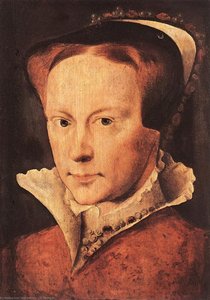
anthonis mor van dashorst
1517 - 1577 , Netherlands
Основные сведения
- Artistic Movement Or Style: Renaissance Portraiture
- Artists Or Movements Influenced By This Artist: ['Baroque']
- Artists Who Influenced This Artist:
- Jan van Eyck
- Rogier van der Weyden
- Date Of Birth: 1517 Utrecht, Netherlands
- Date Of Death: 1577
- Full Name: Anthonis Mor van Dashorst
- Nationality: Dutch
- Notable Artworks:
- Cardinal Granvelle's Dwarf
- Queen Mary Tudor of England
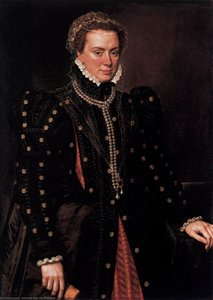
- Margaret, Duchess of Parma
- Place Of Birth: Utrecht