

 Предпросмотр
 Поделиться
 Поделиться
 Детали произведения

 Скачать
 Похожие работы
 Рентгенография
 Слайд-шоу
 Статистика
Fruit and Flowers in a Willow Basket


 Читать далее
Приобретите цифровое изображение высокого разрешения в улучшенном качестве, которое значительно превосходит онлайн-превью.
Каждый файл тщательно подготавливается нашими специалистами с использованием передовых инструментов и экспертной ручной ретуши. Мы гарантируем исключительную четкость, точную цветопередачу и детальную проработку каждого изображения.
Финальный файл доставляется по электронной почте в течение 72 часов и оптимизирован для немедленного использования в профессиональной среде, при верстке и печати. Это тот же уровень качества, которому доверяют ведущие дизайнерские студии, издательства и галереи.
Цифровое изображение
Скачайте файл высокого разрешения для личного использования, печати и творческих проектов. ( Перейти к печати Купить картину ручной работы)
Включено в каждый заказ цифровых изображений
Гарантия экспертной цифровой доставки
Выбирая ArtsDot.com, вы получаете не просто изображение — вы приобретаете профессионально обработанное цифровое произведение искусства, созданное с безупречной точностью и под защитой гарантии качества. Вот всё, что автоматически входит в ваш заказ:

Мгновенная доставка по e-mail
Ваш цифровой файл в высоком разрешении будет отправлен вам по электронной почте в течение 72 часов после оформления заказа — и сразу станет доступен для использования.

Цифровой файл с ИИ-улучшением
Ваше произведение искусства проходит профессиональную оптимизацию с использованием передовых инструментов ИИ и ручной обработки, что гарантирует максимальную детализацию, четкость и точность цветопередачи.

Бессрочная бесплатная повторная доставка
Случайно удалили или потеряли файл? Не беспокойтесь — мы отправим его вам повторно в любое время и совершенно бесплатно.

Без импортных пошлин — навсегда
Наслаждайтесь вашим произведением искусства мгновенно без таможенных пошлин, сборов или затрат на доставку — цифровые загрузки всегда не облагаются налогом.

Гарантия точности цветопередачи
Мы гарантируем, что ваше цифровое изображение максимально точно передает оригинальные цвета благодаря использованию профессиональных инструментов и систем управления цветом.

Гарантия удовлетворенности 100 дней
Если вы не будете удовлетворены своим цифровым изображением, мы внесем правки или вернем 100% стоимости в течение 100 дней — без лишних вопросов.

100% Гарантия возврата средств
Не удовлетворены покупкой? Получите полный возврат средств в течение 100 дней после получения цифрового файла — без лишних вопросов.

Скидки на оптовые заказы
Купите 3 изображения, сэкономьте 10% — Купите 5, сэкономьте 15% — Купите 10+, сэкономьте 20%. Отличное решение для творческих проектов, галерей и агентств.
Antoine Berjon’s ‘Fruit and Flowers in a Willow Basket’: A Window into Lyon’s Artistic Revival
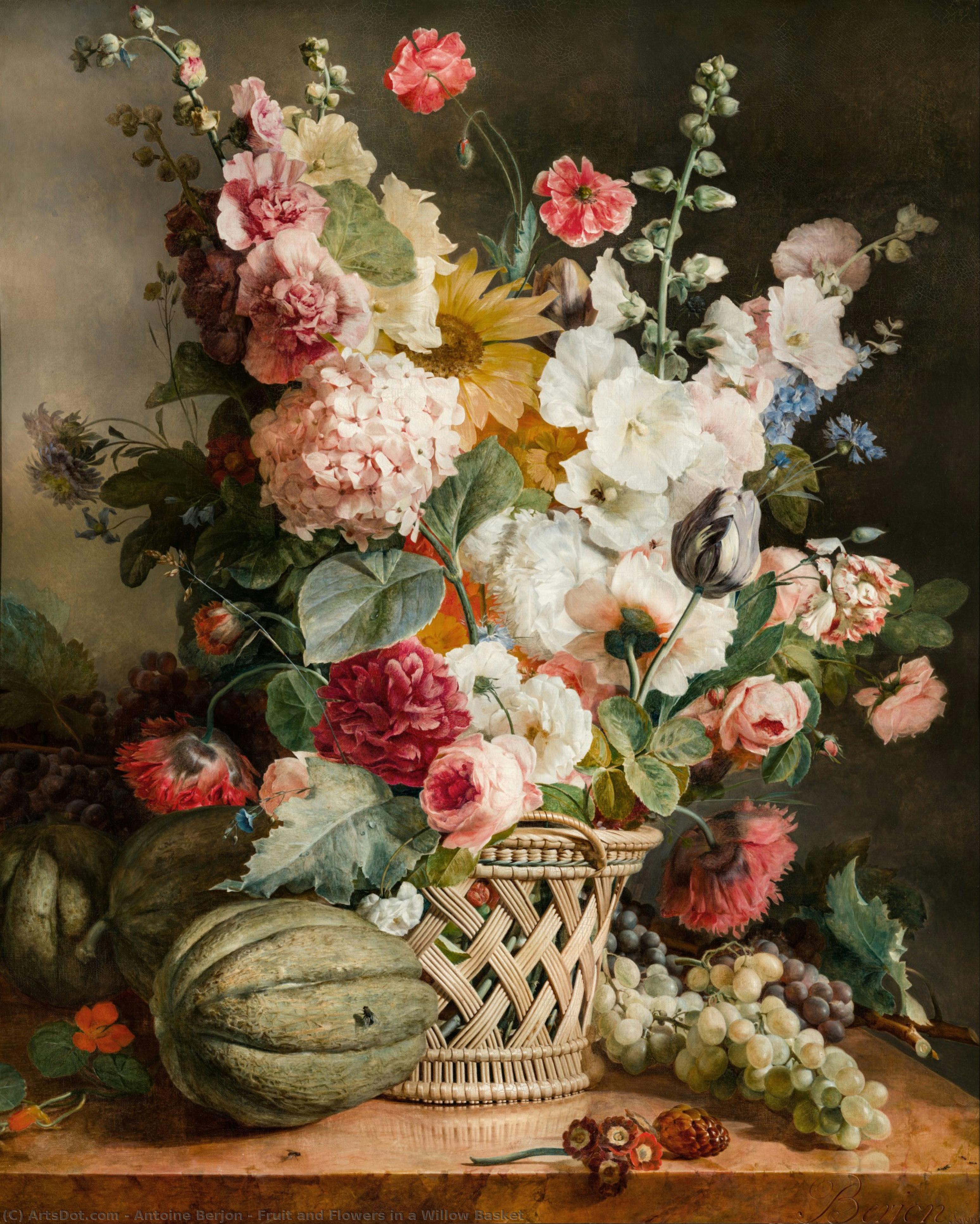
“Fruit and Flowers in a Willow Basket,” painted by Antoine Berjon in 1810, is more than just a still life; it's a tangible artifact of a pivotal moment in French art history. Executed during the final months of his Parisian sojourn, this monumental work reflects the burgeoning efforts to revitalize artistic production within Lyon, a city grappling with economic challenges and seeking to reclaim its legacy as a center for design and luxury goods. Berjon’s painting directly responds to the influence of Dutch and Flemish masters who had pioneered the art of still life in the 17th century, yet he pushes beyond mere imitation, striving for an unprecedented level of realism – evidenced by the meticulously rendered fly resting upon the melon.
A Masterclass in Illusionistic Still Life
- Technical Virtuosity: Berjon’s skill lies in his ability to create a convincing illusion of three-dimensional space. The fruits and flowers are depicted at life-size, exceeding the scale often favored by northern European artists.
- Detailed Observation: Each element – from the plump grapes cascading across the table to the delicate petals of the tulips and poppies – is rendered with painstaking precision, showcasing a deep understanding of botanical form.
- Color Palette & Light: The artist skillfully employs a rich color palette, capturing the vibrancy of the natural world while manipulating light to create depth and volume. Notice how the highlights accentuate the textures of the fruit and foliage.
Symbolism and Context within Lyon’s Artistic Renaissance
The painting's creation coincided with a deliberate strategy by the city of Lyon to foster artistic talent. Following the Napoleonic Wars, Lyon—renowned for its silk industry—was seeking to rebuild its economy and prestige. The School of Fine Arts was established as a means of training designers and artisans, providing models for their work. Berjon’s recruitment to teach flower painting underscores this initiative, highlighting the importance placed on artistic skill within the city's economic revival plans. The inclusion of such seemingly simple subjects – fruit and flowers – held symbolic weight, representing abundance, fertility, and the beauty of nature—themes central to Lyon’s cultural identity.
A Window onto 19th-Century Taste
“Fruit and Flowers in a Willow Basket” offers a fascinating glimpse into the aesthetic sensibilities of early 19th-century France. The composition, brimming with carefully arranged flora and fauna, reflects the prevailing taste for opulent still lifes that celebrated nature’s bounty. The inclusion of a fly, while seemingly an anomaly, adds a layer of realism and subtly reminds the viewer of the transient nature of beauty – a common theme in art of this period. This painting was exhibited at the 1810 Salon, marking Berjon's arrival as a significant figure in the Lyon artistic scene.
Reproductions & Collecting
ArtsDot offers meticulously crafted hand-painted reproductions of Antoine Berjon’s “Fruit and Flowers in a Willow Basket,” allowing you to bring this remarkable work into your own space. Our skilled artisans employ traditional techniques, faithfully recreating the painting's intricate details and vibrant colors. Whether for a grand salon or a smaller study, this reproduction offers an unparalleled opportunity to appreciate the artistry of Berjon and experience the beauty of this iconic still life.
Похожие произведения
Биография художника
Gainsborough Dupont: A Legacy of Landscape and Light
Gainsborough Dupont (1754-1797) stands as a quietly significant figure in British art, often overshadowed by the brilliance of his uncle, Thomas Gainsborough. Born on December 20th, 1754, in Sudbury, Suffolk, Dupont’s artistic journey was inextricably linked to that of his renowned relative – initially as a devoted pupil and later as a skilled interpreter of Gainsborough's style. His life, though tragically brief, produced a body of work characterized by a serene elegance, particularly evident in his meticulously rendered landscapes and captivating depictions of rural life. Dupont’s contribution lies not in revolutionary innovation but in the faithful preservation and subtle enhancement of Gainsborough’s established aesthetic, creating works that possess a quiet beauty and an intimate understanding of light and atmosphere.Early Life and Artistic Training
Dupont's early years were shaped by his family’s connection to the art world. His father, a doctor, fostered an appreciation for observation and detail – qualities crucial to his future artistic endeavors. Crucially, Dupont received formal training from his uncle, Thomas Gainsborough, at the Gainsborough Academy in Derby. This apprenticeship was far more than mere instruction; it was an immersion into the artist’s philosophy, techniques, and approach to capturing the essence of the English countryside. Gainsborough recognized Dupont's talent early on, encouraging him to develop a distinct style while remaining true to his uncle’s legacy. Beyond his direct mentorship, Dupont also studied at the Academy of Arts in London, broadening his exposure to artistic principles and refining his skills. This foundation proved invaluable as he began to establish himself as an independent artist.The Art of Imitation and Interpretation
Dupont’s primary contribution to the art world lies in his masterful imitation and interpretation of Gainsborough's style. He didn’t attempt radical departures but instead meticulously replicated his uncle’s techniques – particularly his use of light, color, and atmospheric perspective. His most prolific output involved creating mezzotints (a printing process that allowed for detailed tonal variations) from Gainsborough’s original paintings. These copies weren't mere reproductions; Dupont subtly adjusted the compositions, adding details and refining the lighting to create works that possessed a unique character while retaining the spirit of the originals. Furthermore, he completed several unfinished landscapes left by Gainsborough at his death, skillfully bringing these pieces to completion with remarkable fidelity. This dedication to preserving and expanding upon his uncle’s oeuvre cemented Dupont's place as a vital link in the Gainsborough lineage.Notable Works and Subjects
Dupont’s artistic output primarily focused on landscapes and genre scenes depicting rural life. He frequently portrayed idyllic countryside settings, capturing the beauty of rolling hills, meandering streams, and charming farmhouses. His paintings are characterized by a remarkable sense of tranquility and an appreciation for the subtle nuances of nature. He is particularly known for his depictions of riders and packhorses traversing the English landscape – scenes imbued with a feeling of quiet exploration and connection to the land. A significant portion of his work can be found within the Garrick Club in London, showcasing portraits of actors and theatrical figures, reflecting a popular artistic trend of the time. While not as widely celebrated as Gainsborough himself, Dupont’s landscapes are considered amongst his finest achievements, demonstrating a refined understanding of composition, color, and light.Legacy and Historical Significance
Gainsborough Dupont's legacy is inextricably linked to that of his uncle. He served as a crucial custodian of Gainsborough’s artistic vision, ensuring the continued appreciation and study of his work. While he may not have been a groundbreaking innovator, Dupont’s meticulous craftsmanship and unwavering dedication to replicating Gainsborough’s style have secured his place in British art history. His works offer a valuable insight into the artistic practices of the late 18th and early 19th centuries, demonstrating the importance of observation, technical skill, and a deep understanding of the subject matter. Dupont's contribution lies not in creating entirely new styles but in preserving and refining an established one, ultimately enriching the landscape of British art for generations to come. His work stands as a testament to the power of apprenticeship, dedication, and the enduring appeal of capturing the beauty of the English countryside.
antoine berjon
1754 - 1843