

 Предпросмотр
 Поделиться
 Поделиться
 Детали произведения

 Скачать
 Похожие работы
 Рентгенография
 Слайд-шоу
 Статистика
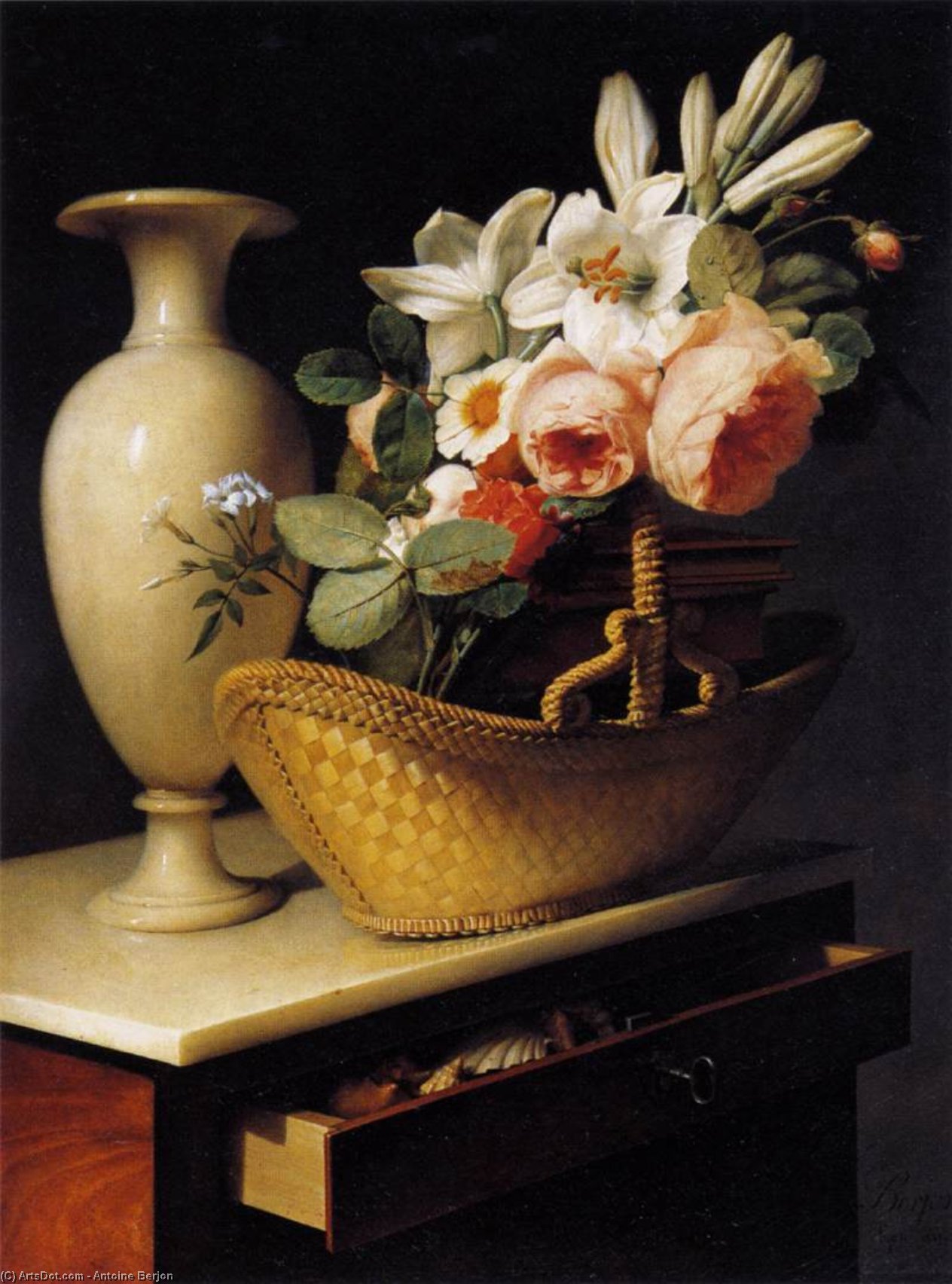
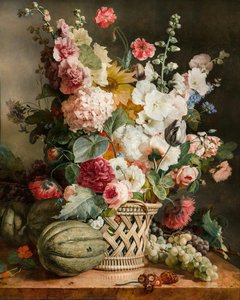
Still-Life with a Basket of Flowers
 Acrylic On Canvas
- WallArt
- Romantic Landscape
 1814
1814 66.0 x 50.0 cm
 Лувр
Лувр
 Читать далее
Приобретите цифровое изображение высокого разрешения в улучшенном качестве, которое значительно превосходит онлайн-превью.
Каждый файл тщательно подготавливается нашими специалистами с использованием передовых инструментов и экспертной ручной ретуши. Мы гарантируем исключительную четкость, точную цветопередачу и детальную проработку каждого изображения.
Финальный файл доставляется по электронной почте в течение 72 часов и оптимизирован для немедленного использования в профессиональной среде, при верстке и печати. Это тот же уровень качества, которому доверяют ведущие дизайнерские студии, издательства и галереи.
Цифровое изображение
Скачайте файл высокого разрешения для личного использования, печати и творческих проектов. ( Перейти к печати Купить картину ручной работы)
Включено в каждый заказ цифровых изображений
Гарантия экспертной цифровой доставки
Выбирая ArtsDot.com, вы получаете не просто изображение — вы приобретаете профессионально обработанное цифровое произведение искусства, созданное с безупречной точностью и под защитой гарантии качества. Вот всё, что автоматически входит в ваш заказ:

Мгновенная доставка по e-mail
Ваш цифровой файл в высоком разрешении будет отправлен вам по электронной почте в течение 72 часов после оформления заказа — и сразу станет доступен для использования.

Цифровой файл с ИИ-улучшением
Ваше произведение искусства проходит профессиональную оптимизацию с использованием передовых инструментов ИИ и ручной обработки, что гарантирует максимальную детализацию, четкость и точность цветопередачи.

Бессрочная бесплатная повторная доставка
Случайно удалили или потеряли файл? Не беспокойтесь — мы отправим его вам повторно в любое время и совершенно бесплатно.

Без импортных пошлин — навсегда
Наслаждайтесь вашим произведением искусства мгновенно без таможенных пошлин, сборов или затрат на доставку — цифровые загрузки всегда не облагаются налогом.

Гарантия точности цветопередачи
Мы гарантируем, что ваше цифровое изображение максимально точно передает оригинальные цвета благодаря использованию профессиональных инструментов и систем управления цветом.

Гарантия удовлетворенности 100 дней
Если вы не будете удовлетворены своим цифровым изображением, мы внесем правки или вернем 100% стоимости в течение 100 дней — без лишних вопросов.

100% Гарантия возврата средств
Не удовлетворены покупкой? Получите полный возврат средств в течение 100 дней после получения цифрового файла — без лишних вопросов.

Скидки на оптовые заказы
Купите 3 изображения, сэкономьте 10% — Купите 5, сэкономьте 15% — Купите 10+, сэкономьте 20%. Отличное решение для творческих проектов, галерей и агентств.
Still-Life with a Basket of Flowers by BERJON, Antoine
Antoine Berjon’s “Still-Life with a Basket of Flowers,” painted in 1814, stands as a testament to the enduring influence of Thomas Gainsborough's landscape aesthetic within British Romanticism. More than just a depiction of botanical beauty, this artwork embodies a profound meditation on light, texture, and the quiet contemplation inherent in observing nature’s subtleties—qualities that firmly cemented Gainsborough’s legacy as one of Britain’s foremost painters. Subject Matter and Composition The painting captures an exquisitely rendered tableau: a wicker basket overflowing with blossoms – predominantly pink roses interspersed with delicate white blooms – rests upon a simple wooden table. Adjacent to the basket sits a vase holding additional flowers, creating a harmonious balance between form and color. The inclusion of two figures in the background—one positioned on the left and another on the right—adds depth and dimension to the scene, subtly suggesting an observer’s presence within this idyllic setting. This deliberate arrangement prioritizes visual serenity and invites viewers into a moment of tranquil observation. Style and Technique Berjon skillfully adheres to Gainsborough's signature style, characterized by soft brushstrokes and luminous tonal gradations that prioritize atmospheric perspective. The artist employs glazing techniques—applying thin layers of translucent paint over underlying colors—to achieve remarkable realism in capturing the textures of petals, stems, and wicker weave. Light plays a crucial role, bathing the composition in diffused illumination that softens contours and enhances the overall sense of tranquility. Berjon’s meticulous attention to detail reflects Gainsborough's unwavering commitment to portraying the natural world with unparalleled accuracy and emotional resonance. Historical Context Painted during the Romantic era (roughly 1800-1850), “Still-Life with a Basket of Flowers” aligns perfectly with the movement’s fascination for idealized landscapes and its exploration of human emotion in relation to nature. Gainsborough himself championed this approach, believing that art should inspire contemplation and elevate the spirit—principles powerfully conveyed in Berjon's work. The painting speaks to the Romantic preoccupation with capturing fleeting moments of beauty and conveying feelings of peace and contentment, mirroring broader cultural trends of the time. Symbolism and Emotional Impact The basket of flowers itself carries symbolic weight, representing fertility, purity, and remembrance—themes frequently explored in Romantic art. Roses, particularly pink roses, are traditionally associated with love and gratitude, adding another layer of emotional significance to the composition. Berjon’s masterful execution evokes a palpable sense of stillness and serenity, inviting viewers to pause and appreciate the beauty of the natural world. The painting's understated elegance transcends mere visual representation; it communicates an intangible feeling—a quiet communion with nature that resonates deeply within the human spirit. Conclusion “Still-Life with a Basket of Flowers” is more than just a beautiful image; it’s a conduit to Gainsborough’s artistic vision and embodies the core tenets of Romantic idealism. Berjon's faithful interpretation ensures that this timeless masterpiece continues to inspire admiration for its technical brilliance and profound emotional depth—a legacy worthy of celebration within the annals of British art history.Похожие произведения
Биография художника
Gainsborough Dupont: A Legacy of Landscape and Light
Gainsborough Dupont (1754-1797) stands as a quietly significant figure in British art, often overshadowed by the brilliance of his uncle, Thomas Gainsborough. Born on December 20th, 1754, in Sudbury, Suffolk, Dupont’s artistic journey was inextricably linked to that of his renowned relative – initially as a devoted pupil and later as a skilled interpreter of Gainsborough's style. His life, though tragically brief, produced a body of work characterized by a serene elegance, particularly evident in his meticulously rendered landscapes and captivating depictions of rural life. Dupont’s contribution lies not in revolutionary innovation but in the faithful preservation and subtle enhancement of Gainsborough’s established aesthetic, creating works that possess a quiet beauty and an intimate understanding of light and atmosphere.Early Life and Artistic Training
Dupont's early years were shaped by his family’s connection to the art world. His father, a doctor, fostered an appreciation for observation and detail – qualities crucial to his future artistic endeavors. Crucially, Dupont received formal training from his uncle, Thomas Gainsborough, at the Gainsborough Academy in Derby. This apprenticeship was far more than mere instruction; it was an immersion into the artist’s philosophy, techniques, and approach to capturing the essence of the English countryside. Gainsborough recognized Dupont's talent early on, encouraging him to develop a distinct style while remaining true to his uncle’s legacy. Beyond his direct mentorship, Dupont also studied at the Academy of Arts in London, broadening his exposure to artistic principles and refining his skills. This foundation proved invaluable as he began to establish himself as an independent artist.The Art of Imitation and Interpretation
Dupont’s primary contribution to the art world lies in his masterful imitation and interpretation of Gainsborough's style. He didn’t attempt radical departures but instead meticulously replicated his uncle’s techniques – particularly his use of light, color, and atmospheric perspective. His most prolific output involved creating mezzotints (a printing process that allowed for detailed tonal variations) from Gainsborough’s original paintings. These copies weren't mere reproductions; Dupont subtly adjusted the compositions, adding details and refining the lighting to create works that possessed a unique character while retaining the spirit of the originals. Furthermore, he completed several unfinished landscapes left by Gainsborough at his death, skillfully bringing these pieces to completion with remarkable fidelity. This dedication to preserving and expanding upon his uncle’s oeuvre cemented Dupont's place as a vital link in the Gainsborough lineage.Notable Works and Subjects
Dupont’s artistic output primarily focused on landscapes and genre scenes depicting rural life. He frequently portrayed idyllic countryside settings, capturing the beauty of rolling hills, meandering streams, and charming farmhouses. His paintings are characterized by a remarkable sense of tranquility and an appreciation for the subtle nuances of nature. He is particularly known for his depictions of riders and packhorses traversing the English landscape – scenes imbued with a feeling of quiet exploration and connection to the land. A significant portion of his work can be found within the Garrick Club in London, showcasing portraits of actors and theatrical figures, reflecting a popular artistic trend of the time. While not as widely celebrated as Gainsborough himself, Dupont’s landscapes are considered amongst his finest achievements, demonstrating a refined understanding of composition, color, and light.Legacy and Historical Significance
Gainsborough Dupont's legacy is inextricably linked to that of his uncle. He served as a crucial custodian of Gainsborough’s artistic vision, ensuring the continued appreciation and study of his work. While he may not have been a groundbreaking innovator, Dupont’s meticulous craftsmanship and unwavering dedication to replicating Gainsborough’s style have secured his place in British art history. His works offer a valuable insight into the artistic practices of the late 18th and early 19th centuries, demonstrating the importance of observation, technical skill, and a deep understanding of the subject matter. Dupont's contribution lies not in creating entirely new styles but in preserving and refining an established one, ultimately enriching the landscape of British art for generations to come. His work stands as a testament to the power of apprenticeship, dedication, and the enduring appeal of capturing the beauty of the English countryside.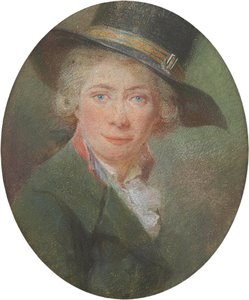
antoine berjon
1754 - 1843