

 Предпросмотр
 Поделиться
 Поделиться
 Детали произведения

 Скачать
 Похожие работы
 Рентгенография
 Слайд-шоу
 Статистика
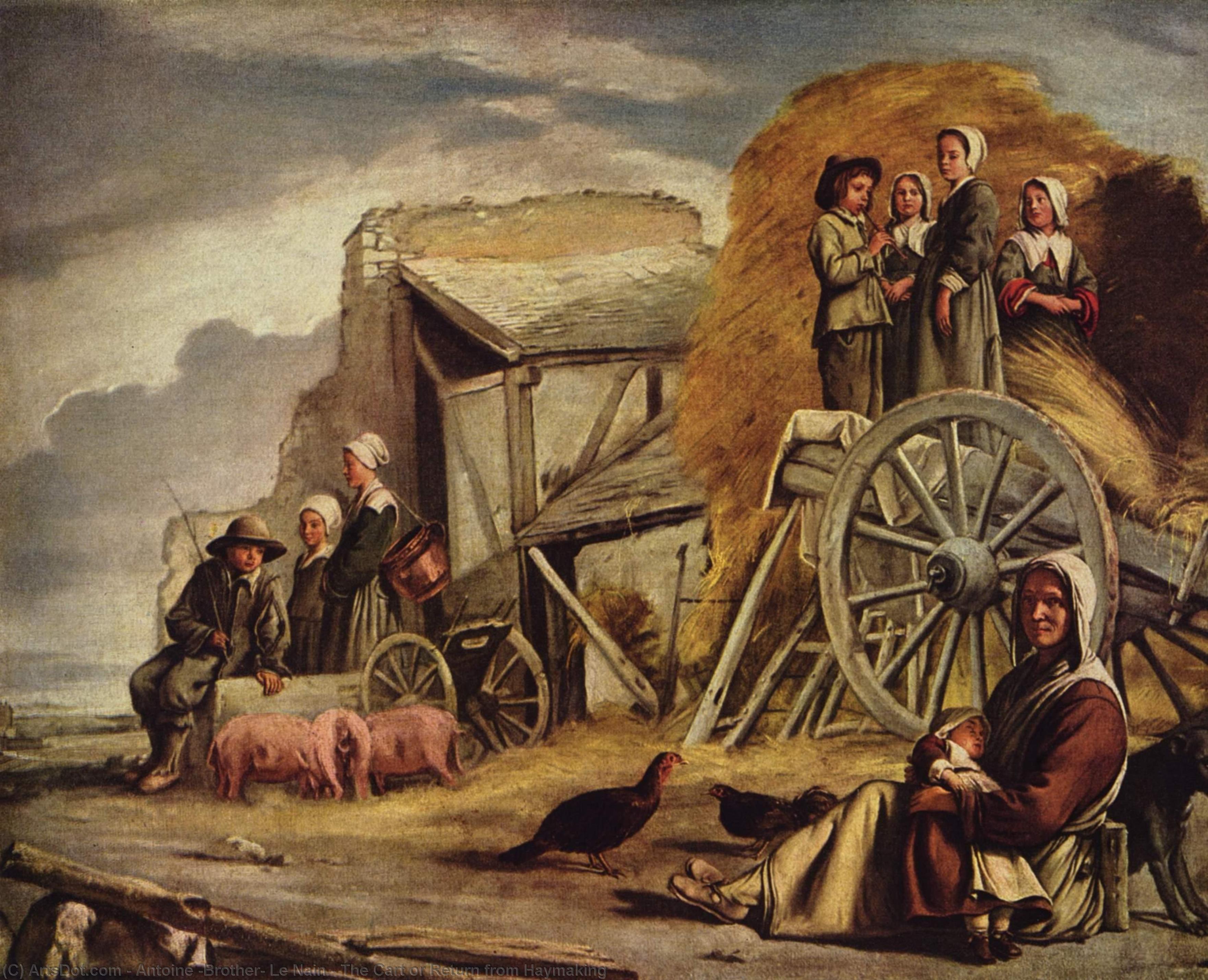
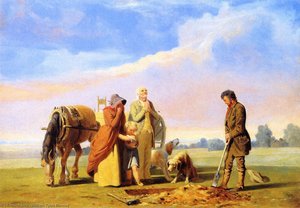
The Cart or Return from Haymaking
 Oil On Canvas
- WallArt
- Baroque
 1641
1641- Early Modern
 56.0 x 72.0 cm
 Лувр
Лувр
 Читать далее
Приобретите цифровое изображение высокого разрешения в улучшенном качестве, которое значительно превосходит онлайн-превью.
Каждый файл тщательно подготавливается нашими специалистами с использованием передовых инструментов и экспертной ручной ретуши. Мы гарантируем исключительную четкость, точную цветопередачу и детальную проработку каждого изображения.
Финальный файл доставляется по электронной почте в течение 72 часов и оптимизирован для немедленного использования в профессиональной среде, при верстке и печати. Это тот же уровень качества, которому доверяют ведущие дизайнерские студии, издательства и галереи.
Цифровое изображение
Скачайте файл высокого разрешения для личного использования, печати и творческих проектов. ( Перейти к печати Купить картину ручной работы)
Включено в каждый заказ цифровых изображений
Гарантия экспертной цифровой доставки
Выбирая ArtsDot.com, вы получаете не просто изображение — вы приобретаете профессионально обработанное цифровое произведение искусства, созданное с безупречной точностью и под защитой гарантии качества. Вот всё, что автоматически входит в ваш заказ:

Мгновенная доставка по e-mail
Ваш цифровой файл в высоком разрешении будет отправлен вам по электронной почте в течение 72 часов после оформления заказа — и сразу станет доступен для использования.

Цифровой файл с ИИ-улучшением
Ваше произведение искусства проходит профессиональную оптимизацию с использованием передовых инструментов ИИ и ручной обработки, что гарантирует максимальную детализацию, четкость и точность цветопередачи.

Бессрочная бесплатная повторная доставка
Случайно удалили или потеряли файл? Не беспокойтесь — мы отправим его вам повторно в любое время и совершенно бесплатно.

Без импортных пошлин — навсегда
Наслаждайтесь вашим произведением искусства мгновенно без таможенных пошлин, сборов или затрат на доставку — цифровые загрузки всегда не облагаются налогом.

Гарантия точности цветопередачи
Мы гарантируем, что ваше цифровое изображение максимально точно передает оригинальные цвета благодаря использованию профессиональных инструментов и систем управления цветом.

Гарантия удовлетворенности 100 дней
Если вы не будете удовлетворены своим цифровым изображением, мы внесем правки или вернем 100% стоимости в течение 100 дней — без лишних вопросов.

100% Гарантия возврата средств
Не удовлетворены покупкой? Получите полный возврат средств в течение 100 дней после получения цифрового файла — без лишних вопросов.

Скидки на оптовые заказы
Купите 3 изображения, сэкономьте 10% — Купите 5, сэкономьте 15% — Купите 10+, сэкономьте 20%. Отличное решение для творческих проектов, галерей и агентств.
A Moment Captured in Rustic Grace
To gaze upon this scene is to be gently ushered back to a time of simple rhythms and profound community. The Cart or Return from Haymaking by Antoine Le Nain transports us into the heart of rural life, not with dramatic flourish, but with an intimate, almost quiet dignity. The composition centers around a sturdy wagon laden with hay, serving as both a physical anchor and a gathering point for its inhabitants. Here, amidst the earthy tones and the palpable sense of labor concluded, we find humanity at its most relaxed—a tableau vivant of camaraderie. Notice the gentle grouping of figures; they are not merely posing, but seem caught mid-conversation, their postures suggesting shared stories and contented companionship.
The Masterful Touch of Antoine Le Nain
Antoine Le Nain, a painter whose name became synonymous with portraying the quiet nobility of peasant life, imbued his subjects with an almost monumental stillness. His technique is remarkable for its ability to render the mundane—the texture of hay, the sheen on a dog’s coat, the casual placement of a pig near the foreground—with such meticulous realism that it elevates the everyday into high art. The light in this painting seems soft, diffused by an unseen afternoon sky, falling upon the figures and objects with a gentle clarity. This masterful handling of light and shadow allows every detail to breathe, inviting the viewer to linger and discover.
Symbolism of Sustenance and Community
Beyond the surface depiction of haymaking, this work resonates with deeper themes. The cart itself symbolizes sustenance and the cycle of life—the harvest gathered and brought home. The presence of both animals, the dog and the pig, grounds the scene in the tangible reality of agrarian existence, suggesting a harmonious relationship between humanity and nature. More powerfully, however, is the symbolism of the group dynamic. They are bound together by shared experience; their gathering speaks to the enduring human need for connection, transforming a simple chore into a celebration of fellowship.
Bringing Rural Serenity Home
For the discerning collector or designer seeking an infusion of timeless tranquility into your space, this reproduction offers more than just decoration. It offers narrative depth. The muted palette and the quiet dignity inherent in Le Nain’s style lend themselves beautifully to various interior aesthetics, from rustic farmhouse chic to refined classical settings. Owning a piece echoing The Cart or Return from Haymaking is to curate a moment of enduring peace—a visual pause button against the clamor of modern life. It whispers tales of simpler times, inviting contemplation and warmth into every room it graces.
Похожие произведения

Биография художника
The Painter of Rural Dignity: The Life and Legacy of Antoine Le Nain
In the grand tapestry of 17th-century French art, where the opulence of the Baroque era often favored the glorification of monarchs and the divine, Antoine Le Nain carved out a space of profound intimacy and quiet strength. Born around 1600 in the historic town of Laon, Picardy, Antoine was part of a rare artistic triumvirate alongside his brothers Louis and Mathieu. Together, they formed a creative nucleus that would fundamentally shift the gaze of French painting away from the aristocratic courts and toward the weathered faces and humble hearths of the peasantry. While much of his life remains shrouded in the mists of history, his contribution to the genre of realistic portraiture is undeniable, marked by an unflinching commitment to capturing the dignity inherent in the simplest of human existences.
The formative years of Antoine Le Nain were likely shaped by a rigorous devotion to realism. While precise records of his apprenticeship are scarce, scholars often point to the influence of masters who championed psychological depth and meticulous detail. This training allowed him to master difficult mediums, such as oil on copper, which permitted a luminous precision in his work. His style was never merely about the documentation of poverty; rather, it was an exploration of the human spirit. Through his brush, the arduous tasks of rural life—the heavy lifting of hay, the shared silence of a family meal, or the quiet contemplation of a religious figure—were elevated to the level of high art. He possessed a unique ability to imbavored his subjects with a sense of stoic grace, ensuring that even the most marginalized figures commanded respect from the viewer.
A Collaborative Vision and Artistic Mastery
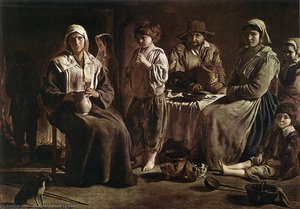
One of the most enchanting aspects of Antoine’s career was the seamless integration of his identity within the broader Le Nain studio. The brothers operated with a shared aesthetic language, creating works that often blur the lines of individual authorship. This collaborative spirit allowed for a rich exchange of techniques, where the landscape elements of one brother might meet the soulful portraiture of another. In masterpieces such as The Family of the Peasants and The Family Meal, we see this unified vision at its peak. These works are not merely scenes of domesticity; they are complex studies of light, shadow, and social connection. The way light falls across a wooden table or illuminates a tired hand speaks to a technical mastery that sought to find the sacred within the secular.
Beyond the domestic sphere, Antoine’s versatility extended into the realm of religious devotion. His rendition of Mary Magdalene in Meditation demonstrates his capacity for profound emotional resonance. In this work, the artist moves away from the external labor of the fields to explore the internal landscape of the soul. The stillness of the composition and the somber palette invite a meditative state, mirroring the subject's own spiritual journey. This duality—the ability to capture both the grit of the earth and the ethereal nature of faith—is what defines his historical significance.
Historical Significance and Enduring Influence
Though Antoine Le Nain’s life was tragically cut short by illness in 1648 at the age of forty-eight, his impact on the trajectory of French art remained permanent. He helped lay the groundwork for a tradition of realism that would later find echoes in the works of much later masters. By stripping away the artifice of the Baroque spectacle, he provided a window into a world that was often ignored by the halls of power. His legacy is found in:
- The Elevation of Genre Painting: Transforming everyday peasant life from mere "low" subject matter into a profound exploration of human dignity.
- Technical Innovation: The masterful use of oil on copper to achieve unparalleled detail and light.
- Psychological Realism: Moving beyond superficial likeness to capture the emotional weight and internal lives of his subjects.
- The Collaborative Model: Demonstrating how a shared studio vision can create a cohesive and powerful artistic movement.
Today, the works of Antoine Le Nain serve as vital historical documents and timeless pieces of art. They remind us that there is beauty in the mundane and strength in the struggle. His ability to find the monumental within the miniature continues to captivate collectors and historians, ensuring that the quiet, dignified world he painted remains vibrantly alive in the collective memory of the art world.
antoine (brother) le nain
1599 - 1648 , France
Основные сведения
- Artistic Movement Or Style: Baroque
- Artists Or Movements Influenced By This Artist: ['Rembrandt']
- Artists Who Influenced This Artist: ['Peter Paul Rubens']
- Date Of Birth: c.1600
- Date Of Death: 1648
- Full Name: Antoine Le Nain
- Nationality: French
- Notable Artworks:
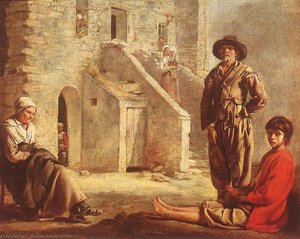
- A Peasant Family
- The Cart or Return from Haymaking
- Place Of Birth: Laon, France