

 Предпросмотр
 Поделиться
 Поделиться
 Детали произведения

 Скачать
 Похожие работы
 Рентгенография
 Слайд-шоу
 Статистика
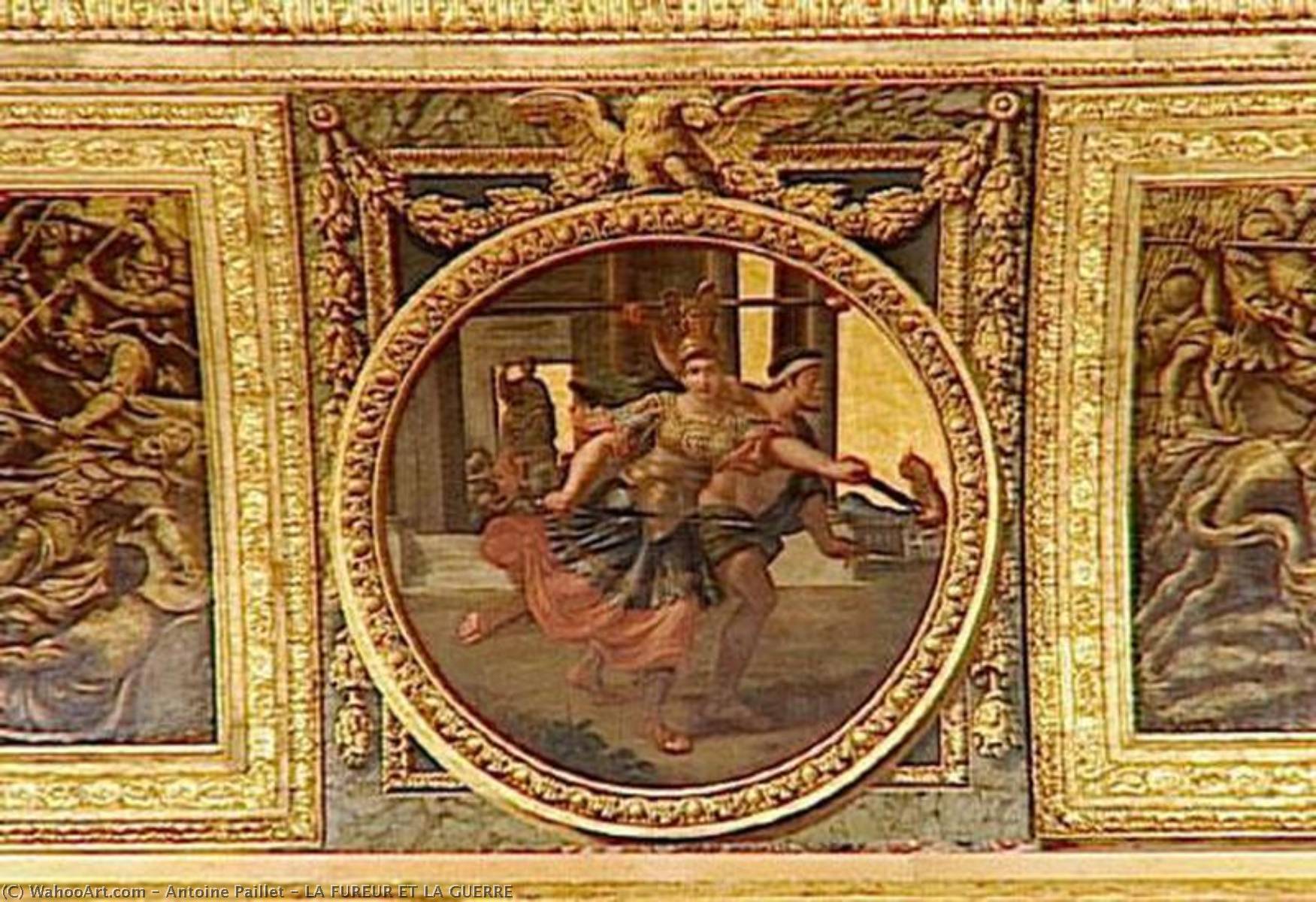
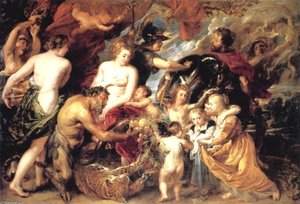
LA FUREUR ET LA GUERRE

 Читать далее
Приобретите цифровое изображение высокого разрешения в улучшенном качестве, которое значительно превосходит онлайн-превью.
Каждый файл тщательно подготавливается нашими специалистами с использованием передовых инструментов и экспертной ручной ретуши. Мы гарантируем исключительную четкость, точную цветопередачу и детальную проработку каждого изображения.
Финальный файл доставляется по электронной почте в течение 72 часов и оптимизирован для немедленного использования в профессиональной среде, при верстке и печати. Это тот же уровень качества, которому доверяют ведущие дизайнерские студии, издательства и галереи.
Цифровое изображение
Скачайте файл высокого разрешения для личного использования, печати и творческих проектов. ( Перейти к печати Купить картину ручной работы)
Включено в каждый заказ цифровых изображений
Гарантия экспертной цифровой доставки
Выбирая ArtsDot.com, вы получаете не просто изображение — вы приобретаете профессионально обработанное цифровое произведение искусства, созданное с безупречной точностью и под защитой гарантии качества. Вот всё, что автоматически входит в ваш заказ:

Мгновенная доставка по e-mail
Ваш цифровой файл в высоком разрешении будет отправлен вам по электронной почте в течение 72 часов после оформления заказа — и сразу станет доступен для использования.

Цифровой файл с ИИ-улучшением
Ваше произведение искусства проходит профессиональную оптимизацию с использованием передовых инструментов ИИ и ручной обработки, что гарантирует максимальную детализацию, четкость и точность цветопередачи.

Бессрочная бесплатная повторная доставка
Случайно удалили или потеряли файл? Не беспокойтесь — мы отправим его вам повторно в любое время и совершенно бесплатно.

Без импортных пошлин — навсегда
Наслаждайтесь вашим произведением искусства мгновенно без таможенных пошлин, сборов или затрат на доставку — цифровые загрузки всегда не облагаются налогом.

Гарантия точности цветопередачи
Мы гарантируем, что ваше цифровое изображение максимально точно передает оригинальные цвета благодаря использованию профессиональных инструментов и систем управления цветом.

Гарантия удовлетворенности 100 дней
Если вы не будете удовлетворены своим цифровым изображением, мы внесем правки или вернем 100% стоимости в течение 100 дней — без лишних вопросов.

100% Гарантия возврата средств
Не удовлетворены покупкой? Получите полный возврат средств в течение 100 дней после получения цифрового файла — без лишних вопросов.

Скидки на оптовые заказы
Купите 3 изображения, сэкономьте 10% — Купите 5, сэкономьте 15% — Купите 10+, сэкономьте 20%. Отличное решение для творческих проектов, галерей и агентств.
LA FUREUR ET LA GUERRE by Antoine Paillet: A Baroque Vision of Conflict
- Overview: "La Fureur et la Guerre" (Fury and War) is a captivating ceiling fresco painted by French artist Antoine Paillet, dating from an unknown period. This artwork, part of a larger decorative scheme, depicts a dynamic scene of conflict, likely representing allegorical figures embodying Fury and War. The piece showcases the grandeur and emotional intensity characteristic of Baroque art, while drawing inspiration from classical antiquity.
Composition and Style: A Whirlwind of Energy
- Visual Dynamics: The circular panel at the center of the fresco is a whirlwind of figures engaged in battle. They are clustered around an architectural element resembling a doorway or archway, suggesting a threshold between realms or states of being. Strong diagonal lines created by the figures' poses and gestures amplify the sense of movement and chaos. Curved lines defining drapery soften the overall effect, preventing it from becoming overly harsh.
- Baroque Influence: Paillet’s style is firmly rooted in the Baroque period, evident in the dramatic composition, rich color palette, and emotional intensity. The use of dynamic poses and expressions conveys a powerful sense of aggression and turmoil. The influence of classical antiquity is apparent in the representation of figures and architectural elements.
- Ornamentation: The fresco is framed by an ornate gilded frame, which adds to the artwork's grandeur and importance. This contrast between the fluidity of the painted image and the rigidity of the frame highlights the decorative nature of the piece within a larger architectural context.
Technique and Materials: Fresco Mastery
- Fresco Technique: "La Fureur et la Guerre" is executed as a fresco, an ancient technique where pigments are applied to wet plaster. This method ensures the image becomes integrated into the wall surface, creating a durable and long-lasting artwork. The photograph captures subtle variations in color and tone on the painted surface, suggesting the texture of the fresco.
- Materials: The artist utilized natural earth pigments for coloration, applied to a plaster base. The gilded frame is likely constructed using gold leaf or gilt, providing a striking contrast against the earthy tones of the painting itself.
Symbolism and Emotional Impact: Embodiments of Conflict
- Allegorical Representation: The figures depicted are not simply warriors but likely personifications of Fury and War. Their expressions and poses convey a sense of intensity, aggression, and chaos. The swirling composition reinforces the tumultuous nature of these concepts.
- Emotional Resonance: "La Fureur et la Guerre" evokes a powerful emotional response through its dramatic portrayal of conflict. The artwork’s grandeur and ornate framing elevate it beyond a mere depiction of battle, transforming it into an allegorical representation of human passions and the destructive forces they can unleash.
- Historical Context: Antoine Paillet's work often featured powerful women warriors like Artemisia and Zenobia. This piece likely reflects the Baroque era’s fascination with classical mythology and historical narratives, using allegorical figures to explore complex themes of power, conflict, and human nature.
Похожие произведения
Биография художника
Early Life and Artistic Formation
Antoine Paillet, born in Paris around 1626, emerged during a period of significant transformation within the French art world. While details surrounding his family remain scarce, it is known that he received his foundational training under Sébastien Bourdon, a leading figure of French Baroque painting and a founding member of the Académie Royale de Peinture et de Sculpture. Bourdon’s influence proved pivotal in shaping Paillet's early artistic sensibilities, instilling within him a penchant for dramatic historical narratives and refined portraiture. The mid-17th century Parisian art scene was characterized by an increasing embrace of Italianate styles and the burgeoning patronage of the royal court under Louis XIII, creating a dynamic environment that fostered the development of ambitious young painters like Paillet. His formal acceptance into the Académie Royale in 1659, marked by the presentation of his *Triomphe d’Auguste après la bataille d’Actium*, signaled his growing recognition within established artistic circles and demonstrated an early mastery of academic conventions.A Career Defined by Historical Grandeur
Paillet quickly distinguished himself as a painter specializing in large-scale historical compositions, often imbued with a theatrical intensity and a keen attention to detail. His canvases frequently depicted scenes of conflict, heroism, and the power struggles of antiquity, reflecting both the prevailing tastes of his aristocratic clientele and a broader fascination with classical themes during the reign of Louis XIV. He wasn’t merely replicating history; he was interpreting it through a Baroque lens—emphasizing movement, emotion, and vibrant color palettes. His works are not simply depictions of events but rather carefully constructed dramas designed to evoke awe and inspire contemplation. A notable example is *La Fureur et la Guerre*, a powerful fresco showcasing figures locked in fierce conflict, capturing the raw energy and chaos of battle with remarkable skill. This piece exemplifies his ability to translate complex narratives into visually arresting compositions.Portraits and Academic Recognition
Beyond his historical paintings, Paillet also cultivated a successful practice as a portraitist, capturing the likenesses of prominent figures within Parisian society. He executed portraits of playwright Pierre Corneille among others, many of which were subsequently engraved by artists such as Étienne Picart and Guillaume Vallet between 1663 and 1696. These engravings suggest that Paillet often worked *ad vivum* – directly from life – and potentially employed pastel techniques, though surviving examples of his pastels remain elusive. His dedication to the Académie Royale was further demonstrated by his elevation to the position of *recteur* in 1695, a testament to his influence within the French art world and his commitment to upholding academic standards. This role placed him at the forefront of artistic discourse and decision-making during a crucial period of stylistic evolution.Themes of Power and Female Agency
A recurring motif in Paillet’s oeuvre is the depiction of powerful women warriors, figures like Artemisia and Zenobia who challenged conventional gender roles and exerted significant political influence. *ZENOBIE COMBATTANT CONTRE L'EMPEREUR AURELIEN* stands as a compelling example of this fascination, portraying Zenobia, the warrior queen of Palmyra, in a dramatic confrontation with Emperor Aurelian. These paintings are not simply historical representations; they offer nuanced explorations of female agency, ambition, and resistance within patriarchal societies. Paillet’s choice of subject matter suggests an interest in challenging traditional narratives and celebrating figures who defied societal expectations. His depictions of these women are often imbued with a sense of dignity, strength, and unwavering determination.Legacy and Historical Significance
Antoine Paillet's works can be found today in esteemed institutions such as the Musée des Augustins in Toulouse and the Palace of Versailles near Paris, serving as enduring testaments to his artistic skill and historical importance. While perhaps not as widely celebrated as some of his contemporaries, Paillet played a significant role in shaping the landscape of 17th-century French painting. His dramatic compositions, meticulous attention to detail, and exploration of themes of power and female agency continue to resonate with audiences today. He represents a fascinating intersection of Baroque grandeur, classical influence, and academic rigor, leaving behind a body of work that offers valuable insights into the artistic and cultural values of his time. His induction into the Académie Royale solidified his position as a respected member of the French art establishment, ensuring his legacy would endure for generations to come.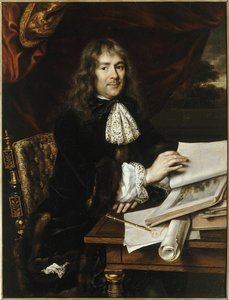
antoine paillet
1626 - 1701
Основные сведения
- Artistic Movement Or Style: Baroque painting
- Artists Who Influenced This Artist: ['Sébastien Bourdon']
- Date Of Birth: 1626
- Date Of Death: 1701
- Full Name: Antoine Paillet
- Nationality: French
- Notable Artworks:
- La Fureur et la Guerre
- Zenobie combattant contre Aurelien